Kodiak
United States, Alaska
About Kodiak
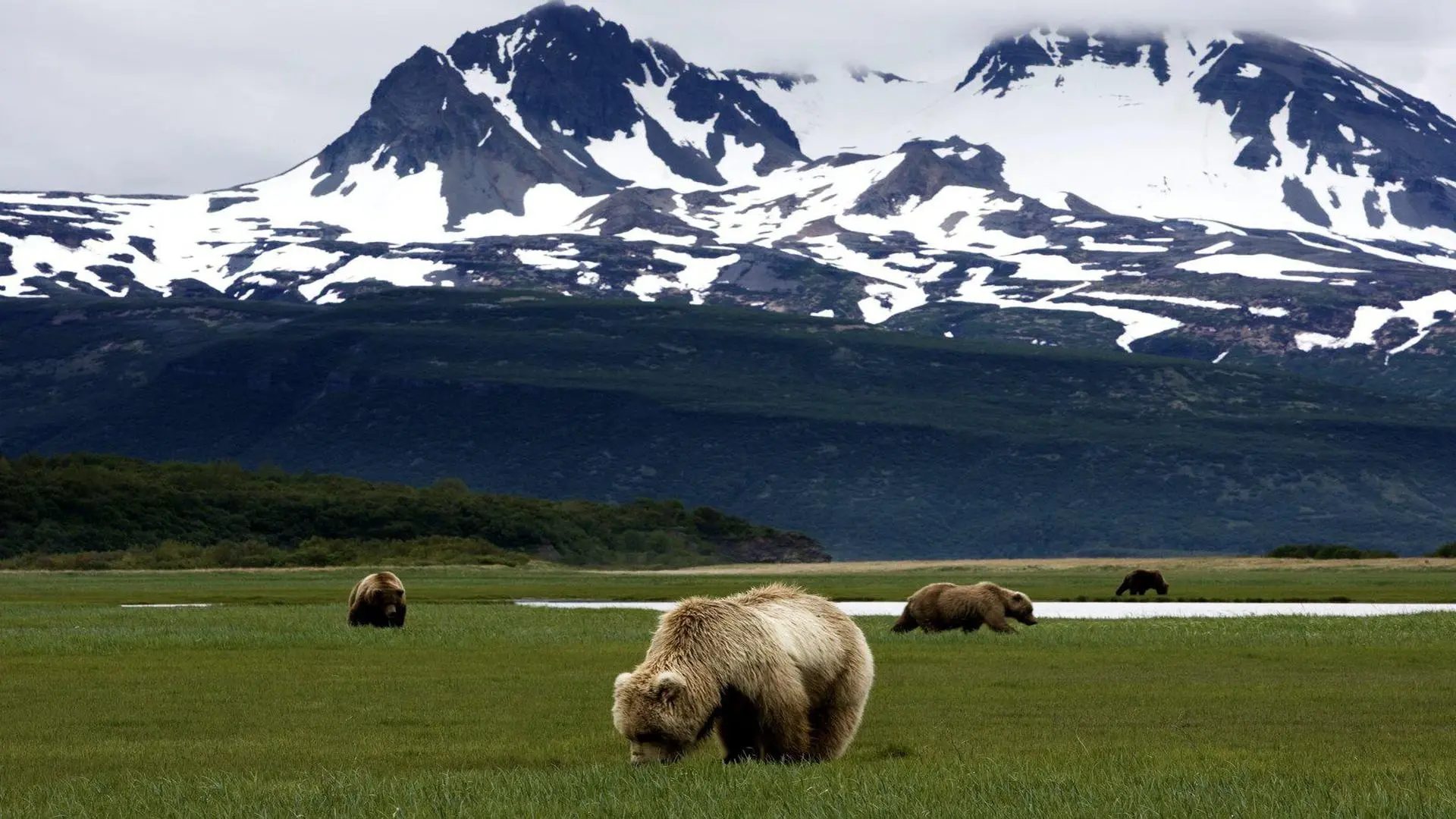
Kodiak National Wildlife Refuge covers much of the Kodiak Archipelago in the Gulf of Alaska, with its headquarters and visitor center in the town of Kodiak. President Franklin D. Roosevelt created it in 1941 to protect Kodiak brown bears and their habitat[1]. It describes itself as the largest intact, pristine island ecosystem in North America[1].
Wildlife Ecosystems
Flora Ecosystems
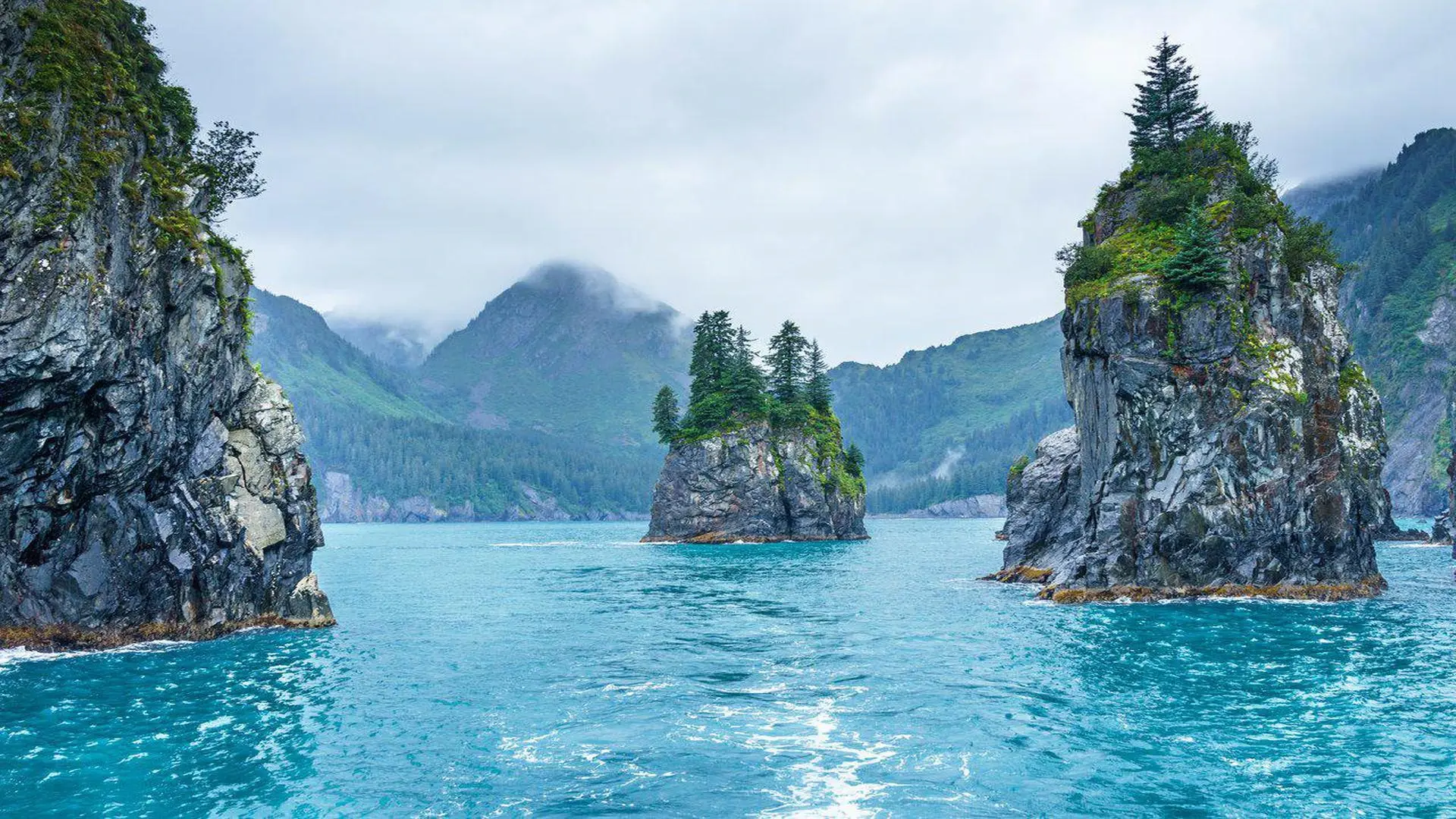
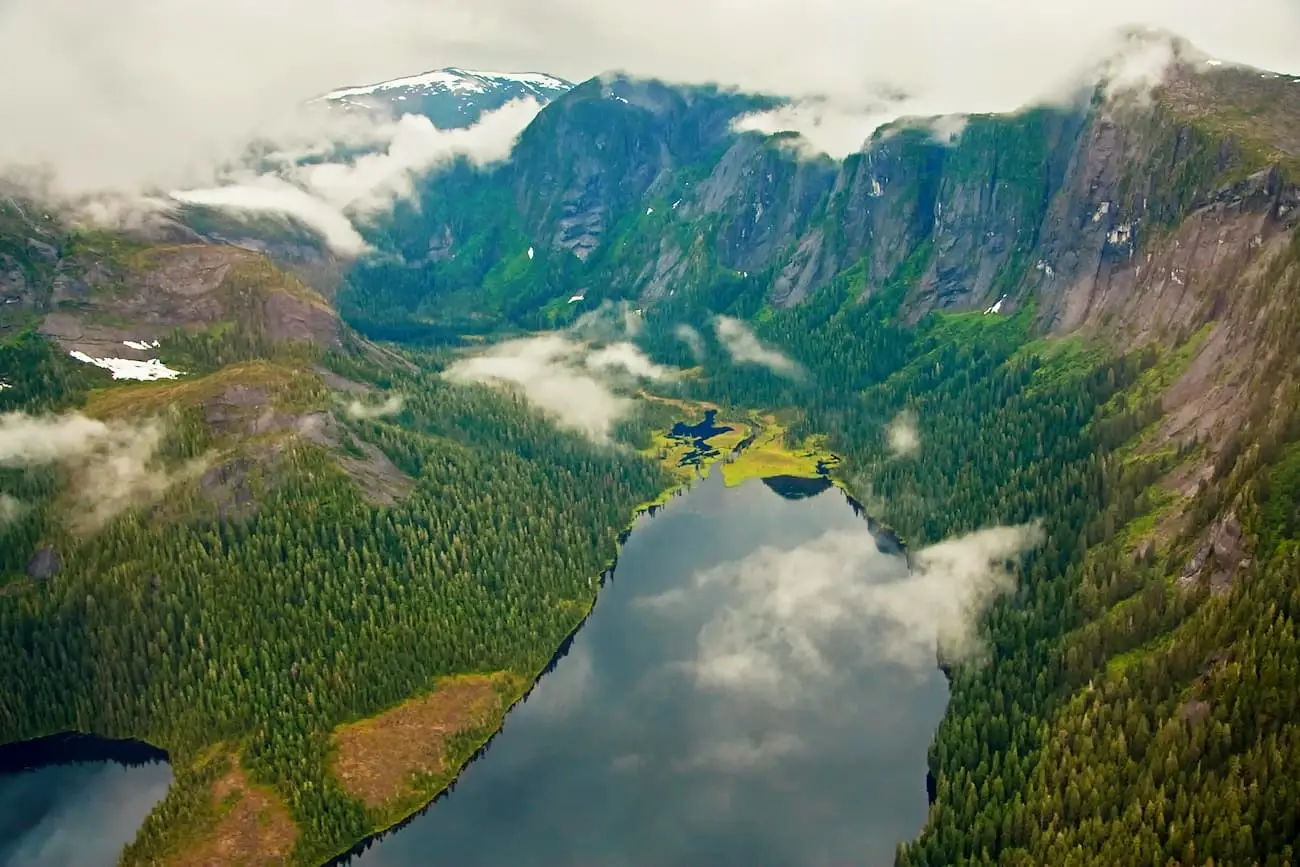
The refuge's habitats are managed to keep their natural diversity[1]. The archipelago's vegetation is a mix of coastal spruce forest on the northern islands, alder thickets, grass and wildflower meadows and alpine tundra on the mountains, and the southwest of the island is largely treeless.
Geology
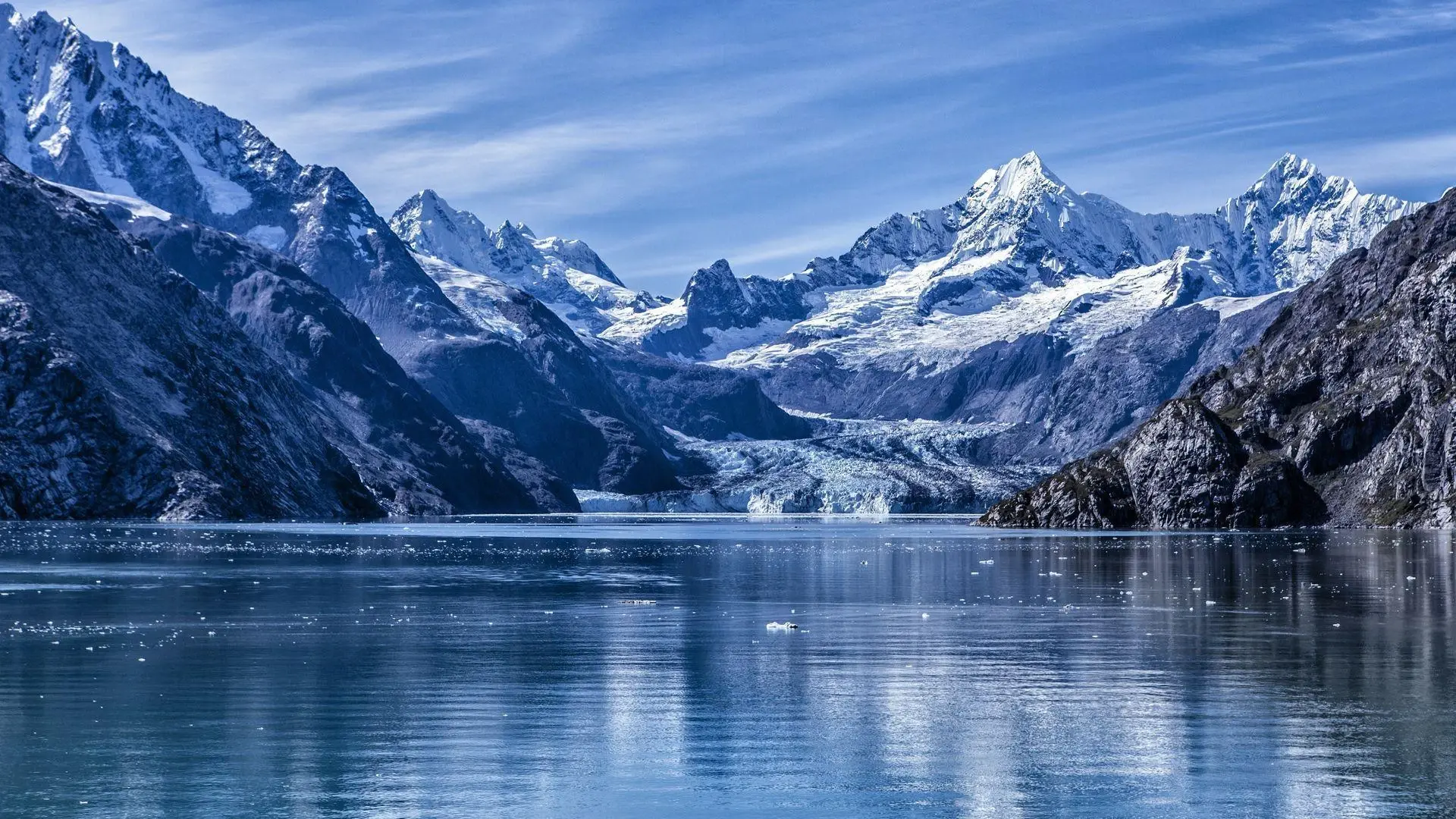
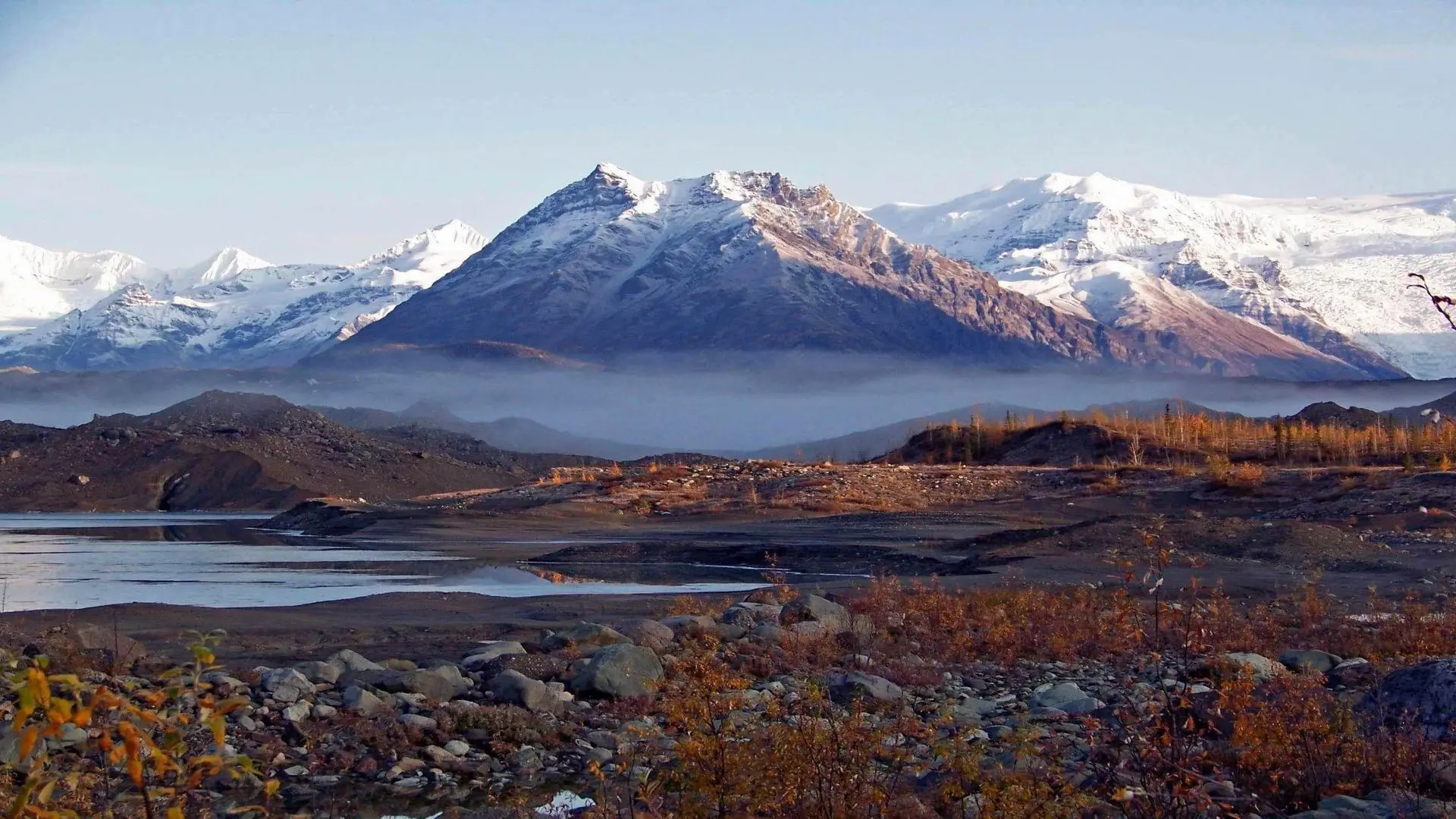
The refuge is a mountainous island landscape, shaped by glaciers and cut by deep fjords and bays along its coasts. Kodiak is in a seismically active region of Alaska.
Climate and Weather
The islands have a cool, wet maritime climate, with frequent rain, fog and wind, mild winters for the latitude and cool summers. Weather can change quickly and disrupt flights and boat travel.
Human History
The archipelago has been home to the Alutiiq (Sugpiaq) people for thousands of years, and Russian fur traders arrived in the late 1700s. In the early 20th century pressure from Russian and American settlements reduced the brown bear population[1].
Park History
President Benjamin Harrison set up the Afognak Forest and Fish Culture Reserve in 1892 mainly to conserve sockeye salmon; it returned to Alaska Native peoples in 1980[1]. Roosevelt created the refuge in 1941 after sportsmen and conservationists pushed for it[1]. The 1980 ANILCA added 50,000 acres on Afognak and Ban islands, and in the 1990s nearly 275,000 acres were reacquired through purchase, donation or conservation easement[1]. The Kodiak Refuge Visitor Center opened in downtown Kodiak in 2007[1].
Major Trails and Attractions
Bear viewing and salmon fishing are the main draws, particularly at river systems such as the Karluk and Ayakulik. Much of the refuge is remote backcountry reached by floatplane or boat. The refuge pages list activities, locations and rules[1].
Visitor Facilities and Travel
Conservation and Sustainability
Photos
No photos available yet