Alaska Peninsula
United States, Alaska
About Alaska Peninsula
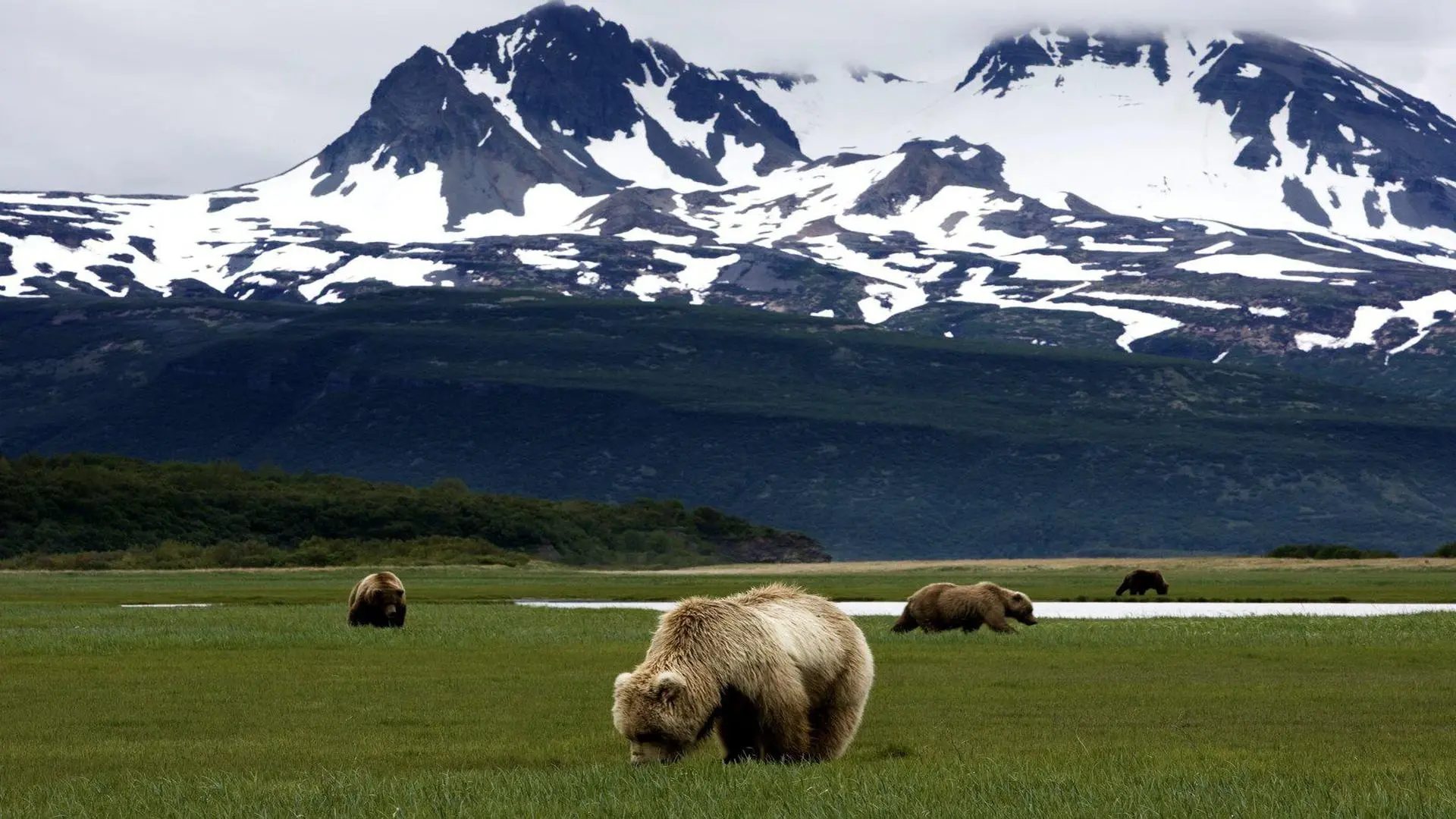
Wildlife Ecosystems
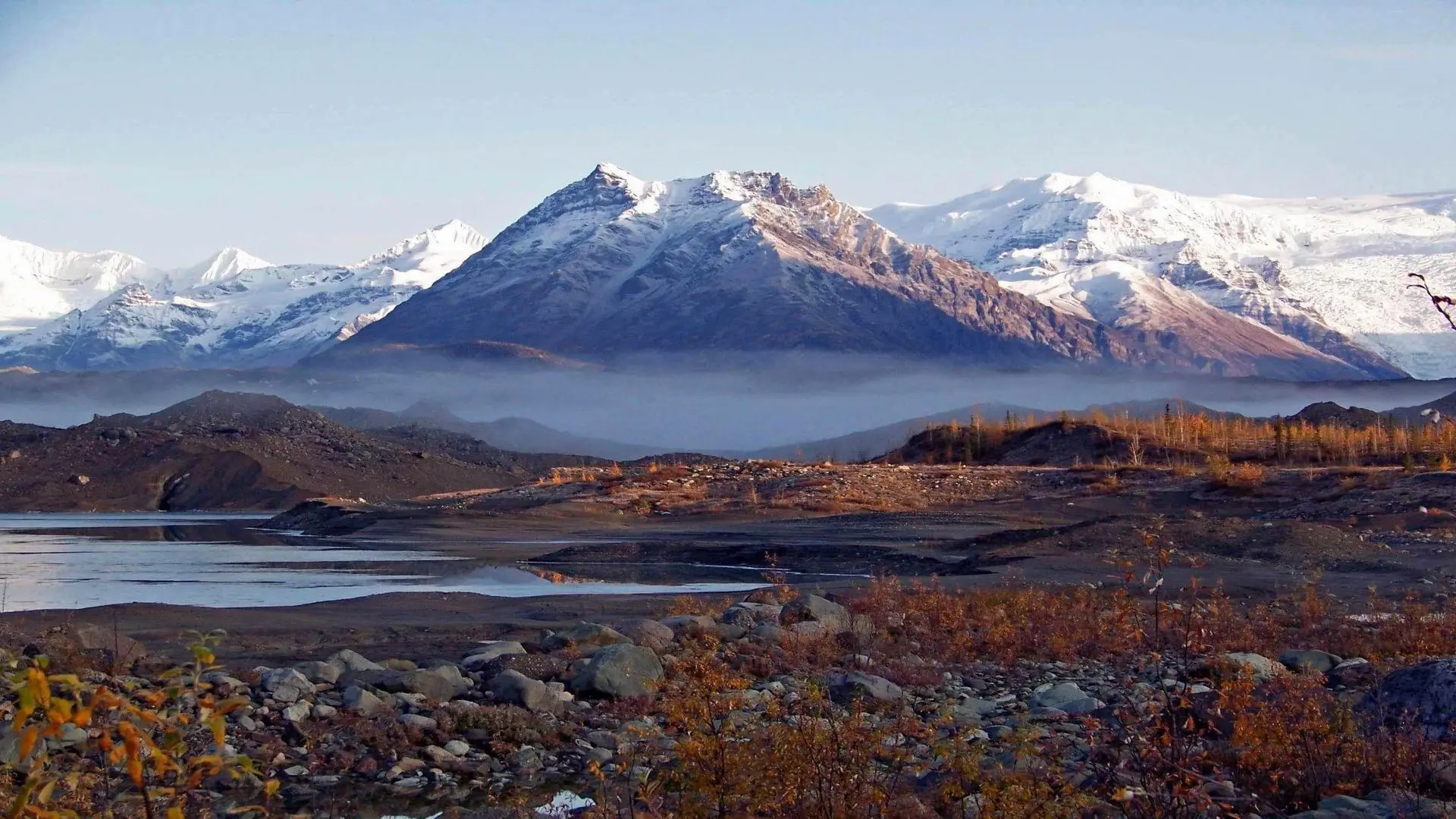
Flora Ecosystems
Tundra is a major habitat of the refuge[1].
Geology
Climate and Weather
The Alaska Peninsula has a cool, maritime, stormy climate shaped by the Bering Sea and North Pacific, with frequent wind, rain and fog.
Human History
The earliest known human occupation on the Peninsula dates to about 10,500 years ago, and Ocean Bay and early Aleutian traditions emerged about 6,000 years ago[1]. The area was a crossroads where prehistoric cultures from the Aleutians, Kodiak, western Alaska and interior Alaska met, and Russian explorers and trappers were active here[1].
Park History
Congress established the refuge on December 2, 1980, through the Alaska National Interest Lands Conservation Act[1]. Since 1983 it has been managed as a complex with the Ugashik and Chignik units, Becharof National Wildlife Refuge and the Seal Cape area of Alaska Maritime National Wildlife Refuge[1].
Major Trails and Attractions
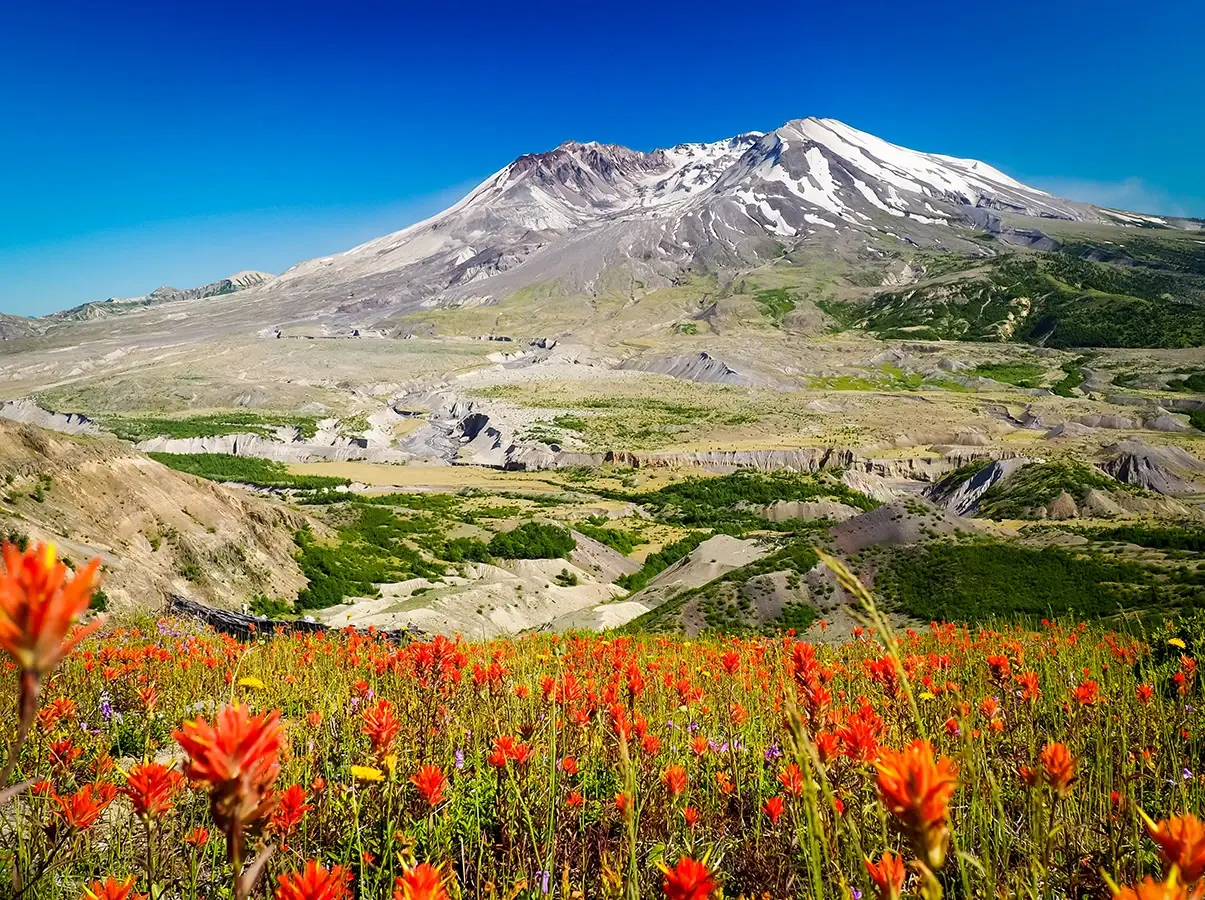
Mount Veniaminof in the Chignik Unit is the refuge's best-known feature, about 40 miles west-southwest of Chignik Bay[1].
Visitor Facilities and Travel
The refuge headquarters and the King Salmon Visitor Center are in King Salmon, . The visitor center is operated with the National Park Service, Bristol Bay Borough and Lake and Peninsula Borough[1].
Conservation and Sustainability
The refuge's primary purpose is to conserve fish and wildlife populations and habitats in their natural diversity, and all activities are reviewed for compatibility with that purpose[1]. Goals include supporting subsistence use, scientific research and protecting water quality and quantity[1]. Five Native villages lie within the refuge boundaries[1].
Photos
No photos available yet