Lake Cluster of Pokhara Valley
Nepal, Gandaki
About Lake Cluster of Pokhara Valley
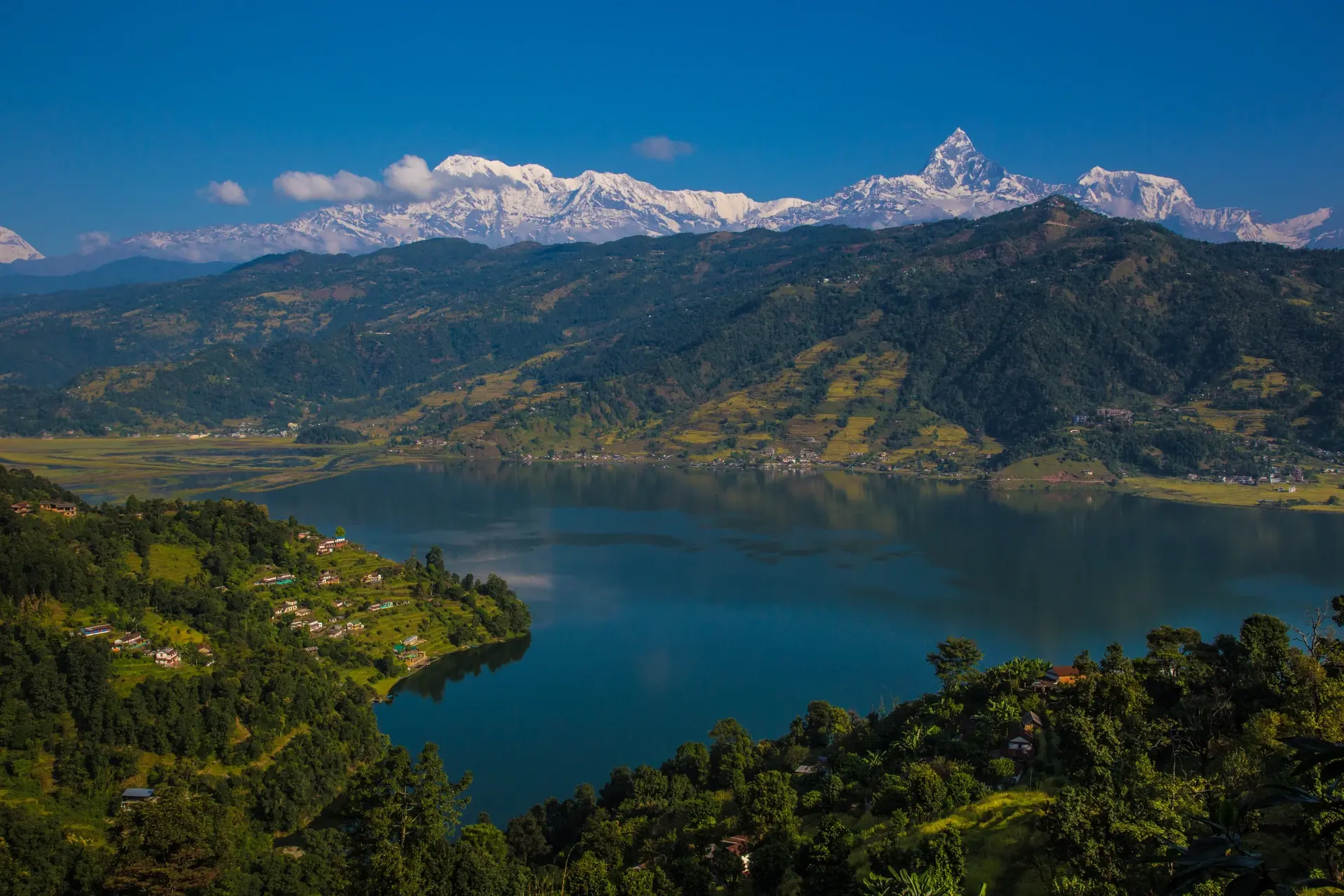
The Lake Cluster of Pokhara Valley is a group of freshwater lakes in Kaski District, Gandaki Province, in and around Pokhara. The Ramsar site covers 261.1 km2 including the surrounding catchment, at a surface elevation of 827 m. It was declared a Ramsar site on 2 February 2016, Nepal's tenth[1].
Wildlife Ecosystems
About 168 bird species are recorded, mostly wetland birds, including Spiny Babbler, Nepal Wren Babbler, Comb Duck, Baer's Pochard and Ferruginous Duck. The lakes hold 28 fish, 11 amphibian, 28 reptile and 32 mammal species, and otter numbers are declining[1].
Flora Ecosystems
There are 60 aquatic plant species and over 300 terrestrial plant species, among them the rare marsh wild rice Oryza rufipogon[1].
Geology
The lakes sit in the Seti Gandaki river valley and are all of the sub-surface drainage type. Phewa and Begnas are meso-eutrophic and the other lakes eutrophic[1].
Climate and Weather
Pokhara lies at about 800 m in the mid-hills with the Annapurna range rising a short distance to the north, giving a humid subtropical valley climate with a summer monsoon.
Human History
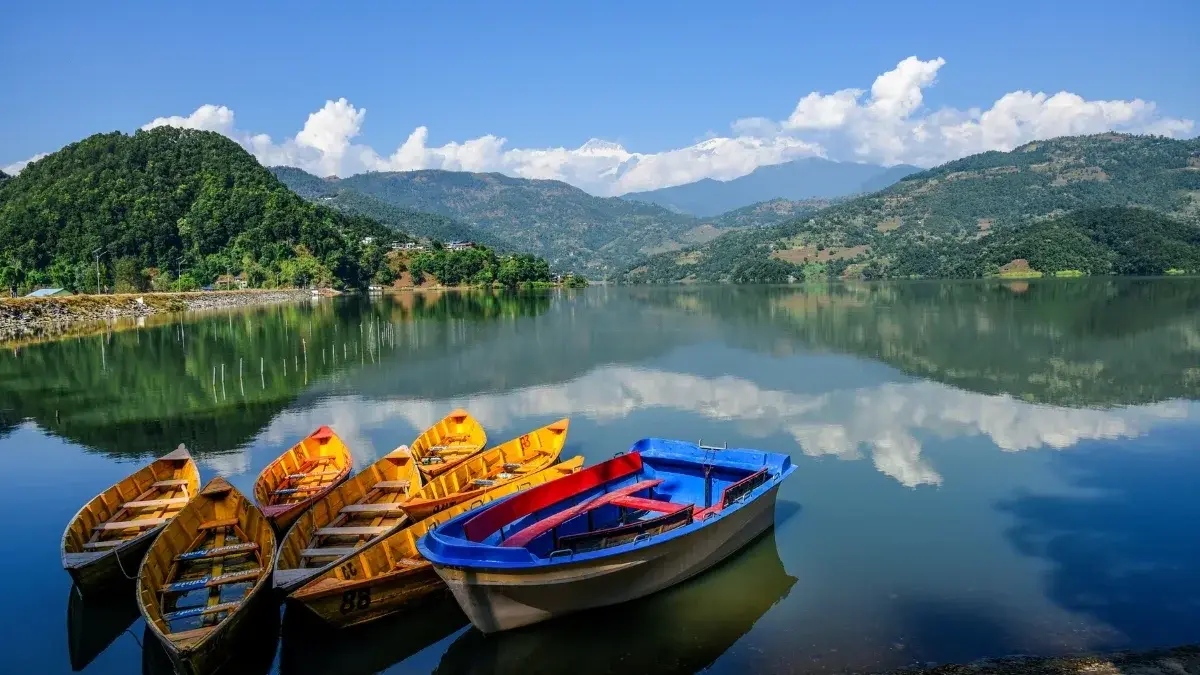
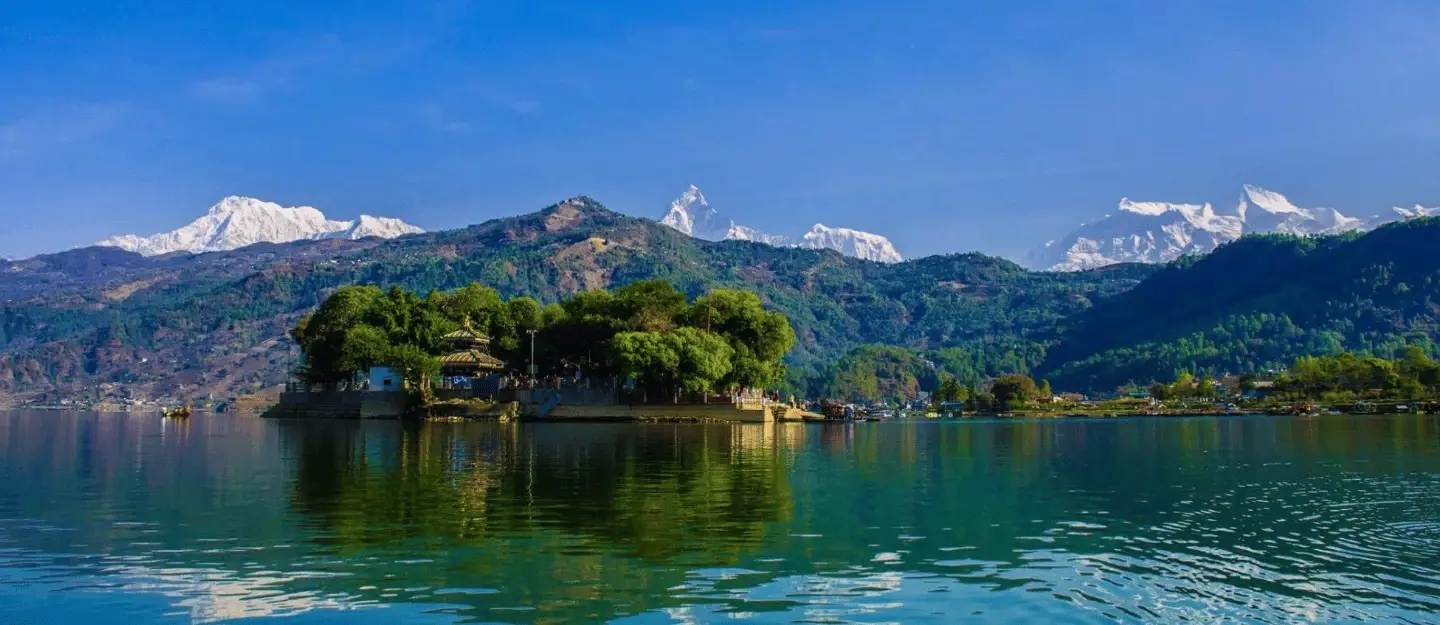
Phewa and Kamalpokhari lie inside Pokhara town and the other lakes in Lekhnath. The Tal Barahi temple stands on an island in Phewa, and thousands of people depend on the lakes for fishing, tourism, irrigation and water supply.
Park History
The Pokhara Valley Lake Conservation Committee was set up in 2008 to conserve the lakes and surrounding ecosystem, and Ramsar designation followed in 2016[1].
Major Trails and Attractions
Phewa Lake is the best known, with boating and the island temple, and Begnas and Rupa are known for fishing and quieter shores.
Visitor Facilities and Travel
The lakes are in and next to Pokhara itself, so access is by road or on foot in town, with Phewa the closest to the centre.
Conservation and Sustainability
Threats include agricultural encroachment, excessive fishing, eutrophication, grazing and infrastructure, with invasive weeds such as Mikania micrantha and water hyacinth, and exotic fish such as tilapia and African catfish[1].
Photos
2 photos