Khaptad
Nepal, Sudurpashchim
About Khaptad
Khaptad National Park is a highland plateau park in the Sudurpashchim (far-western) region of Nepal, covering 225 km2 across the districts of Bajhang, Bajura, Achham and Doti. Elevations run from 1,400 m to 3,300 m. It was established in 1984, on the advice of the hermit Khaptad Baba, and is an IUCN category II national park[1].
Wildlife Ecosystems
The park records 23 mammal species, including Indian leopard, Himalayan black bear, dhole and alpine musk deer, along with 287 bird species such as Impeyan pheasant, peregrine falcon and white-rumped vulture. 23 amphibian and reptile species have also been recorded[1].
Flora Ecosystems
The park has 567 recorded plant species, 224 of them medicinal. Chir pine-rhododendron forest, oak forest and Himalayan fir-hemlock-oak forest cover the slopes, with alder forest along rivers, and the plateau itself carries moorland and grassy meadows[1].
Geology
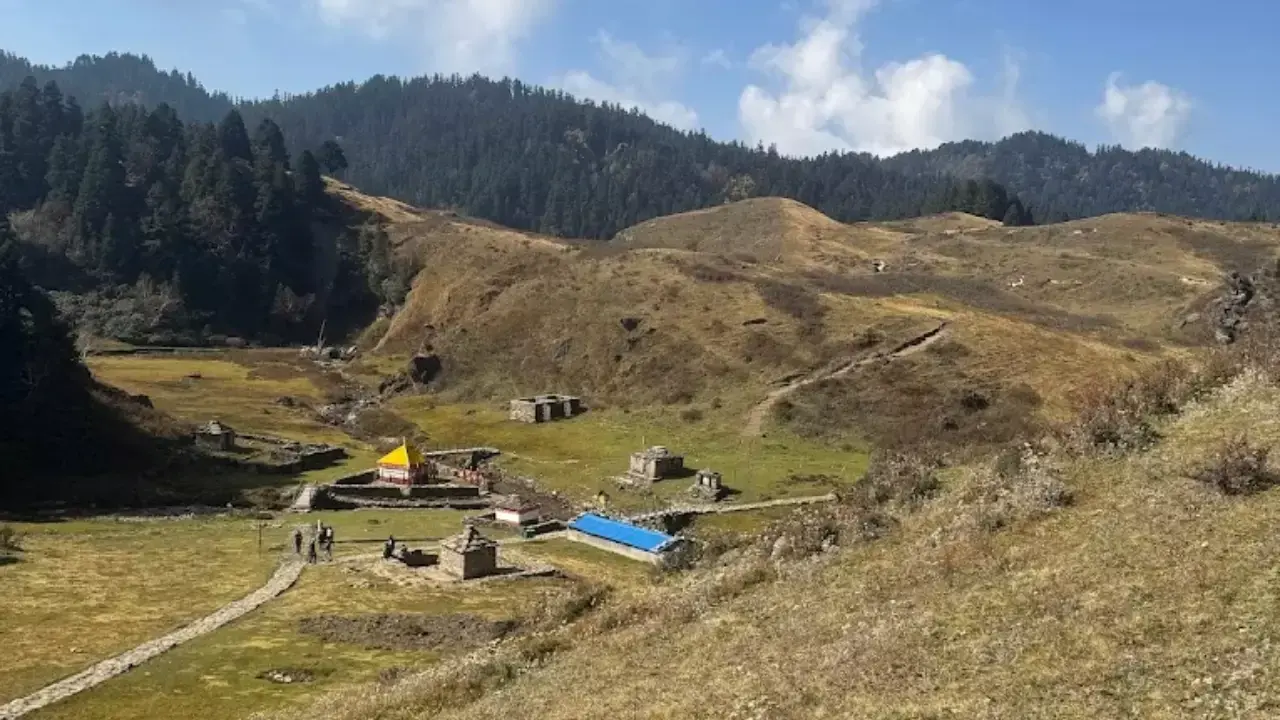
The landscape is a high rolling plateau of moorland and open meadows, cut by steep slopes and streams on its flanks[1].
Climate and Weather
Spring (March to May) and autumn (September to November) are the usual seasons to visit. Winter snow can blanket the plateau from December, and monsoon rain makes the trails slippery and muddy.
Human History
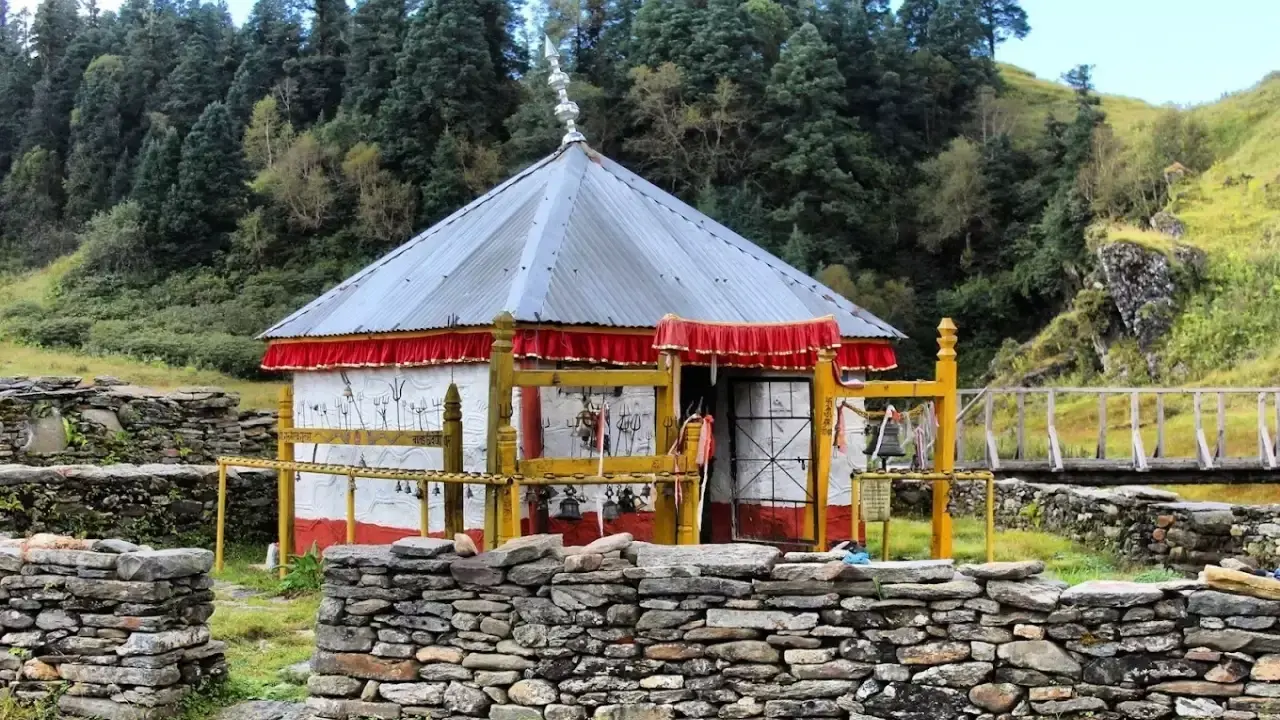
The plateau is a Hindu pilgrimage area. Khaptad Baba, a hermit who lived here for many years, is remembered through the ashram that bears his name, and Triveni, where three streams meet, draws pilgrims for the Ganga Dashahara festival.
Park History
The park was established in 1984 on the advice of Khaptad Baba. A buffer zone of 216 km2 around it was declared in 2006[1].
Major Trails and Attractions
Khaptad Daha, a lake on the plateau, Nag Dhunga and Triveni are the main sites, along with the Khaptad Baba ashram and the flower-filled meadows of the plateau in spring and summer. Visitors reach them on foot.
Visitor Facilities and Travel
The nearest town is Silgadhi, about 40 km away. The park is remote, and treks usually start from road ends in the surrounding districts and take several days.
Conservation and Sustainability
The park protects the plateau meadows, mid-hill forests and the medicinal plants that local people also use. Its 216 km2 buffer zone, declared in 2006, is intended to ease pressure on the park from surrounding communities[1].
Photos
1 photo