Rara
Nepal, Karnali
About Rara
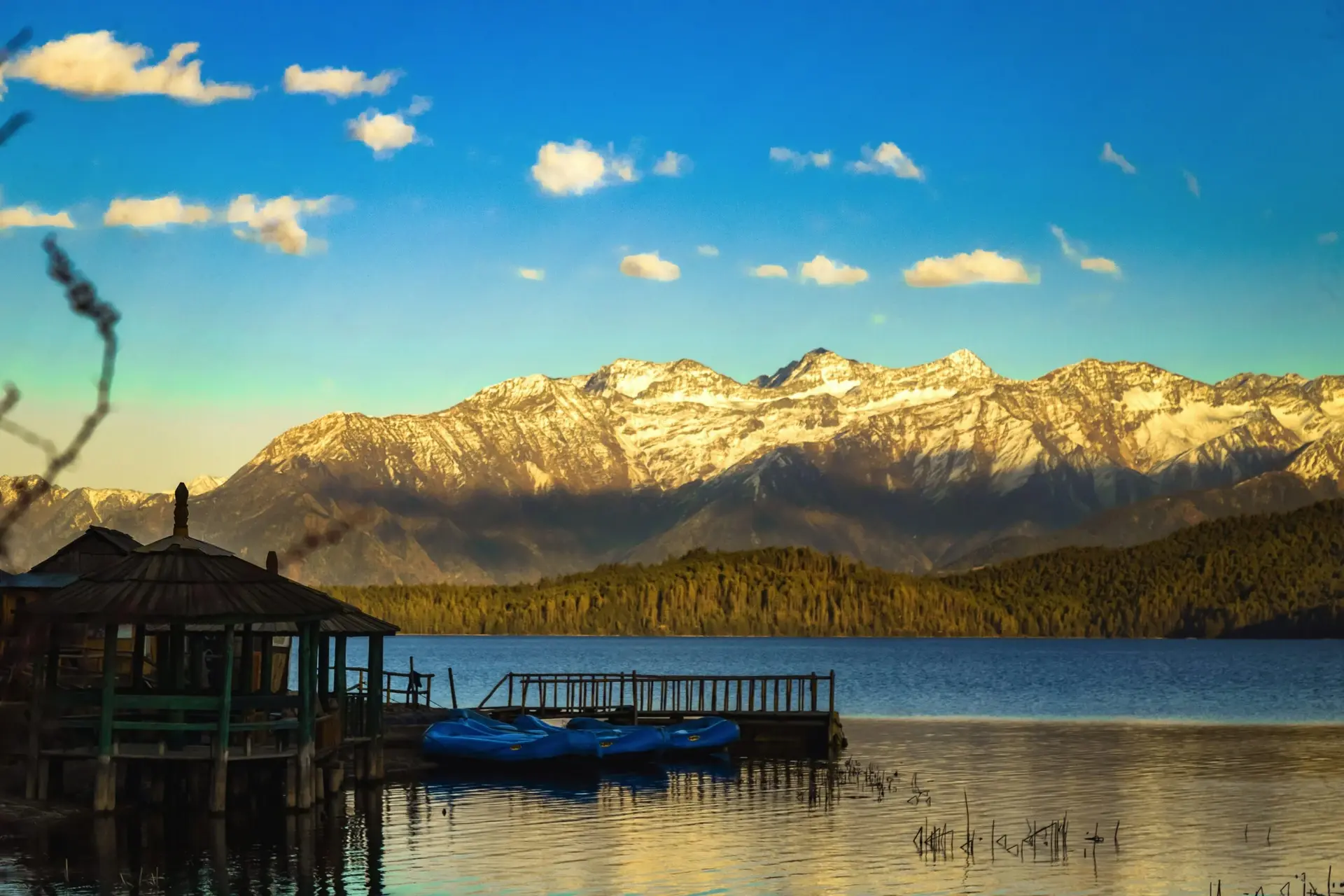
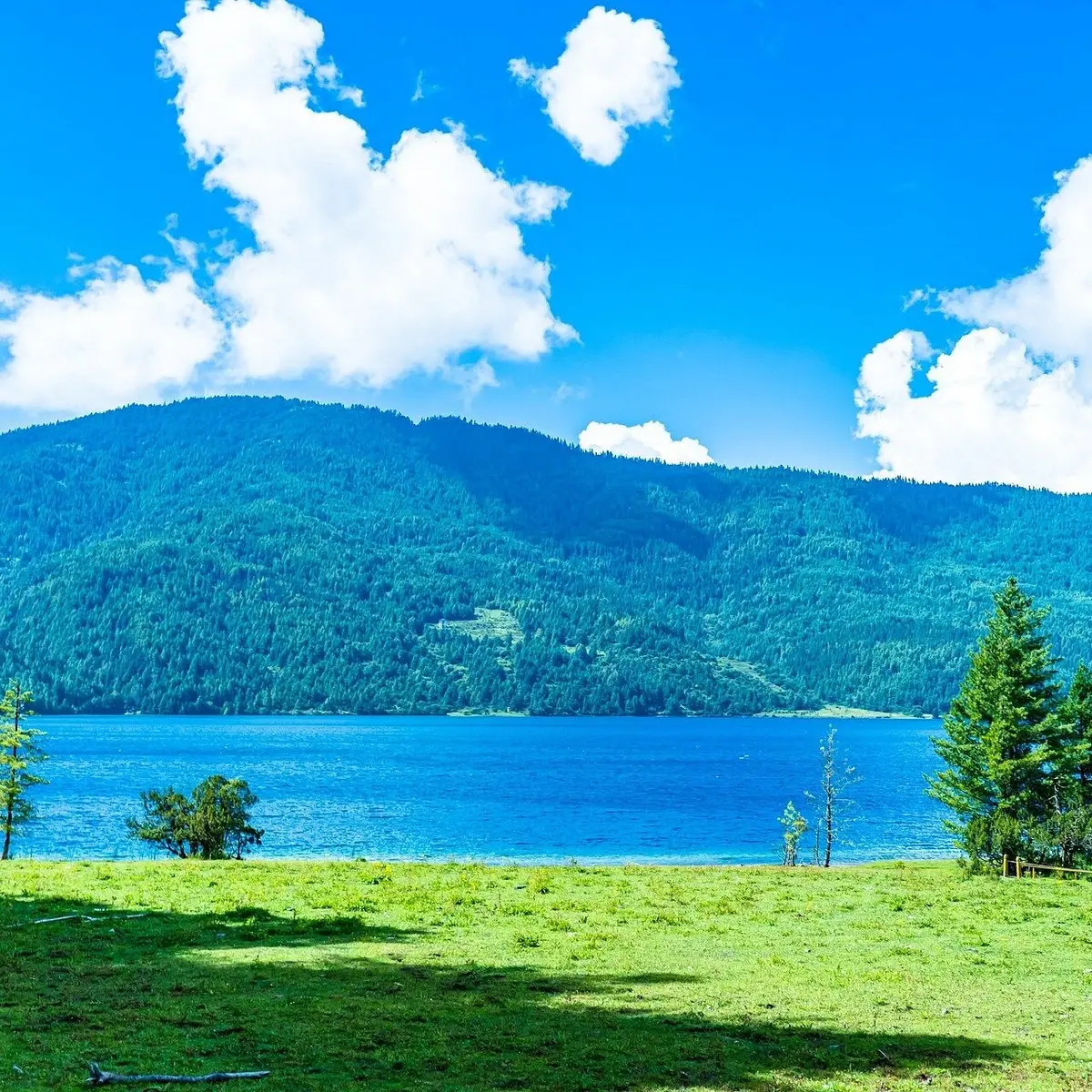
Rara National Park lies in the Himalayas of western Nepal, in Mugu and Jumla districts, and covers 106 km2, making it the country's smallest national park. It was established in 1976 and is managed by the Department of National Parks and Wildlife Conservation. Its centrepiece is Rara Lake at 2,990 m, Nepal's largest lake, with elevations in the park running from 2,800 m to 4,039 m at Chuchemara Peak[1].
Wildlife Ecosystems
The park has 51 recorded mammal species, among them musk deer, Himalayan black bear, Indian leopard, Himalayan tahr, dhole, otter, gray langur, rhesus macaque and red panda. Birds number 241 species, 49 of them wetland birds; winter visitors to the lake include great-crested and black-necked grebes, red-crested pochards, mallards, common teal and common mergansers, while the forests hold Himalayan monal, kalij pheasant, blood pheasant, chukar and Himalayan snowcock. Three snowtrout species and the frog Paa rarica were described from the lake in 1979 as endemic to it[1].
Flora Ecosystems
About 1,070 plant species are known from the park, in temperate and subalpine vegetation that changes with elevation. Below 3,200 m the forest includes blue pine, rhododendron, west Himalayan spruce, black juniper and Himalayan cypress, and above 3,200 m it turns to coniferous forest of fir, spruce and pine[1].
Geology
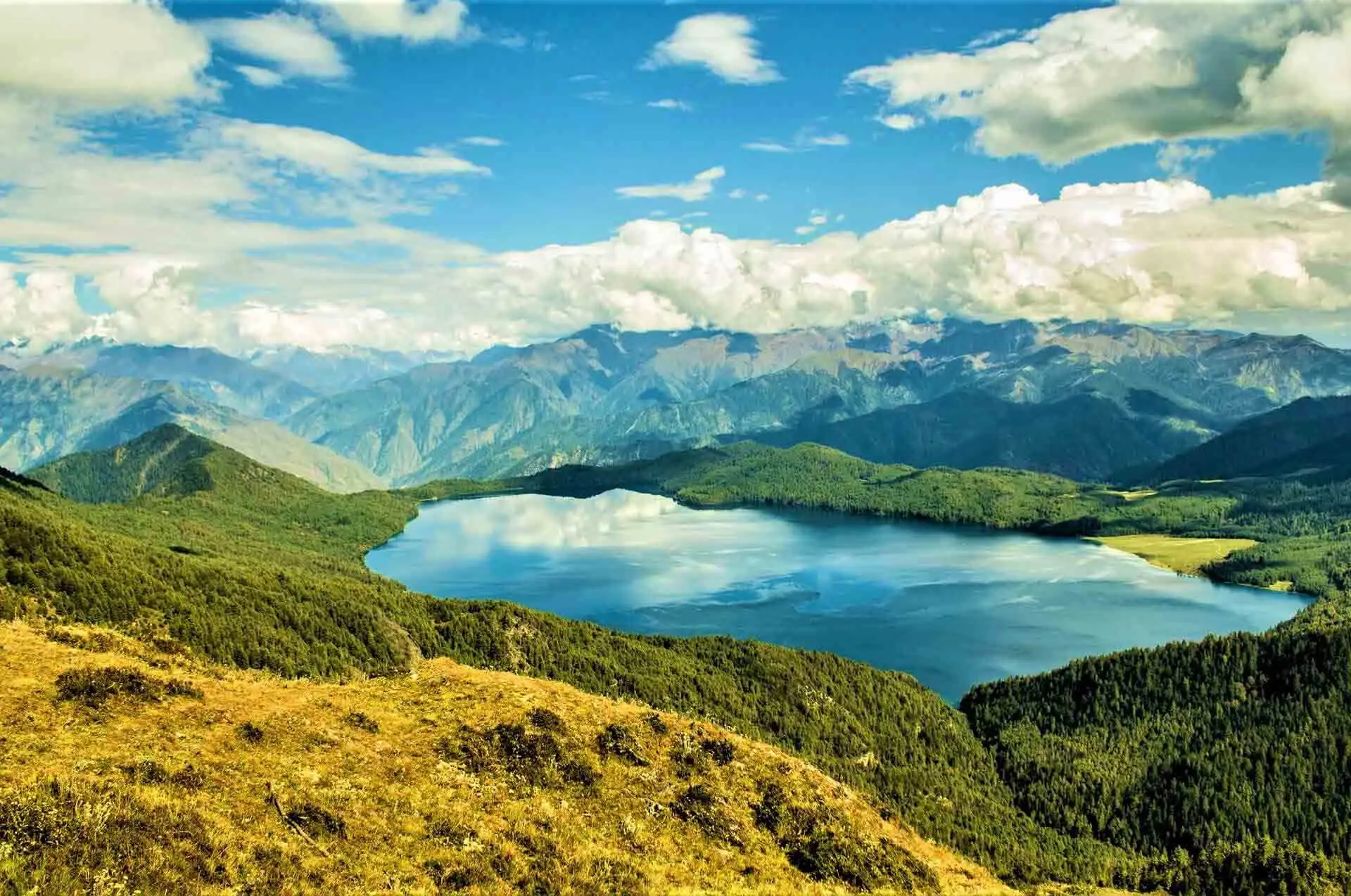
The park is a mountain landscape built around a single deep basin: Rara Lake is oval, about 5 km long east to west and 3 km wide, with a maximum depth of 167 m. The lake is framed by Ruma Kand and Malika Kand peaks to the north and Chuchemara to the south[1].
Climate and Weather
At roughly 3,000 m the park has warm summers and cold winters, and the June to August monsoon makes trekking difficult. Spring and autumn are the usual seasons for walking in.
Human History
Rara lies in the remote Humla-Jumla region of the western Himalayas, with Jumla the nearest town. The park was gazetted to protect the lake and its surroundings, and the villages inside the park area were resettled outside it.
Park History
Rara National Park was established in 1976 to conserve Rara Lake and the flora and fauna of its watershed. It is an IUCN category II protected area, and the lake is listed among Nepal's Ramsar sites[1].
Major Trails and Attractions
Rara Lake, 10.8 km2 in surface area, is the main attraction; it drains through the Nijar Khola into the Mugu-Karnali River. Murma Top, a viewpoint a few hours' walk from the lake, gives a view over the whole lake and the surrounding landscape[1].
Visitor Facilities and Travel
The nearest city is Jumla, about 50 km away. Most visitors fly from Kathmandu to Nepalgunj and on to Talcha airport near the lake, then walk a few hours to the lake and park headquarters; the alternative is a multi-day walk in from Jumla. Accommodation in the area is basic and limited.
Conservation and Sustainability
Overgrazing, local timber and fuelwood cutting, and waste left during festivals are the main pressures on the lake and its catchment. The lake's endemic fish and frog make its water quality a particular concern[1].
Photos
2 photos