Trebujeni
Moldova, Orhei District
About Trebujeni
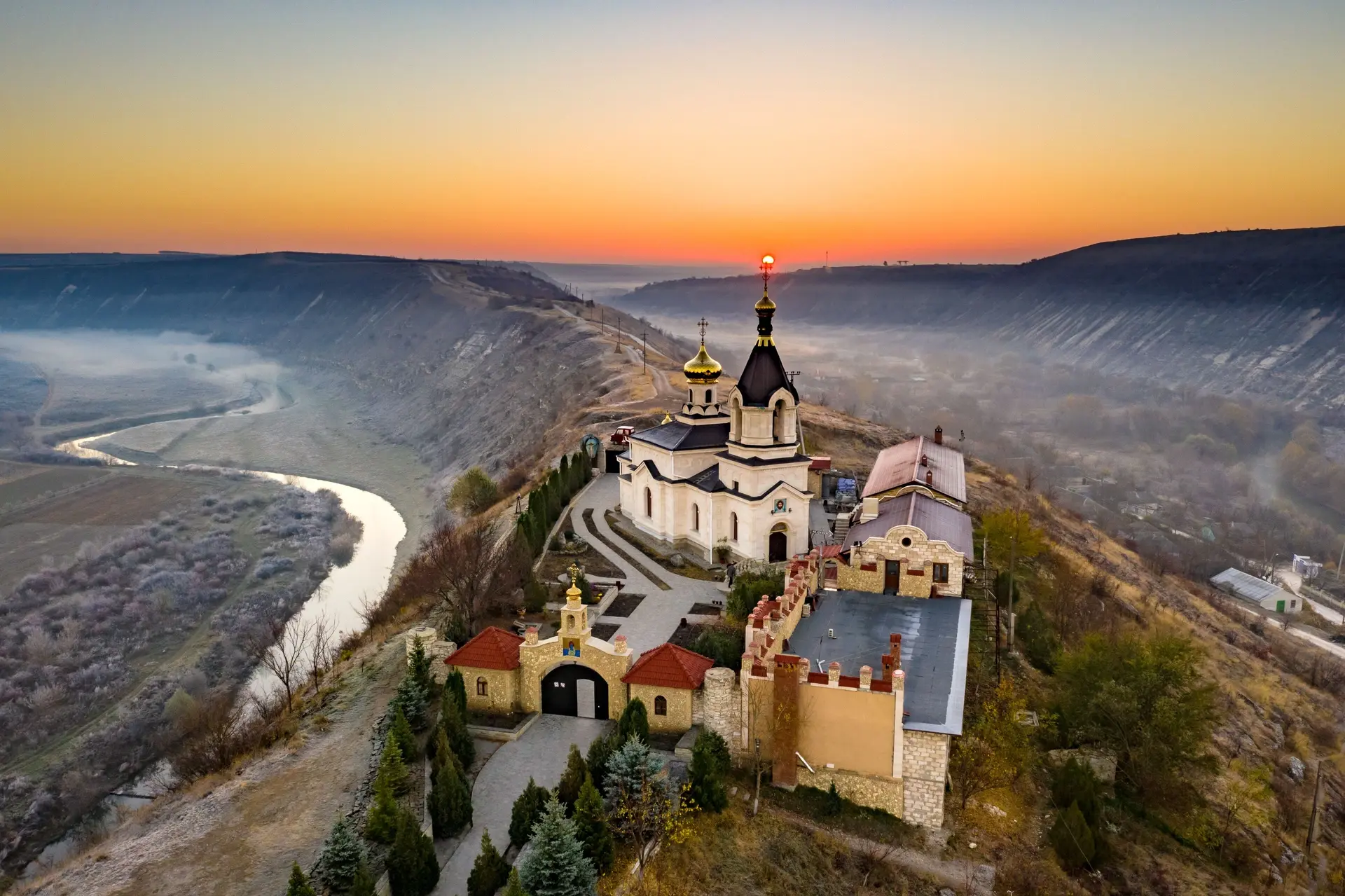
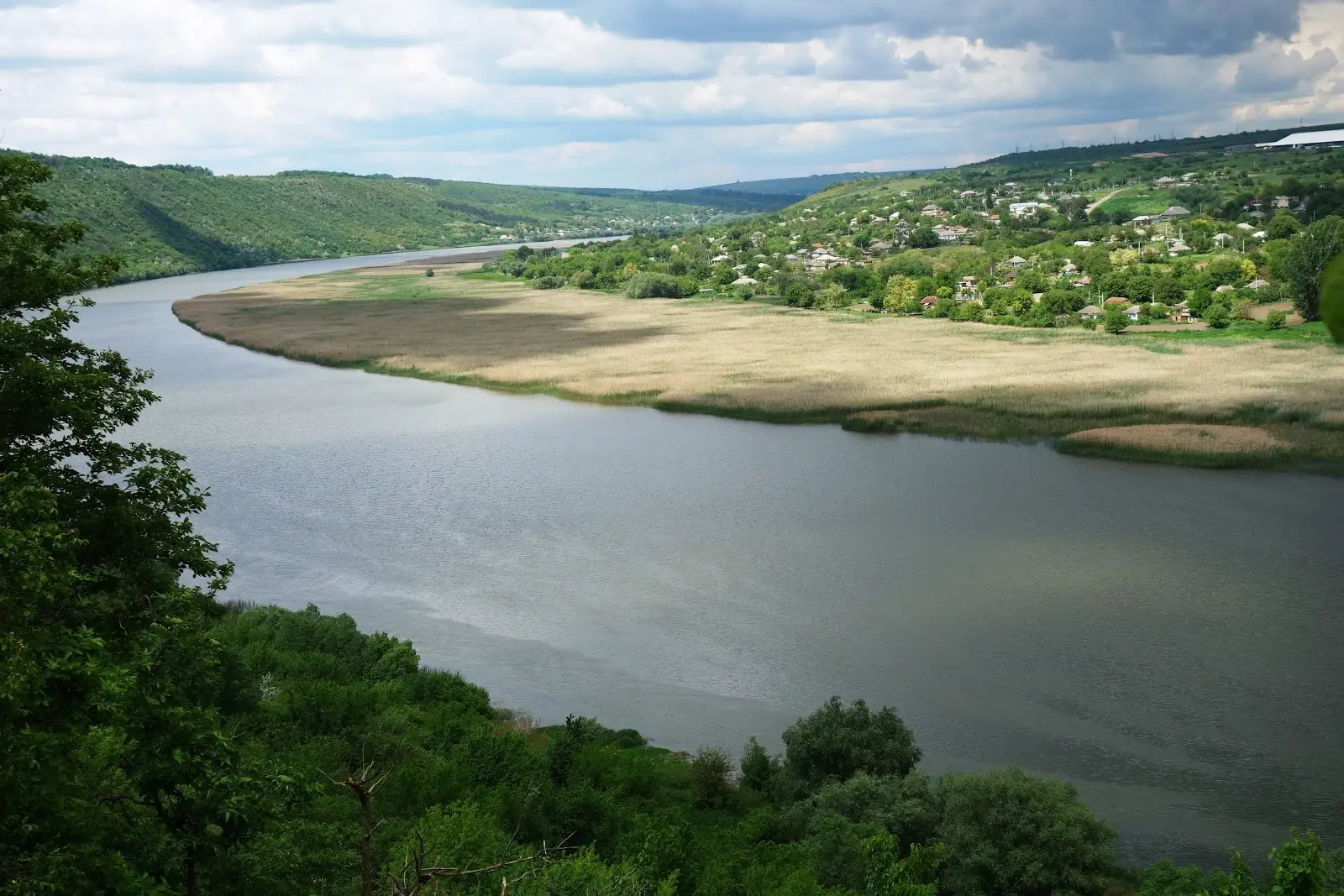
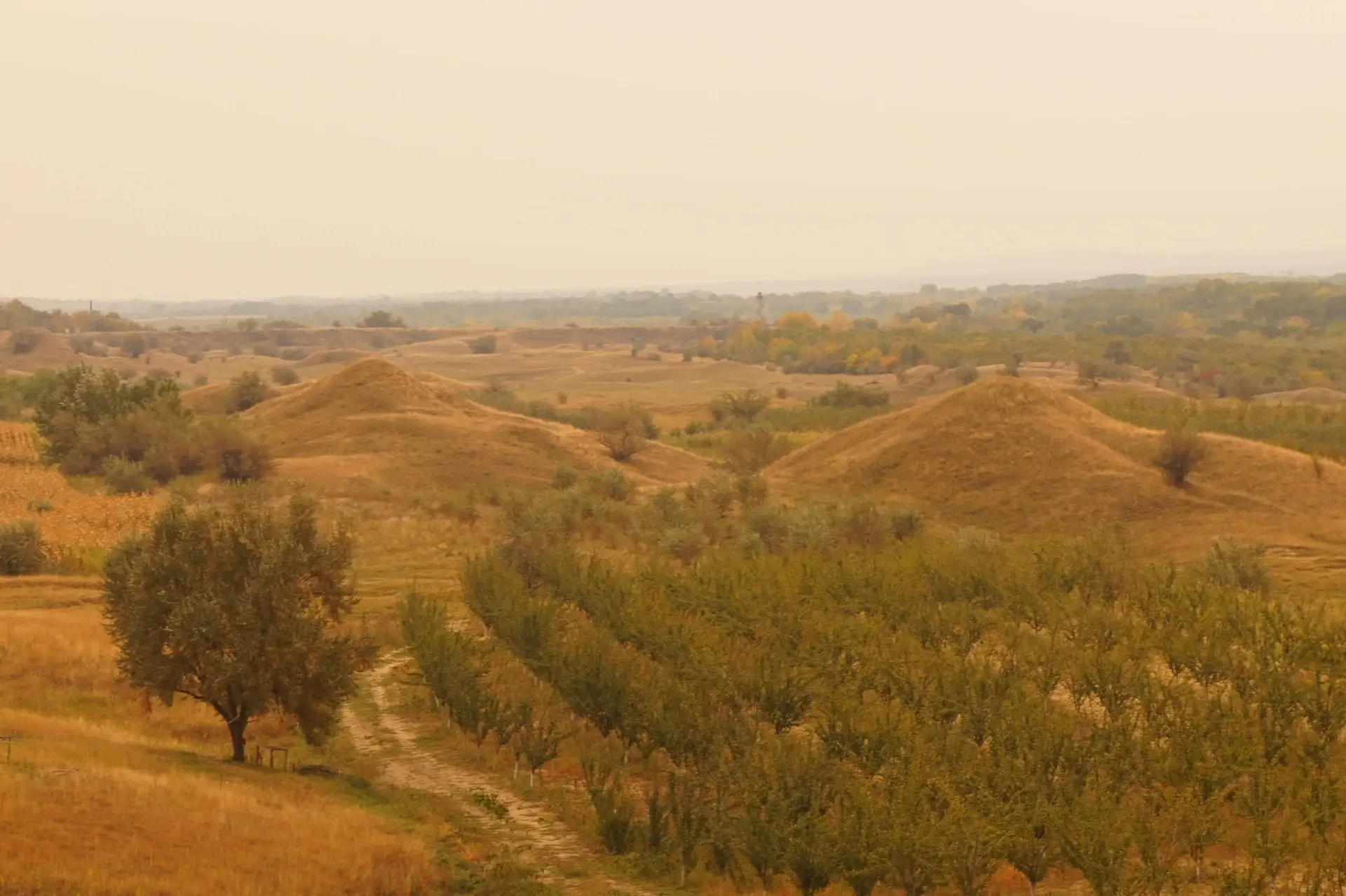
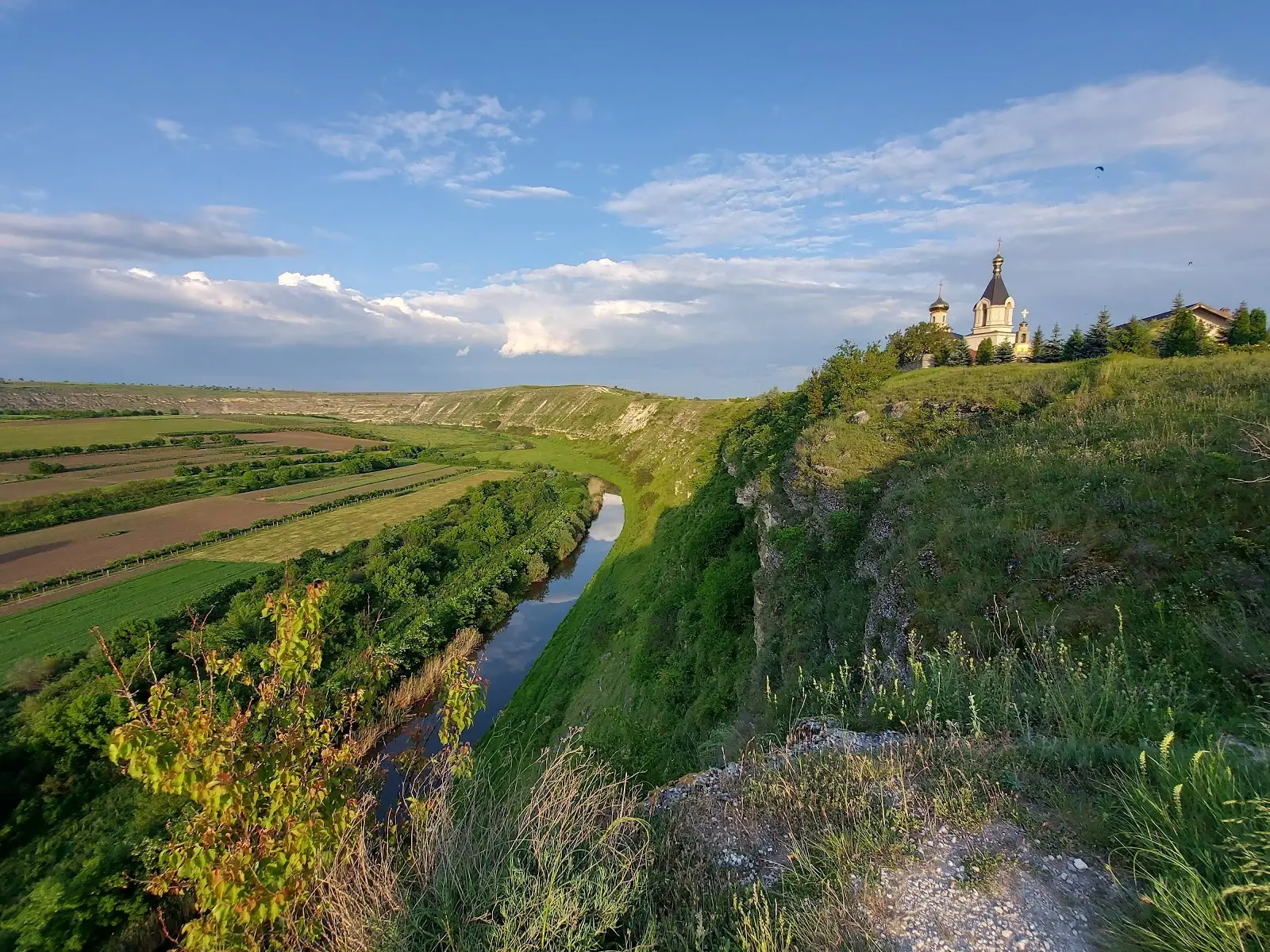
Trebujeni Nature Reserve encompasses the dramatic landscape surrounding the Old Orhei archaeological complex in the Orhei District, where the Raut River has carved a spectacular meander through limestone plateau creating towering cliffs and sheltered valleys. The reserve protects both the extraordinary geological formations and the rich biodiversity supported by the varied microhabitats within the canyon system. This area represents one of Moldova's most visually striking natural landscapes and one of its most significant cultural heritage sites.
Wildlife Ecosystems
The diverse habitats of the Raut River canyon support varied wildlife communities adapted to cliff, forest, grassland, and aquatic environments. Raptors including peregrine falcons, long-legged buzzards, and eagle owls utilize the cliff faces for nesting, while sand martins colonize exposed riverbank sediments in large numbers. The riverside vegetation shelters water voles and otters, and the surrounding steppe grasslands support populations of European sousliks and steppe polecats. Various fish species inhabit the Raut River, and the caves harbor several bat species including greater horseshoe bats.
Flora Ecosystems
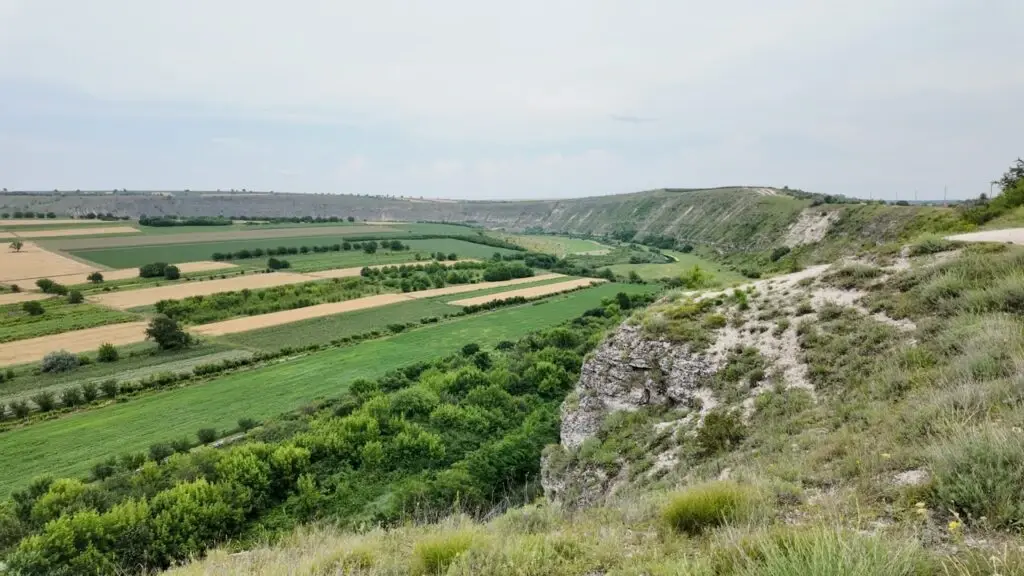
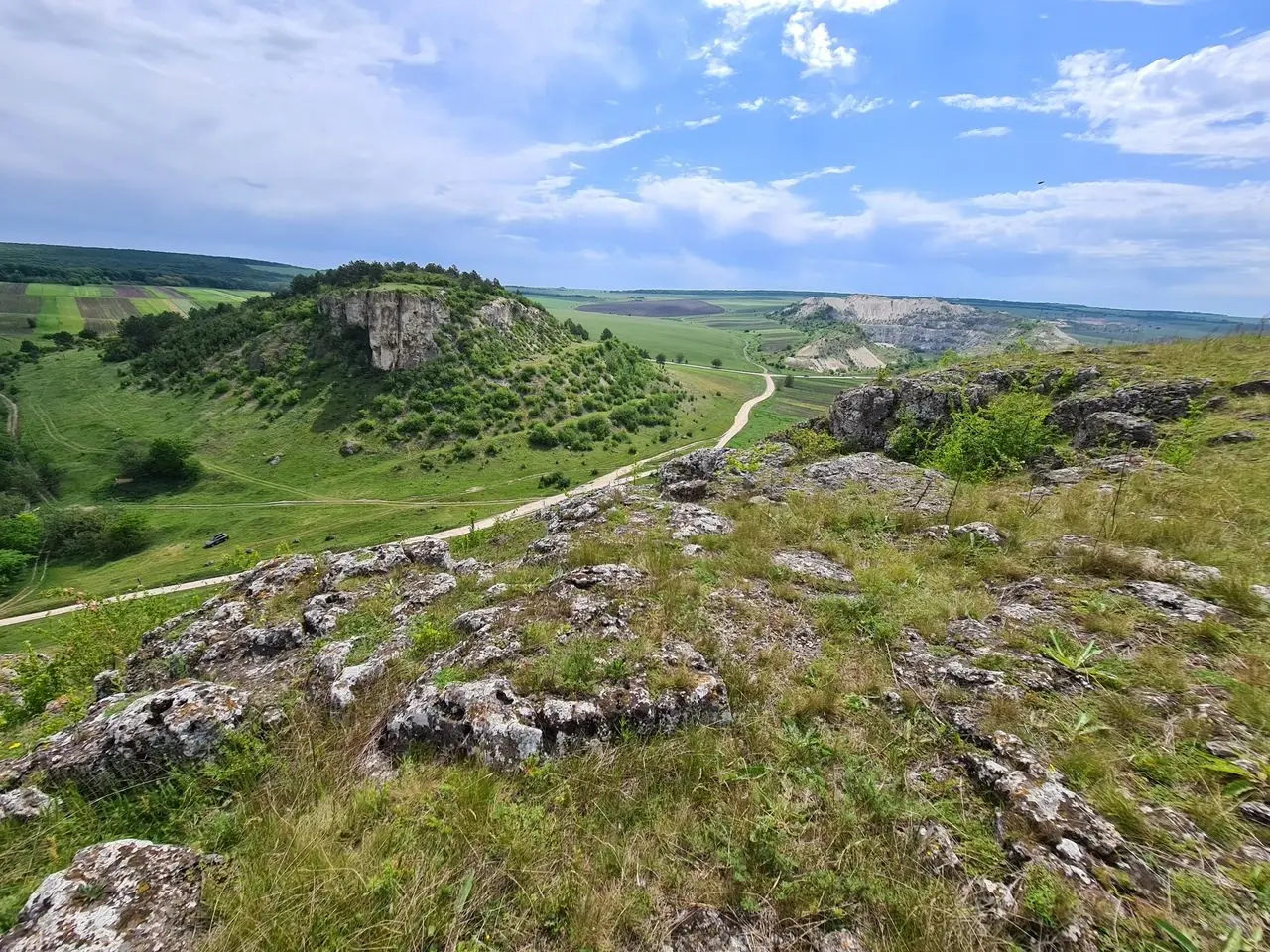
The limestone cliffs and canyon slopes of Trebujeni support an outstanding diversity of plant communities reflecting the varied aspects, substrates, and moisture conditions within the gorge system. Sun-baked south-facing cliffs host xerophytic communities with drought-adapted grasses, stonecrops, and several rare species of sub-Mediterranean affinity. Shaded north-facing slopes support mesophilic forest with ash, field maple, and linden. The plateau grasslands above the gorge contain species-rich steppe vegetation including feather grass, pasque flowers, and several orchid species that bloom prolifically in late spring.
Geology
The landscape at Trebujeni is defined by a deeply incised meander of the Raut River cutting through horizontal limestone beds, creating cliff faces up to 80 meters high on the outer bend. The exposed rock formations date from the Sarmatian stage of the late Miocene, consisting of reef limestone and associated marine sediments rich in fossil shells and coral fragments. Karst dissolution has produced numerous caves, rock shelters, and sinkholes that have been utilized by humans for millennia. The dramatic horseshoe bend creates an almost-island promontory that served as a natural fortress throughout history.
Climate and Weather
Trebujeni's canyon microclimate creates sheltered conditions warmer than the surrounding plateau, particularly on sun-facing slopes protected from cold northern winds. Summer temperatures in the canyon can reach 35 degrees Celsius on south-facing rocks, while the plateau above experiences more moderate conditions. Average annual precipitation of 450 to 500 millimeters is typical of eastern Moldova, with dry periods in late summer that stress vegetation on exposed limestone surfaces. The river canyon funnels winter winds, creating locally harsh conditions despite the otherwise sheltered aspect.
Human History
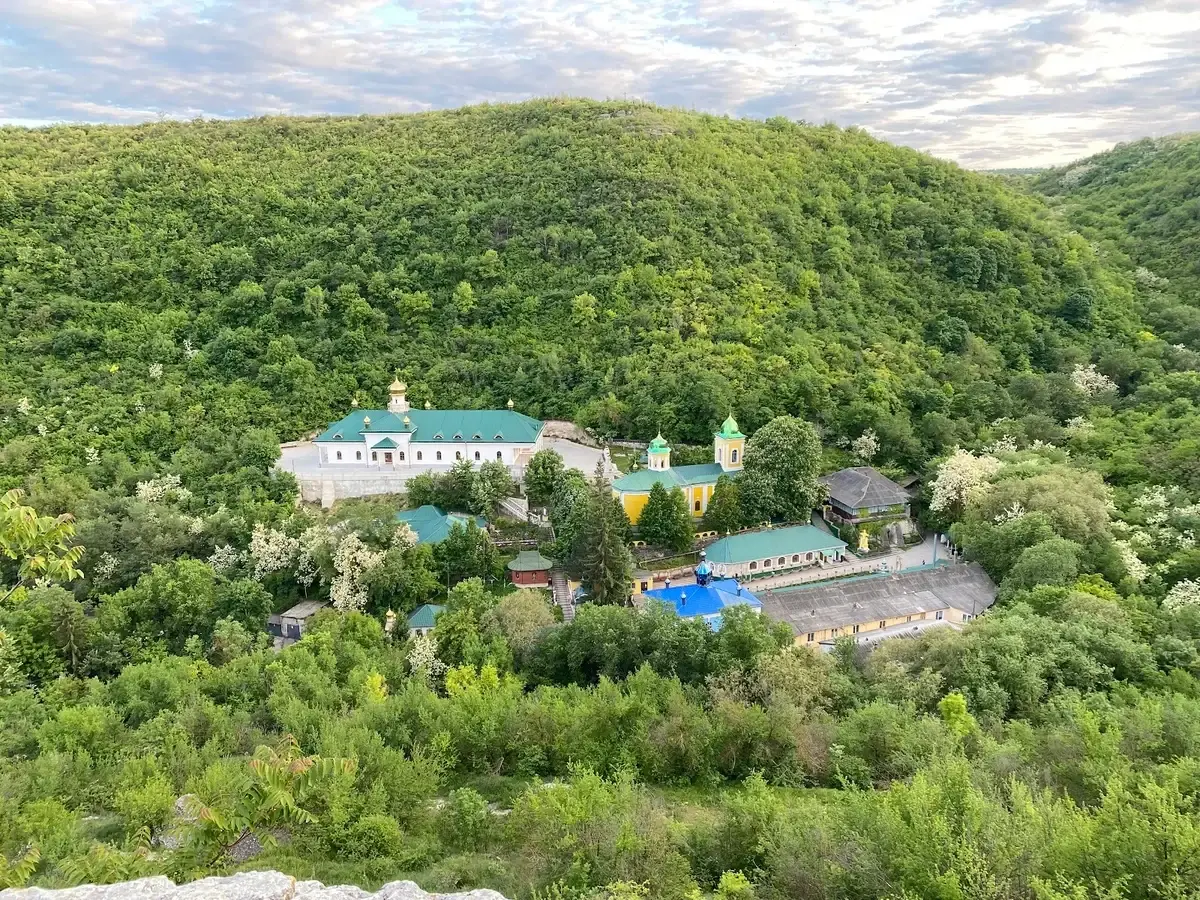
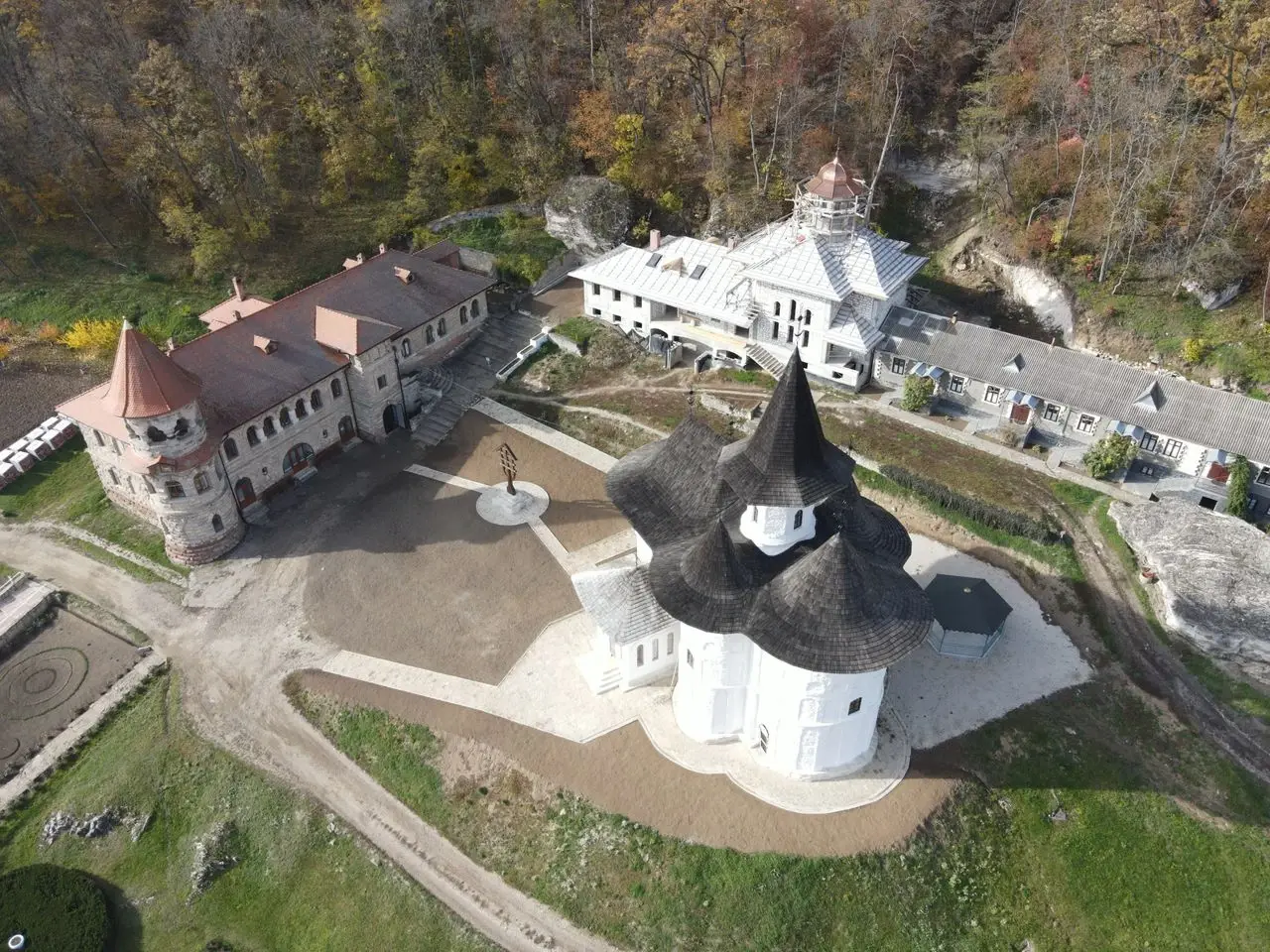
The Trebujeni area contains one of Moldova's richest concentrations of archaeological heritage, with continuous human habitation spanning from the Paleolithic through to the present day. The natural fortress created by the river meander attracted successive civilizations including Dacians, medieval Moldovans, Tatars, and Ottomans. The Old Orhei site includes a 13th-century Tatar town, a 14th-century Moldovan fortress, and the iconic Pestera Monastery carved into the cliff face overlooking the river. The landscape retains a timeless quality that evokes its layered history.
Park History
The area around Trebujeni received protection as part of the broader Old Orhei cultural-natural landscape, recognized during the Soviet period for both its archaeological significance and its natural heritage value. The nature reserve designation specifically protects the geological formations, cliff habitats, and grassland ecosystems that frame the cultural monuments. Since independence, Old Orhei has been on Moldova's Tentative List for UNESCO World Heritage status, and the nature reserve forms an integral part of the nominated landscape ensuring protection of its natural setting.
Major Trails and Attractions
The most iconic attraction is the Pestera Monastery, a cliff-face cave monastery with a distinctive bell tower visible from across the river valley, offering panoramic views of the Raut River meander far below. Trails descend from the plateau to the river level, passing through varied habitats and archaeological remains. The viewpoint above the horseshoe bend provides one of Moldova's most photographed landscapes. Seasonal highlights include spring wildflowers on the steppe grasslands, summer swimming in the river, and golden autumn colors on the forested slopes.
Visitor Facilities and Travel
Trebujeni is located approximately 60 kilometers north of Chisinau, making it one of Moldova's most accessible natural attractions for day trips from the capital. Regular marshrutka buses connect Chisinau to Trebujeni village, and the site is well-signposted. A small museum and visitor information point provides context on the cultural and natural history. The main trails are well-maintained, though descent to the river requires moderate fitness due to steep sections. Local guesthouses in Trebujeni and Butuceni villages offer overnight accommodation.
Conservation and Sustainability
Conservation management at Trebujeni must balance the protection of fragile cliff habitats and steppe grasslands with significant visitor pressure from domestic and international tourism. Key concerns include erosion of cliff paths from foot traffic, disturbance to nesting raptors during breeding season, and maintaining the steppe grassland through appropriate management to prevent scrub encroachment. An integrated management approach addresses both cultural monument preservation and natural habitat conservation, with tourism revenue providing some funding for ongoing maintenance and monitoring activities.
Photos
1 photo