Gebel Elba
Egypt, Red Sea, Aswan
About Gebel Elba
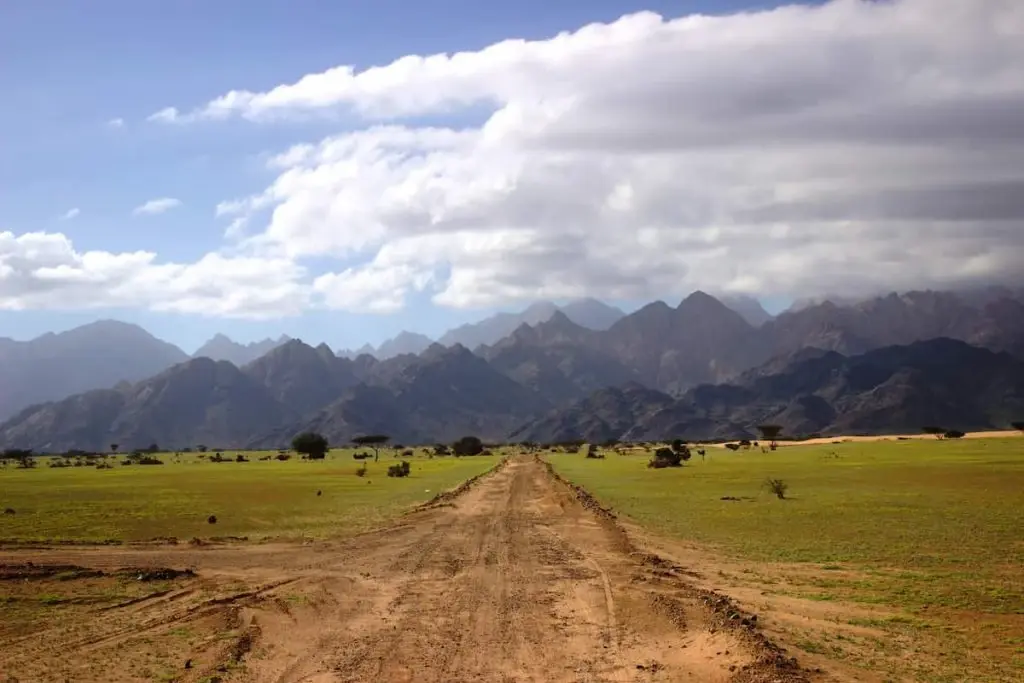
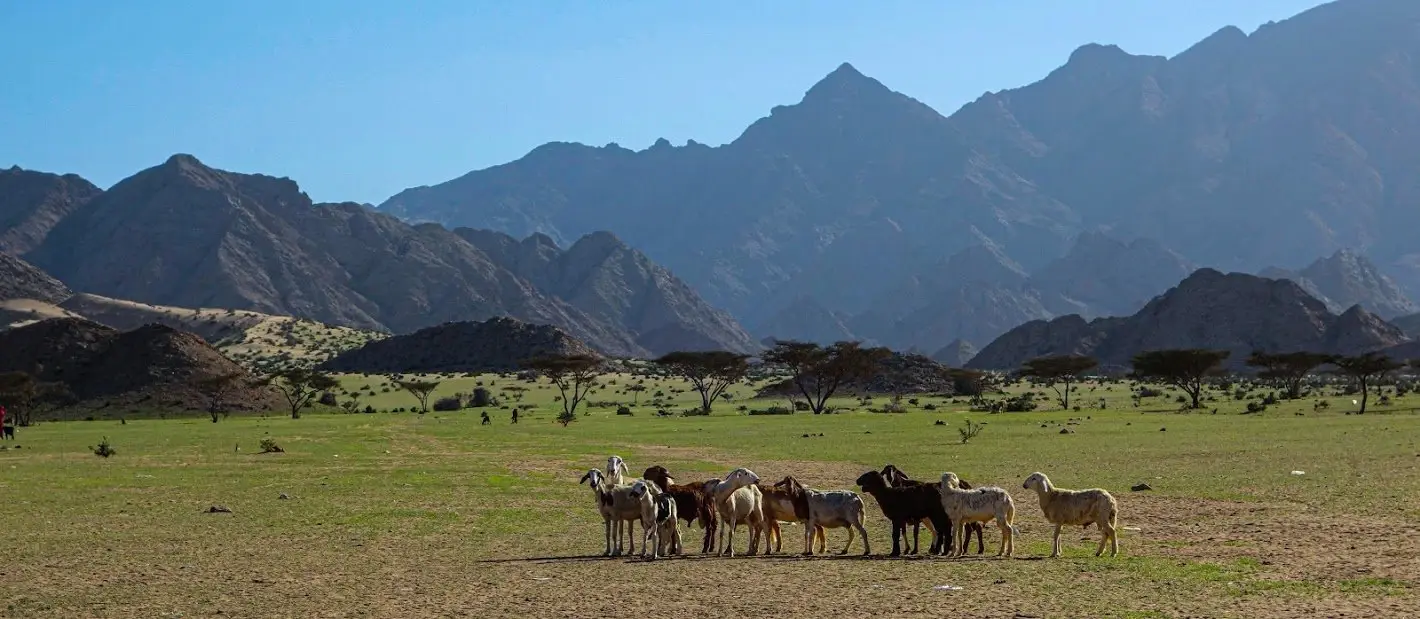
Gebel Elba National Park protects the dramatic Elba mountain massif and surrounding desert landscapes in Egypt's extreme southeast, near the Sudanese border along the Red Sea coast. Covering approximately 3,560 square kilometers and designated in 1986, this national park encompasses the highest point in Egypt's Eastern Desert at 1,435 meters. The mountain's unique ability to capture moisture from Red Sea fog creates a misty ecological island of lush vegetation surrounded by hyperarid desert, supporting an astonishing concentration of biodiversity including many Afrotropical species found nowhere else in Egypt.
Wildlife Ecosystems
Gebel Elba's fog-watered mountain ecosystem supports wildlife diversity unmatched elsewhere in Egypt's Eastern Desert. Key mammal species include Nubian ibex traversing the rocky slopes, Barbary sheep, Dorcas gazelle on the desert plains, and African wildcat in the mountain thickets. The avifauna exceeds 200 species, including Verreaux's eagle, lappet-faced vulture, and several Afrotropical species at the northern limit of their range. The marine zone supports dugongs in seagrass beds, dolphins, sea turtles, and whale sharks. Offshore islands host breeding colonies of sooty gulls, white-eyed gulls, and other seabirds.
Flora Ecosystems
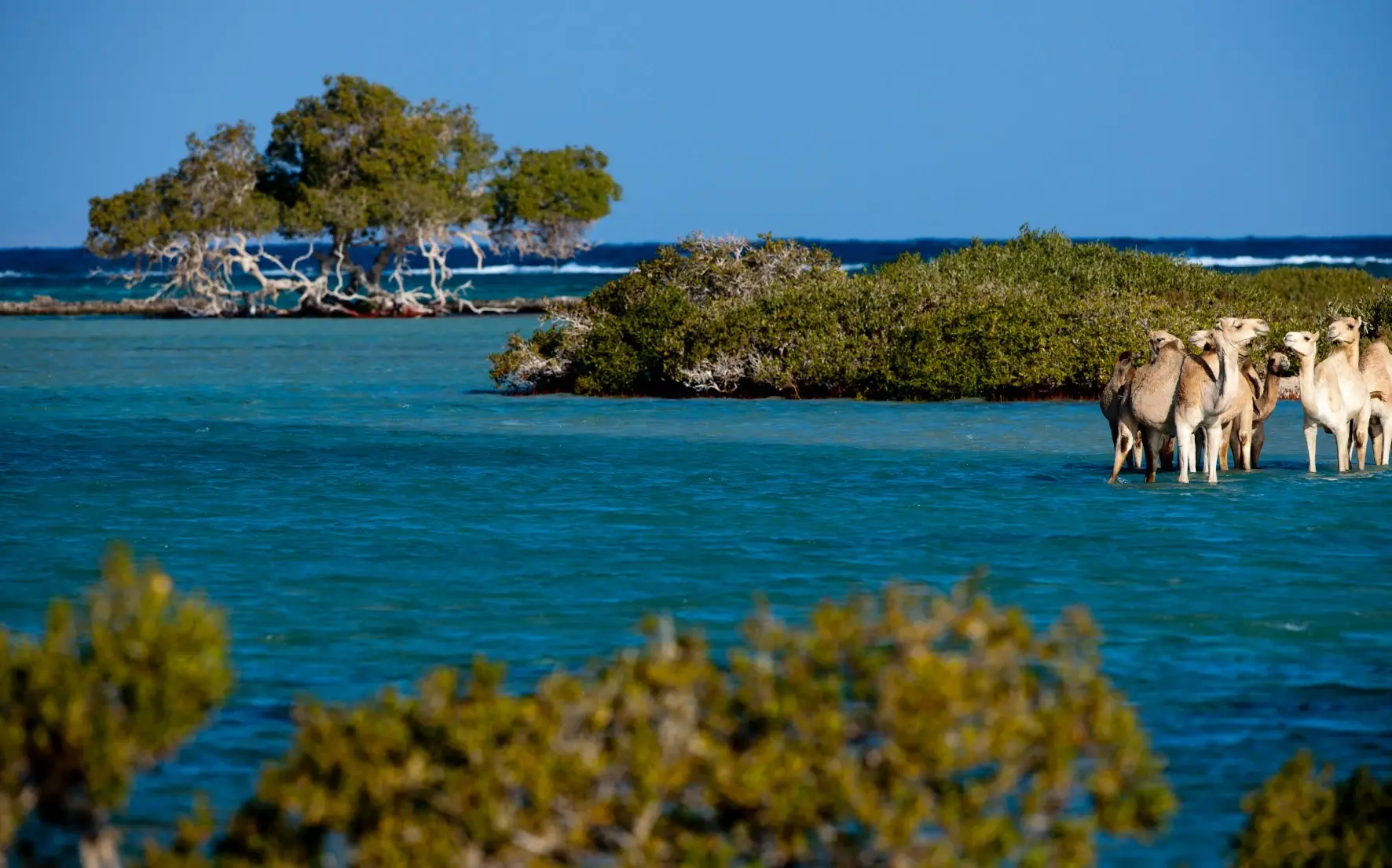
With over 458 recorded plant species, Gebel Elba contains nearly a third of Egypt's entire flora within a single protected area. The fog forest at higher elevations features remarkable species including Dracaena ombet (dragon blood tree), wild olive, and dense Euphorbia thickets. The mid-slopes support acacia-Commiphora woodland with Sudanian affinities. Coastal areas feature Egypt's largest and healthiest mangrove forests of Avicennia marina, vital as fish nurseries and bird habitat. The fog precipitation, which supplements meager rainfall, sustains plant communities that appear impossibly lush given the regional aridity. Many species are endemic to the Red Sea Hills region.
Geology
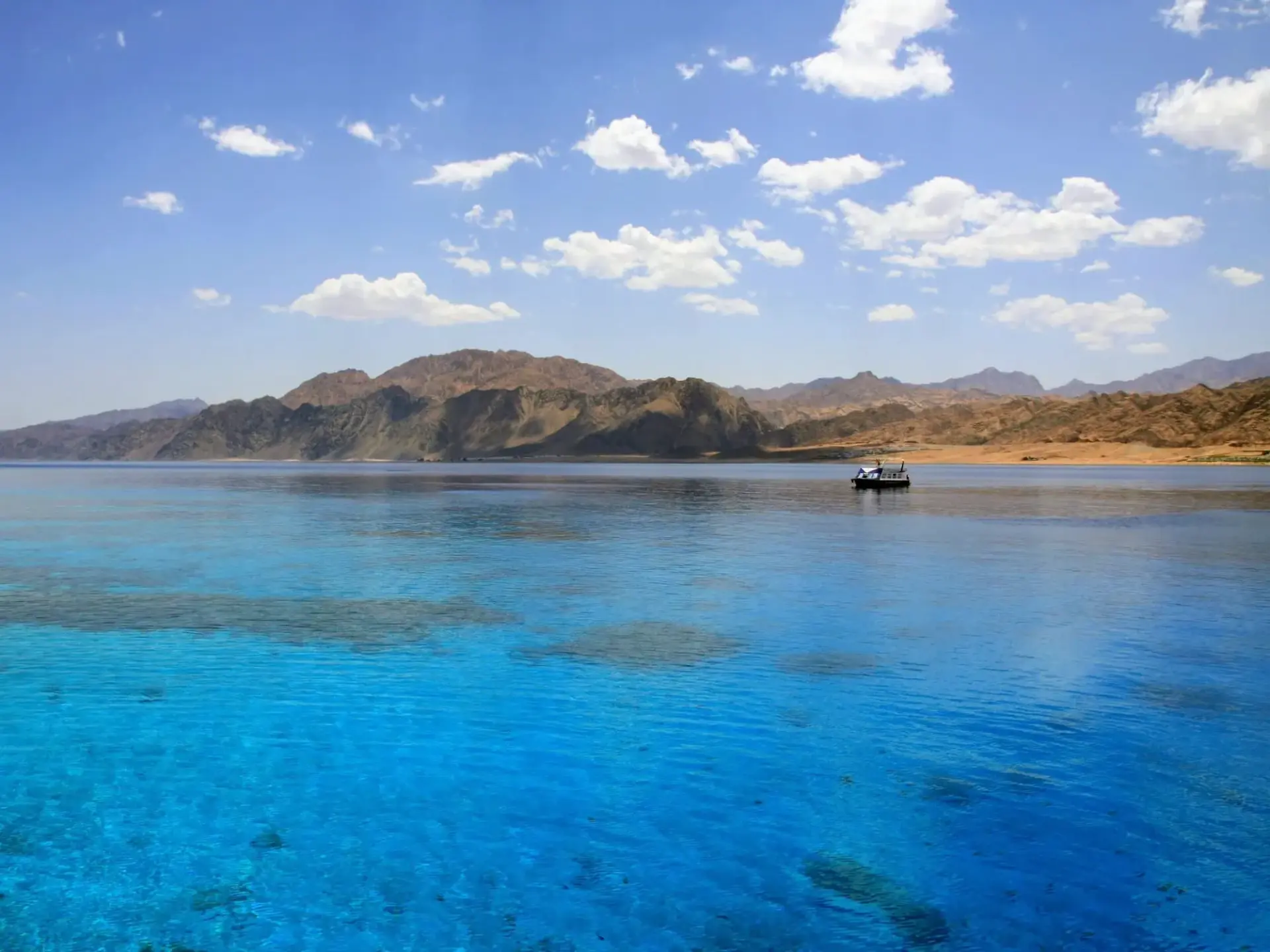
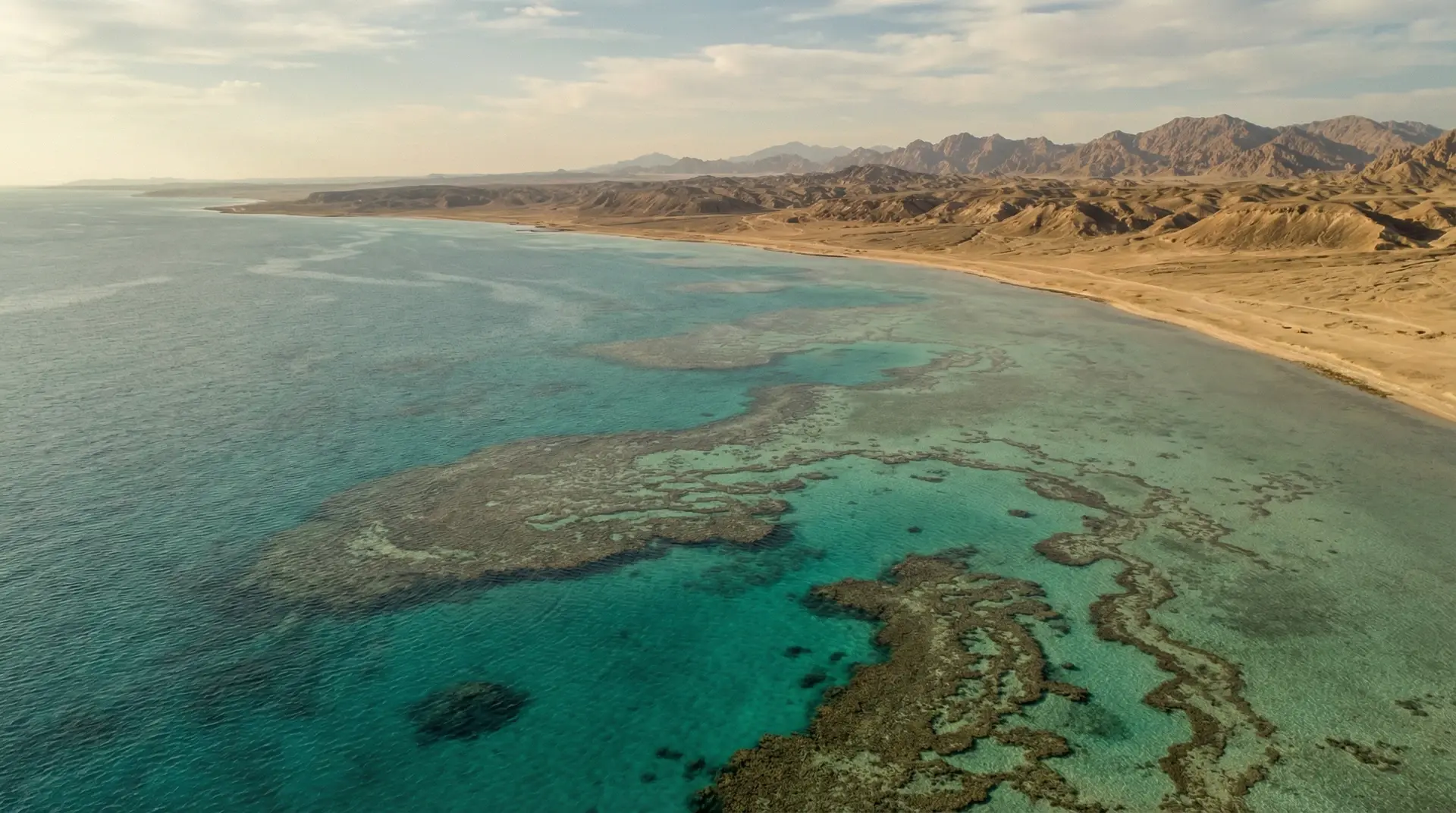
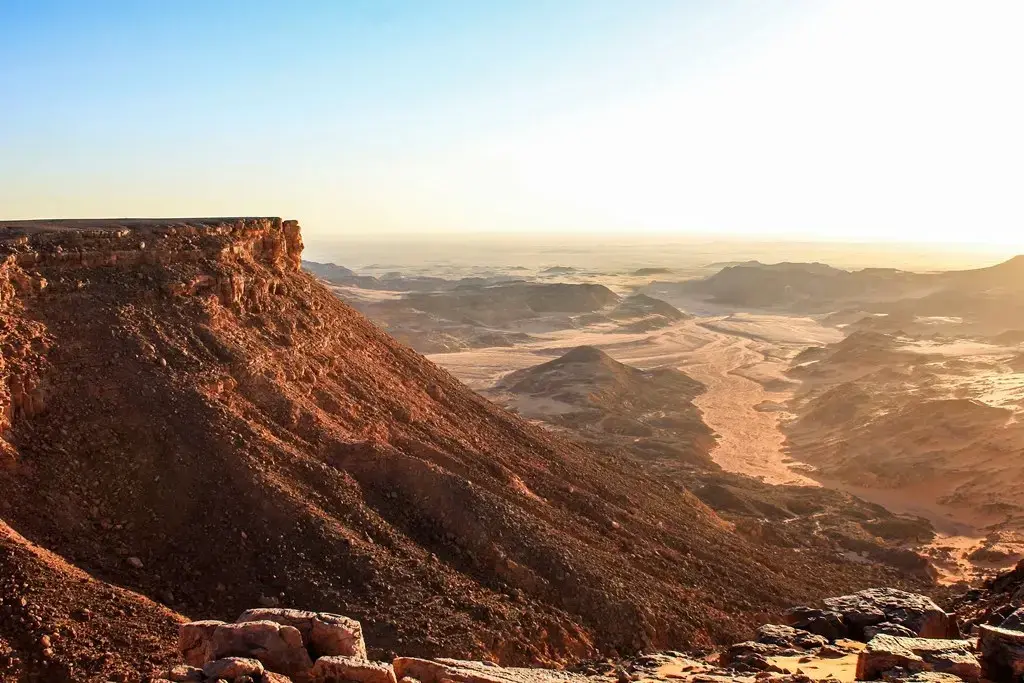
Gebel Elba is composed of Precambrian crystalline basement rocks including granites, gneisses, and metamorphic schists dating to 600-900 million years ago, part of the Arabian-Nubian Shield exposed by Red Sea rifting. The mountain massif rises sharply from the coastal plain through a series of steep wadi valleys that drain toward the Red Sea. Raised coral terraces along the coast record Pleistocene sea-level fluctuations, while active fringing reefs line the present shoreline. The geology includes mineralized zones that attracted ancient miners seeking gold and emeralds. Offshore islands are coral-capped formations rising from the continental shelf.
Climate and Weather
Gebel Elba's climate is dominated by its unique fog-capture phenomenon, where moisture-laden air from the Red Sea rises along the mountain slopes and condenses into fog and low cloud. This orographic fog occurs year-round but is most frequent in winter, effectively doubling the moisture available to vegetation beyond what rainfall alone provides. Coastal temperatures range from 20°C in winter to over 35°C in summer, while mountain summits are notably cooler. Annual rainfall is low at 50-100mm on the peaks, but fog drip moisture makes the effective precipitation significantly higher, supporting the mountain's lush vegetation.
Human History
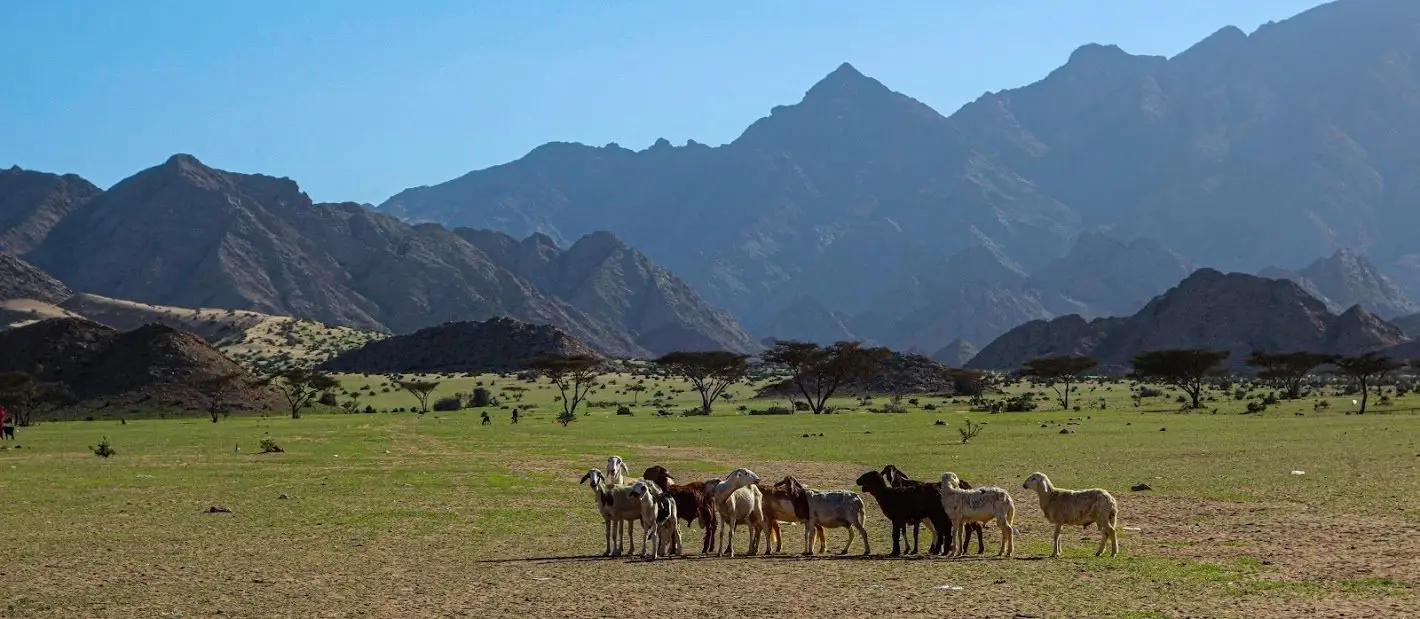
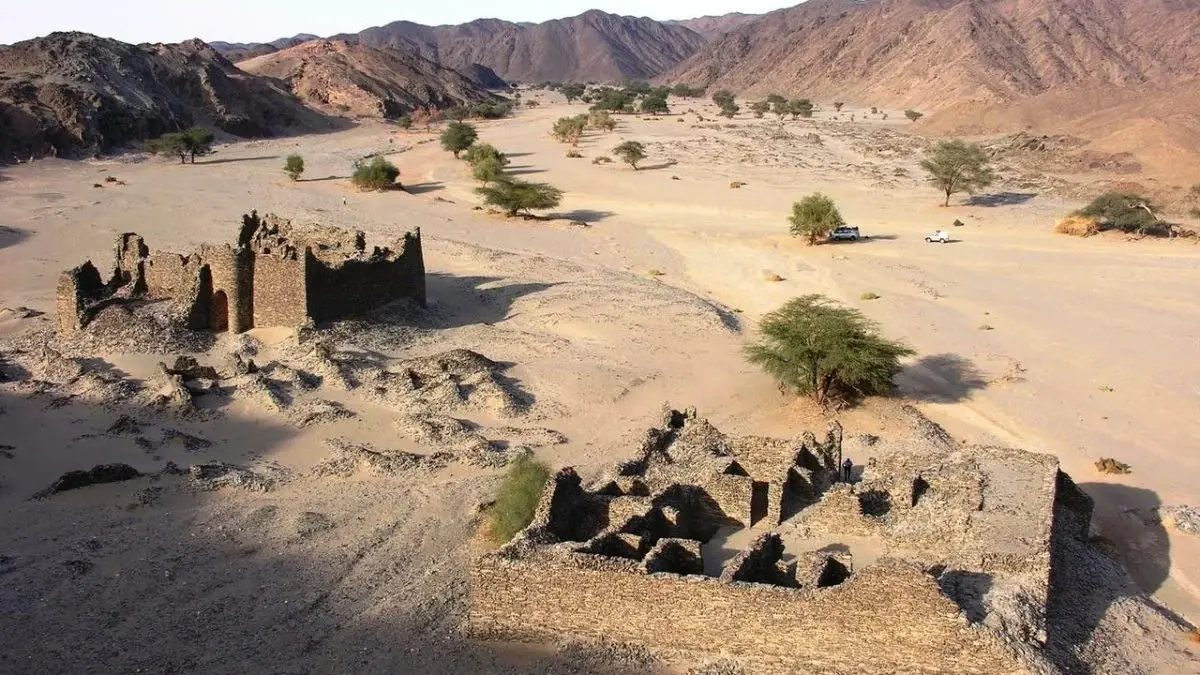
The Gebel Elba region has been home to the Ababda and Bisharin peoples for centuries, maintaining pastoral livelihoods centered on the mountain's water and grazing resources. Ancient Egyptian expeditions journeyed to the region seeking gold, emeralds, and exotic goods, with mining remains scattered throughout the area. The region may have been part of the legendary Land of Punt, an important trading partner of pharaonic Egypt. Roman-era emerald mines at Sikait and Nugrus lie within the broader region. During colonial times, the Hala'ib Triangle area including Gebel Elba became disputed between Egypt and Sudan, a situation that persists today.
Park History
Gebel Elba was first identified as worthy of protection in the 1930s by researchers who recognized its extraordinary biodiversity. The Egyptian government designated the area as a national park in 1986 under the Egyptian Environmental Affairs Agency. However, effective management has been limited by the extreme remoteness, the contested border status within the Hala'ib Triangle, and the lack of infrastructure. Several biodiversity surveys by Egyptian and international scientists have documented the area's unique ecological value. The park remains one of the least visited and most pristine protected areas in North Africa, preserved largely by its inaccessibility.
Major Trails and Attractions
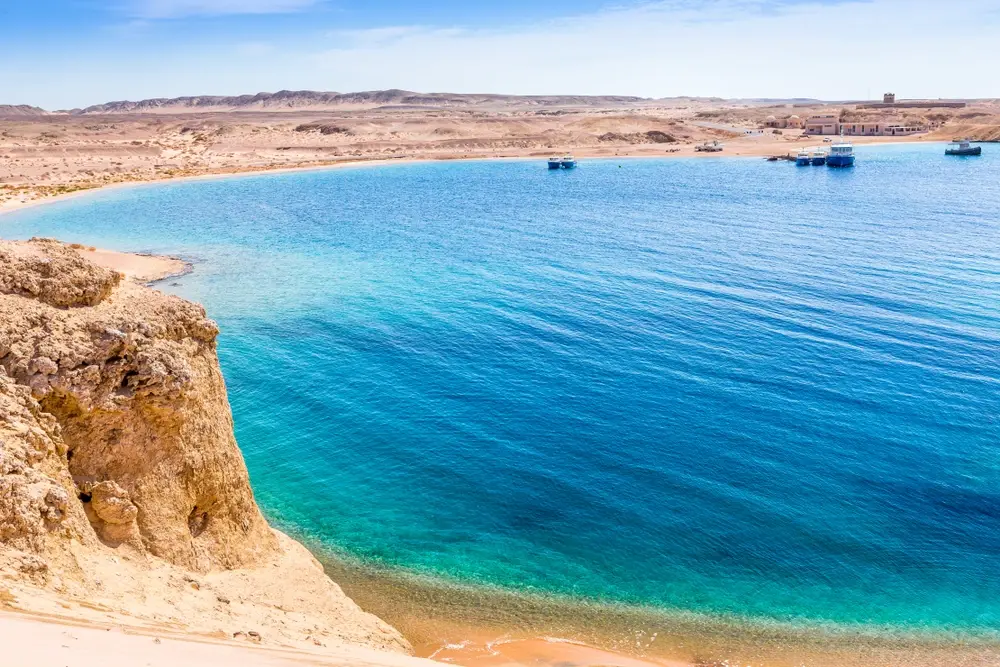
The ascent of Gebel Elba through successive vegetation zones from desert scrub to fog forest is the park's signature experience, offering encounters with Dracaena trees and lush vegetation in an improbable desert setting. The coastal mangroves can be explored by boat, providing views of shorebirds and marine life. Pristine Red Sea coral reefs accessible from the coastline offer world-class diving in virtually untouched waters. The ancient mining sites, including Roman-era emerald mines, provide archaeological interest. The stark beauty of the Eastern Desert, punctuated by dramatic wadis and mountain panoramas, appeals to adventurous travelers.
Visitor Facilities and Travel
Gebel Elba is extremely remote and requires expedition-level planning to visit. The nearest significant town is Marsa Alam, approximately 350 kilometers north along the Red Sea coast, accessible by air from Cairo. From Marsa Alam, reaching the park requires 4x4 vehicles and multiple days of desert travel along rough tracks. There are no visitor facilities, fuel stations, or accommodation within the park. Military permits are required for the border region, and the Hala'ib Triangle's political sensitivity adds administrative complexity. Visitors must be completely self-sufficient with water, food, fuel, and camping equipment.
Conservation and Sustainability
Gebel Elba faces conservation threats from overgrazing of mountain vegetation by goats and camels, charcoal production from slow-growing trees, illegal hunting, and unregulated collection of medicinal plants. Climate change could alter the fog patterns that sustain the mountain ecosystem, with potentially devastating consequences for the fog forest. The Hala'ib Triangle border dispute complicates management authority and resource allocation. Marine threats include overfishing and potential future coastal development. Conservation efforts are led by the EEAA with support from international organizations and focus on community engagement, sustainable grazing management, and biodiversity monitoring.
Photos
1 photo