Ras Mohammed
Egypt, South Sinai
About Ras Mohammed
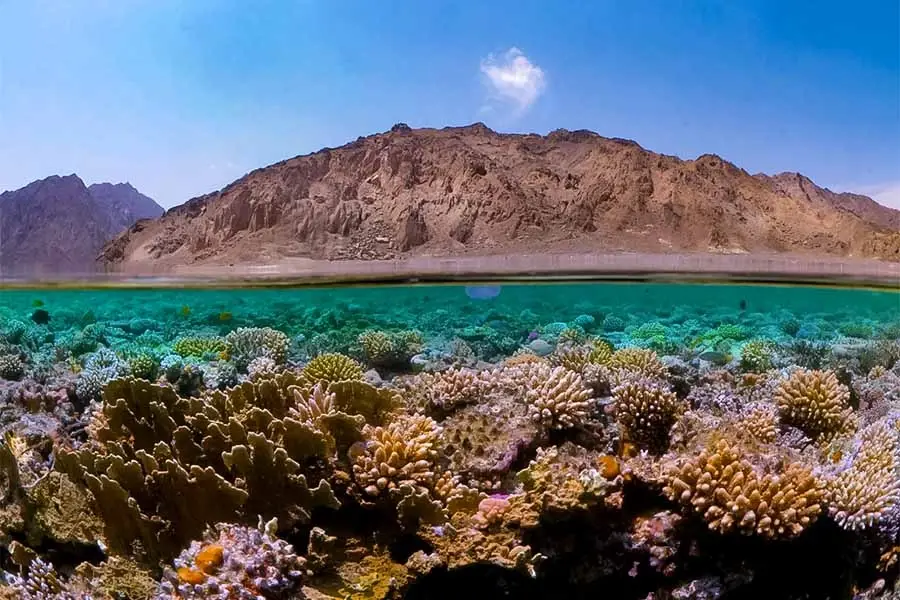
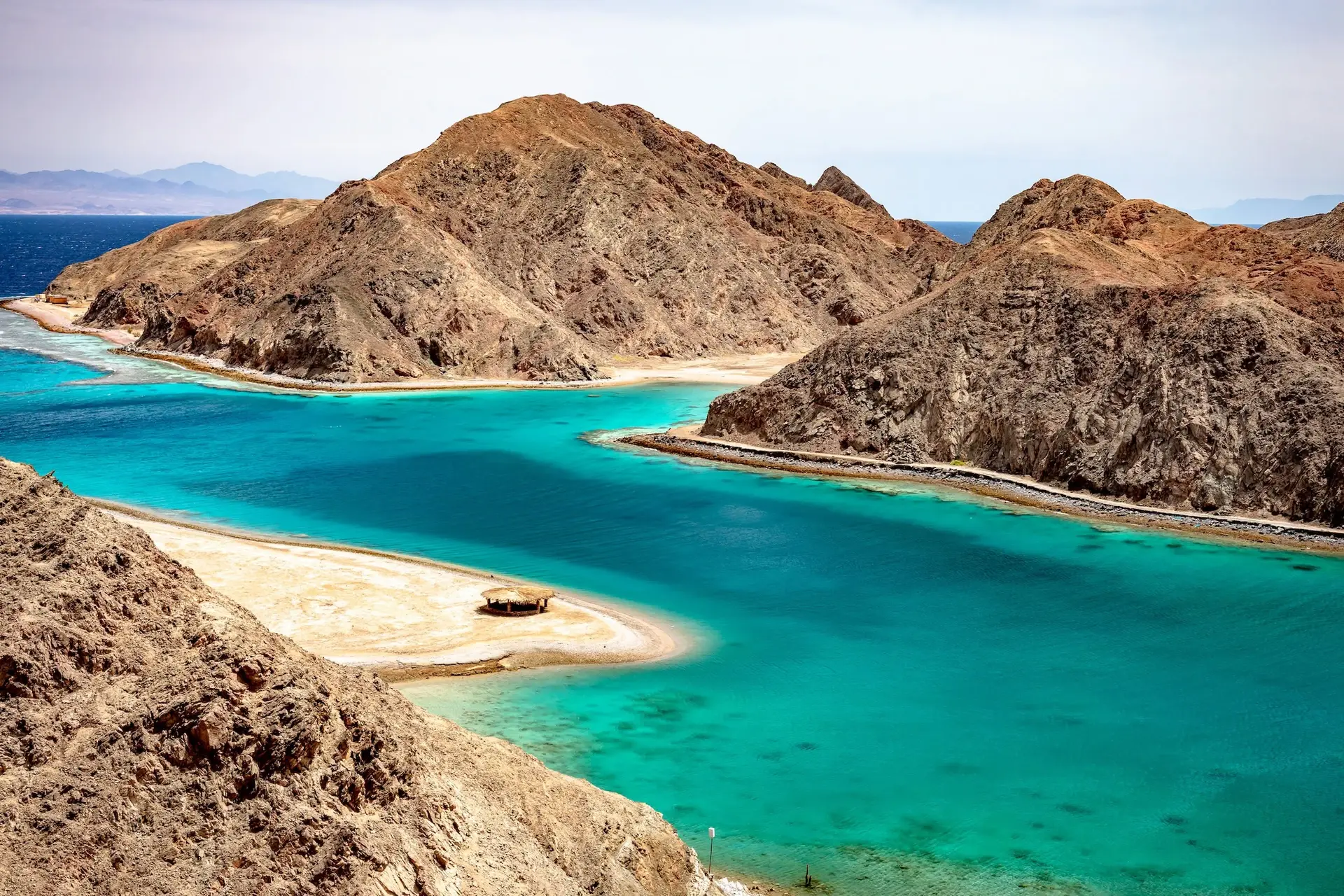
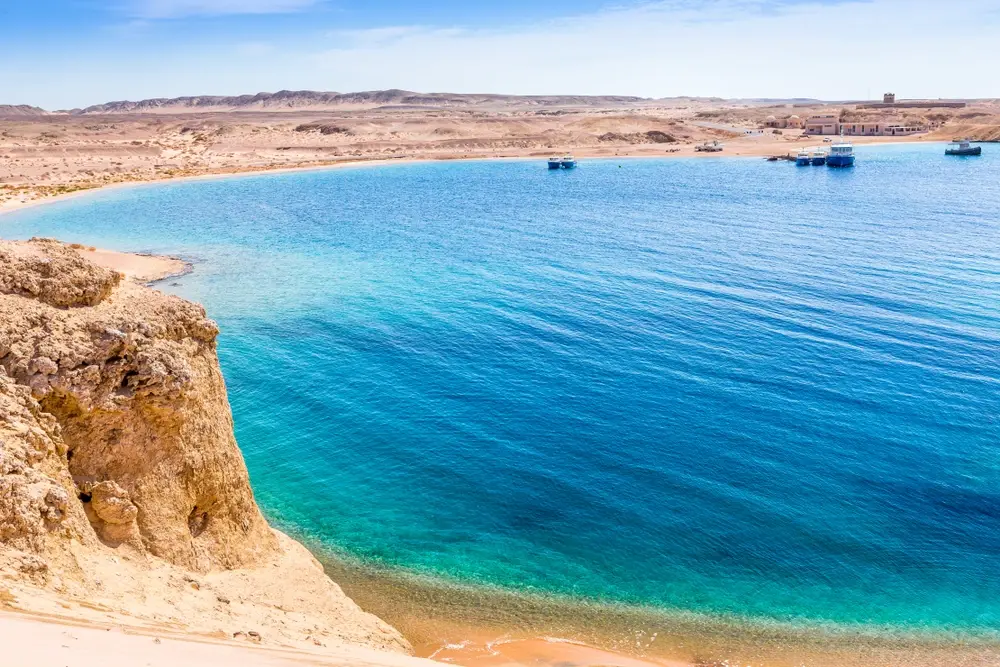
Ras Mohammed National Park, located at the southern tip of the Sinai Peninsula where the Gulf of Suez meets the Gulf of Aqaba, is Egypt's oldest and most famous marine protected area. Established in 1983 and covering approximately 480 square kilometers of land and sea, the park protects some of the world's finest coral reef systems, dramatic coastal cliffs, mangrove wetlands, and desert landscapes. Ras Mohammed is consistently ranked among the top diving destinations globally, with its reef walls, coral gardens, and abundant marine life attracting hundreds of thousands of visitors annually.
Wildlife Ecosystems
Ras Mohammed's marine biodiversity is extraordinary, with over 220 species of coral and more than 1,000 species of fish recorded. The reef ecosystem supports sharks including white-tip reef sharks and hammerheads, along with moray eels, Napoleon wrasse, and vast schools of barracuda, snapper, and anthias. Green and hawksbill sea turtles nest on the beaches and graze in the shallows. Dolphins are frequently encountered in the deeper waters. On land, the desert terrain hosts Dorcas gazelle, red fox, rock hyrax, and over 150 bird species including ospreys, white-eyed gulls, and migratory raptors.
Flora Ecosystems
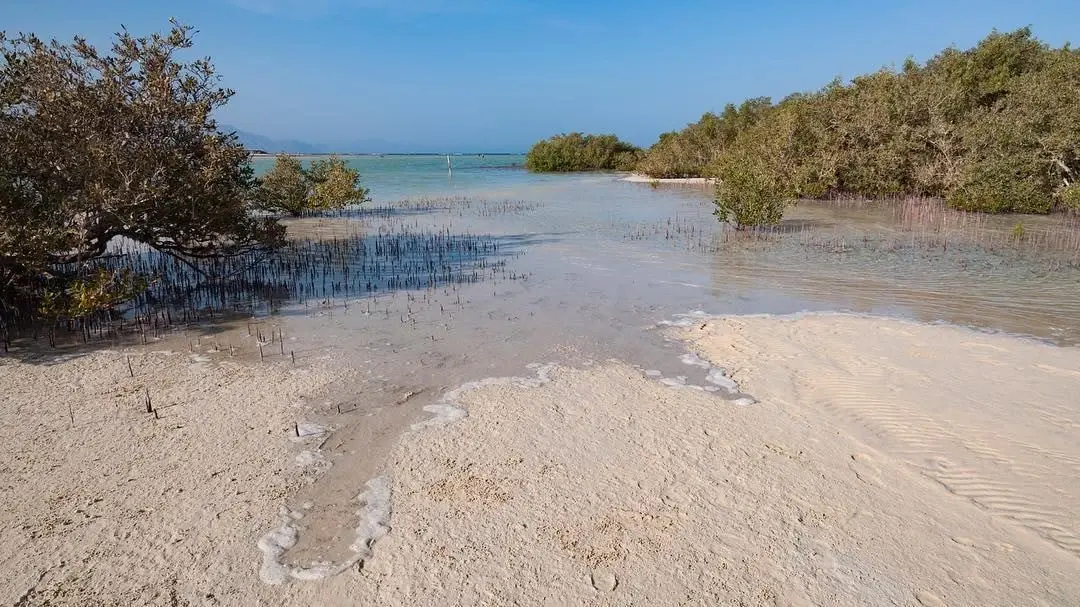
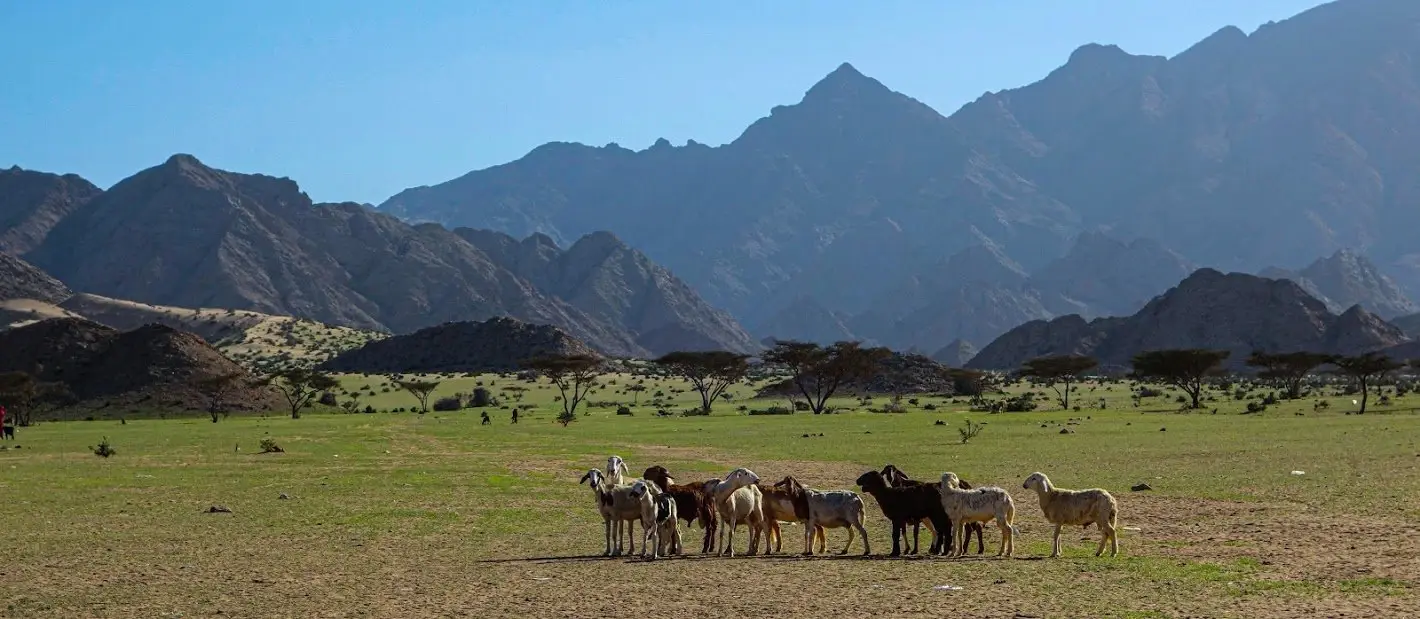
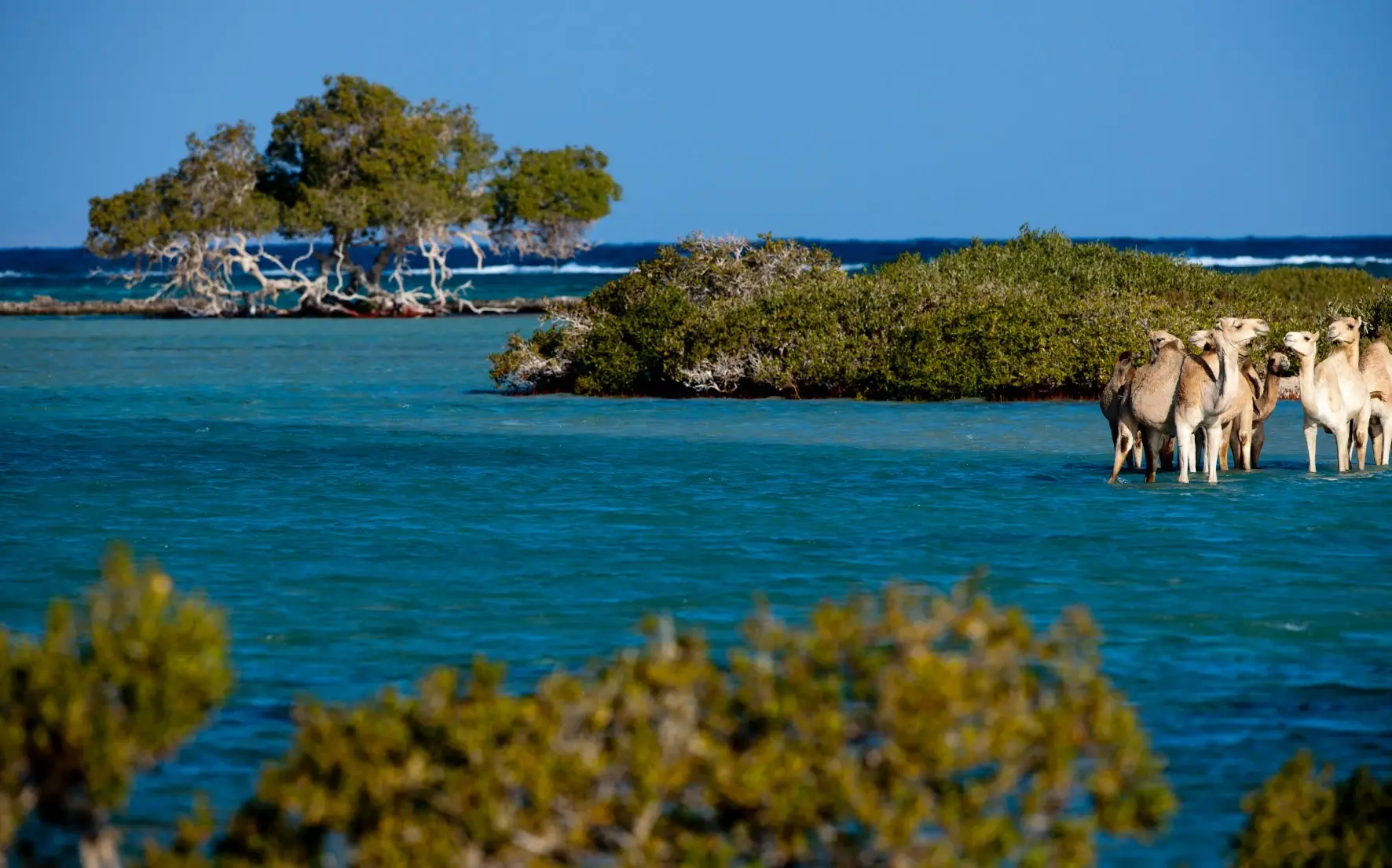
The terrestrial vegetation of Ras Mohammed is sparse, adapted to the extreme aridity of the southern Sinai coast. Mangrove stands of Avicennia marina grow in sheltered channels, particularly in the southern area, providing nursery habitat for marine species. Inland, halophytic shrubs, drought-adapted grasses, and scattered acacias survive in wadi channels. The Hidden Bay mangrove area is ecologically significant as one of the southernmost points on the Sinai coast where mangroves grow. The marine flora includes extensive seagrass beds of Halophila stipulacea that provide grazing for sea turtles and habitat for juvenile fish and invertebrates.
Geology
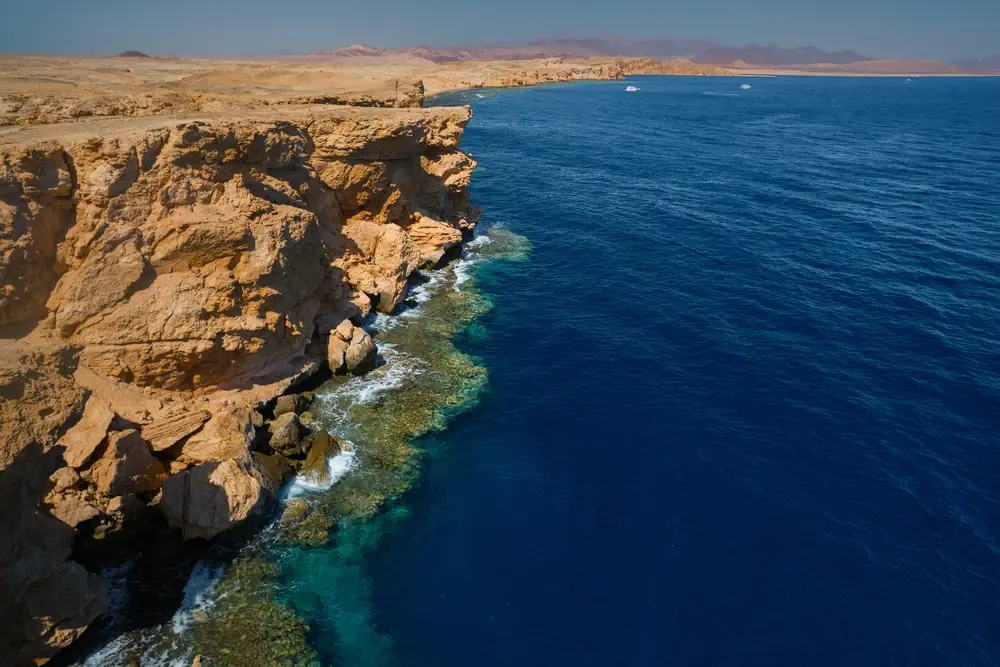
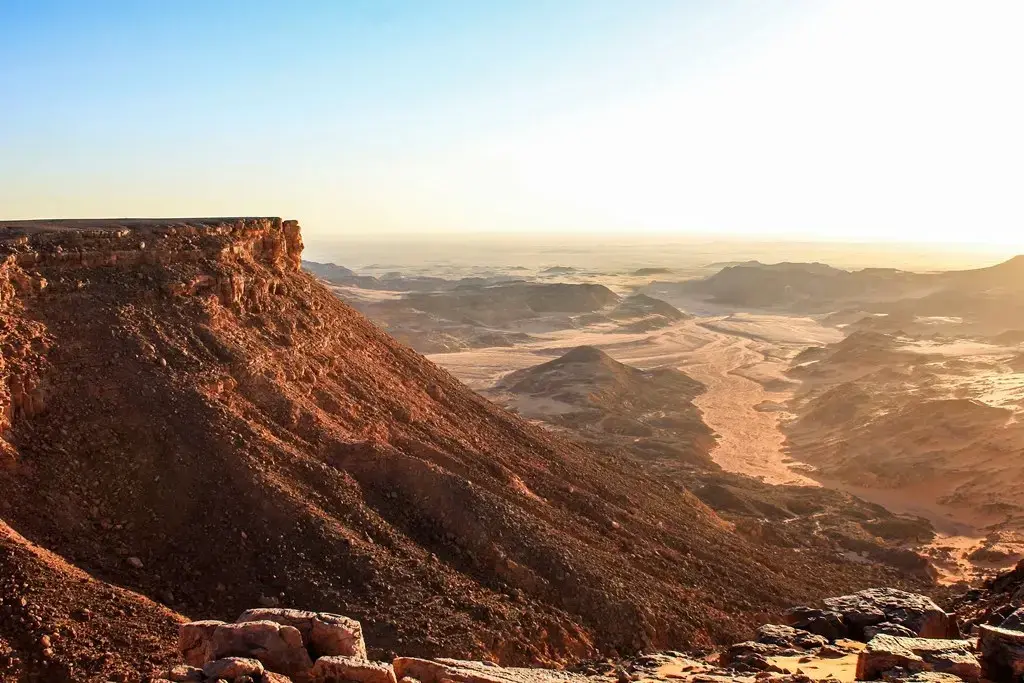
Ras Mohammed's dramatic landscape is shaped by the intersection of two tectonic features: the Gulf of Suez rift and the Gulf of Aqaba transform fault. The headland consists of raised fossil coral reef formations from the late Pleistocene, now elevated several meters above sea level. These ancient reef platforms are visible along the coastline, displaying fossil corals that lived thousands of years ago. The current reef system extends along steep submarine walls that plunge to depths exceeding 700 meters in the adjacent rift valleys. Earthquake Fault, a cleft that runs through the headland, provides dramatic evidence of the active tectonic forces shaping the region.
Climate and Weather
Ras Mohammed has a hot desert climate moderated by its peninsular position between two seas. Summer temperatures reach 35-40°C with high humidity. Winters are warm and pleasant with temperatures of 20-25°C, making the park a year-round destination. Annual rainfall is negligible, averaging less than 15mm. Strong winds can develop, particularly from the north in winter, creating choppy sea conditions that occasionally restrict diving. Sea temperatures range from 21°C in February to 28°C in August, supporting tropical marine life at an unusually high latitude. The clear waters provide exceptional underwater visibility often exceeding 30 meters.
Human History
The Ras Mohammed area has been known to seafarers for millennia as the treacherous southern tip of the Sinai where the two gulfs meet, creating strong currents and changeable conditions. Ancient Egyptian, Roman, and Arab navigators referenced the headland in their maritime records. The area was strategically important during various conflicts due to its position overlooking the shipping lanes of both gulfs. During the Israeli occupation of Sinai from 1967 to 1982, the diving community began to discover the extraordinary quality of the reef systems, laying the groundwork for the area's international fame as a dive destination.
Park History
Ras Mohammed was designated as Egypt's first national park in 1983, shortly after the Sinai was returned to Egypt following the Camp David Accords. The park was established with the dual purpose of protecting the marine ecosystem and demonstrating Egypt's commitment to environmental conservation in the newly recovered territory. International support, particularly from the European Union, helped develop management infrastructure and marine research programs. The park became a model for marine protected area management in the Red Sea region and has been progressively expanded to include additional marine areas and terrestrial habitats.
Major Trails and Attractions
The park's world-famous dive sites include Shark Reef and Yolanda Reef, where a sheer coral wall drops into the deep blue, regularly visited by schools of jackfish, barracuda, and reef sharks. The wreckage of the cargo ship Yolanda, scattered along the reef, creates an unusual underwater landscape. Ras Ghozlani offers spectacular snorkeling in shallow coral gardens. On land, the Magic Bay and Hidden Bay mangrove areas provide unique terrestrial exploration. Earthquake Fault offers a dramatic geological walk through a tectonic cleft. The headland viewpoint provides panoramic vistas across both gulfs of the Red Sea.
Visitor Facilities and Travel
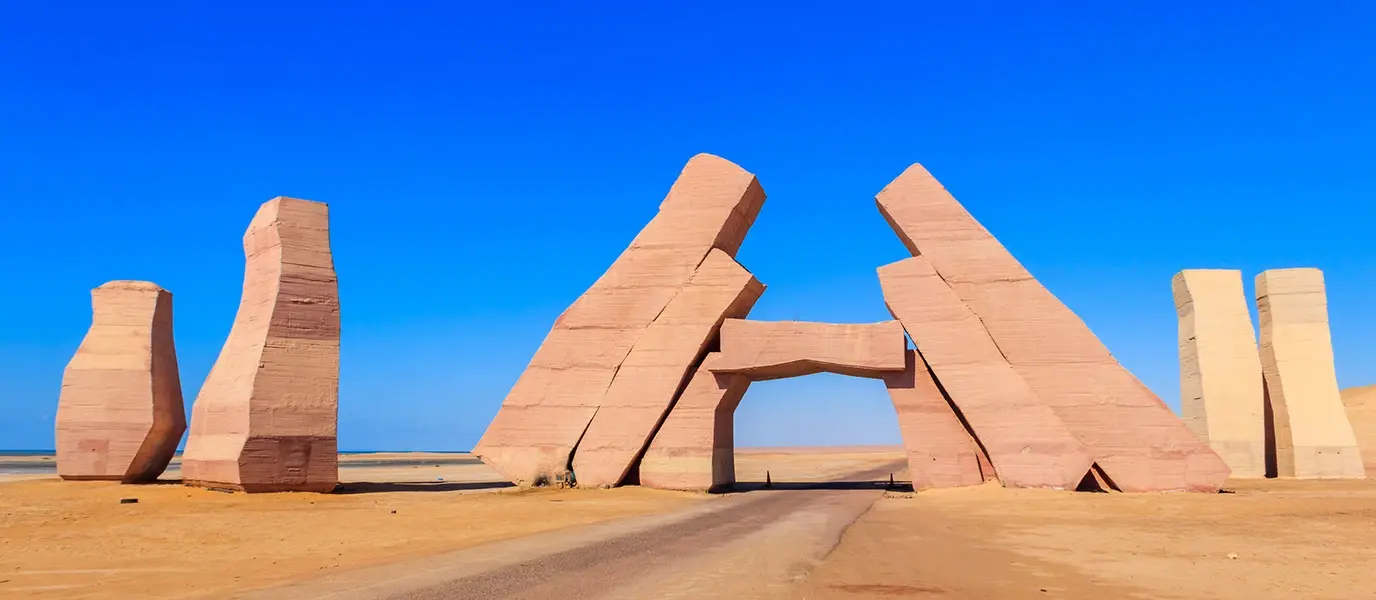
Ras Mohammed is located approximately 20 kilometers south of Sharm el-Sheikh, accessible by paved road. The park has a well-developed entrance facility with a visitor center, interpretive displays, and park rangers. Inside, designated beach and snorkeling access points have changing facilities and shade structures. There are no overnight accommodations within the park. Entry fees apply, and driving is restricted to designated roads. Most visitors come on day trips from Sharm el-Sheikh by car or organized tour. Dive boats access the marine sites from Sharm el-Sheikh's marina. The park is open year-round, with excellent conditions in every season.
Conservation and Sustainability
Ras Mohammed faces the challenge of protecting world-class marine ecosystems under intense tourism pressure. Over 50,000 dives per month occur at the park during peak season, creating risks of coral damage, marine pollution, and wildlife disturbance. Management strategies include mandatory dive briefings, mooring buoy systems, visitor capacity limits at sensitive sites, and marine patrol enforcement. Coral reef monitoring programs track ecosystem health and guide management decisions. The park has pioneered environmental management fees that fund conservation operations. Challenges include boat pollution, anchor damage outside designated zones, and the cumulative impact of climate change on coral reef resilience.
Photos
2 photos