Ozark
United States, Arkansas
About Ozark
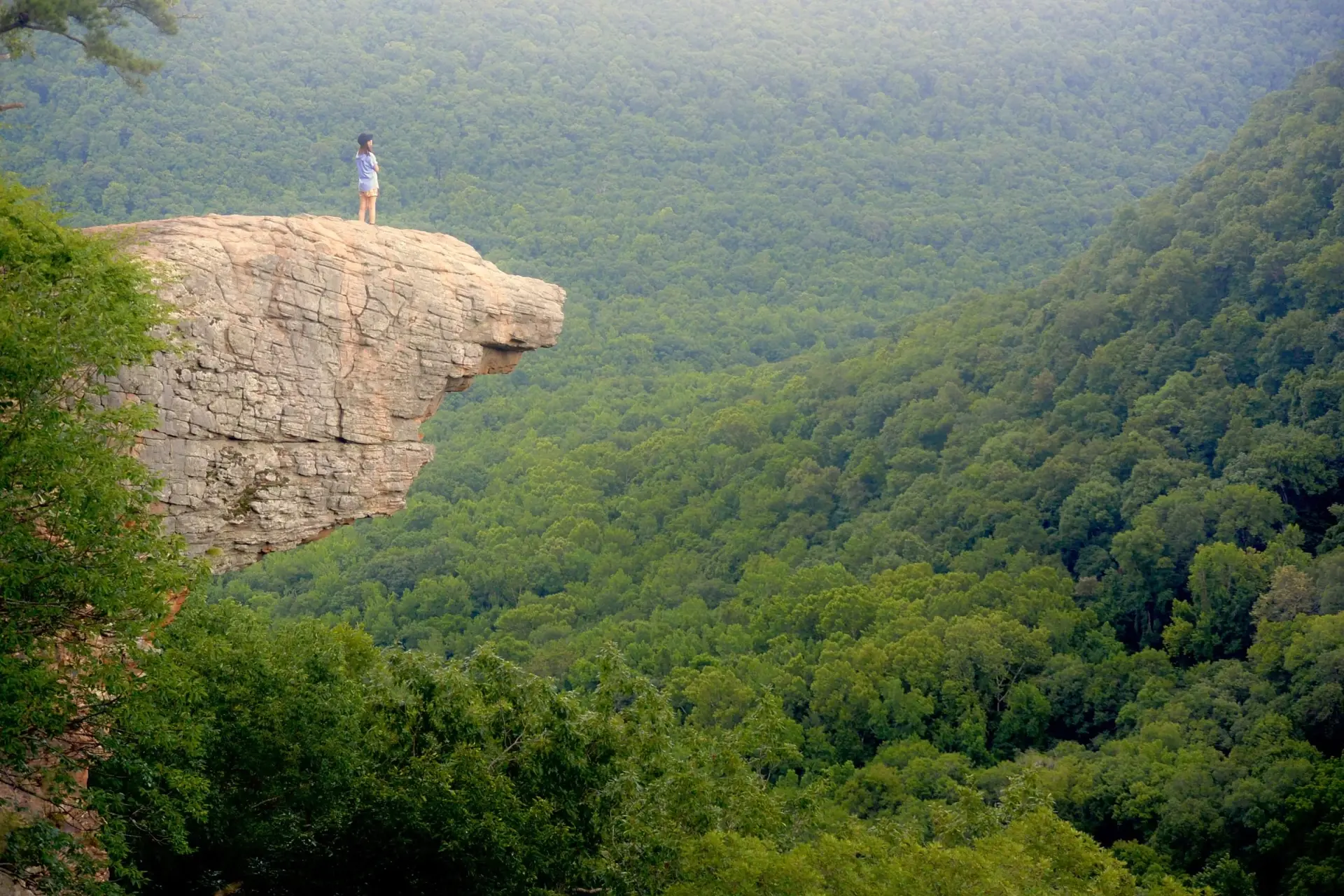
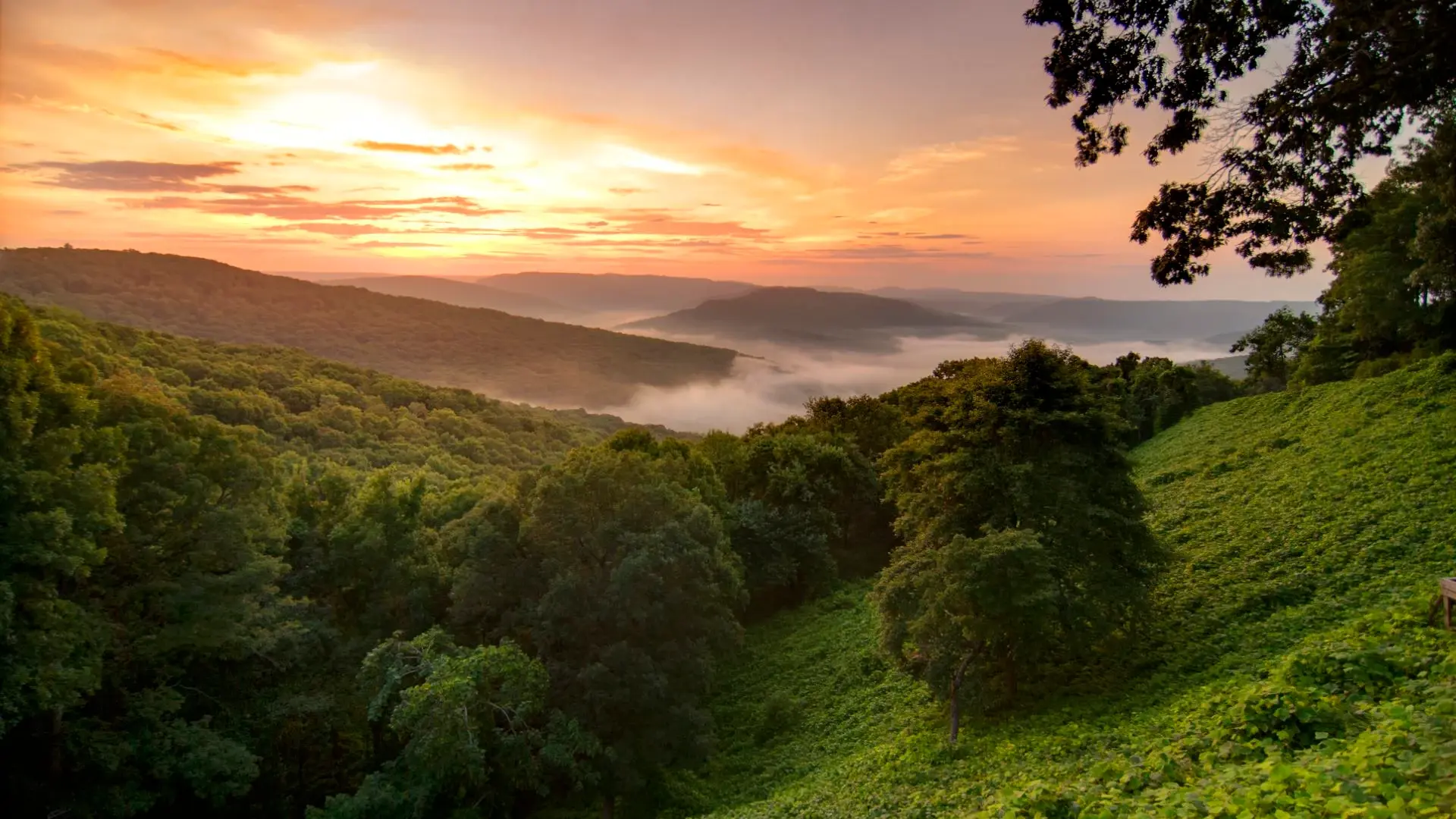
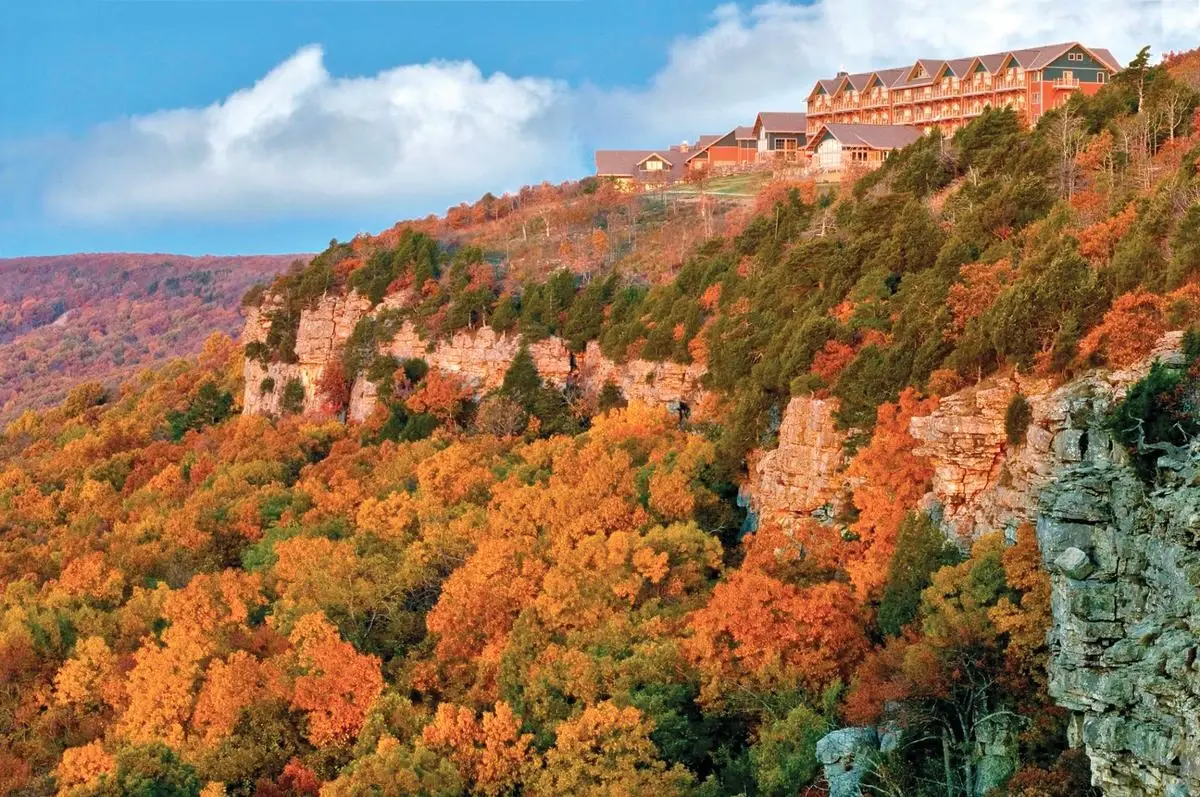
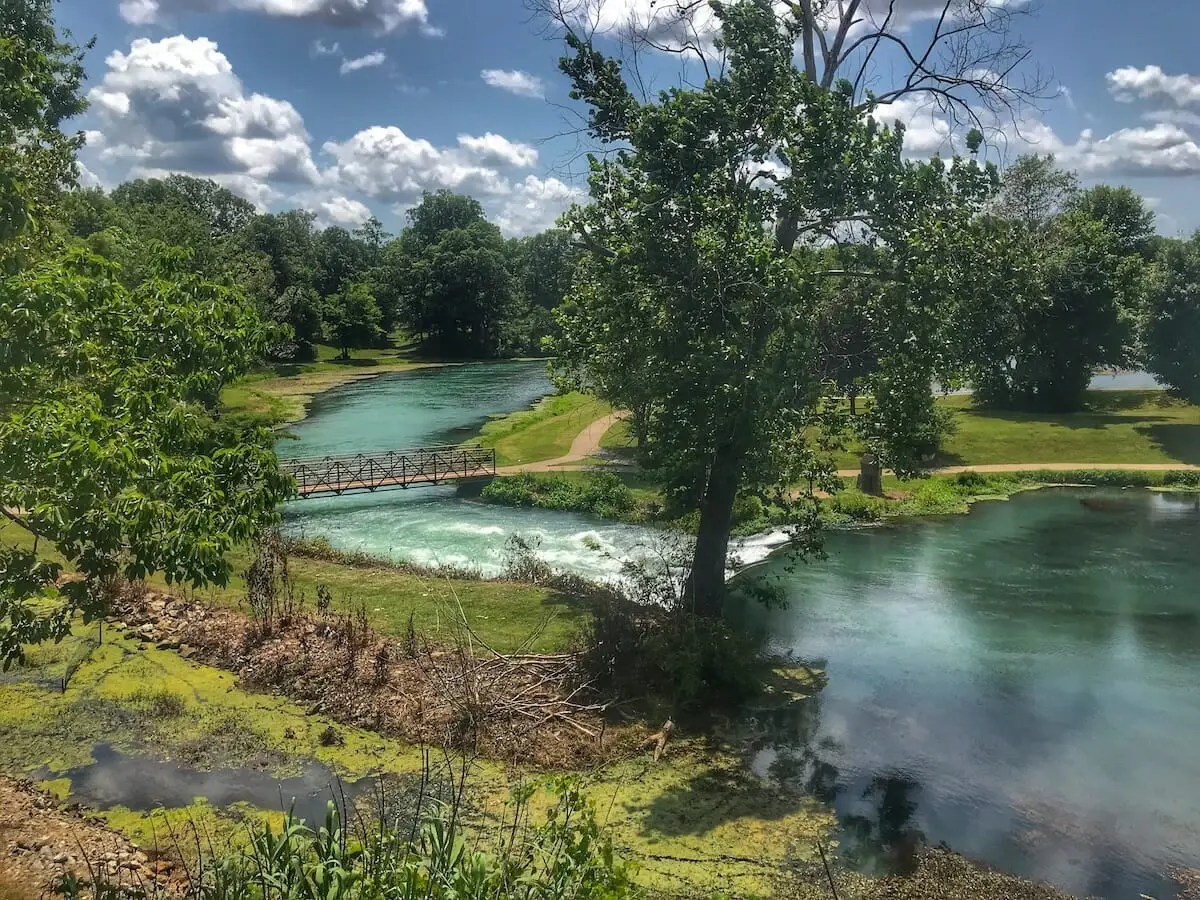
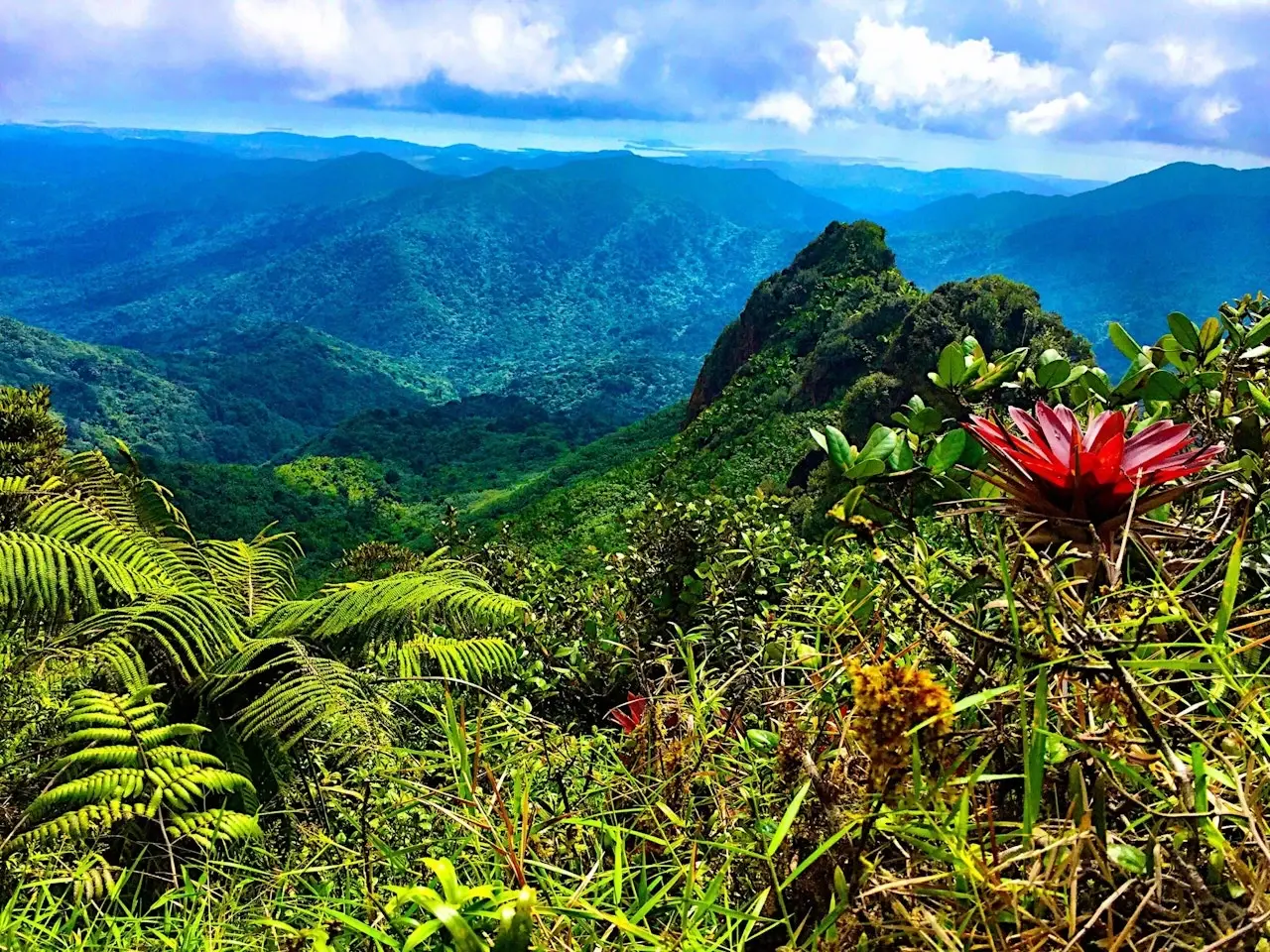
Ozark National Forest spans approximately 1.2 million acres across the Ozark Mountains of northwest and north-central Arkansas, making it the largest national forest in the state and one of the most significant public lands in the Interior Highlands. The forest encompasses rugged terrain of limestone bluffs, deep hollows, clear streams, and extensive cave systems spread across portions of 10 Arkansas counties. It protects vast expanses of oak-hickory and pine-oak forest while providing recreational opportunities ranging from backpacking and rock climbing to scenic driving along the winding mountain roads.
Wildlife Ecosystems
The Ozark National Forest supports a rich assemblage of wildlife adapted to the forested mountain landscape. Black bears have been successfully restored and now maintain a growing population. Elk were reintroduced to the Buffalo River area adjacent to the forest and occasionally range into forest boundaries. White-tailed deer, wild turkey, bobcats, gray foxes, and eastern box turtles are common throughout. The forest's clear streams harbor Ozark hellbenders, a large and threatened species of giant salamander, as well as smallmouth bass and various endemic crayfish species. Indiana bats and Ozark big-eared bats use the forest's numerous caves for hibernation.
Flora Ecosystems
The forest's vegetation is dominated by upland oak-hickory communities, with white oak, red oak, post oak, and mockernut hickory forming the primary canopy across the ridges and slopes. Shortleaf pine is an important component, particularly on south-facing slopes and ridgetops. Rich north-facing slopes and sheltered coves support more mesic species including beech, sugar maple, and basswood. Glades — openings maintained by thin soils and fire — support specialized grassland plants including big and little bluestem, Indian grass, and dozens of wildflower species. The forest harbors several rare and endemic plants, particularly on limestone and dolomite substrates.
Geology
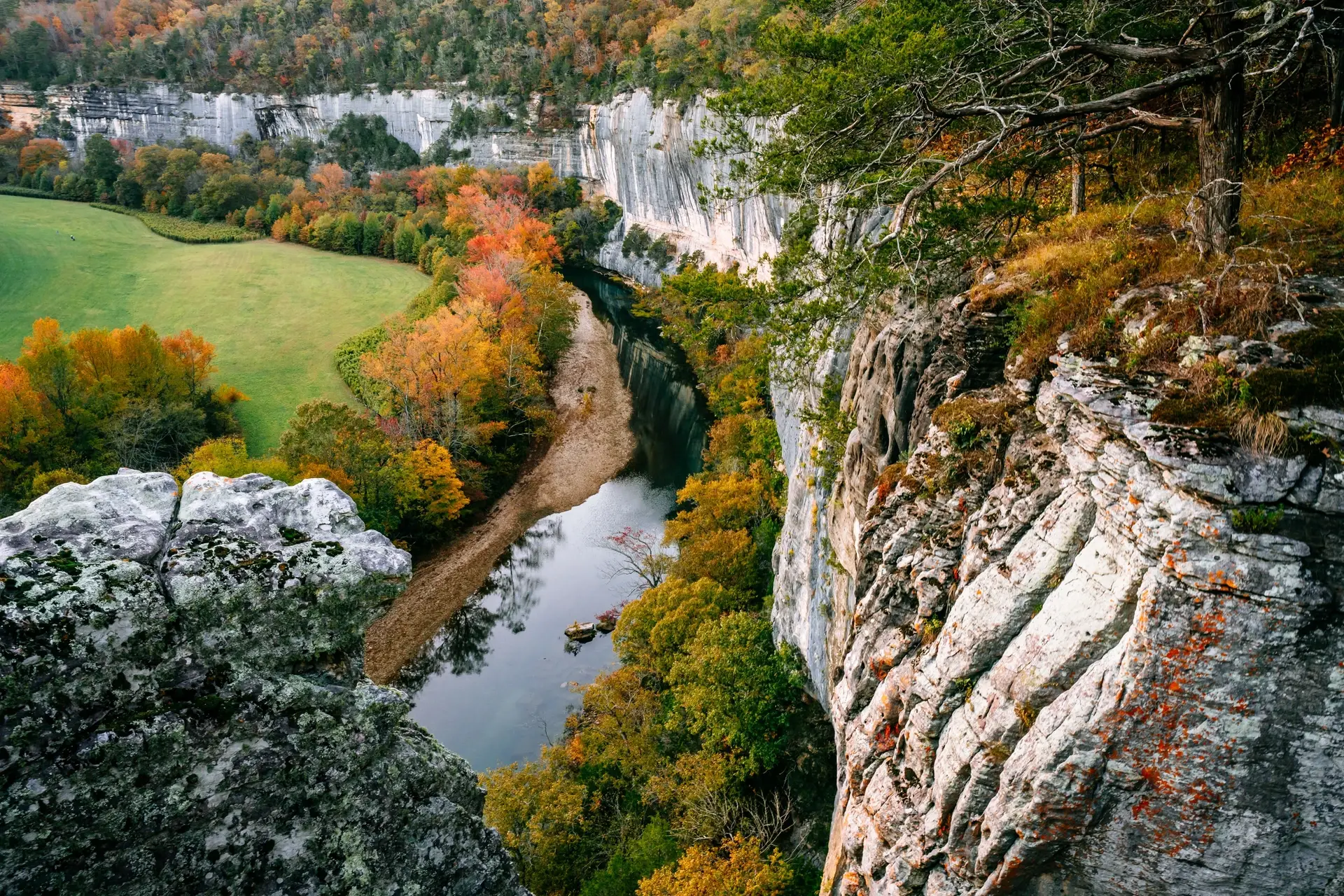
The Ozark Mountains are an elevated plateau of Paleozoic-age sedimentary rocks, primarily limestone, dolomite, sandstone, and chert, uplifted and dissected by stream erosion over hundreds of millions of years. The forest contains dramatic geological features including Blanchard Springs Caverns, one of the most spectacular show caves in the country, and numerous natural bridges, sinkholes, and springs that characterize karst terrain. The Boston Mountains along the southern edge of the forest represent the highest portion of the Ozark Plateau, reaching elevations over 2,500 feet. Spectacular sandstone and limestone bluffs line many of the forest's stream valleys.
Climate and Weather
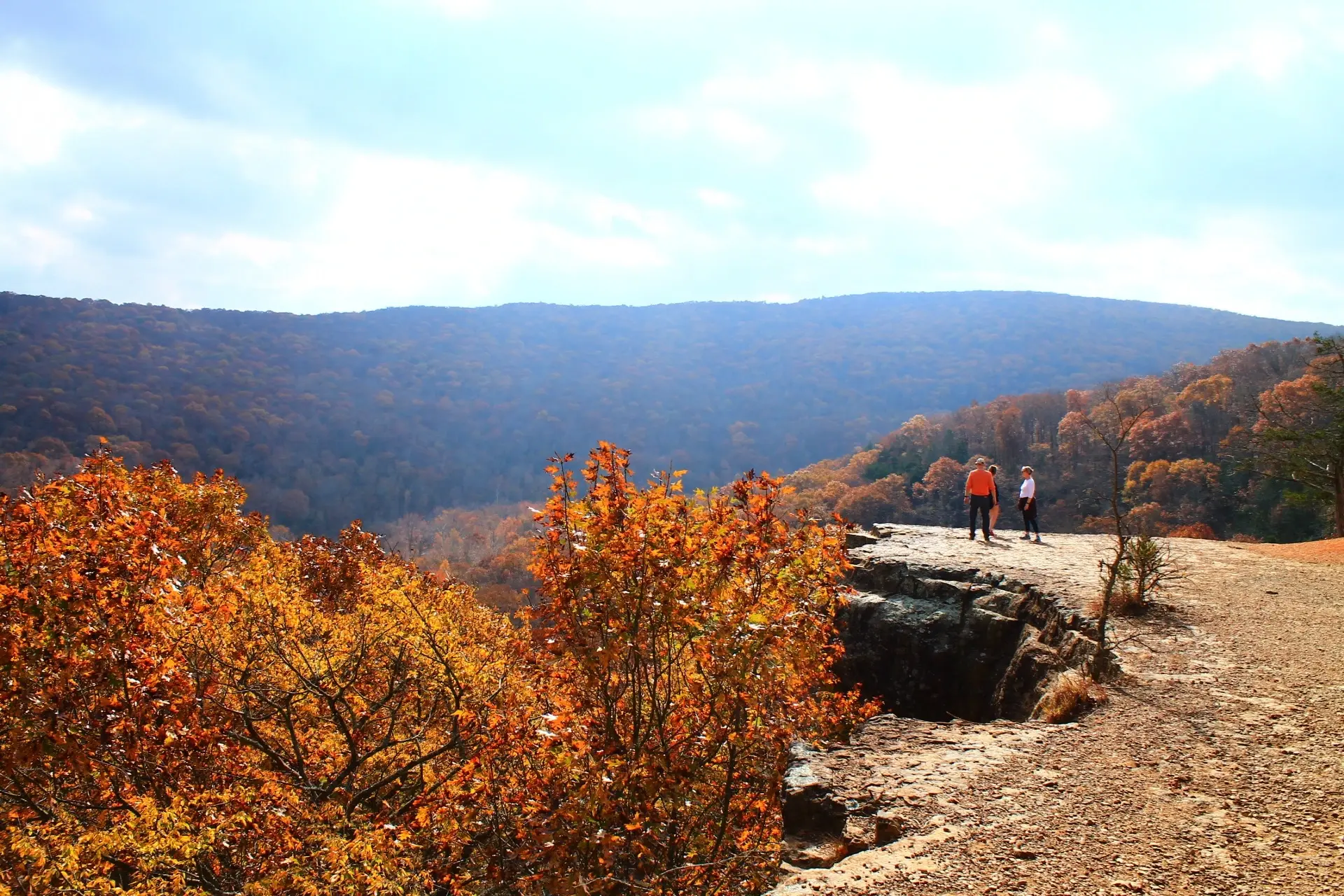
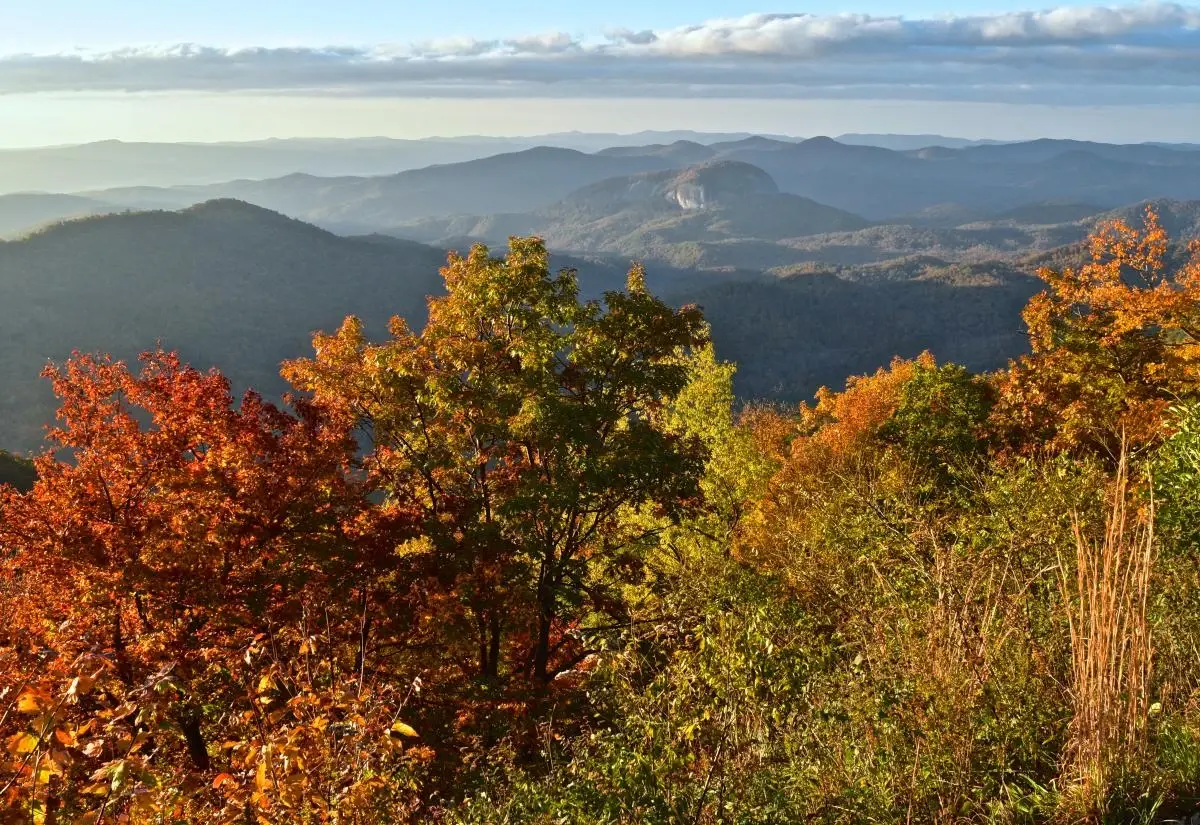
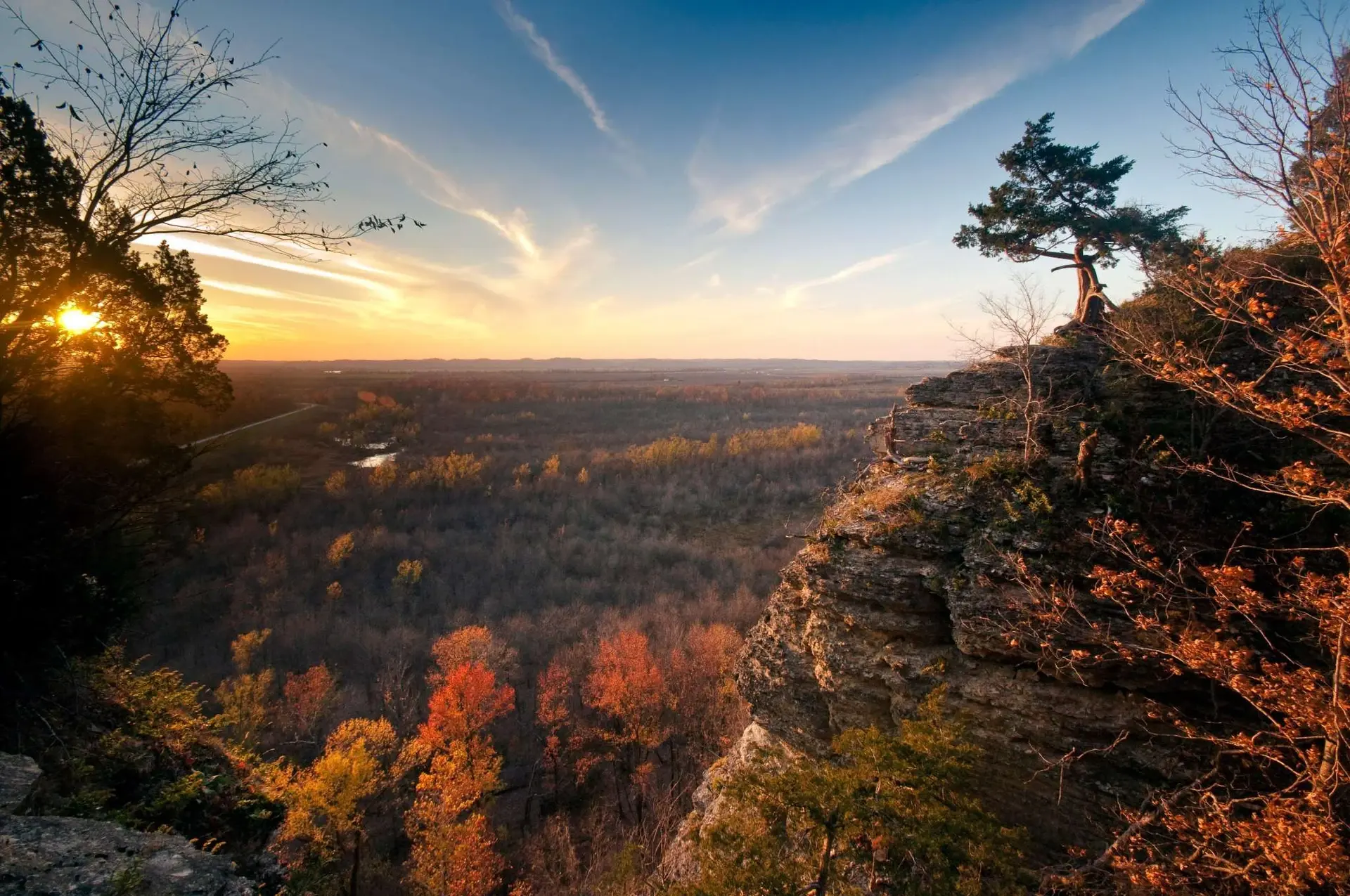
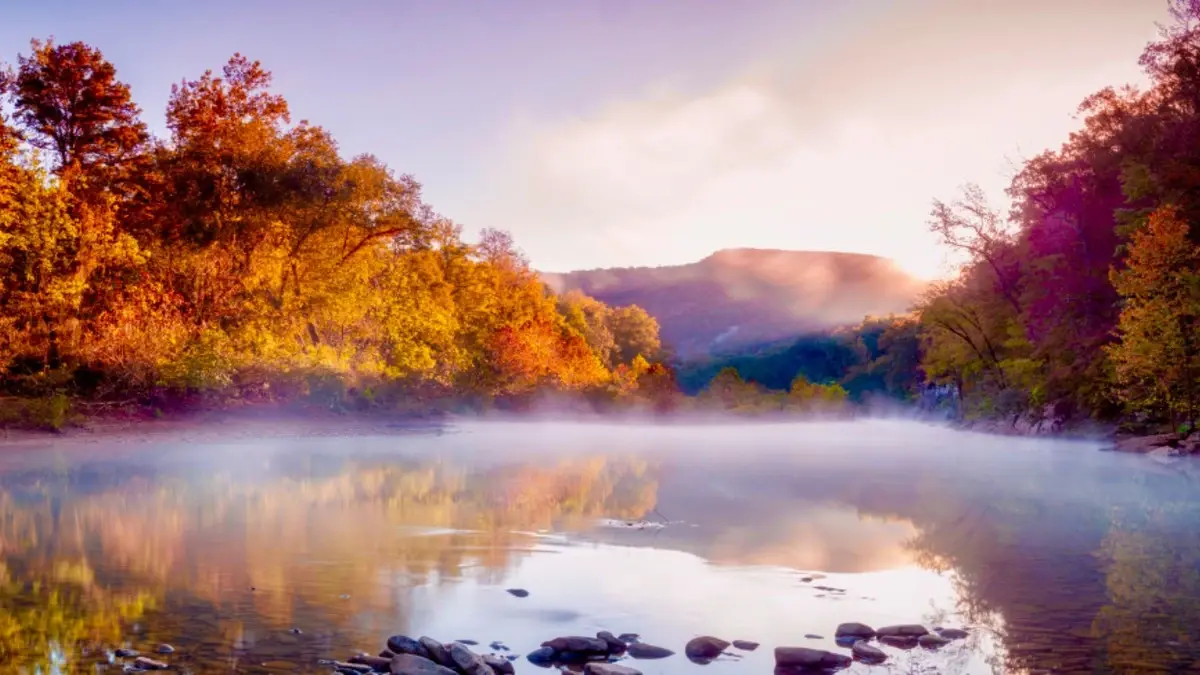
The forest experiences a humid continental to humid subtropical climate, with cooler temperatures at higher elevations. Summer highs average in the mid-80s to low 90s°F, while winter temperatures can drop below freezing, with occasional ice storms that significantly impact forest canopy. Annual precipitation ranges from 44 to 54 inches, increasing with elevation and supporting perennial streams and springs. Fall foliage in the Ozark National Forest is considered some of the finest in the central United States, with peak color typically occurring in late October to early November.
Human History
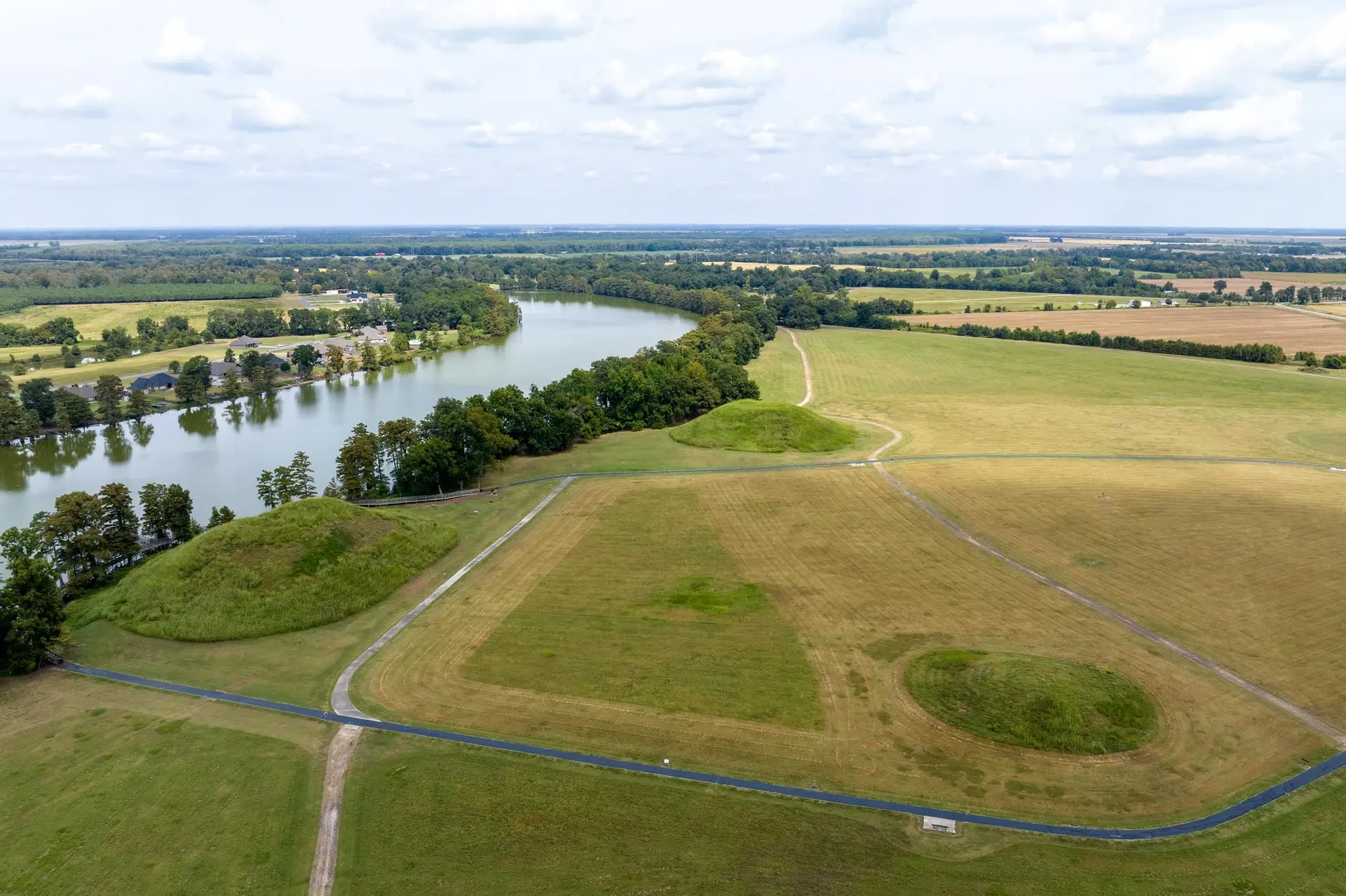
The Ozark Mountains have been occupied by humans for at least 12,000 years, with extensive evidence of Bluff Dweller cultures who utilized the region's rock shelters for habitation. The Osage Nation was the dominant power in the region when Europeans arrived, maintaining the grasslands through periodic burning. European-American settlers arrived in the early 1800s, establishing small farming communities in the valleys and hollows. The isolation of the Ozark Mountains fostered a distinctive Appalachian-like folk culture of self-sufficiency, music, and crafts that persisted well into the 20th century.
Park History
Ozark National Forest was established in 1908 by President Theodore Roosevelt as part of the early conservation movement to protect and restore the nation's forest resources. Decades of unregulated logging had depleted many of the original stands, and the national forest designation began a long process of reforestation and scientific management. The Civilian Conservation Corps built many of the forest's roads, trails, and recreation facilities during the 1930s. Wilderness areas were designated beginning in the 1970s, with the forest now containing seven wilderness areas totaling over 66,000 acres.
Major Trails and Attractions
Blanchard Springs Caverns, managed by the Forest Service, offers guided tours through stunning cave formations and is one of the most visited attractions in Arkansas. The Ozark Highlands Trail traverses 218 miles across the forest, one of the premier long-distance hiking routes in the Midsouth. Scenic drives along the Ozark Highlands Scenic Byway and Pig Trail Scenic Byway offer accessible mountain touring. Rock climbing at Sam's Throne and other sandstone bluffs has become increasingly popular. Swimming holes, waterfalls, and float streams throughout the forest attract warm-season visitors.
Visitor Facilities and Travel
The forest operates numerous developed campgrounds, picnic areas, and trailheads distributed across its vast expanse. Blanchard Springs Caverns has a dedicated visitor center and modern campground nearby. Dispersed primitive camping is permitted throughout most of the forest. Gateway communities including Ozark, Clarksville, Mountain View, and Jasper provide lodging, dining, and supplies. The forest is accessed via Interstate 40 from the south and numerous state highways from all directions. The nearest commercial airports are in Little Rock, Fort Smith, and Fayetteville/Springdale.
Conservation and Sustainability
Forest management balances timber production, recreation, and ecological conservation under multiple-use principles. The seven designated wilderness areas preserve old-growth forests and roadless backcountry. Prescribed fire programs restore the fire-dependent oak woodlands and glades that historically characterized the Ozark landscape. The forest plays a critical role in watershed protection for the Buffalo National River, Illinois River, and numerous other Ozark streams. Ongoing conservation priorities include protecting cave ecosystems from white-nose syndrome, maintaining habitat for the endangered Ozark hellbender, and managing for climate adaptation in forest composition.
Photos
2 photos