Yukon Delta
United States, Alaska
About Yukon Delta
Wildlife Ecosystems
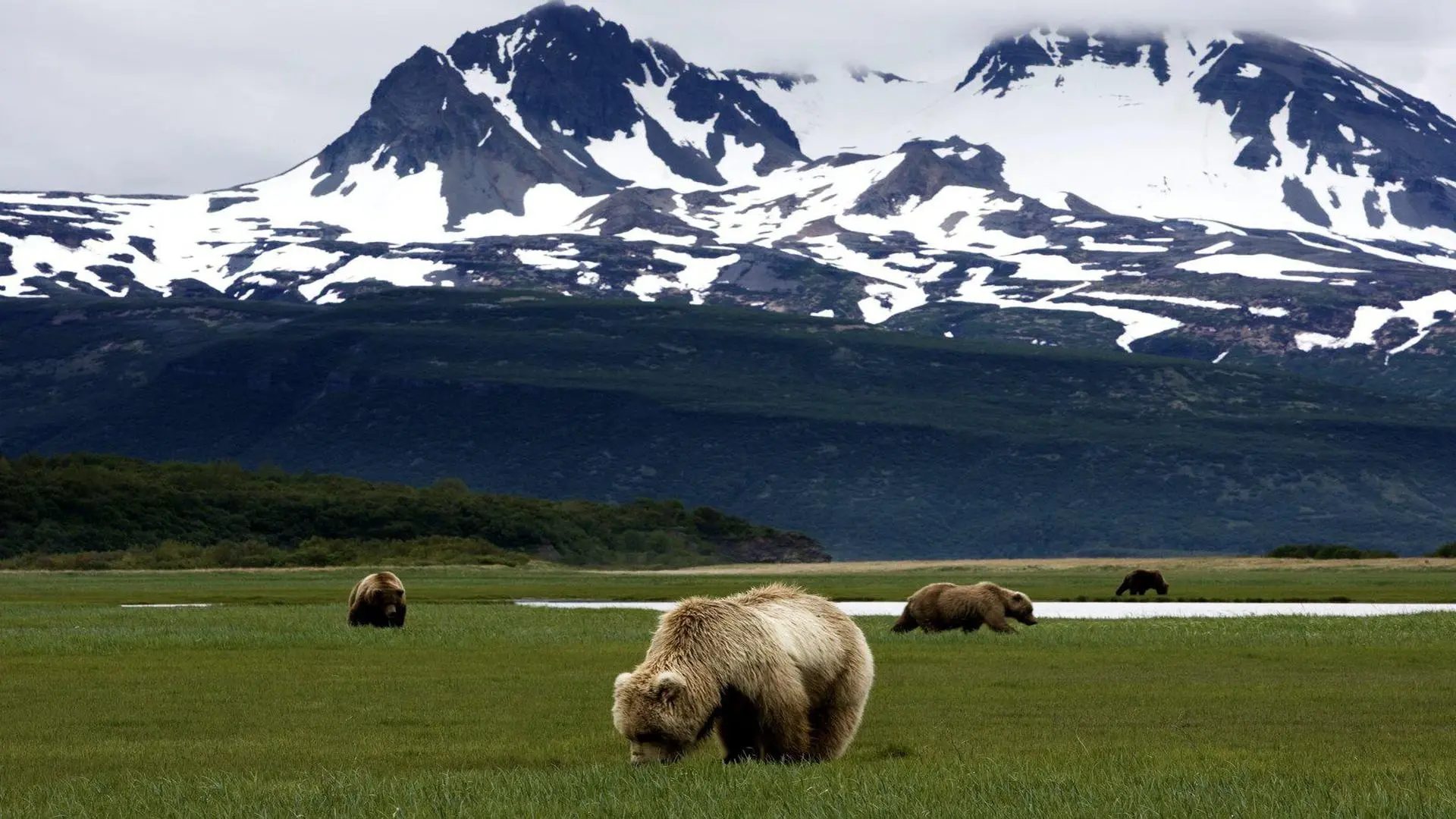
Millions of ducks, geese and other waterbirds nest in the refuge each spring, and it is one of the most important shorebird nesting areas in the United States[1]. Hundreds of miles of rivers and streams support 44 fish species, including five Pacific salmon species, and upland habitats support brown and black bears, caribou, moose, wolves and muskox[1]. Whales and other marine mammals pass through coastal waters during migration[1].
Flora Ecosystems
Geology
Over time the Yukon and Kuskokwim rivers formed one of the largest river deltas in the world, and the area was once part of Beringia, the Bering Land Bridge[1].
Climate and Weather
The refuge sits on the Bering Sea coast of subarctic Alaska, with cold winters and a short, cool summer. Its waterbird nesting is seasonal, concentrated in spring[1].
Human History
The area is the ancestral home of the Yup'ik, Cup'ik and Deg Xit'an peoples, who have lived in the region for thousands of years and depend on wild lands, waters and wildlife for an active subsistence way of life[1].
Park History
President Theodore Roosevelt set aside lands in 1909 as a preserve and breeding ground for native birds, and Nunivak Island became a refuge in 1929[1]. Hazen Bay Migratory Waterfowl Refuge was established in 1937, and the Kuskokwim National Wildlife Range in 1960[1]. On December 2, 1980, the Alaska National Interest Lands Conservation Act combined these areas into the Yukon Delta refuge and created the Andreafsky and Nunivak Wilderness Areas[1].
Major Trails and Attractions
Visitor Facilities and Travel
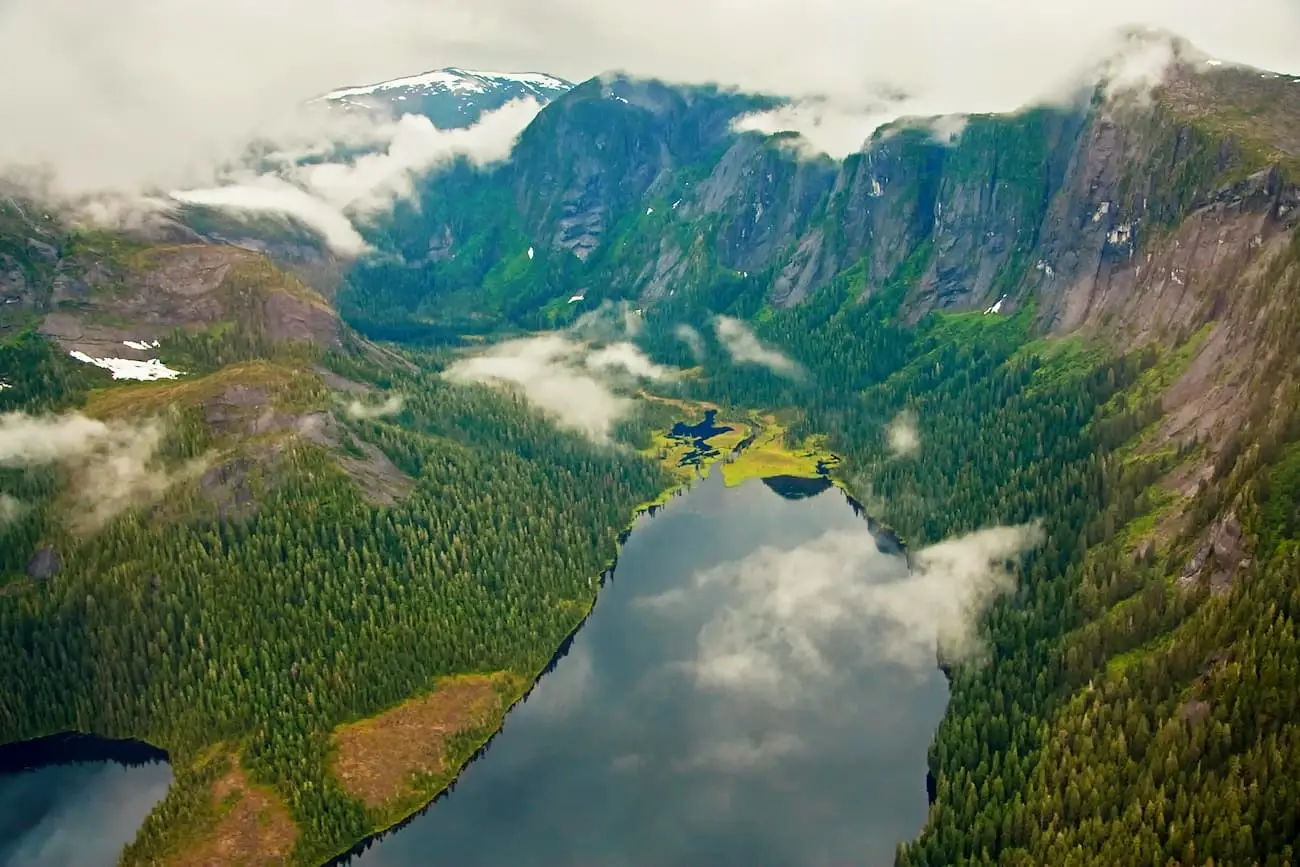
The refuge is a remote delta landscape of tundra, lakes and rivers, and its Fish and Wildlife Service pages direct visitors to separate pages on visiting and activities[1].
Conservation and Sustainability
The refuge has four purposes under the Alaska National Interest Lands Conservation Act: to conserve fish and wildlife populations and habitats in their natural diversity, to fulfill international treaty obligations, to allow continued subsistence uses by local residents, and to ensure water quality[1].
Photos
No photos available yet