Mount Greylock
United States, Massachusetts
About Mount Greylock
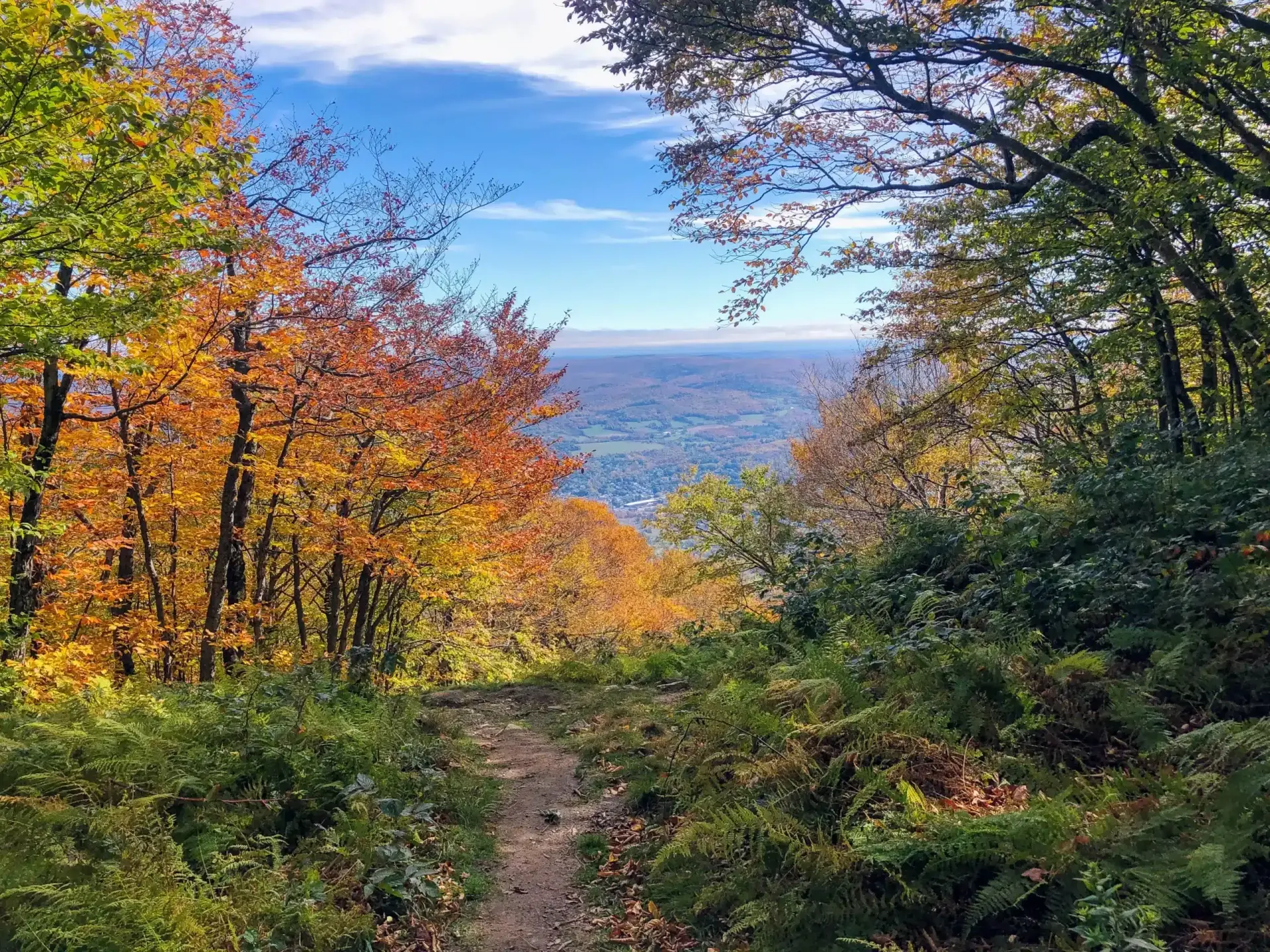
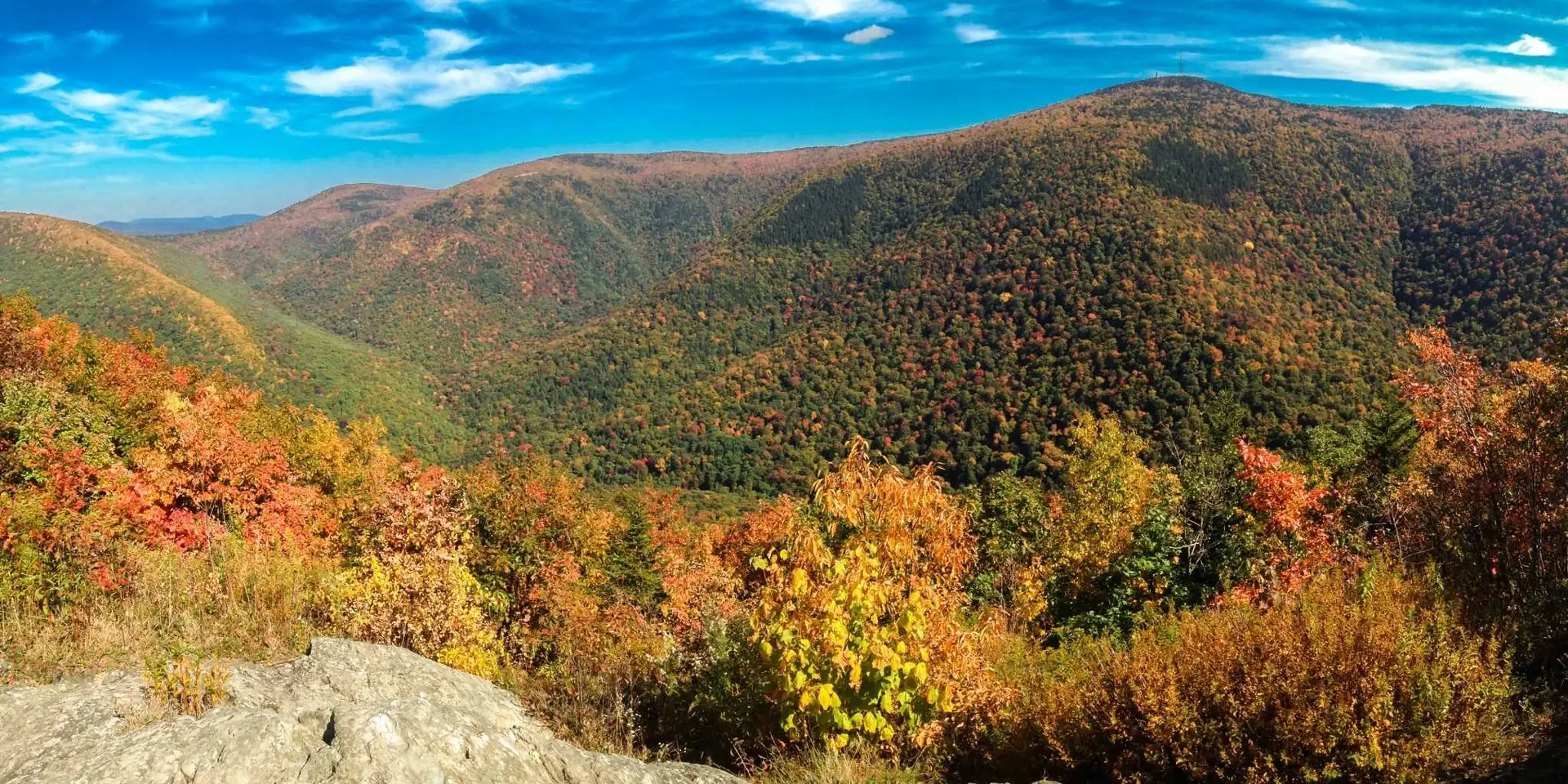
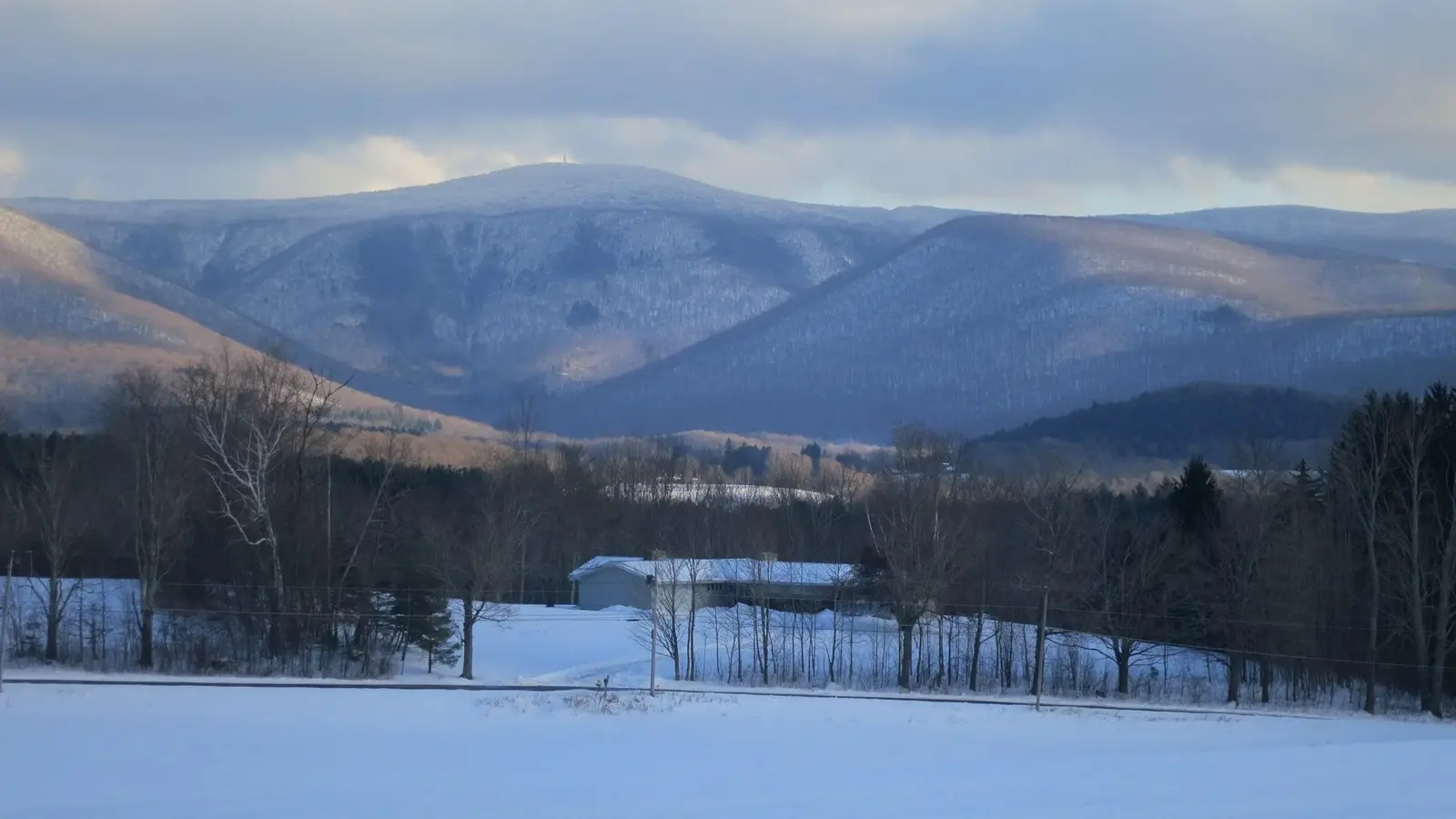
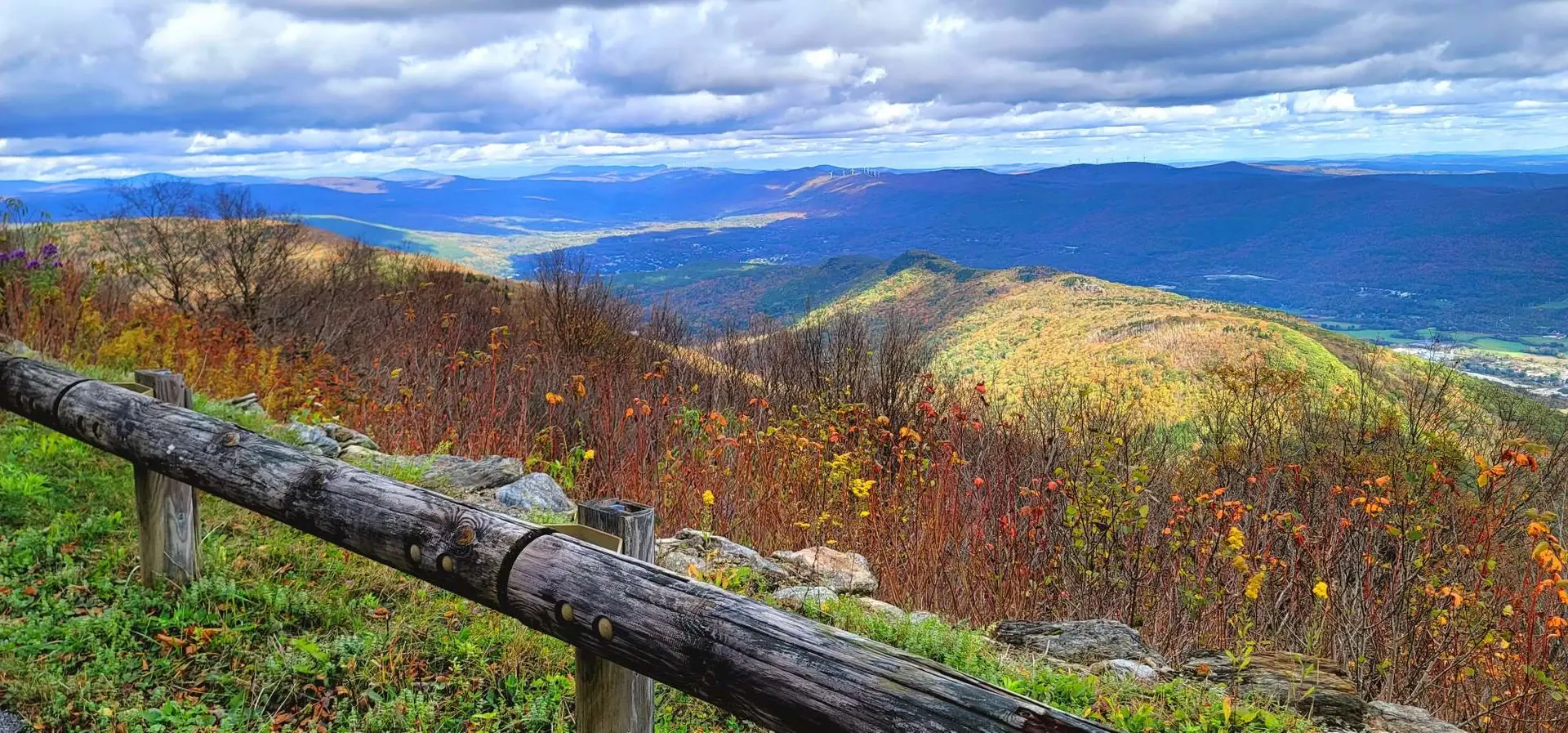
Mount Greylock State Reservation protects 12,500 acres including the 3,491-foot summit of Mount Greylock, the highest peak in Massachusetts. The reservation offers exceptional hiking, camping, and summit facilities.
Wildlife Ecosystems
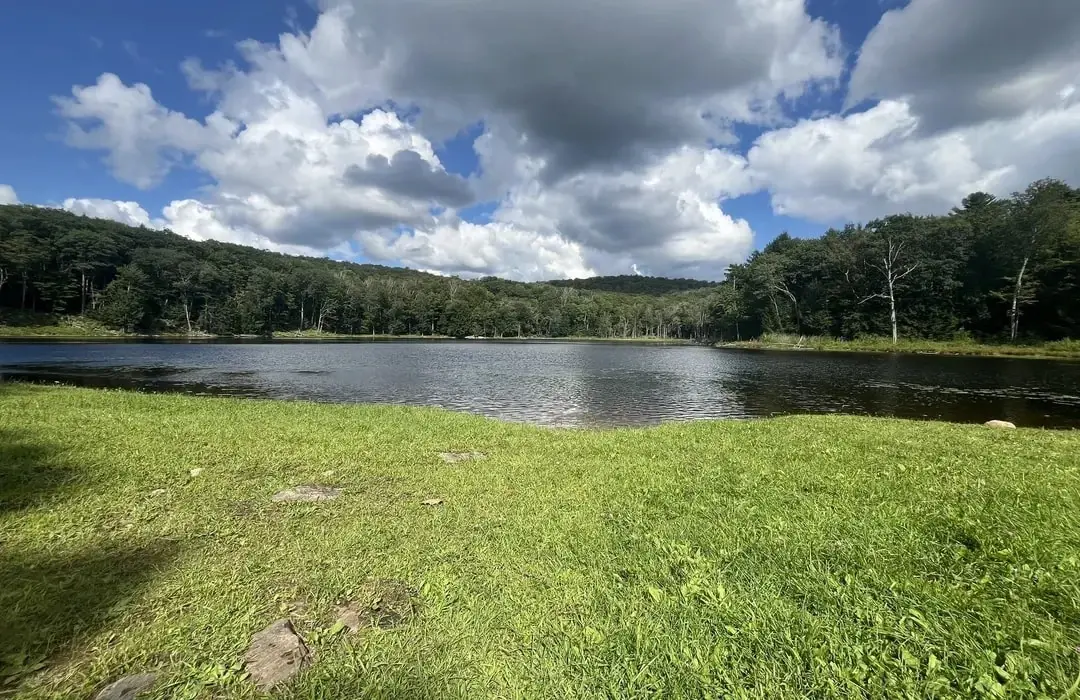
The varied elevations support diverse wildlife from valley deer to spruce-fir specialists. Moose, black bear, and bobcat roam the forests. Breeding birds include boreal species rare elsewhere in Massachusetts.
Flora Ecosystems
The summit supports the only subalpine spruce-fir forest in Massachusetts. Northern hardwoods dominate middle elevations. The varied flora reflects the mountain's position between northern and southern zones.
Geology
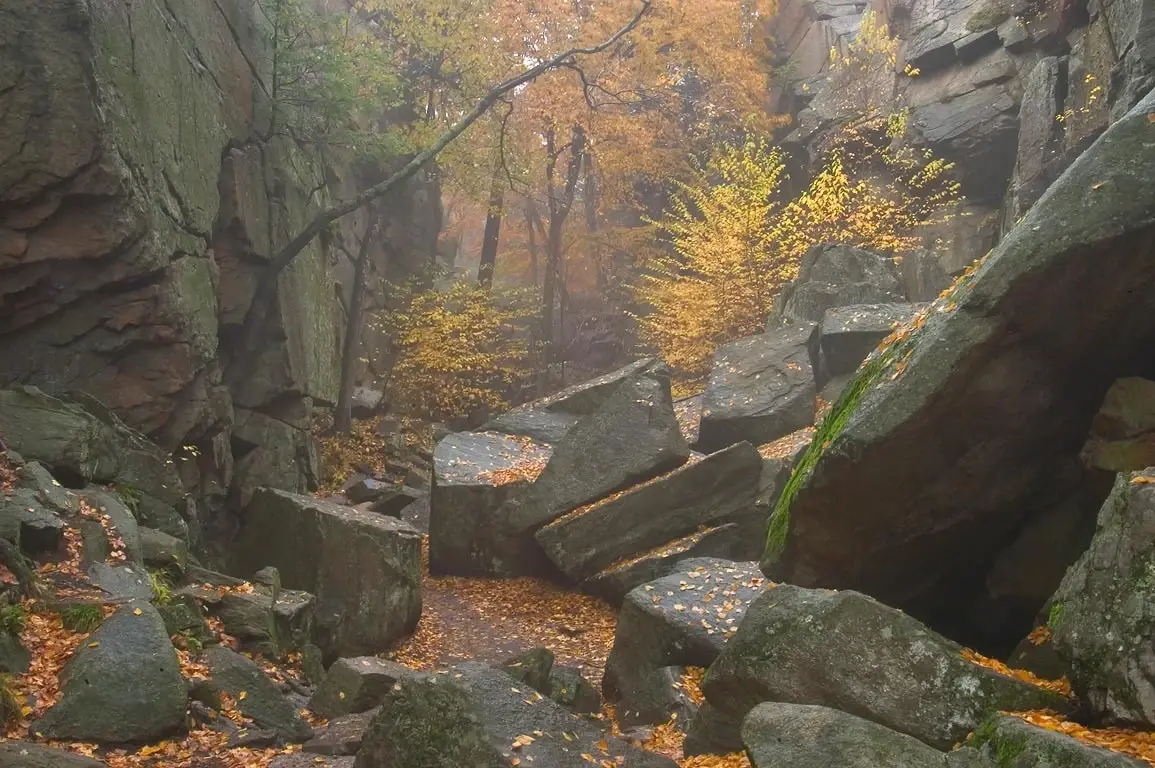
Mount Greylock consists of resistant metamorphic rocks that remained standing as surrounding areas eroded. The dramatic relief provides the longest views in Massachusetts.
Climate and Weather
The summit experiences some of the harshest conditions in Massachusetts, with high winds, fog, and winter ice. Temperatures can be 20°F cooler than the valleys.
Human History
Indigenous peoples knew these mountains. The summit has attracted visitors since the early 19th century. The War Memorial Tower was dedicated in 1932.
Park History
Mount Greylock became Massachusetts' first wilderness state park in 1898. The Civilian Conservation Corps developed facilities during the 1930s. The reservation represents a century of mountain conservation.
Major Trails and Attractions
The Appalachian Trail traverses the summit. Over 70 miles of trails explore the mountain. Bascom Lodge provides summit accommodations. The auto road reaches the top.
Visitor Facilities and Travel
Bascom Lodge offers dining and overnight stays. Campgrounds provide tent sites. The reservation is accessible from Route 7 in Lanesborough and Adams.
Conservation and Sustainability
Climate monitoring tracks changes in the unique summit ecosystem. Trail restoration addresses heavy use. The reservation protects Massachusetts' most significant mountain landscape.
Photos
3 photos