Misty Fjords
United States, Alaska
About Misty Fjords
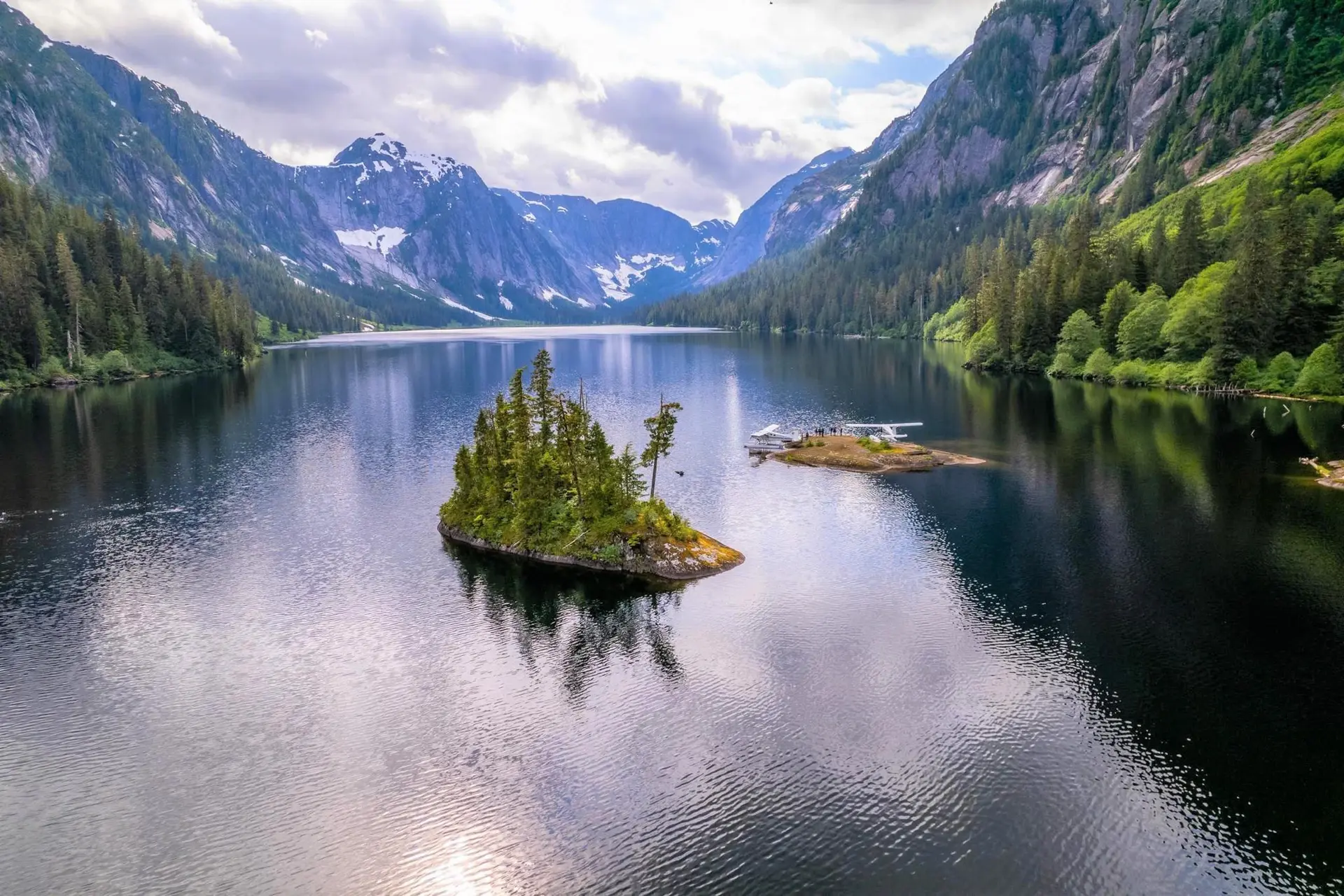
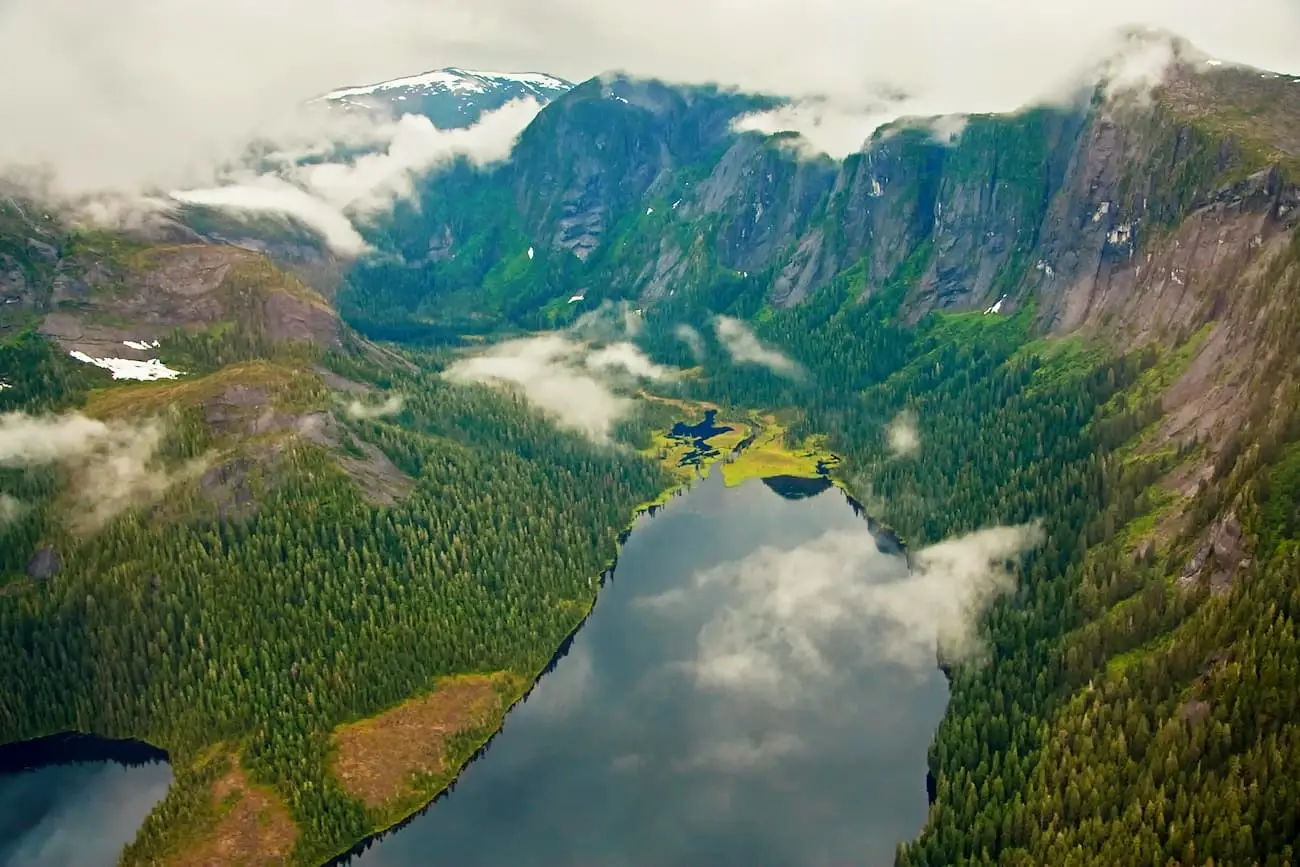
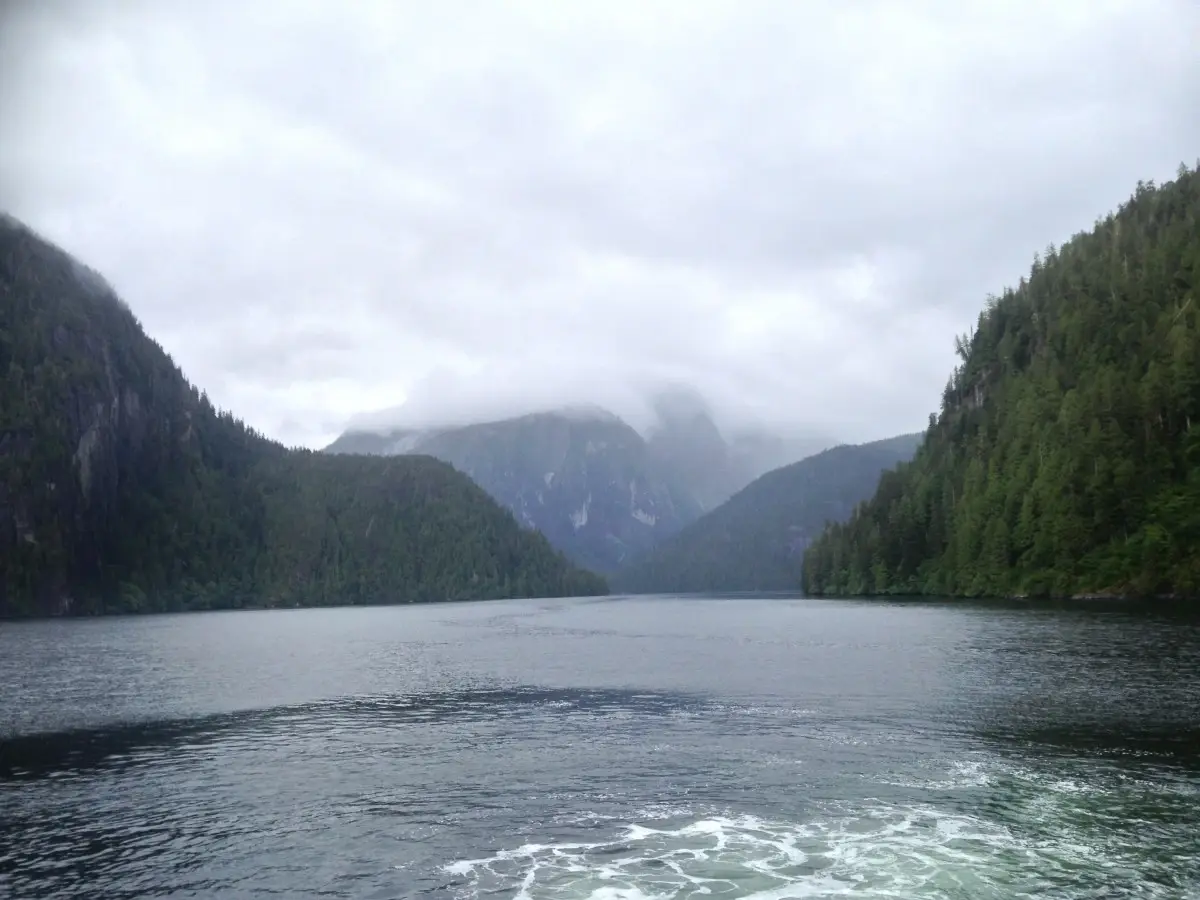
Misty Fiords National Monument protects 2.3 million acres of spectacular coastal wilderness in southeastern Alaska, featuring dramatic fjords, towering granite cliffs, and pristine temperate rainforest. Named for the persistent mist and rain that characterize the region's climate, the monument encompasses an extraordinary landscape sculpted by glaciers into deep waterways flanked by sheer rock walls rising thousands of feet. The monument is part of the Tongass National Forest and managed by the U.S. Forest Service rather than the National Park Service. Accessible only by boat or floatplane from Ketchikan, Misty Fiords offers exceptional scenery, wildlife viewing, and wilderness recreation.
Wildlife Ecosystems
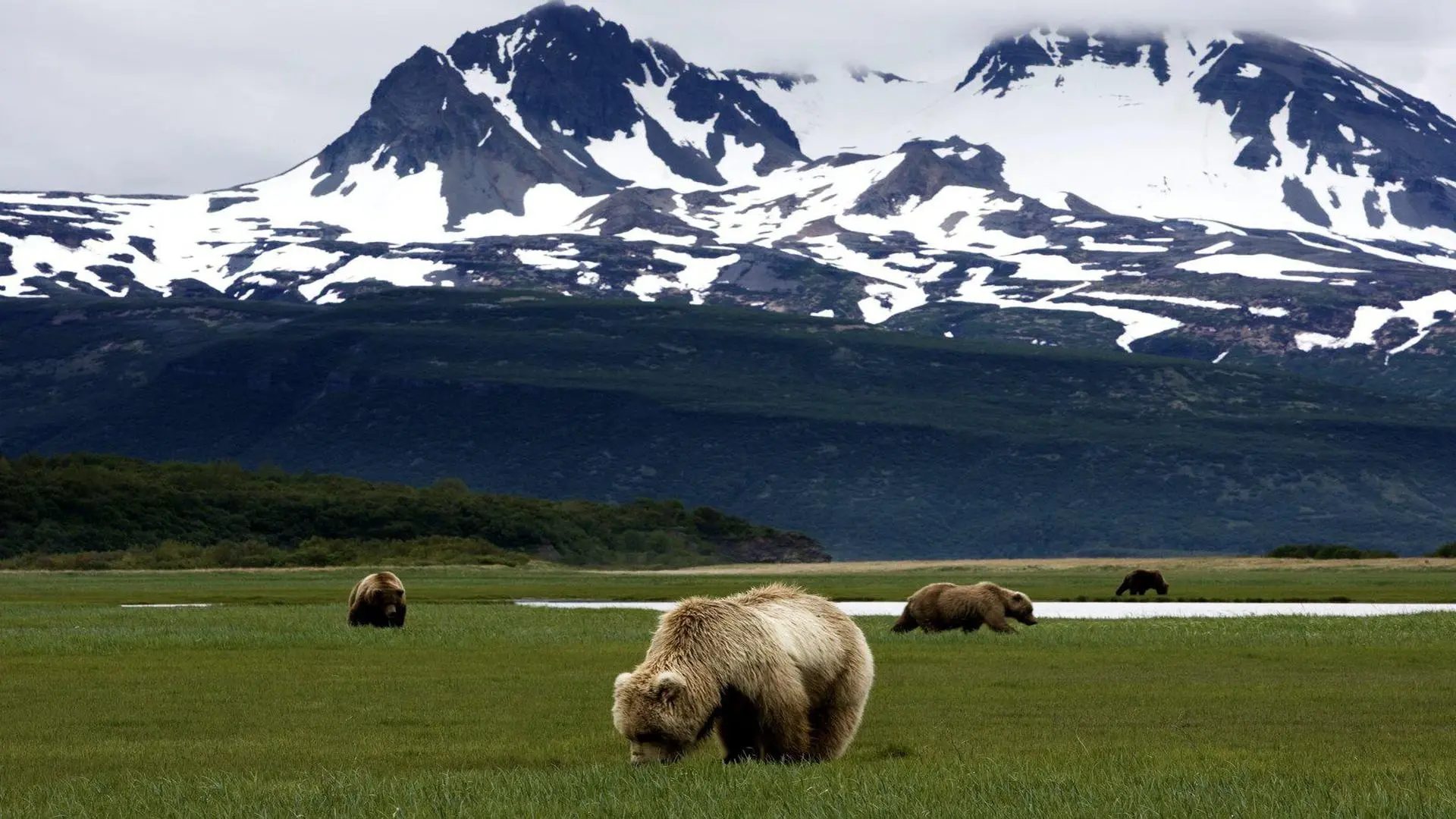
The monument supports populations of black and brown bears, Sitka black-tailed deer, mountain goats, and wolves in diverse habitats from sea level to alpine peaks. Salmon spawn in numerous streams, attracting bears and providing nutrients that enrich the forest ecosystem. Marine mammals including orcas, humpback whales, Steller sea lions, and harbor seals frequent the protected waterways. Bald eagles are abundant along the coastline, while marbled murrelets and other seabirds nest in the old-growth forest. The combination of marine and terrestrial habitats supports exceptional biodiversity.
Flora Ecosystems
Temperate rainforest blankets the monument from sea level to treeline, dominated by massive Sitka spruce and western hemlock. Old-growth trees reach diameters of six to eight feet and ages exceeding 500 years. The lush understory features devil's club, blueberry, and dense thickets of shrubs and ferns. Above treeline, alpine meadows and rock fields transition to permanent snow and ice on the highest peaks. The extremely wet climate supports luxuriant growth, with moss and lichens covering every surface.
Geology
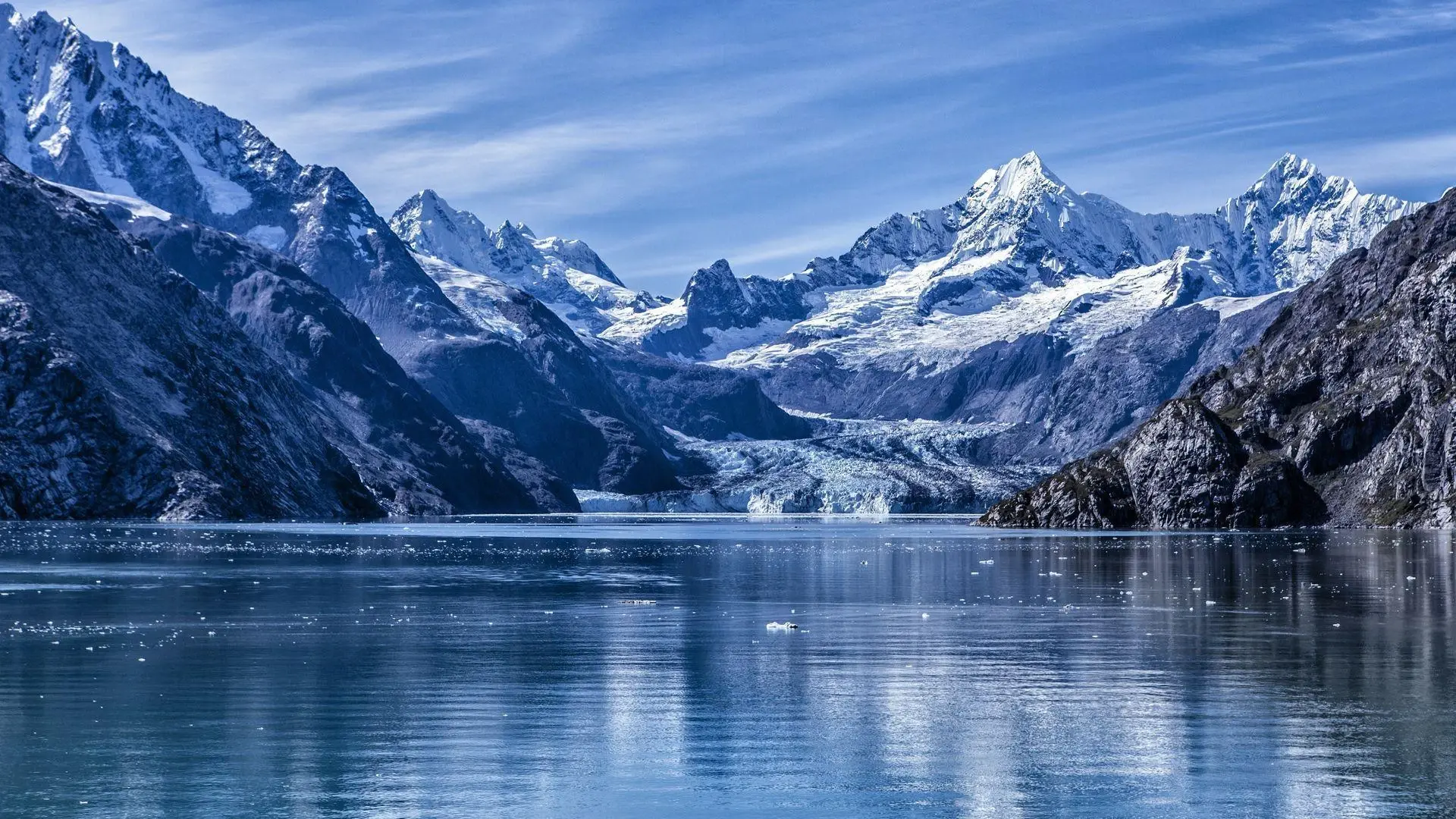
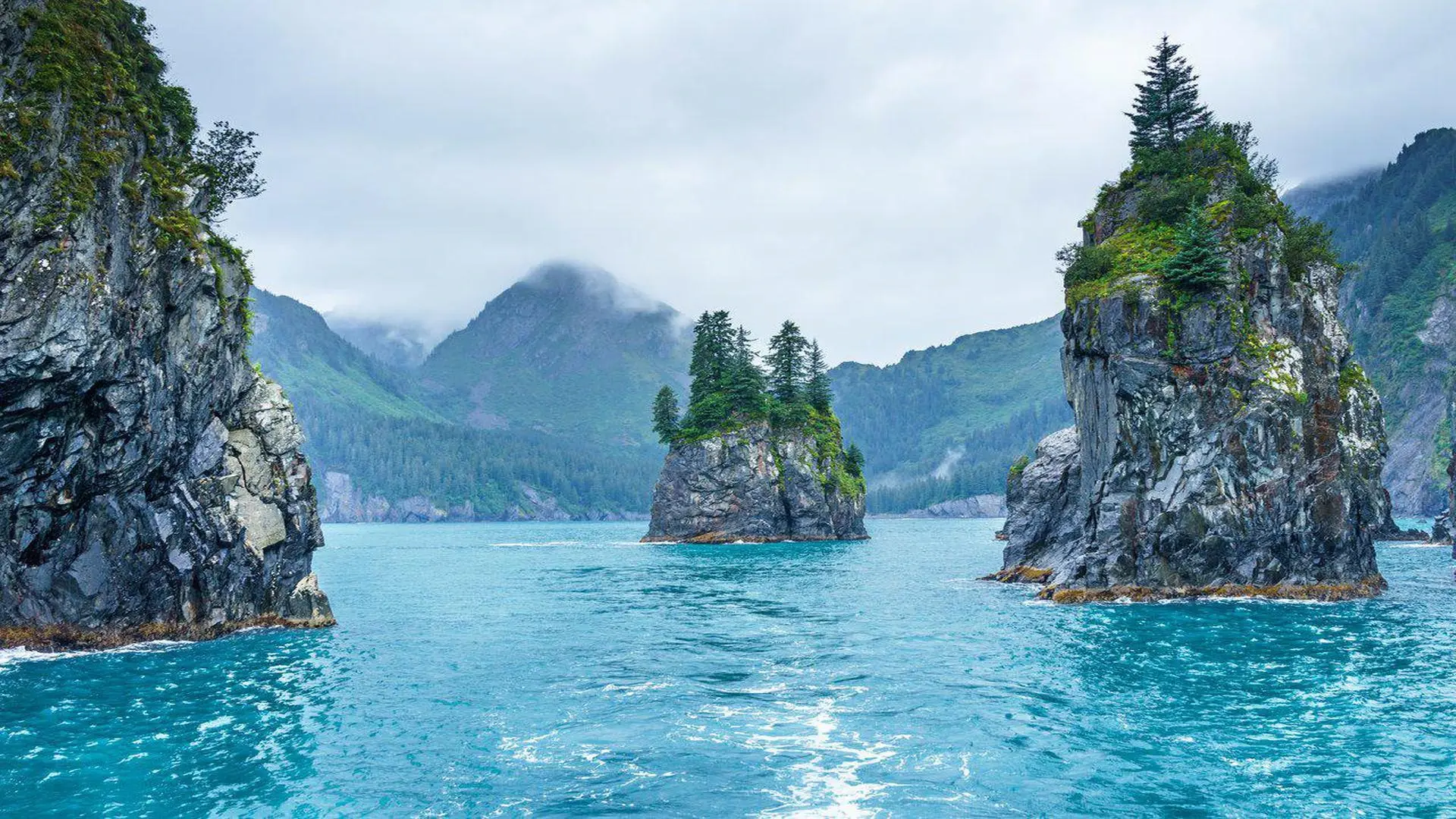
The monument's dramatic landscape was carved by glaciers that sculpted U-shaped valleys, cirques, and the deep fjords that characterize the coastline. Sheer granite walls rise 3,000 feet or more directly from the water's surface, with prominent features like New Eddystone Rock—a volcanic plug visible from miles away. The underlying bedrock consists primarily of granite and metamorphic rocks, with intrusive formations creating the area's characteristic gray cliffs. Active geological processes include continued erosion, occasional rockfall, and landslides on steep slopes.
Climate and Weather
Misty Fiords receives some of the heaviest precipitation in North America, with annual totals exceeding 150 inches in many areas. Rain falls an average of 200-300 days per year, creating the persistent mist that gives the monument its name. Temperatures are mild year-round due to maritime influence, ranging from the 30s in winter to the 60s in summer. Fog is common, particularly in summer when warm moist air meets cool ocean waters. Clear days are rare and highly prized, revealing spectacular views of the surrounding peaks.
Human History
Tlingit people have inhabited the Misty Fiords region for thousands of years, developing sophisticated maritime cultures based on fishing, hunting, and the abundant resources of the temperate rainforest. Villages and seasonal camps were established throughout the region, with petroglyphs and other cultural sites documenting long-term presence. Russian and later American colonization brought commercial fishing, logging, and mining operations to the area. The mining town of Wrangell Narrows and other historic sites reflect the region's development history.
Park History
President Jimmy Carter designated Misty Fiords as a National Monument in 1978, responding to threats from proposed mining and logging development. The Alaska National Interest Lands Conservation Act of 1980 confirmed the designation and established the 2,142,243-acre Misty Fiords Wilderness within its boundaries. Unlike most Alaska monuments, Misty Fiords is managed by the U.S. Forest Service as part of the Tongass National Forest. The monument's creation represented a major conservation victory for protecting Southeast Alaska's spectacular coastal wilderness.
Major Trails and Attractions
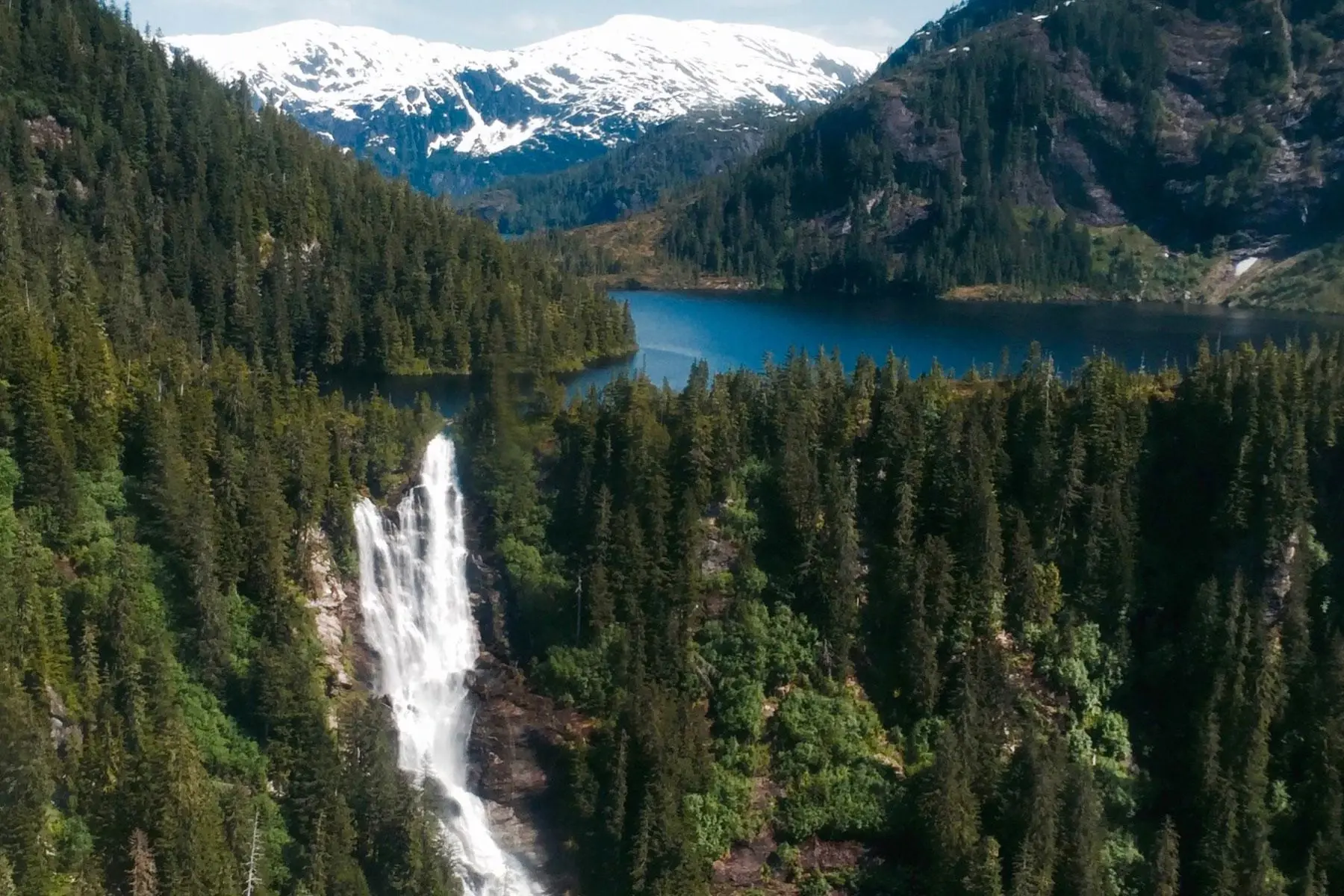
The dramatic fjords themselves are the primary attraction, with sheer granite walls, thundering waterfalls, and pristine waters accessible only by boat or floatplane. New Eddystone Rock, a striking volcanic plug rising from the water, is an iconic landmark. Rudyerd Bay offers some of the most spectacular scenery, with Punchbowl Cove featuring a waterfall cascading into an amphitheater of cliffs. Numerous Forest Service cabins provide overnight accommodations at scenic locations throughout the monument. Sea kayaking offers intimate exploration of the coastline and fjords.
Visitor Facilities and Travel
Access to Misty Fiords is by floatplane or boat from Ketchikan, approximately 30 miles away. Numerous flightseeing and boat tour operators offer day trips from Ketchikan. Fourteen Forest Service public use cabins provide overnight accommodations at various locations. No roads or developed campgrounds exist within the monument, though camping is permitted throughout. The Southeast Alaska Discovery Center in Ketchikan provides visitor information and exhibits about the region. Most visitation occurs from May through September, though the monument is accessible year-round.
Conservation and Sustainability
Protection of old-growth temperate rainforest remains the monument's primary conservation focus. Climate change affects the region through altered precipitation patterns and rising sea levels. The monument's wilderness designation provides strong protection from development. Sustainable tourism practices balance public access with protection of sensitive areas. Ongoing challenges include marine pollution, invasive species, and the long-term health of salmon populations upon which so much of the ecosystem depends.
Photos
2 photos