Kenai
United States, Alaska
About Kenai
Kenai National Wildlife Refuge covers a large part of the Kenai Peninsula in south-central Alaska, with Soldotna as its headquarters town. It began in 1941 as the Kenai National Moose Range, when President Roosevelt set aside more than 1.7 million acres to protect the giant Kenai moose, and was renamed and enlarged in 1980 by the Alaska National Interest Lands Conservation Act[1]. The Dena'ina call the area Yaghanen, "the good land"[1]. The refuge is often described as "Alaska in miniature"[1].
Wildlife Ecosystems
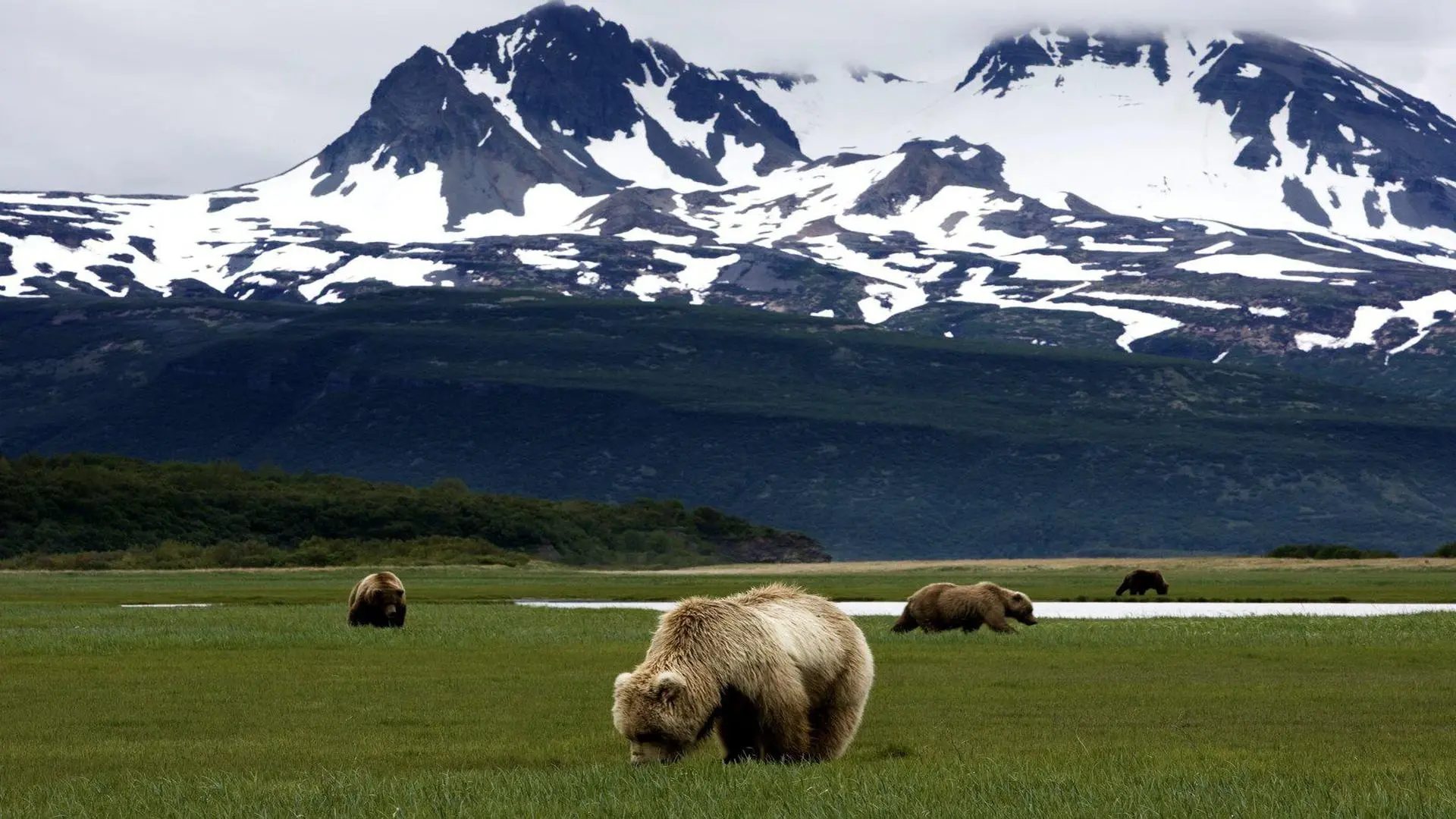
Mammals of the refuge include moose, brown and black bears, lynx and wolves, and birds include trumpeter swans[1]. The Kenai River, which begins in the refuge, supports Chinook, sockeye and coho salmon, Dolly Varden and rainbow trout[1]. The northern lowlands also hold river otters, eagles, loons and abundant waterfowl[2].
Flora Ecosystems
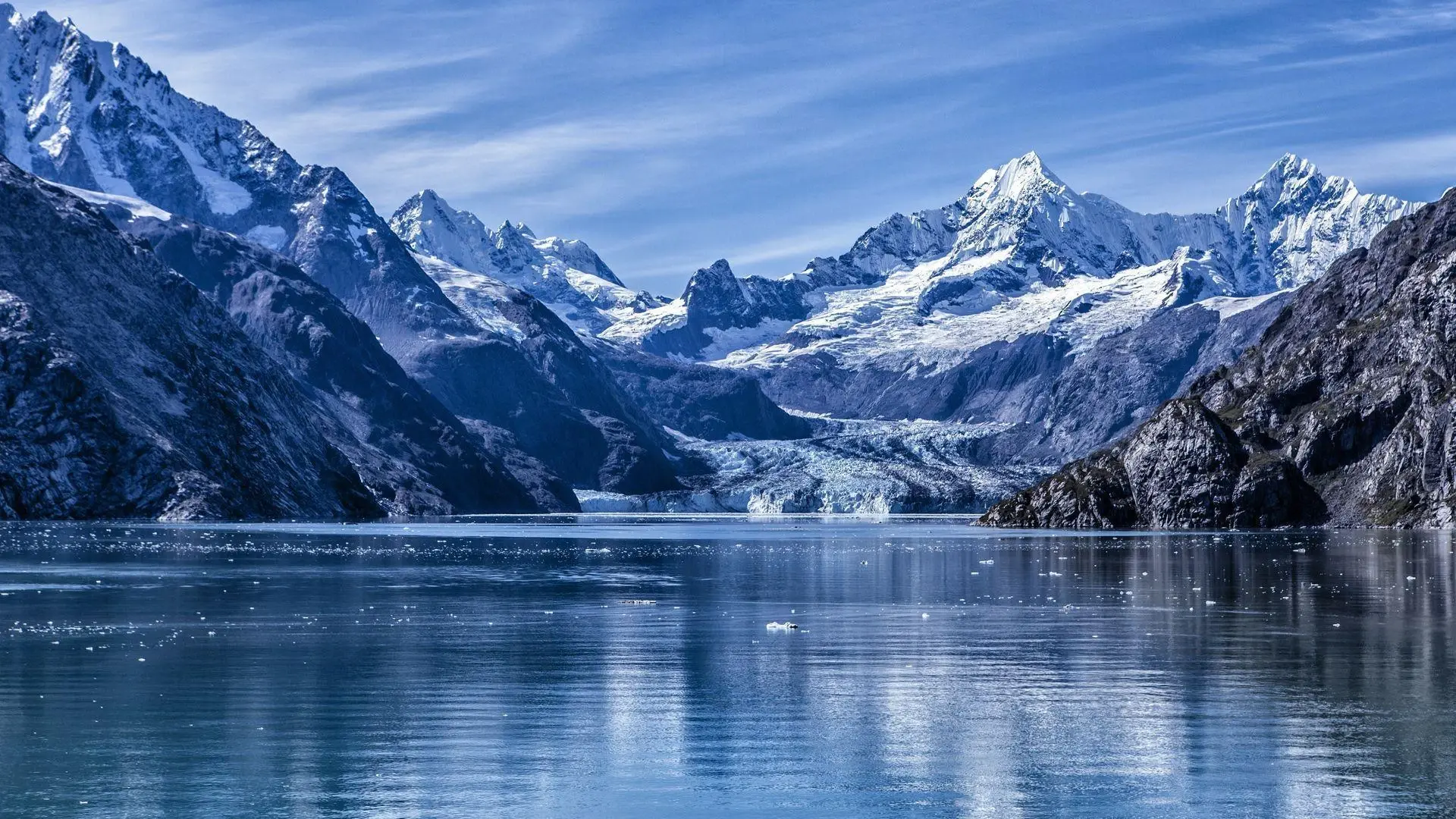
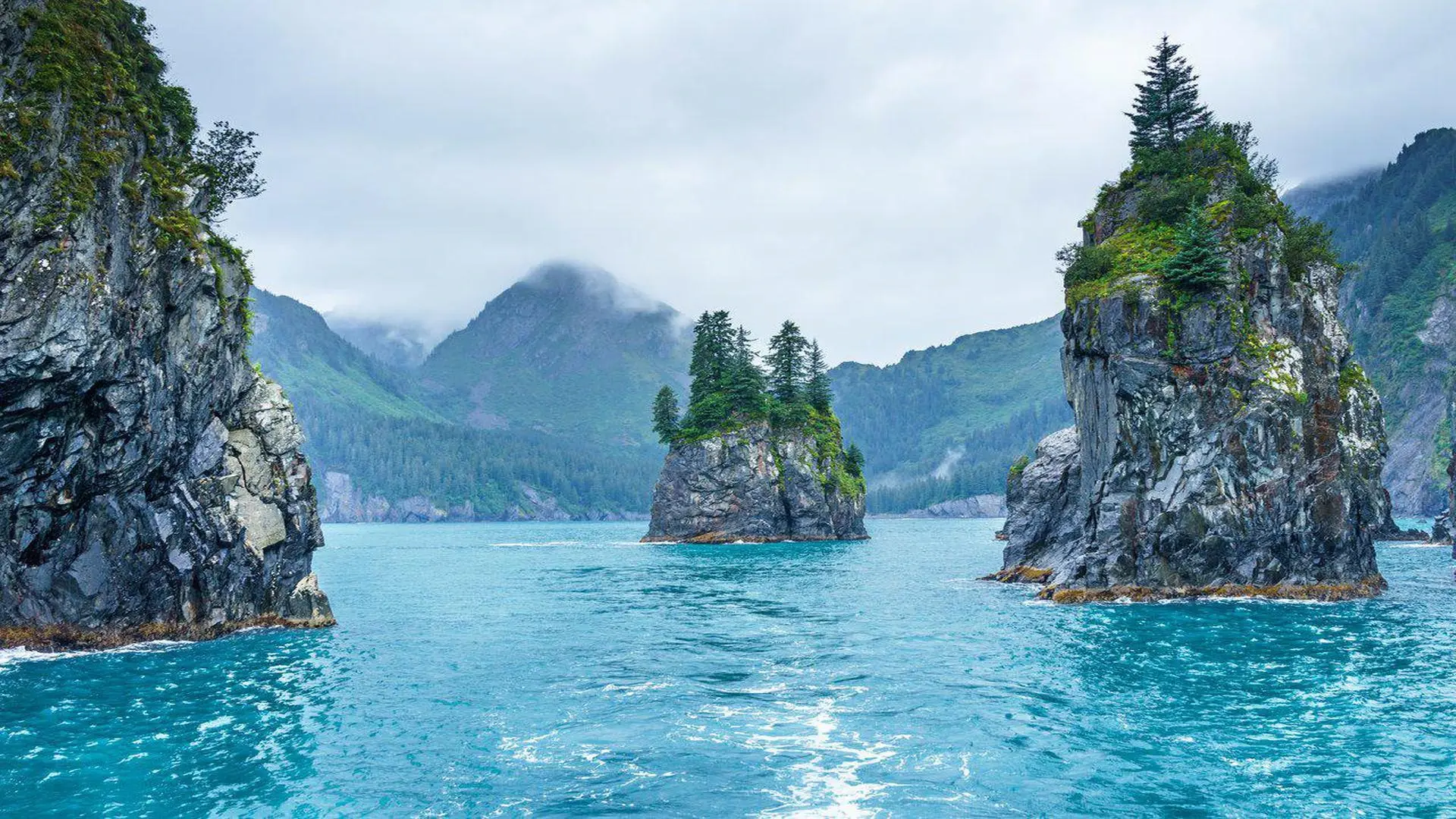
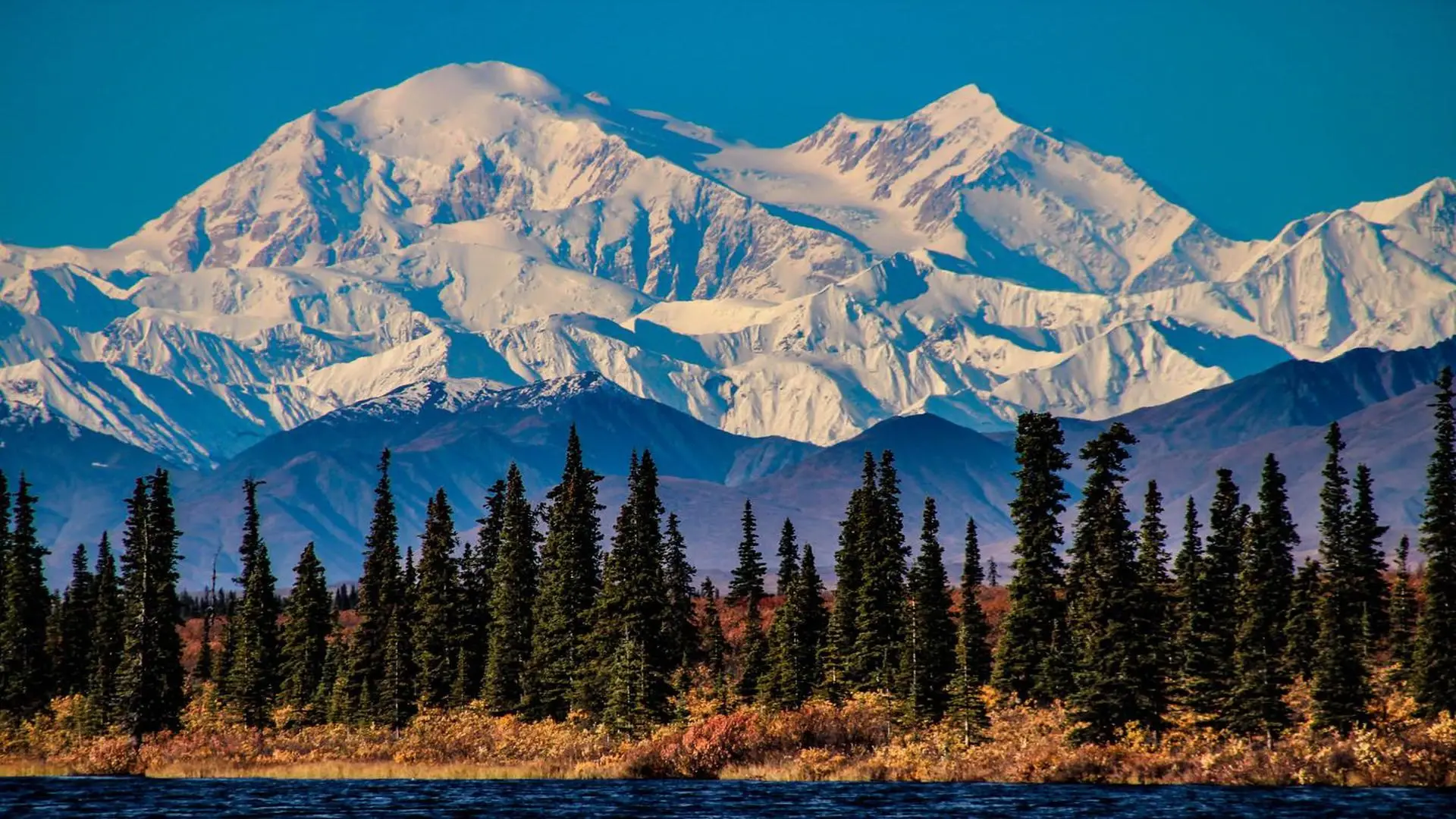
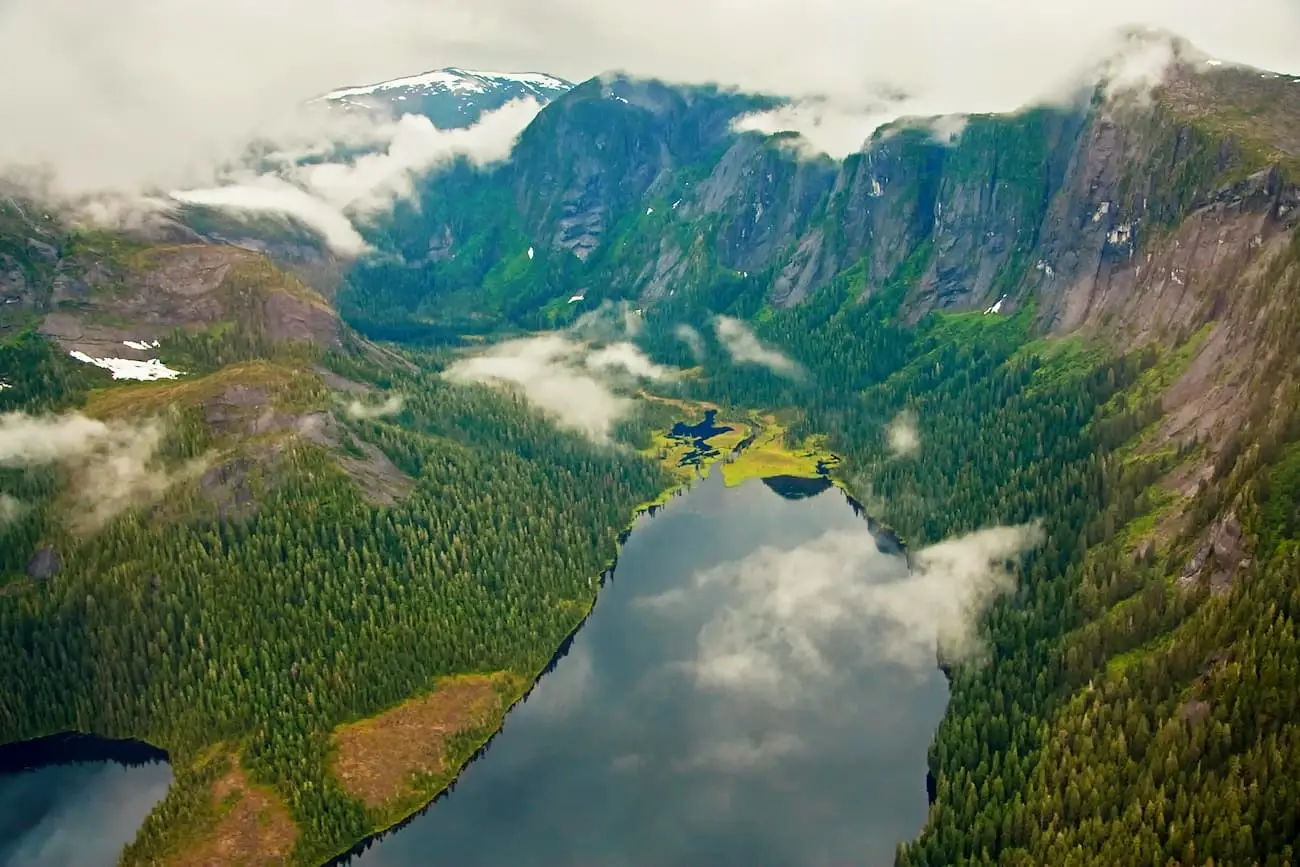
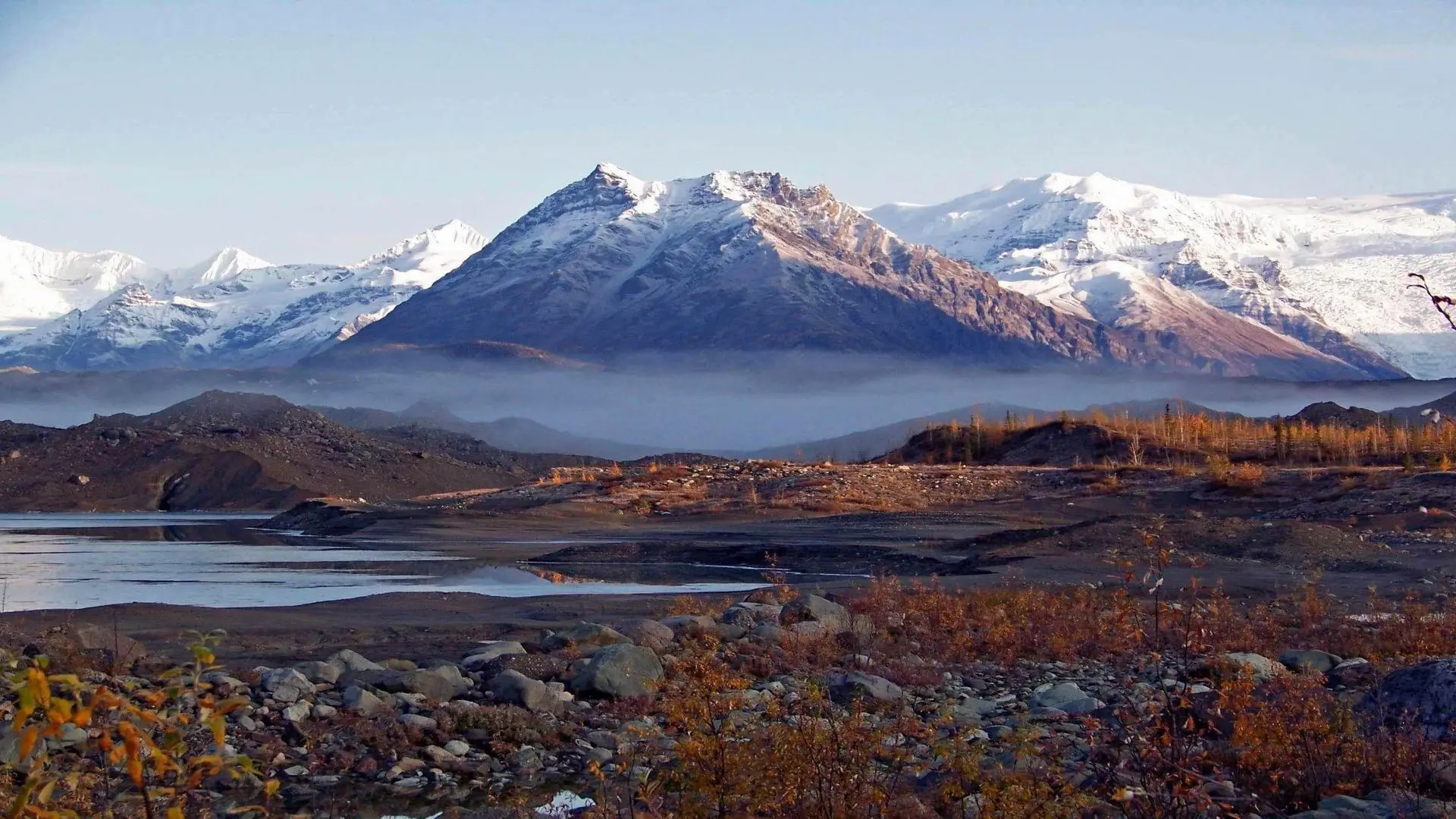
The refuge combines Sitka spruce coastal rainforest with the westernmost boreal forest in North America, which gives it unusually high biodiversity for its latitude[1]. Its habitats range from ice fields and glaciers to tundra, forests and coastal wetlands[1]. The northern lowlands are dense forest with wetlands, bogs and lakes[2].
Geology
Climate and Weather
The refuge spans a wide range of conditions, from maritime-influenced coast to high ice fields. Lakes in the northern lowlands are cold, and the canoe lakes usually break up in mid-May and stay open until mid-October. Biting insects are common on portages and at campsites in summer, and winter brings snow suited to skiing[2].
Human History
The Dena'ina people have long known this land as Yaghanen, "the good land"[1].
Park History
Major Trails and Attractions
The Swan Lake and Swanson River canoe systems in the northern part of the refuge are among only three Wilderness canoe systems in the United States, with about 70 lakes and nearly 120 miles of water and land trails[2]. The Swan Lake route links 30 lakes and the Swanson River route links 40 lakes and 46 miles of the river[2]. The trails are used for paddling, and for skiing in winter[2].
Visitor Facilities and Travel
The canoe trails are reached from Swanson River Road near Sterling, and motor vehicles and aircraft are not allowed on the lakes[2]. The refuge's Visit Us pages list activities, locations, trails and rules[1]. Visitors paddling the system should expect portages of varying length and carry bug protection.
Conservation and Sustainability
The refuge conserves fish and wildlife populations and habitats in their natural diversity, protects water quality and quantity, and provides for research, education and wildlife-oriented recreation[1]. Its mission includes serving as an anchor for biodiversity despite climate change, development and competing demands for resources[1]. The Kenai Wilderness protects 1.32 million acres[1].
Photos
No photos available yet