International Parks
  • Explore
  • Map
  • Ratings
  • Review
  • Wiki
  • Suggest a Park
  • About
Log In
  1. Home
  2. United States Parks
  3. Fall Creek

Quick Actions

Park SummaryView on MapUnited States WikiWiki HomeWrite ReviewReport an Issue

Nearby Parks

Lowell4 kmDexter5 kmElijah Bristow7 kmJasper11 kmRow River23 km

Platform Stats

23,798Total Parks
217Countries & Territories
Support Us
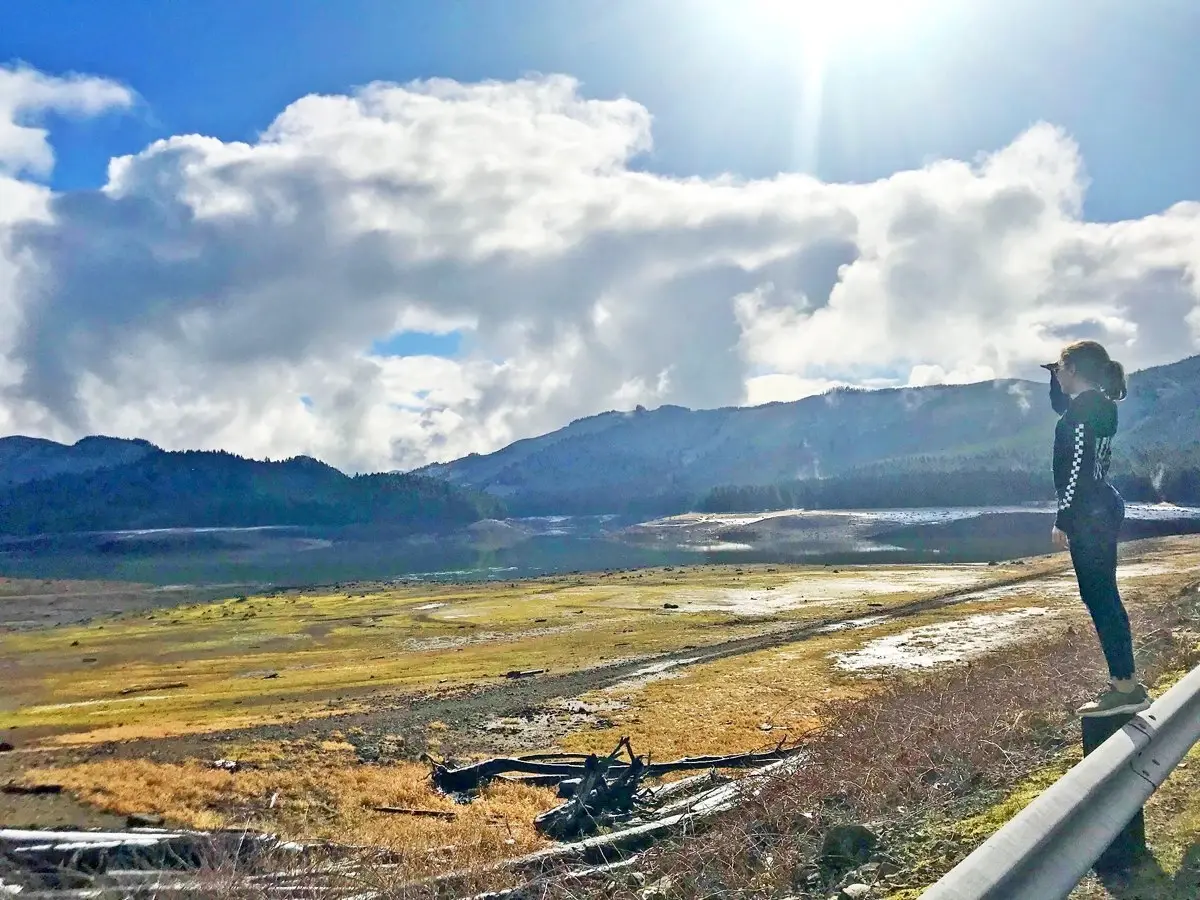
Fall Creek in Oregon, United States

Fall Creek

United States, Oregon

  1. Home
  2. United States Parks
  3. Fall Creek

Fall Creek

LocationUnited States, Oregon
RegionOregon
TypeState Recreation Area
Coordinates43.9415°, -122.7478° (show on the map)
Established1998
Area4.9 km²
Nearest CityLowell (8 mi)
Major CityEugene (35 mi)
See all parks in United States →
Contents
  1. Park Overview
    1. About Fall Creek
    2. Wildlife Ecosystems
    3. Flora Ecosystems
    4. Geology
    5. Climate and Weather
    6. Human History
    7. Park History
    8. Major Trails and Attractions
    9. Visitor Facilities and Travel
    10. Conservation and Sustainability
  2. Visitor Information
    1. Visitor Ratings
    2. Photos
    3. More Parks in Oregon
    4. Top Rated in United States

About Fall Creek

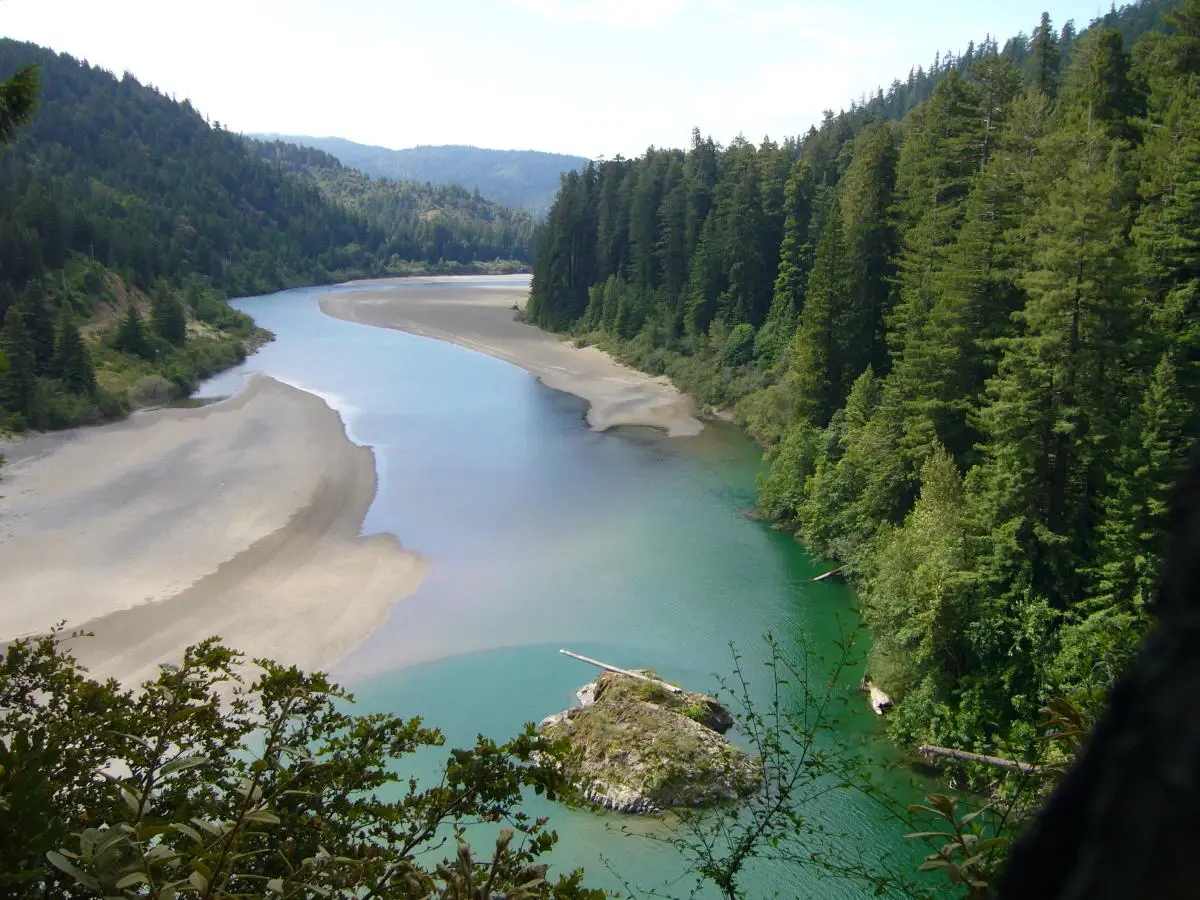
Fall Creek State Recreation Area is located in Oregon and provides riverside recreation and fishing opportunities. The park offers river access for boating, fishing, and riparian habitat exploration. Popular activities include fishing, kayaking, picnicking along the water, and observing salmon runs.

Wildlife Ecosystems

The park supports riparian species such as river otters, beavers, osprey, bald eagles, and anadromous fish including salmon and steelhead. The river provides critical habitat for spawning salmon and steelhead, while riparian corridors support great blue herons, kingfishers, and waterfowl. Seasonal migrations bring remarkable wildlife viewing opportunities.

Flora Ecosystems

Vegetation consists of riparian forest with black cottonwood, red alder, willows, Douglas fir, western red cedar, and understory plants like salmonberry, Oregon grape, and sword fern. Riparian vegetation stabilizes riverbanks, provides wildlife habitat, and creates important ecological corridors connecting different habitats.

Geology

The area's geology reflects fluvial processes that carved river valleys through volcanic rocks from Cascade Range eruptions. Glacial activity during the Pleistocene influenced valley formation and sediment deposition patterns.. Stratified riverbank sediments show alternating layers of gravel, sand, and silt deposited during various flow regimes and flood events.

Climate and Weather

The climate is temperate with seasonal variation. Winters are mild and wet while summers are warm and dry. Temperatures range from 35-85°F depending on season and elevation. Annual precipitation averages 40-60 inches.

Human History

The region has been inhabited for thousands of years by indigenous peoples who relied on salmon runs as primary food sources, establishing fishing camps and permanent villages along productive rivers. European-American arrival in the mid-1800s brought significant changes including resource extraction, settlement, and displacement of native populations. Logging, fishing, ranching, or agriculture shaped the landscape before parkland designation.

Park History

Fall Creek was established by Oregon State Parks to protect natural resources and provide public recreation access. Development included visitor facilities such as campgrounds, picnic areas, trails, and interpretive features to support various recreational activities while protecting natural values. The park has evolved over time to meet changing visitor needs while maintaining its core conservation and recreation mission.

Major Trails and Attractions

Key attractions include river access points, fishing locations, boat launches, and trails following riparian corridors with opportunities to observe wildlife and enjoy waterfront settings. Trails and attractions vary seasonally with best access typically during spring through fall months.

Visitor Facilities and Travel

Access is typically via Oregon state highways with well-marked turnoffs from major roads. Facilities commonly include developed campgrounds, picnic areas with tables and shelters, restrooms, boat launches, and parking areas. Most parks are day-use or offer camping, with seasonal variations in facility availability. Weather varies seasonally with wet winters and dry summers typical of Oregon.

Conservation and Sustainability

Park management focuses on maintaining riparian health, protecting water quality for anadromous fish, and managing invasive species threatening native vegetation. Restoration efforts may include riparian plantings, bank stabilization, and removal of invasive species like Himalayan blackberry. The park serves important roles in Oregon's broader conservation network, supporting salmon recovery efforts and watershed health initiatives.

Visitor Ratings

46

Overall score: 46 out of 100

Out of 100. It is led by the park’s strongest nature scores (uniqueness, beauty, geology, plant life, wildlife) and pulled down by low safety, so it is not the average of the ten categories below.

Uniqueness
25/100
Intensity
18/100
Beauty
52/100
Geology
32/100
Plant Life
38/100
Wildlife
48/100
Tranquility
55/100
Access
80/100
Safety
88/100
Heritage
22/100
What the categories mean
Uniqueness
How distinctive and memorable are the park's natural features, landscapes, and overall character?
Intensity
How extreme, challenging, and adventurous are the terrain, activities, and trails?
Beauty
How beautiful are the landscapes, vistas, and natural features?
Geology
How impressive and unique are the geological formations and features?
Plant Life
How diverse and unique is the plant life? Consider rare species and distinctive ecosystems.
Wildlife
How abundant and diverse is the wildlife? Consider rare species and unique animal ecosystems.
Tranquility
How peaceful and serene is the environment? Consider noise levels and opportunities for solitude.
Access
How easy is it to reach and explore key features? Consider facilities and trail accessibility.
Safety
How safe is the park, region, and journey? Consider dangerous wildlife, plants, weather, crime, and political stability.
Heritage
How significant are the historical and cultural features?

Photos

1 photo
Fall Creek in Oregon, United States

More Parks in Oregon

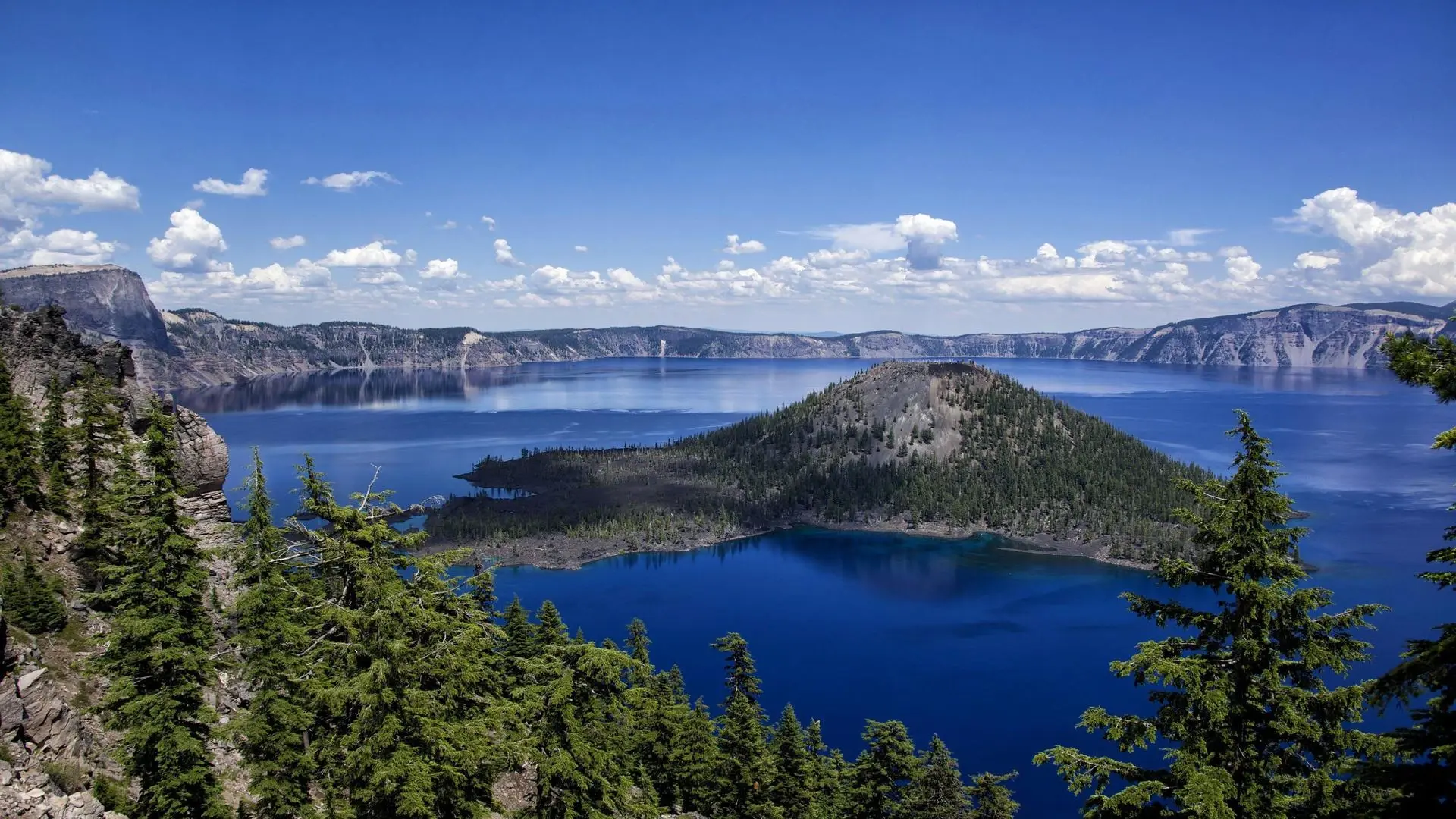
Crater Lake, Oregon
Crater LakeOregon82
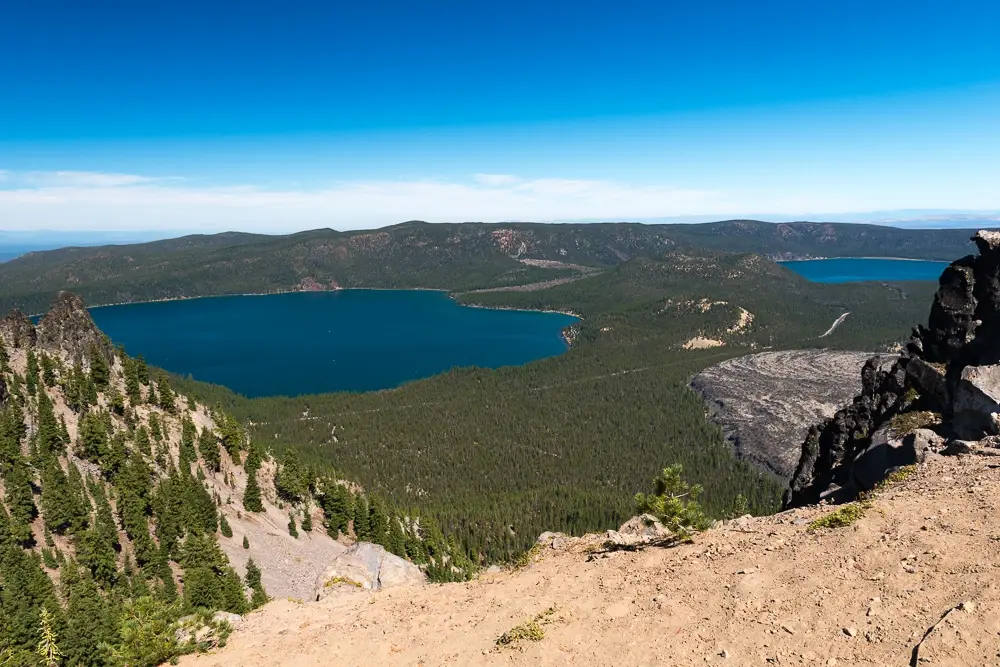
Newberry, Oregon
NewberryOregon79
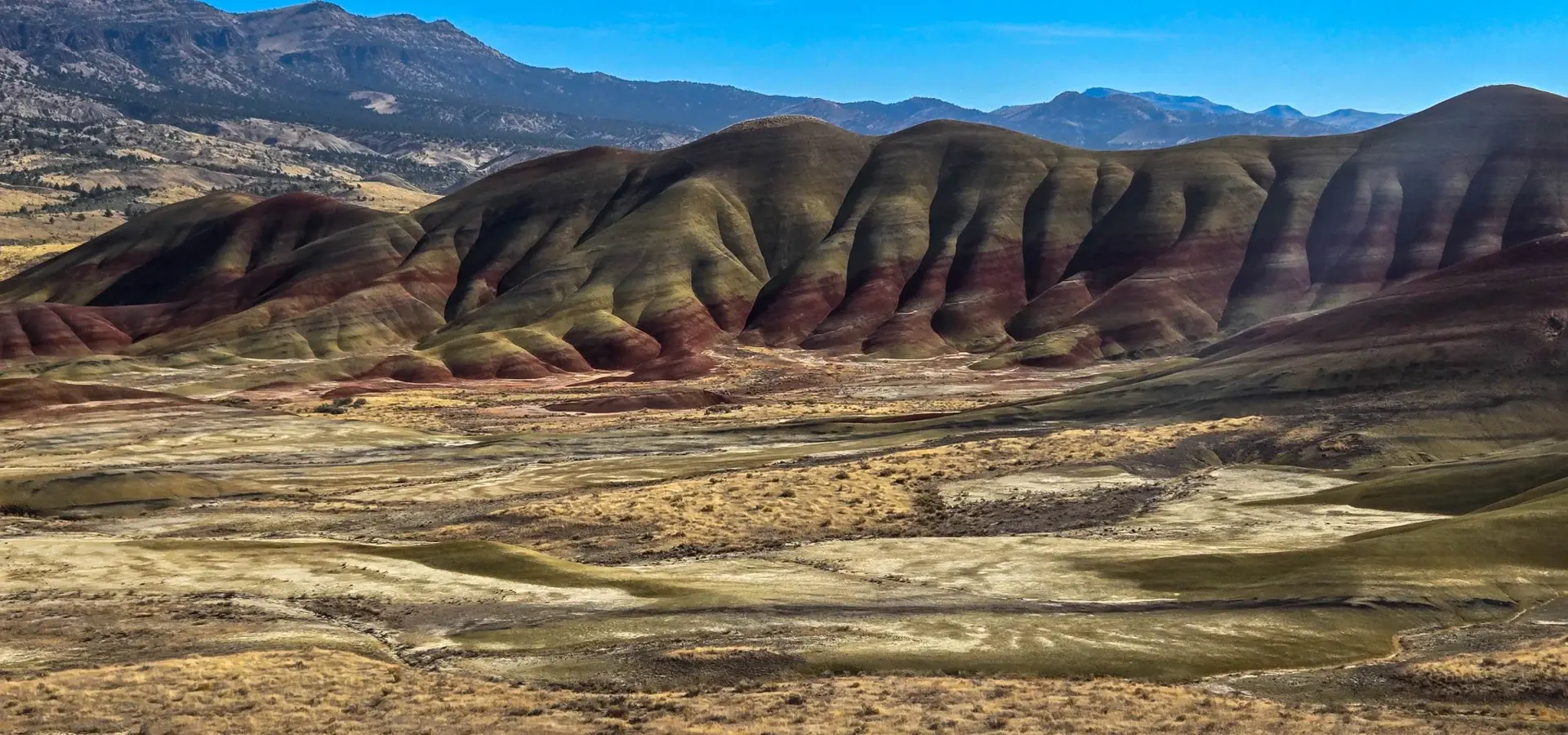
John Day Fossil Beds, Oregon
John Day Fossil BedsOregon78
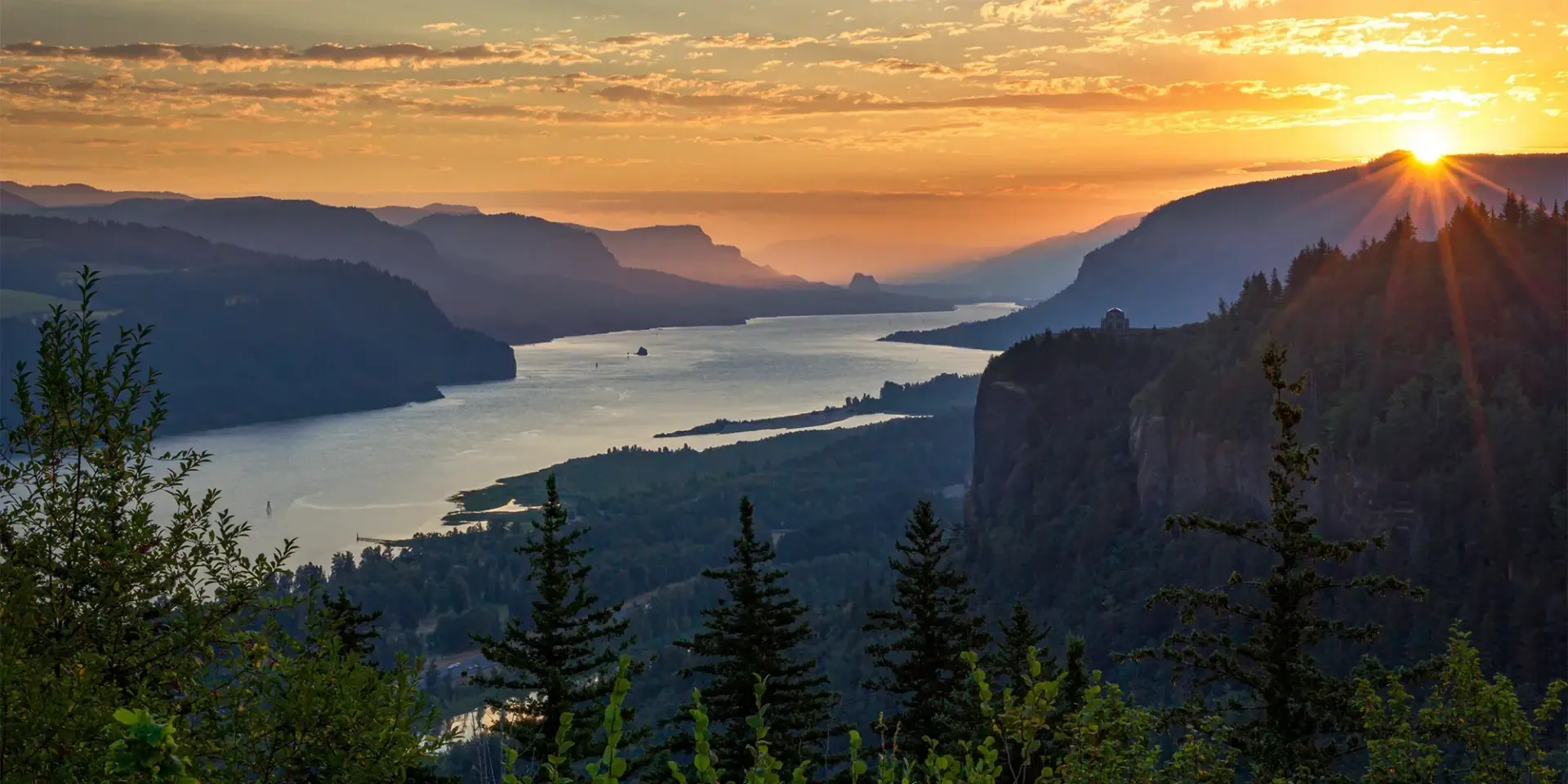
Columbia River Gorge, Oregon, Washington
Columbia River GorgeOregon, Washington76
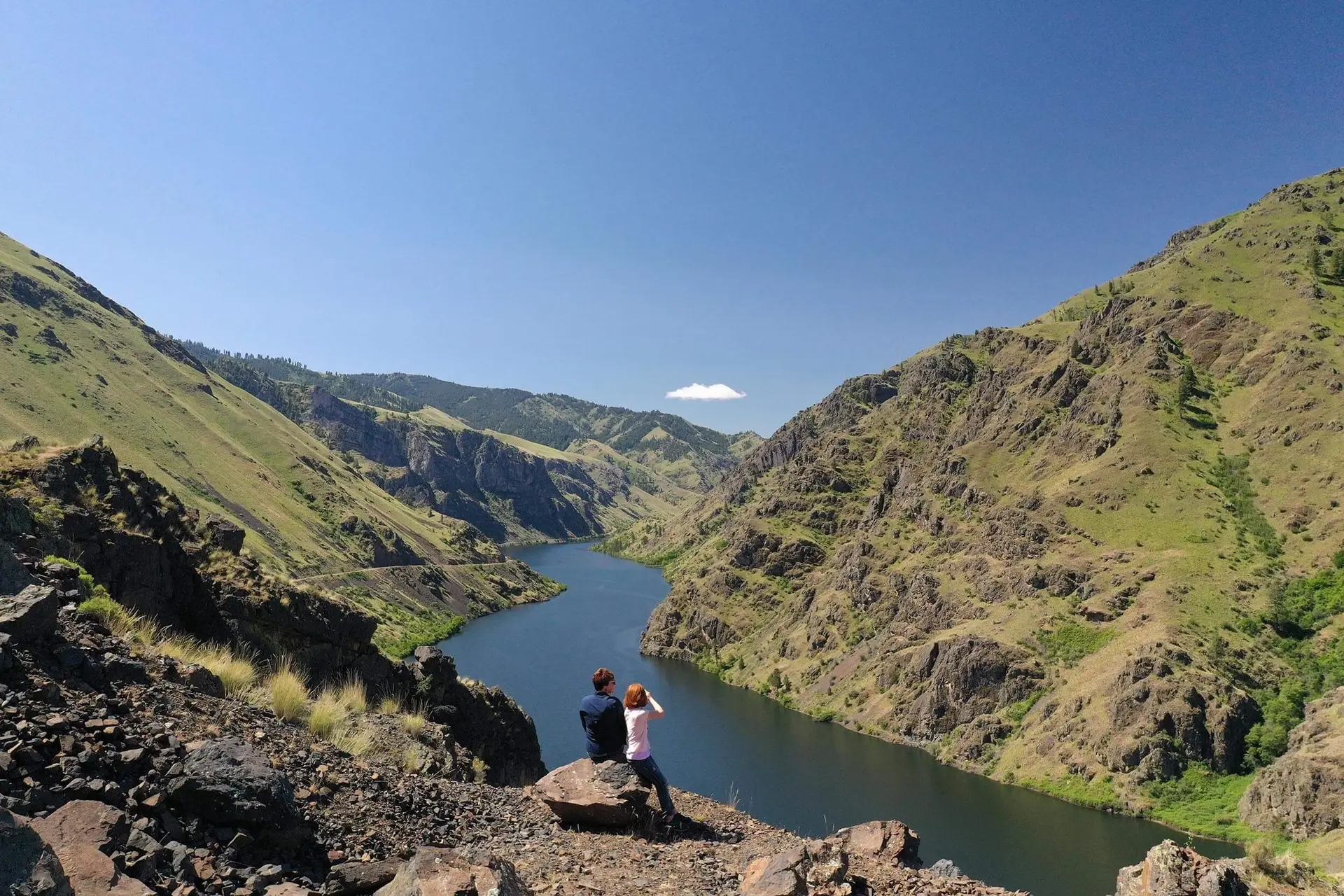
Hells Canyon, Oregon
Hells CanyonOregon76
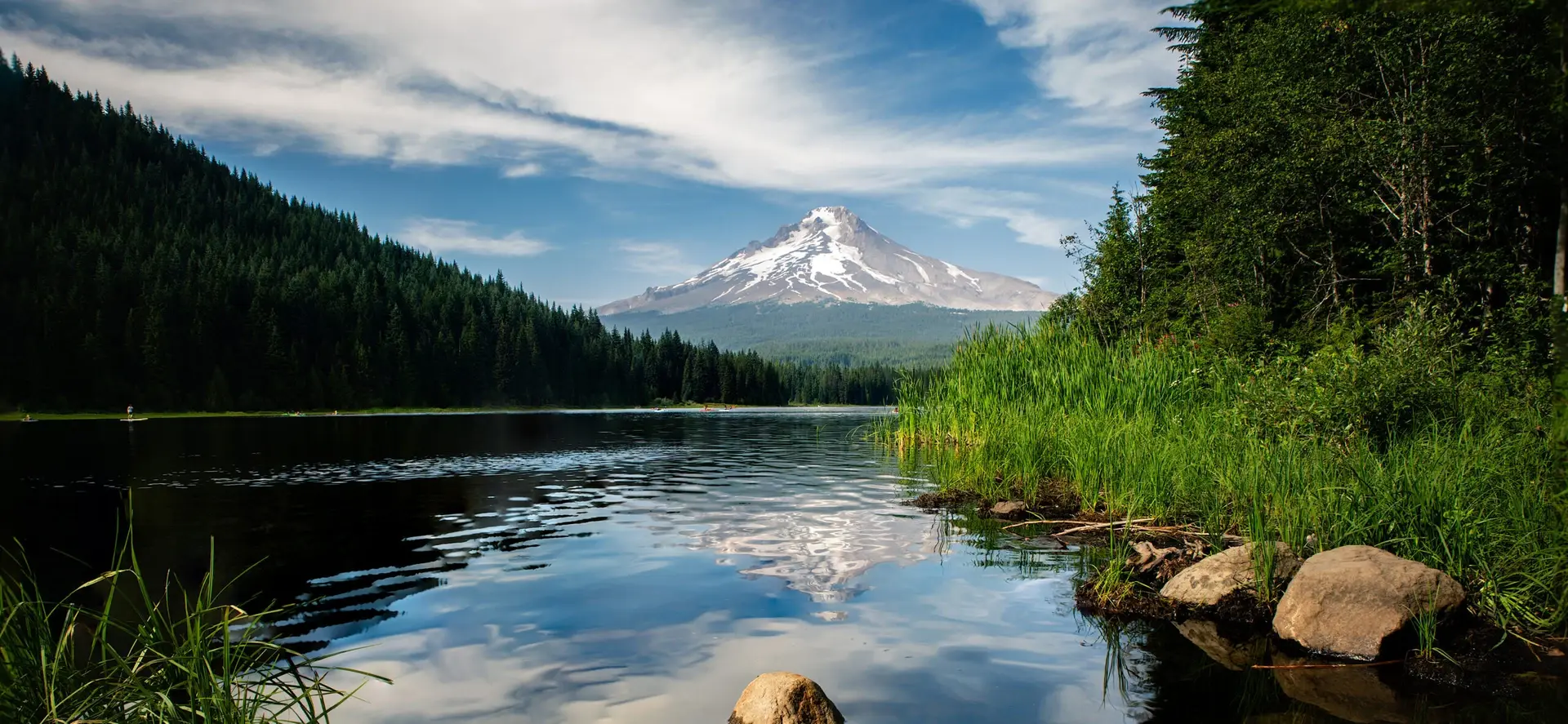
Mount Hood National Recreation Area, Oregon
Mount HoodNational Recreation Area · Oregon75

Top Rated in United States

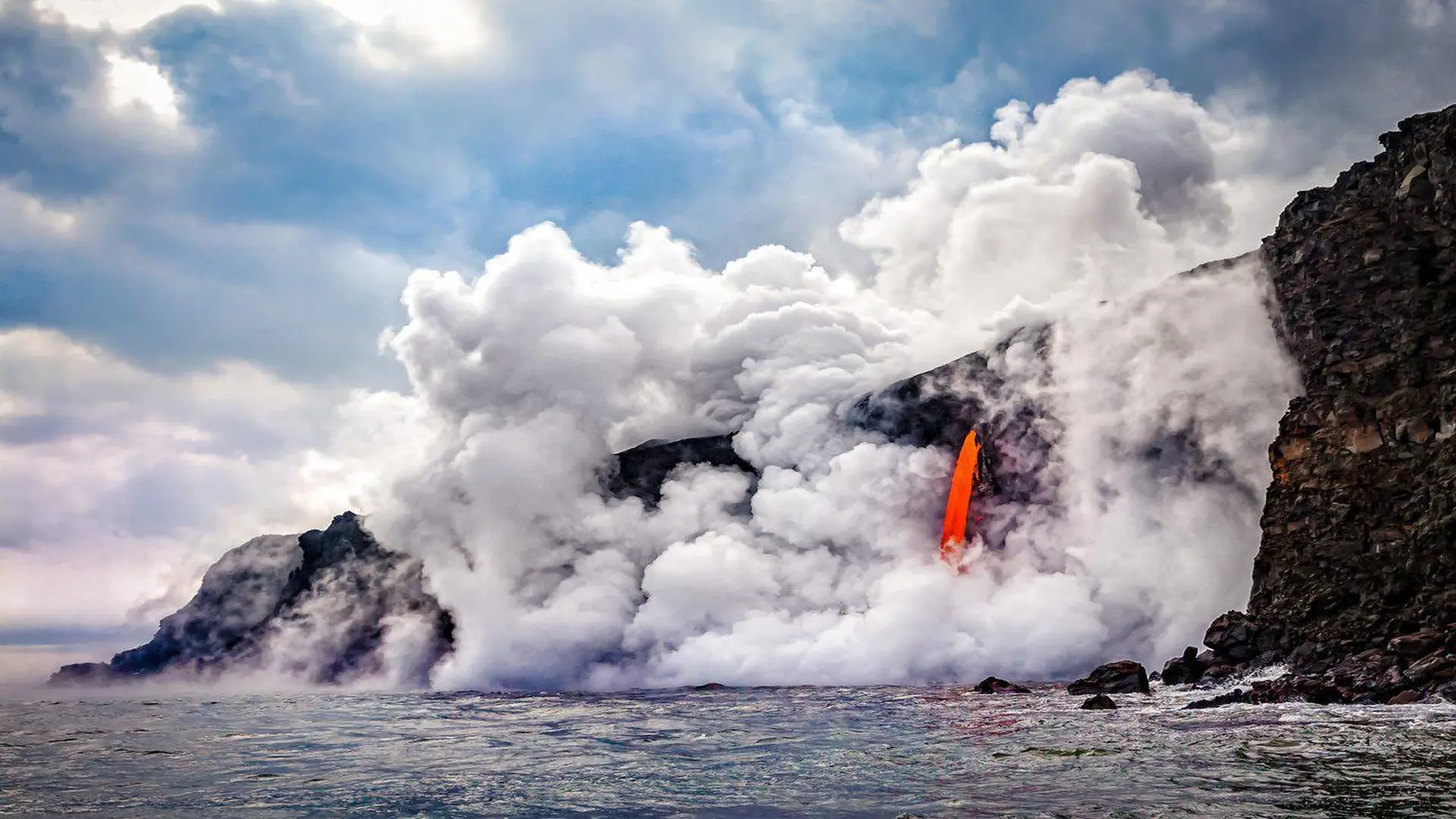
Hawaii Volcanoes, Hawaii
Hawaii VolcanoesHawaii86
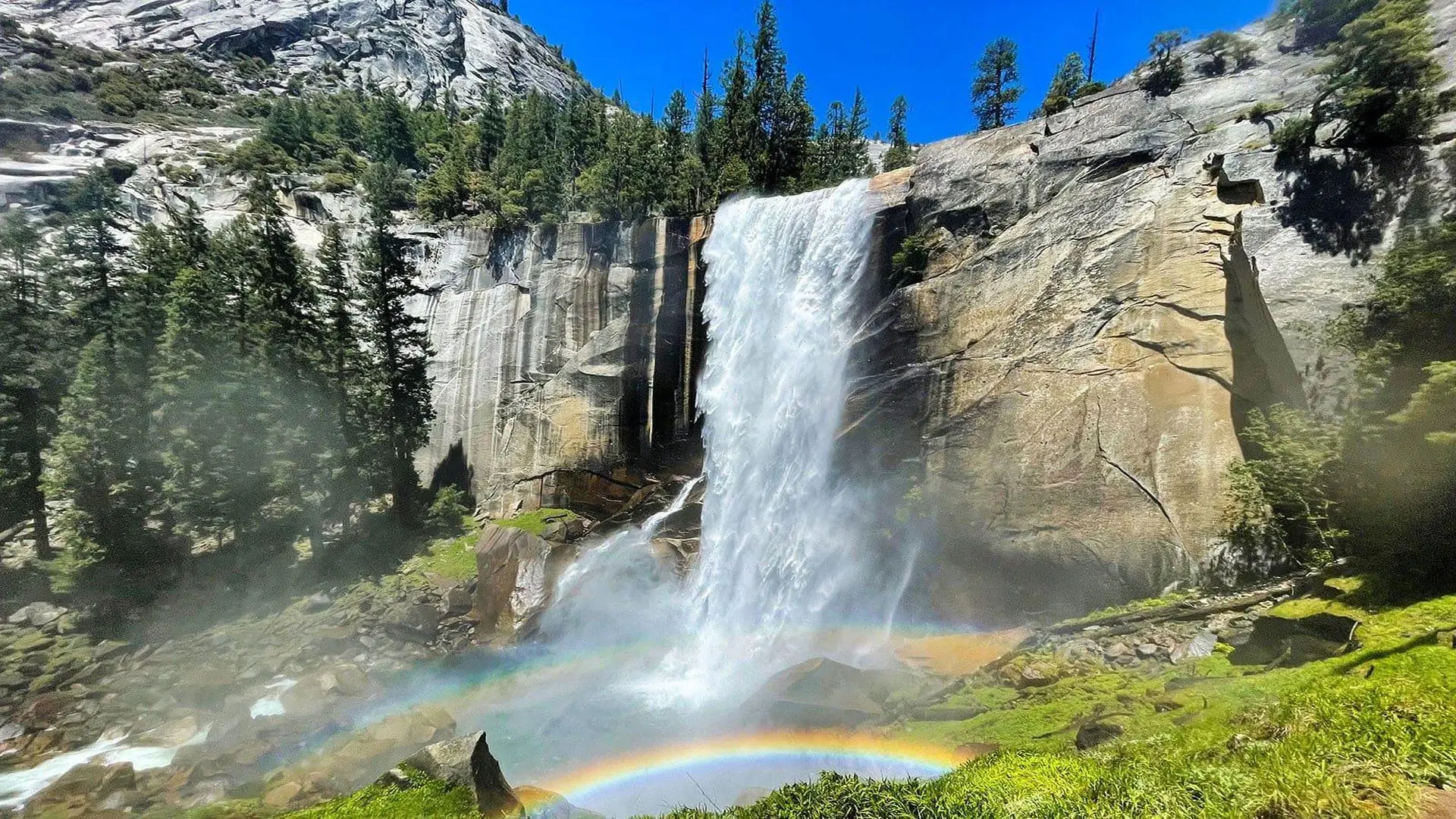
Yosemite, California
YosemiteCalifornia86
Mount St. Helens, Washington
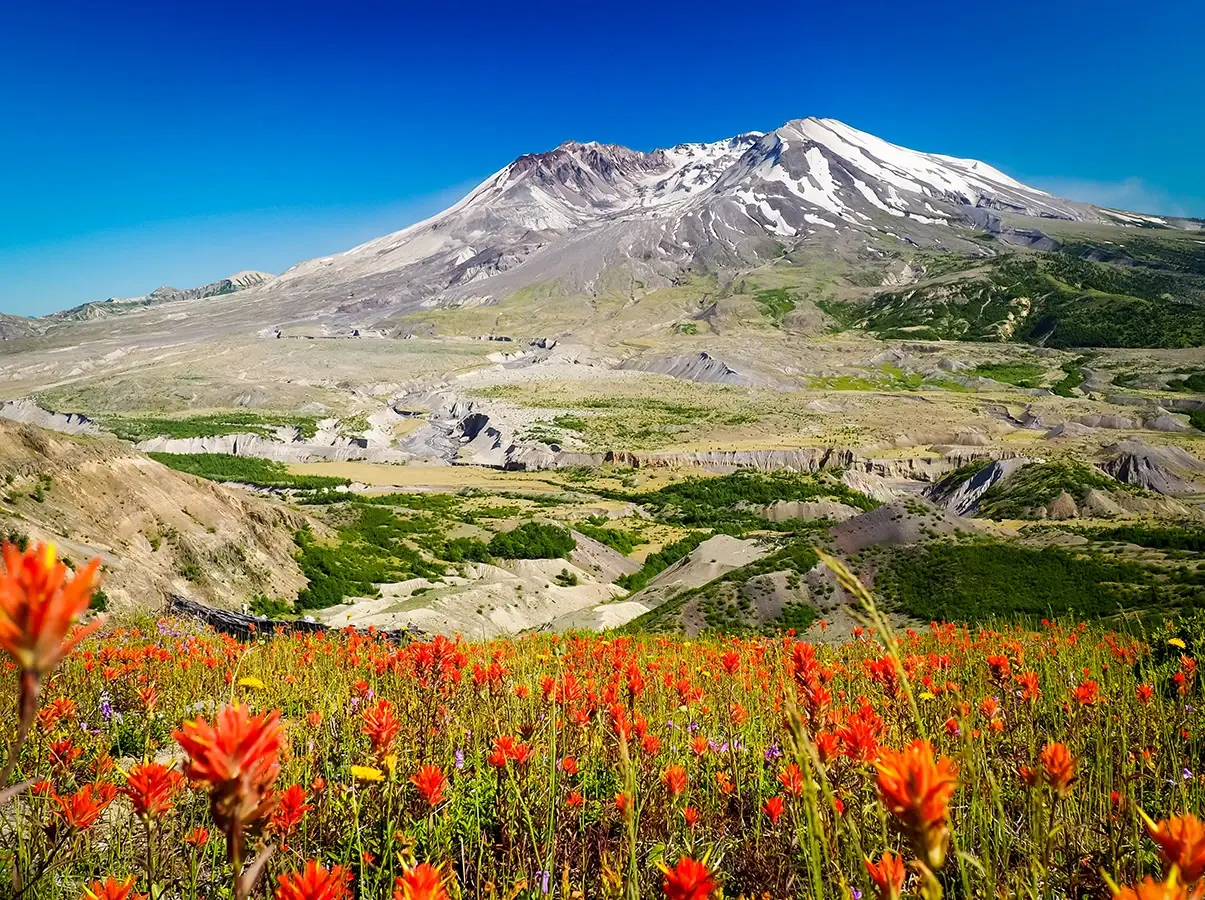
Mount St. HelensWashington84
Humboldt Redwoods, California
Humboldt RedwoodsCalifornia84
Redwood, California
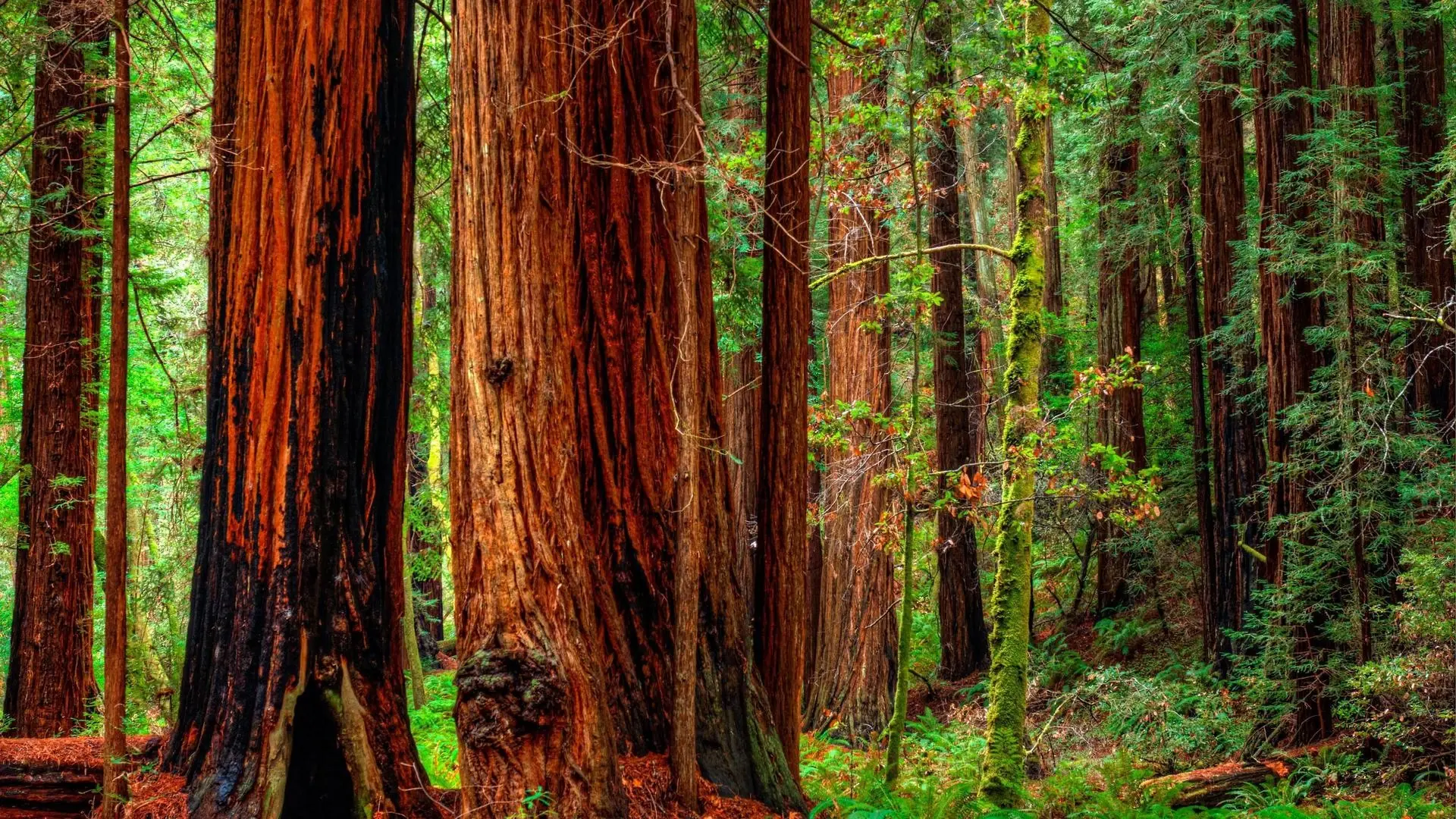
RedwoodCalifornia84
Sun Lakes-Dry Falls, Washington
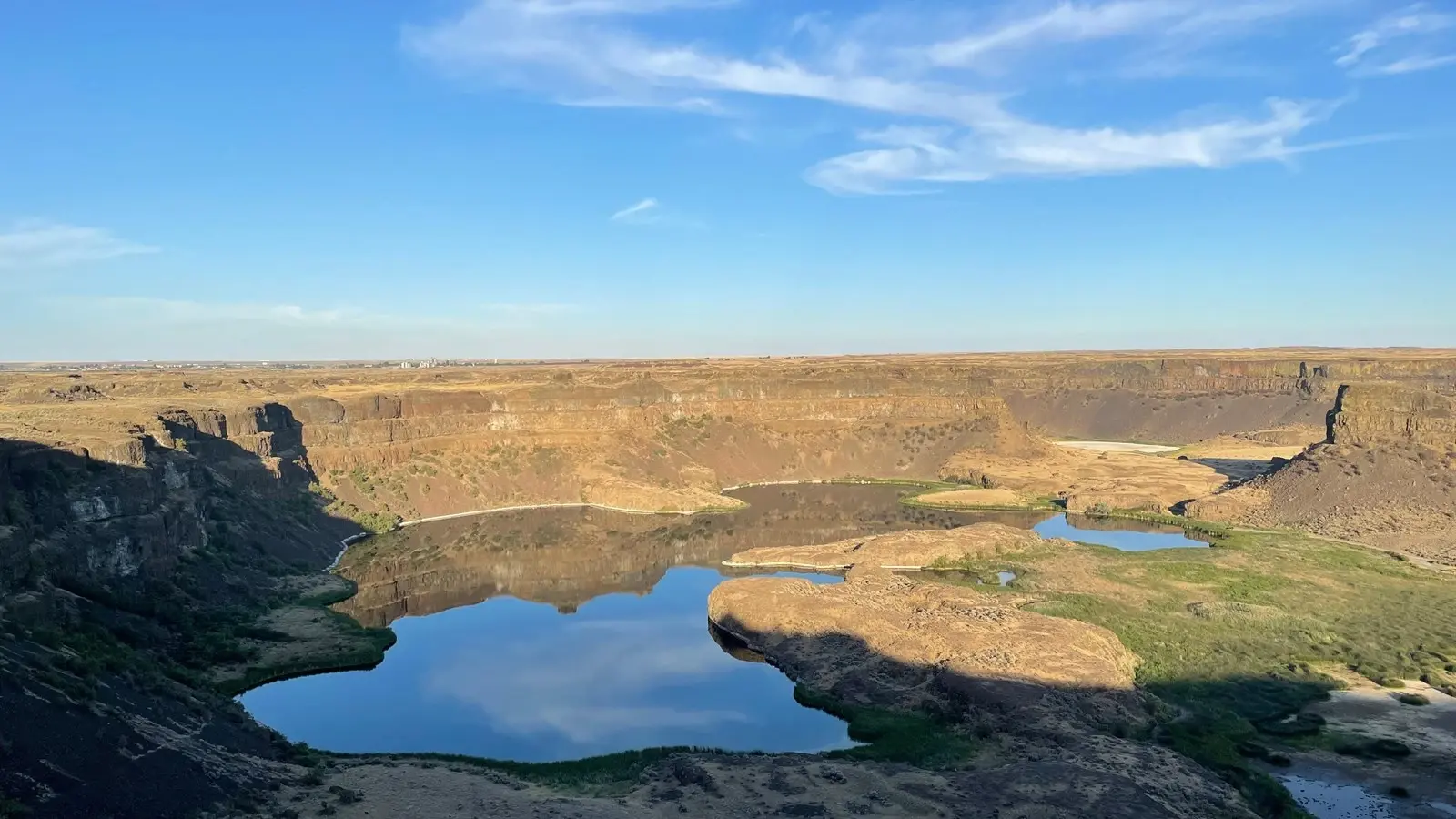
Sun Lakes-Dry FallsWashington83

International Parks

Helping nature enthusiasts discover and explore the world's most remarkable protected areas.

© 2026 International Parks. All rights reserved.

Navigation

  • Home
  • Explore Parks
  • Interactive Park Map
  • Park Ratings & Rankings
  • Park Wiki
  • Parks by Country

Resources

  • About Us
  • US National Park Seasons
  • Privacy & Terms
  • Copyright & Takedown

Account

  • My Profile
  • Suggest a Park
  • Write a Review
  • Log In
  • Sign Up

Connect

Support This Project

Contact Us

internationalparksbusiness@gmail.com

Explore by Country

  • United States
  • Canada
  • Australia
  • United Kingdom
  • Japan
  • Brazil
  • India
  • France
  • Germany
  • Italy
  • Spain
  • Thailand
  • All countries