Chittenango Falls
United States, New York
About Chittenango Falls
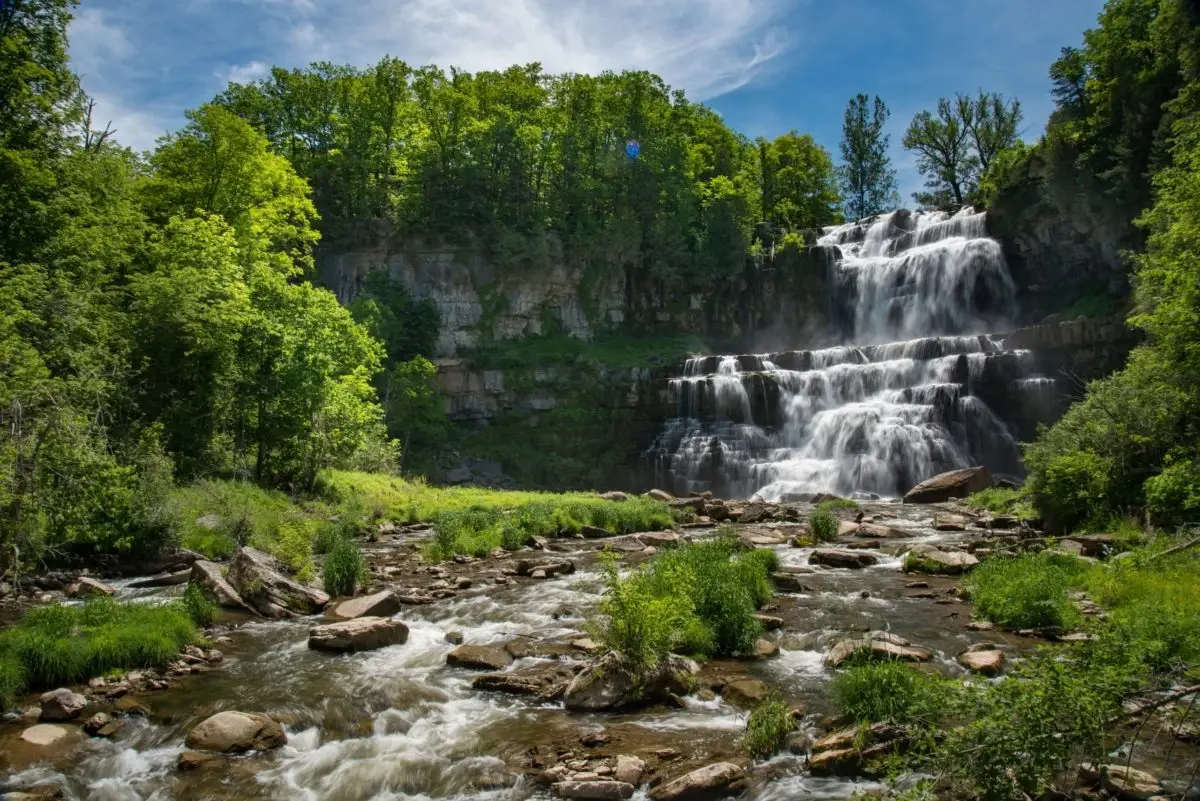
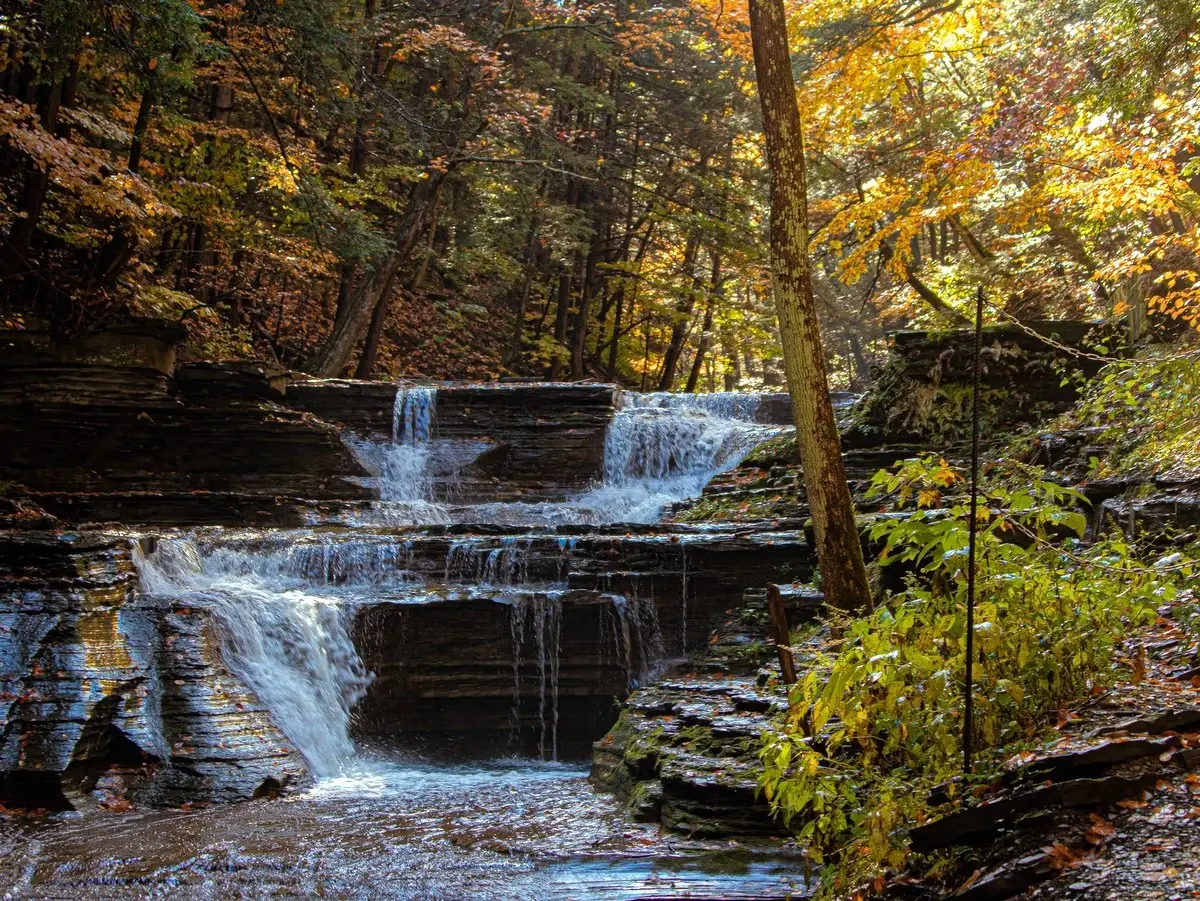
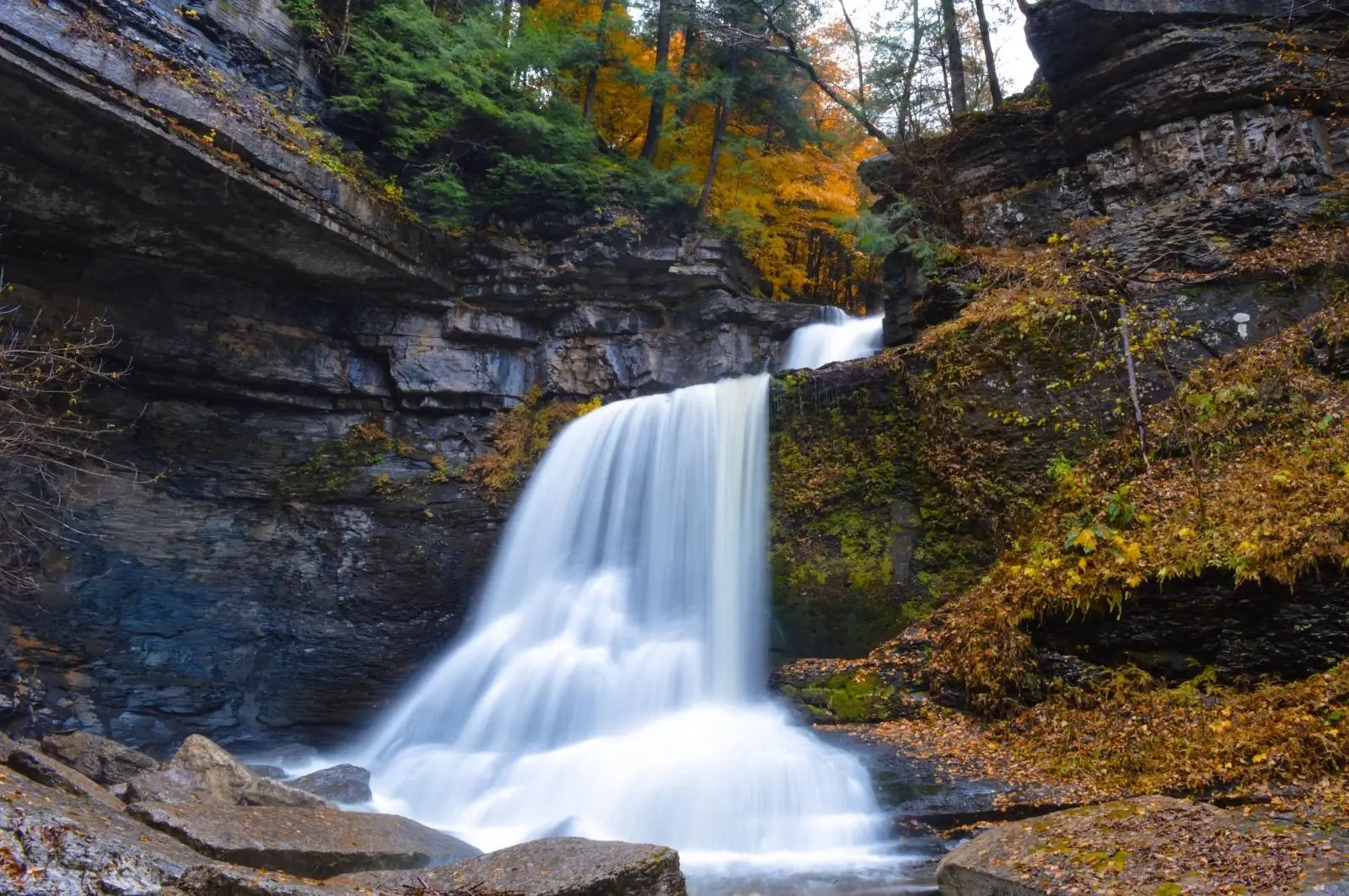
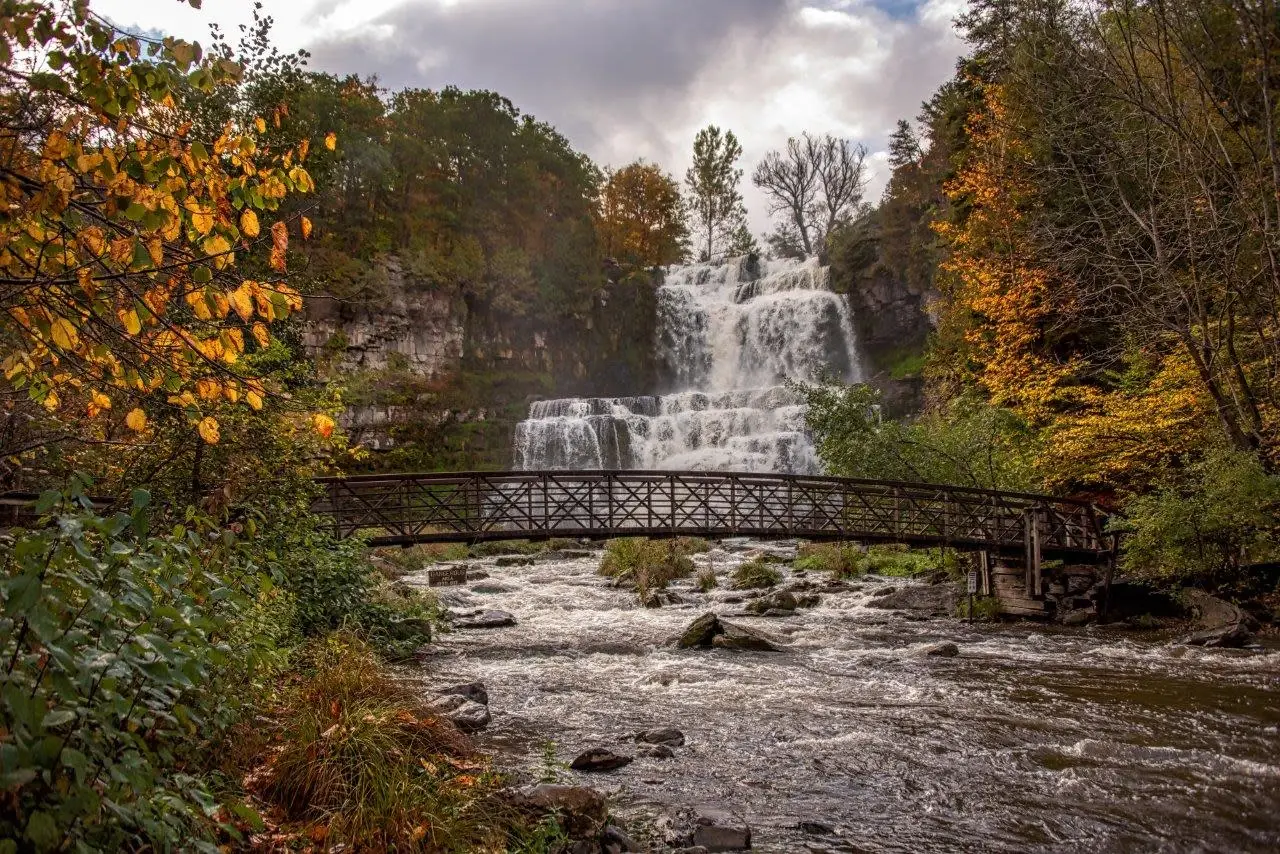
Chittenango Falls State Park showcases a spectacular 167-foot waterfall tumbling over layered bedrock in a forested gorge, making it one of the highest waterfalls in New York State. The park's 193 acres feature hiking trails that offer multiple viewpoints of the falls and the surrounding gorge, including a trail that descends to the base. The park is also home to the endangered Chittenango ovate amber snail, found only in the spray zone of this waterfall. Year-round access allows visitors to experience the falls in all seasons, from spring torrents to frozen winter sculptures.
Wildlife Ecosystems
The park supports diverse wildlife populations typical of New York's forested landscapes, with white-tailed deer, black bears, raccoons, and porcupines among the larger mammals. Bird diversity includes year-round residents such as chickadees, woodpeckers, and blue jays, along with seasonal migrants including warblers, thrushes, and vireos during spring and fall. Small mammals like eastern chipmunks, gray squirrels, and various mice species are abundant throughout wooded areas. Amphibians including wood frogs, spring peepers, and various salamander species inhabit wetland areas and emerge vocally during spring breeding season.
Flora Ecosystems
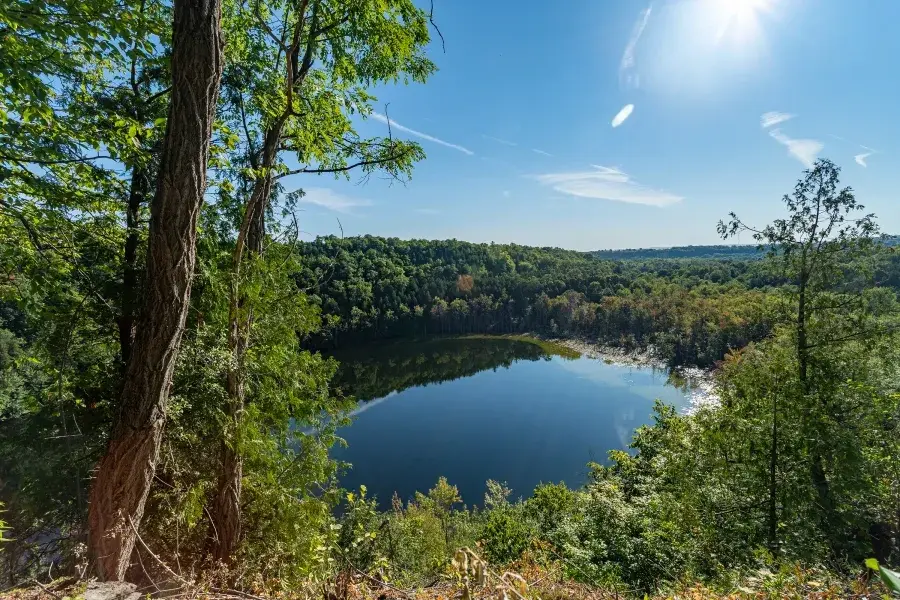
Forested areas feature mixed hardwood communities typical of upstate New York, with sugar maple, American beech, red oak, and white ash forming the canopy. Understory vegetation includes flowering dogwood, witch hazel, and various shrubs providing food and cover for wildlife. Spring wildflowers including trillium, jack-in-the-pulpit, wild ginger, and bloodroot create colorful displays before the canopy fully develops. Wetland areas support different plant communities with red maple, ash, cattails, sedges, and various aquatic plants. The diverse plant communities provide year-round visual interest and support complex food webs.
Geology
The park's terrain was fundamentally shaped by continental glaciation during the Pleistocene ice age, with glaciers retreating from the region approximately 12,000 years ago. Glacial deposits including till, outwash, and erratic boulders are scattered throughout the landscape. The underlying bedrock consists of sedimentary rocks including shale, limestone, and sandstone deposited in ancient seas 350-400 million years ago during the Devonian and Silurian periods. Post-glacial processes including stream erosion, weathering, and soil formation continue to modify the landscape. The relatively flat to gently rolling terrain typical of much of the park reflects both bedrock structure and glacial smoothing.
Climate and Weather
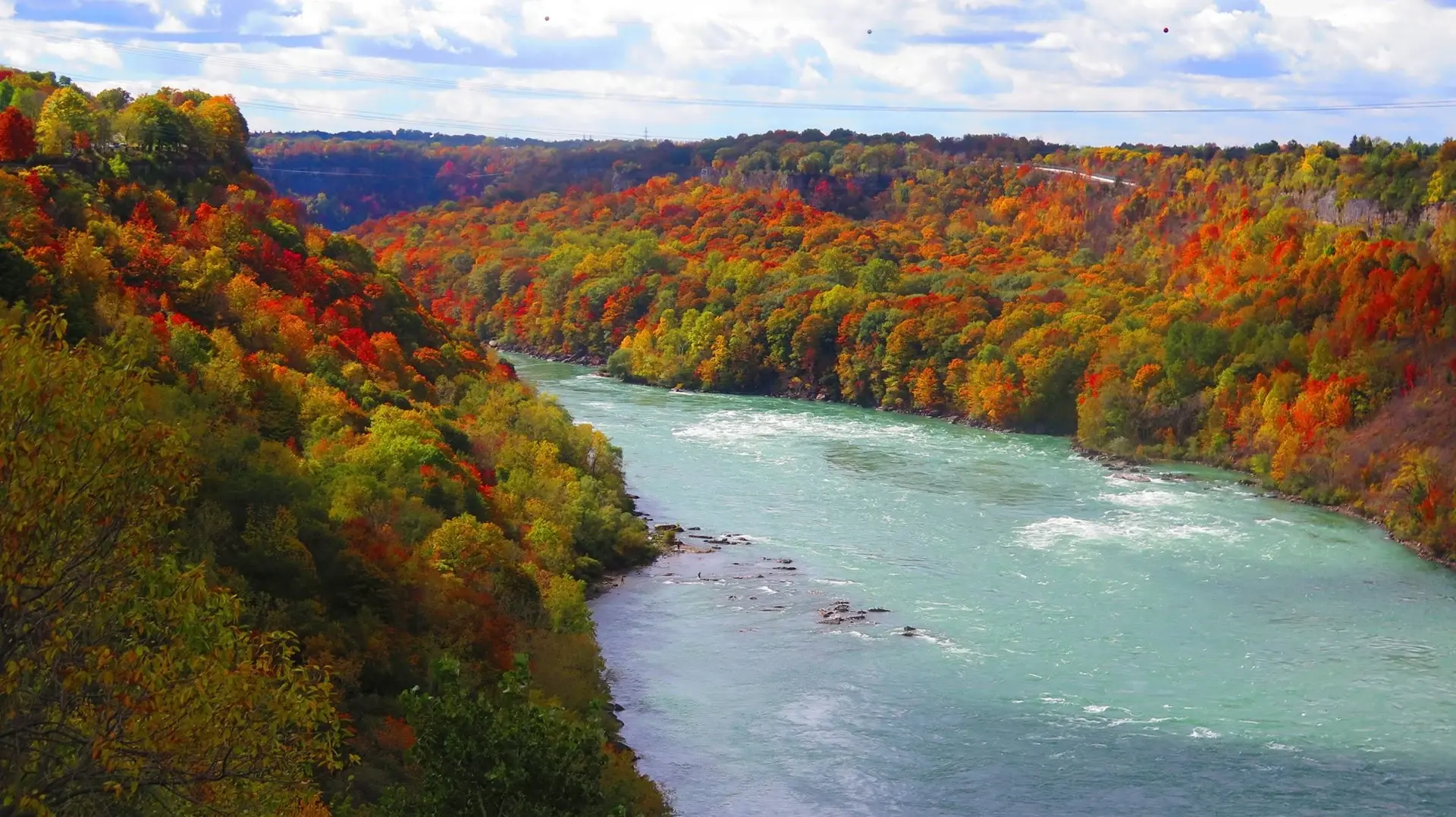
The park experiences a humid continental climate typical of upstate New York, with four distinct seasons throughout the year. Winters are cold with average temperatures ranging from 15-30°F, bringing significant snowfall that enables winter recreation activities. Summer temperatures average 65-80°F, providing pleasant conditions for hiking, camping, and water activities. Spring and fall offer mild temperatures with spectacular seasonal changes, including vibrant fall foliage displays typical of the region. Annual precipitation averages 35-40 inches distributed fairly evenly throughout the year, with lake effect snow increasing totals in areas near the Great Lakes or Finger Lakes.
Human History
The region was originally inhabited by the Haudenosaunee (Iroquois Confederacy) peoples who utilized the area's forests, waterways, and abundant game for thousands of years before European contact. European settlement began in earnest following the American Revolution, with the area opened to settlers in the late 1700s and early 1800s. Early settlers cleared forests for agriculture, established mills along waterways, and developed small communities. The 19th century saw logging, farming, and small-scale industry as the primary economic activities. By the early 20th century, recognition of the area's recreational value led to conservation efforts and eventual park establishment.
Park History
The park was established as part of New York State's expanding park system during the mid-20th century as recreational demands increased with population growth and automobile ownership. Land acquisition occurred over several years through purchases and donations from private landowners, with some parcels having previously been farmland or timberland. Development of facilities including campgrounds, trails, beaches, and picnic areas took place in phases, with Civilian Conservation Corps possibly contributing to early infrastructure in some cases. The park has been expanded and improved over the decades with additional land acquisitions and facility upgrades. Today Chittenango Falls is managed by the New York State Office of Parks, Recreation and Historic Preservation as part of the statewide park system serving millions of visitors annually.
Major Trails and Attractions
Primary recreational activities include hiking on maintained trail systems offering varying difficulty levels and distances. Swimming and beach activities are popular during summer months at designated swimming areas with lifeguard supervision. Boating and fishing access allows visitors to enjoy water-based recreation, with boat launches serving both motorized and non-motorized watercraft. Picnic areas with tables, grills, and shelters provide day-use facilities for families and groups. Winter activities may include cross-country skiing, snowshoeing, and ice fishing when conditions permit. Nature observation and wildlife photography attract visitors year-round, with seasonal changes offering different viewing opportunities.
Visitor Facilities and Travel
The park offers camping facilities with tent sites and RV-accessible sites equipped with electric hookups, though specific amenity levels vary by site. Restroom and shower facilities serve the camping areas during the operating season. Day-use areas include parking lots, picnic grounds with tables and grills, and playgrounds for children. Beach facilities include changing areas and seasonal concession stands during peak summer months. A park office provides visitor information and assistance during operating hours. The park is typically accessible from May through October, though some facilities may operate on extended schedules. Entrance fees apply during peak season, with camping requiring advance reservations. The park is located within driving distance of nearby communities offering additional services.
Conservation and Sustainability
The park is managed by New York State Office of Parks, Recreation and Historic Preservation with focus on balancing public recreation with natural resource protection. Conservation efforts address invasive species management including emerald ash borer, hemlock woolly adelgid, and non-native plants that threaten native ecosystems. The park implements sustainable practices including erosion control on trails, water quality monitoring, and habitat restoration projects. Educational programs help visitors understand local ecosystems and their role in conservation, while ongoing monitoring tracks wildlife populations and ecosystem health to inform adaptive management strategies.
Photos
1 photo