Jeju Island
South Korea, Jeju
About Jeju Island
Wildlife Ecosystems
Flora Ecosystems
Geology
Climate and Weather
The climate is mostly humid subtropical, with cool winters and hot, humid, very rainy summers. Seogwipo is milder in winter, and the Hallasan highlands receive the most rain in Korea[1].
Human History
The island has been inhabited since the early Neolithic and has been known by names including Tamna and Quelpart. Its shamanism is among the best preserved in Korea[1].
Park History
Major Trails and Attractions
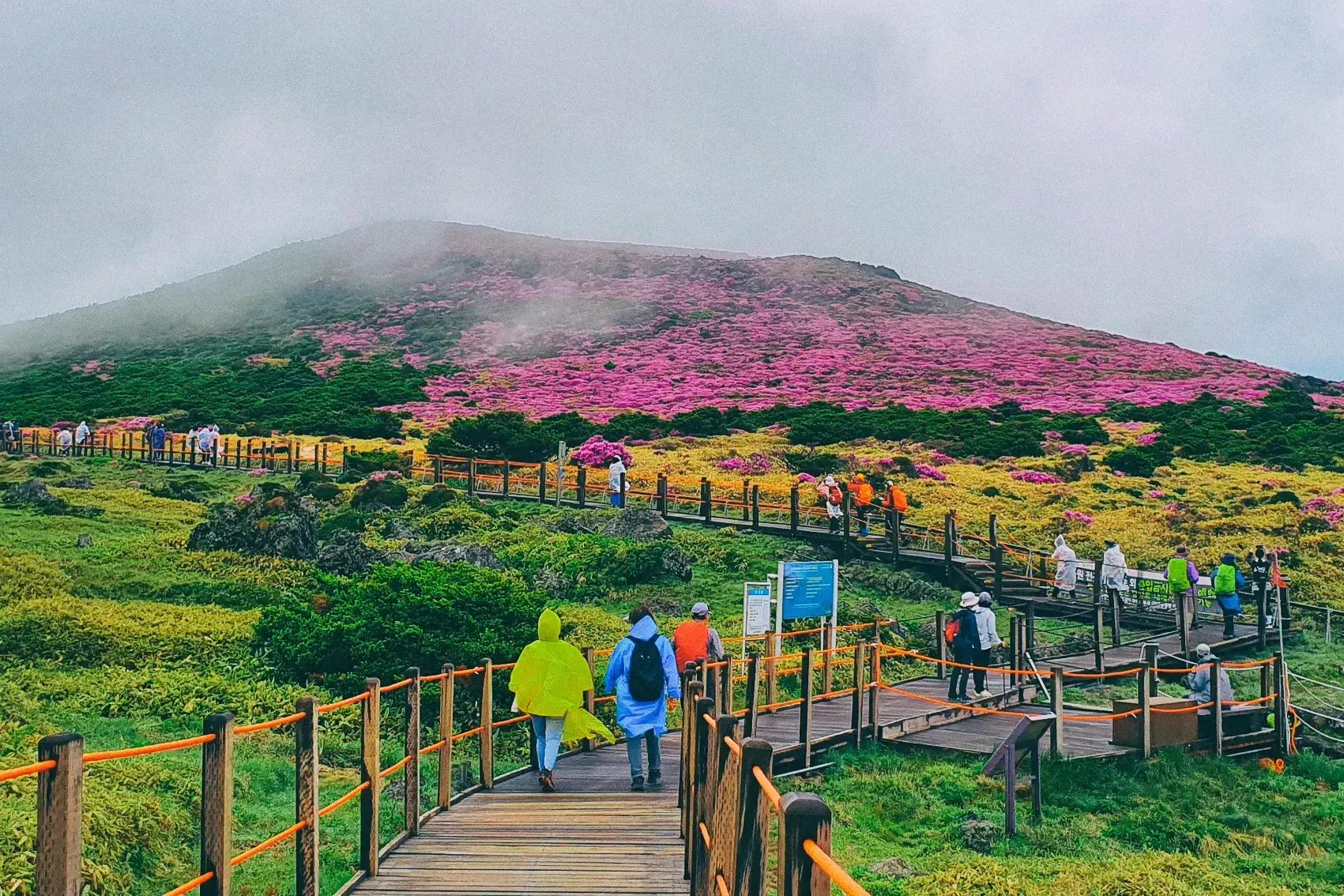
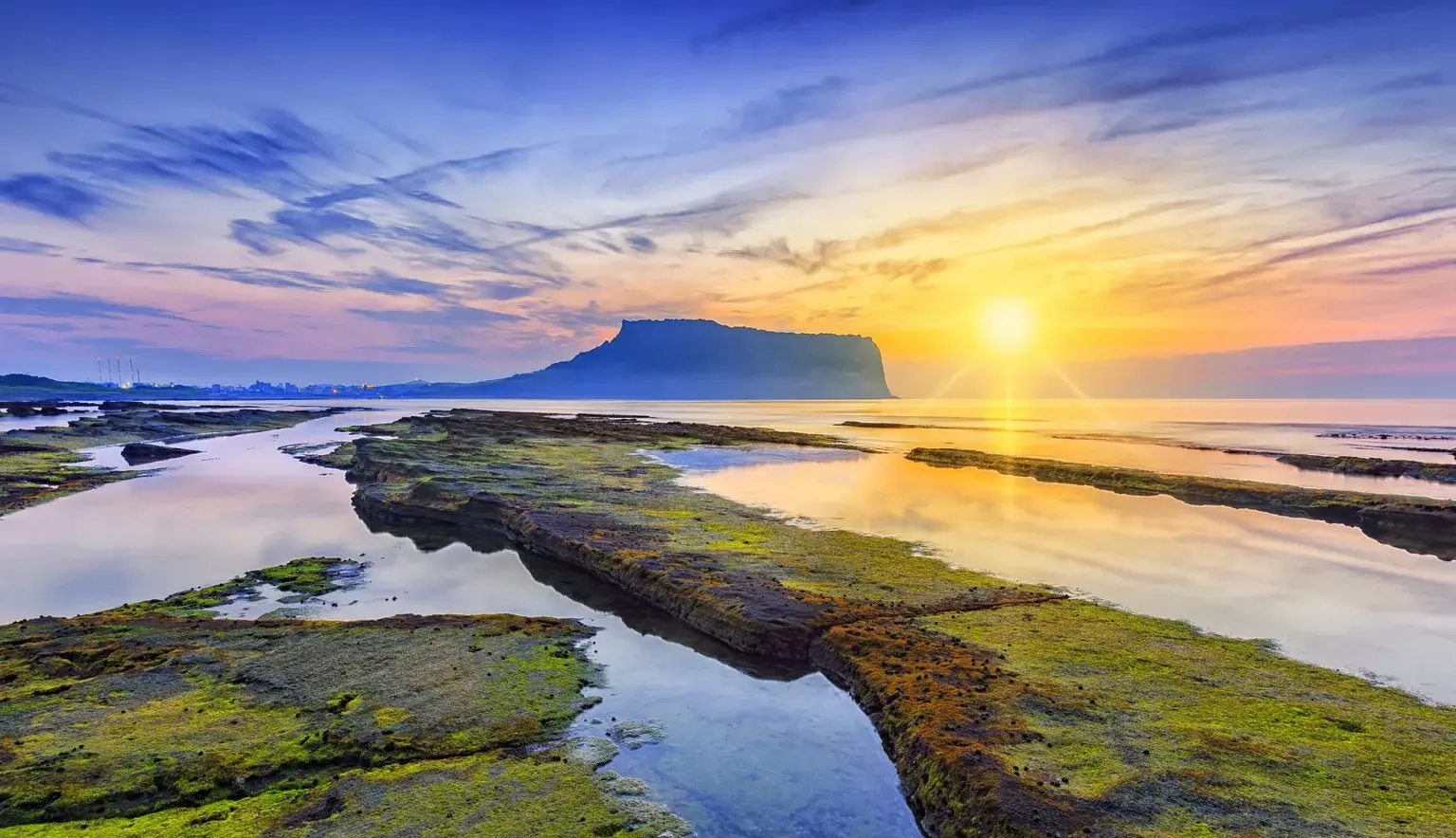
The original nine geosites are Hallasan, Seongsan Ilchulbong, Manjanggul, the Seogwipo Formation, Cheonjiyeon Falls, the Daepo coast columnar joints, Sanbangsan, Yongmeori and Suwolbong[2]. Five hiking trails climb Hallasan, from the 3.7 km Yeongsil trail to the 9.6 km Seongpanak trail, and only Gwaneumsa and Seongpanak reach the summit[3].
Visitor Facilities and Travel
Conservation and Sustainability
Hallasan Natural Reserve became Natural Monument No. 182 in 1966 and was named a Biosphere Reserve in 2002, and the mountain is part of the "Jeju Volcanic Island and Lava Tubes" World Heritage property[3]. Jeju holds all three UNESCO nature designations: Biosphere Reserve, World Natural Heritage and Global Geopark[2].
Photos
1 photo