Qinghai Lake
China, Qinghai
About Qinghai Lake
Qinghai Lake National Nature Reserve protects China's largest lake and its surrounding wetlands on the Tibetan Plateau in Qinghai. The reserve covers about 4,952 square kilometres and was upgraded to national level in 1997. The lake is an internationally important wetland and was among the first seven Chinese sites added to the Ramsar Convention[1].
Wildlife Ecosystems
The lake is a key stop on bird migration routes and an important breeding site for waterbirds. Counts rose from 218,000 birds when monitoring began in 2007 to 606,000[1]. Przewalski's gazelle lives only around the lake, and its population grew from under 300 in 2002 to over 3,400[1]. Naked carp stocks rose from 2,592 tonnes to 120,300 tonnes[1].
Flora Ecosystems
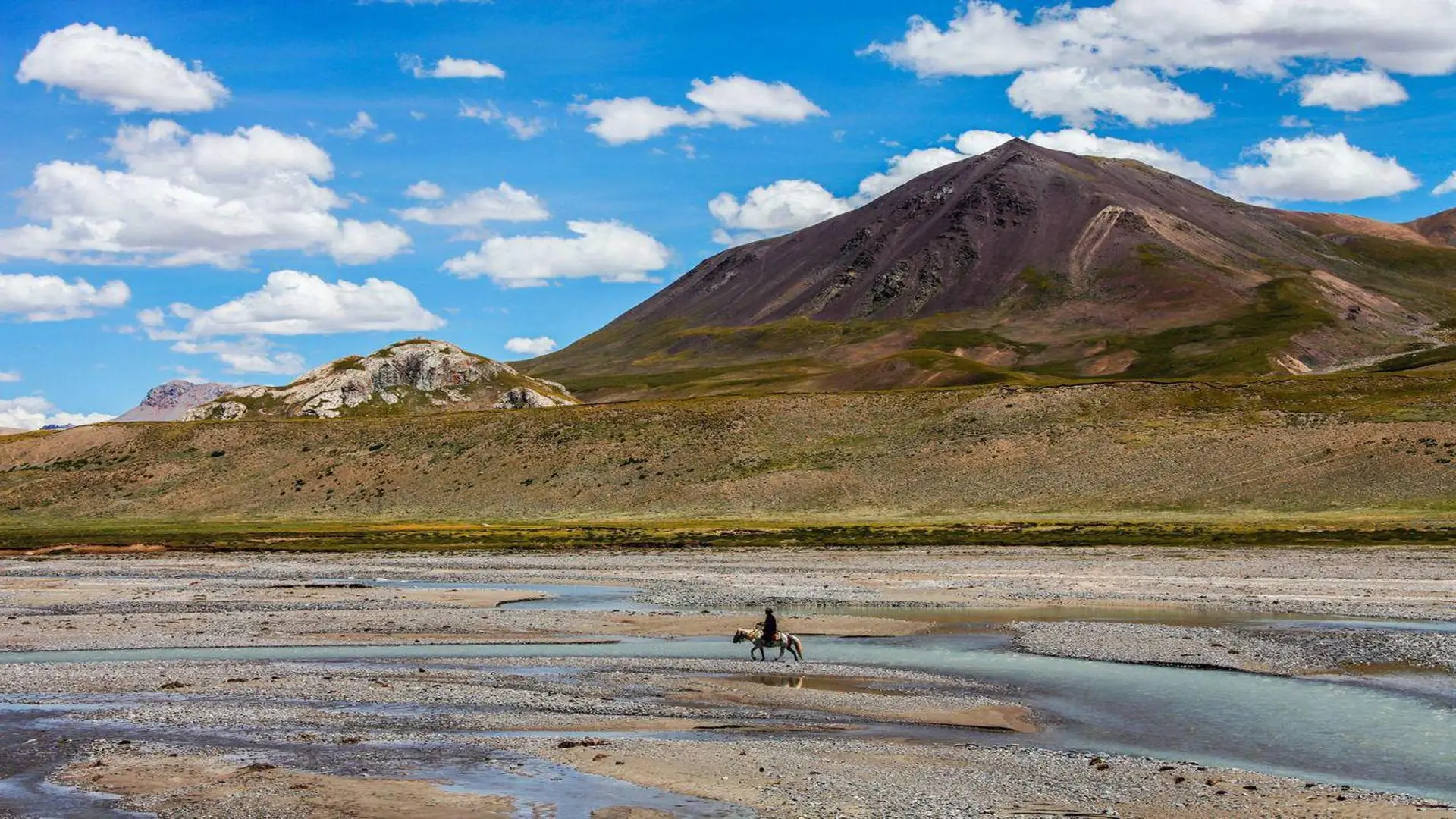
Vegetation cover in the basin reached 62.8 percent, and areas of sand, bare ground and saline-alkali land are shrinking[1]. Alpine grassland surrounds the lake.
Geology
Qinghai Lake is a large saline lake on the Tibetan Plateau at around 3,200 m. Its water area grew from 4,244.5 square kilometres in 2004 to 4,650.08 in 2024[1].
Climate and Weather
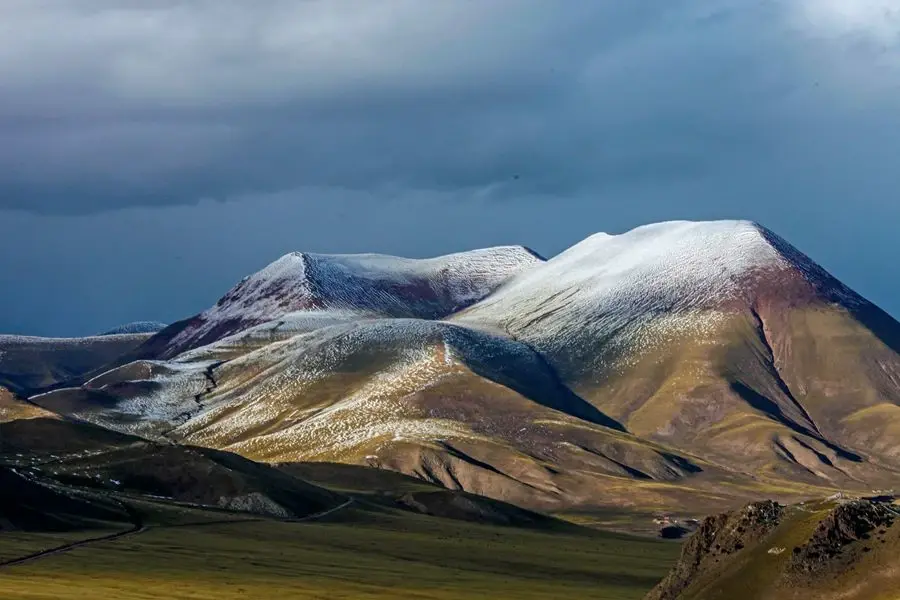
The lake acts as a climate regulator and water-vapour source, and a barrier against desertification spreading west[1]. Winters are cold, and the plateau climate is cool even in summer.
Human History
The shores are herding country. Nearly 20,000 local residents take part in ecotourism directly or indirectly[1].
Park History
The reserve was established in the 1970s and became a national reserve in 1997. A Qinghai Lake National Park creation project was approved in 2022 and is in review[1].
Major Trails and Attractions
Bird Island on the western shore is the best known breeding site for bar-headed geese, brown-headed gulls and great cormorants. The main scenic area and 12 ecological viewing points support ecotourism[1].
Visitor Facilities and Travel
The lake is about 100 km from Xining. There are 13 nature education bases around the lake, and about 1,000 residents have been trained for ecotourism[1].
Conservation and Sustainability
About 300 million yuan has funded restoration and algae control since 2020, monitoring uses around 300 stations, and 764 projects and 37 mining rights were excluded from the planned park area[1].
Photos
No photos available yet