International Parks
  • Explore
  • Map
  • Ratings
  • Review
  • Wiki
  • Suggest a Park
  • About
Log In
  1. Home
  2. Australia Parks
  3. Goldfields Woodlands

Quick Actions

Park SummaryView on MapAustralia WikiWiki HomeWrite ReviewReport an Issue

Nearby Parks

Rowles Lagoon18 kmLakeside39 kmLakeside45 kmBoorabbin100 kmGoongarrie140 km

Platform Stats

23,798Total Parks
217Countries & Territories
Support Us
Goldfields Woodlands in Western Australia, Australia

Goldfields Woodlands Conservation Park

Australia, Western Australia

  1. Home
  2. Australia Parks
  3. Goldfields Woodlands

Goldfields Woodlands

LocationAustralia, Western Australia
RegionWestern Australia
TypeConservation Park
Coordinates-31.25°, 121.35° (show on the map)
Established2000
Area200 km²
Nearest CityKalgoorlie (50 km)
See all parks in Australia →
Contents
  1. Park Overview
    1. About Goldfields Woodlands
    2. Wildlife Ecosystems
    3. Flora Ecosystems
    4. Geology
    5. Climate and Weather
    6. Human History
    7. Park History
    8. Major Trails and Attractions
    9. Visitor Facilities and Travel
    10. Conservation and Sustainability
  2. Visitor Information
    1. Visitor Ratings
    2. Photos
    3. More Parks in Western Australia
    4. Top Rated in Australia: Conservation Park

About Goldfields Woodlands

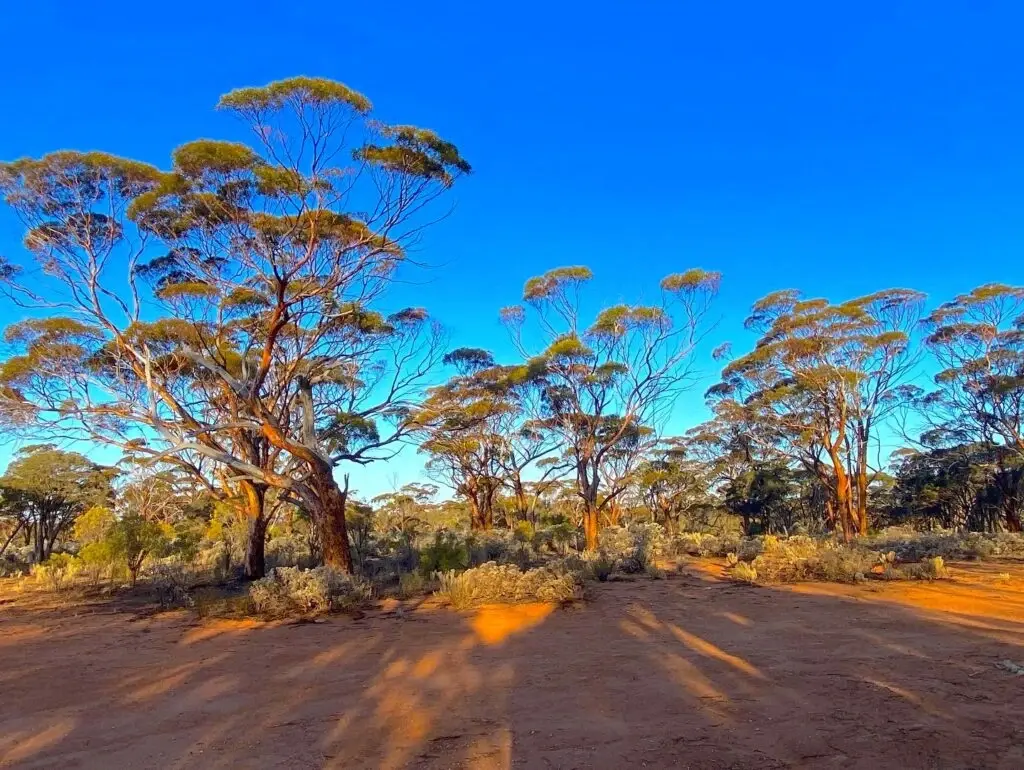
Goldfields Woodlands Conservation Park is a conservation reserve in the Goldfields-Esperance region of Western Australia, protecting representative woodlands and mallee-heath vegetation of the eastern Goldfields. The park complements the adjacent Goldfields Woodlands National Park in conserving an important area of gimlet (Eucalyptus salubris) woodland and mallee scrub. The Goldfields region supports extensive areas of gimlet woodland — a distinctive community endemic to the drier parts of the southwest. The park is managed by DBCA.

Wildlife Ecosystems

The Goldfields Woodlands Conservation Park supports a fauna assemblage typical of semi-arid gimlet woodland. Western grey kangaroos, red kangaroos, emus, and echidnas are common. The mallee fowl builds large incubation mounds in undisturbed mallee scrub. Reptile diversity is exceptional — the Goldfields is one of Australia's most species-rich reptile regions. Regent parrot and mulga parrot forage in gimlet woodland. The conservation park provides critical habitat for small mammals including the mulgaras and native mice that have declined across the Goldfields.

Flora Ecosystems

Gimlet (E. salubris) forms open woodland on red loam soils — its distinctive silvery-grey bark and straight trunk are iconic Goldfields trees. Associated species include salmon gum (E. salmonophloia), yorrell (E. gracilis), and various Acacia species. Understorey mallee scrub of Acacia, Grevillea, and Melaleuca species grows on adjacent sandplain. The spring wildflower display includes everlastings, wreath flowers, and saltbush communities.

Geology

Overlying the ancient Yilgarn Craton — Archaean granite and greenstone basement. The landscape has been extensively modified by deep chemical weathering, creating red loam soils (derived from ferruginous laterite breakdown) that support gimlet woodland. Salt lakes and playas occur in low-lying areas. Gold-bearing greenstone belts underlie parts of the region.

Climate and Weather

Semi-arid Mediterranean climate. Annual rainfall 250–350 mm, falling predominantly in winter. Summer temperatures frequently exceed 40°C. Severe drought periods occur episodically. The gimlet woodland is well-adapted to these conditions through efficient water use and salt tolerance.

Human History

The Goldfields lies within Ngadju Noongar and Wongi country. Aboriginal peoples occupied this semi-arid landscape for tens of thousands of years, developing deep knowledge of its water sources, food plants, and fauna. The discovery of gold at Kalgoorlie in 1893 triggered a massive influx of European settlers, transforming the region. Extensive vegetation clearing occurred for mining, grazing, and firewood.

Park History

Goldfields Woodlands Conservation Park was reserved alongside the national park to provide a more comprehensive protection of representative Goldfields woodland habitats. Together, the national and conservation parks protect one of the most significant and best-preserved gimlet woodland areas remaining in the Goldfields.

Major Trails and Attractions

Informal nature walks through gimlet woodland. Spring wildflower observation. Birdwatching for malleefowl and parrots. The vast, open landscape of the Goldfields provides a distinctive outback experience.

Visitor Facilities and Travel

Located in the Goldfields region east of Kalgoorlie-Boulder. Access via unsealed roads. No formal visitor facilities. Self-sufficient travel required. Kalgoorlie provides full services.

Conservation and Sustainability

Primary threats include feral animals (foxes, cats, feral goats), invasive weeds (buffel grass, prickly pear), altered fire regimes, and mining exploration. The malleefowl is highly sensitive to fox predation on eggs and chicks. Baiting programs reduce fox numbers. The reserve is part of a network aiming to maintain populations of declining Goldfields small mammals.

Visitor Ratings

46

Overall score: 46 out of 100

Out of 100. It is led by the park’s strongest nature scores (uniqueness, beauty, geology, plant life, wildlife) and pulled down by low safety, so it is not the average of the ten categories below.

Uniqueness
48/100
Intensity
15/100
Beauty
38/100
Geology
30/100
Plant Life
55/100
Wildlife
42/100
Tranquility
72/100
Access
32/100
Safety
72/100
Heritage
35/100
What the categories mean
Uniqueness
How distinctive and memorable are the park's natural features, landscapes, and overall character?
Intensity
How extreme, challenging, and adventurous are the terrain, activities, and trails?
Beauty
How beautiful are the landscapes, vistas, and natural features?
Geology
How impressive and unique are the geological formations and features?
Plant Life
How diverse and unique is the plant life? Consider rare species and distinctive ecosystems.
Wildlife
How abundant and diverse is the wildlife? Consider rare species and unique animal ecosystems.
Tranquility
How peaceful and serene is the environment? Consider noise levels and opportunities for solitude.
Access
How easy is it to reach and explore key features? Consider facilities and trail accessibility.
Safety
How safe is the park, region, and journey? Consider dangerous wildlife, plants, weather, crime, and political stability.
Heritage
How significant are the historical and cultural features?

Photos

3 photos
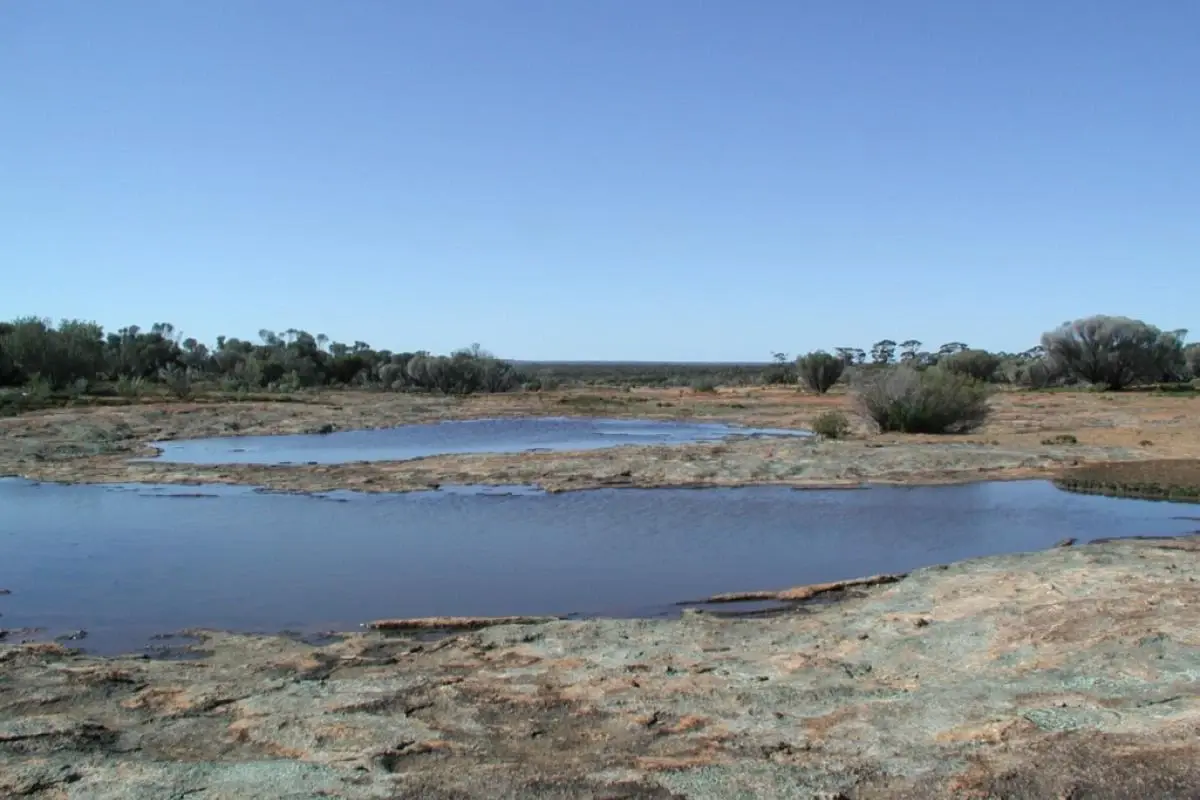
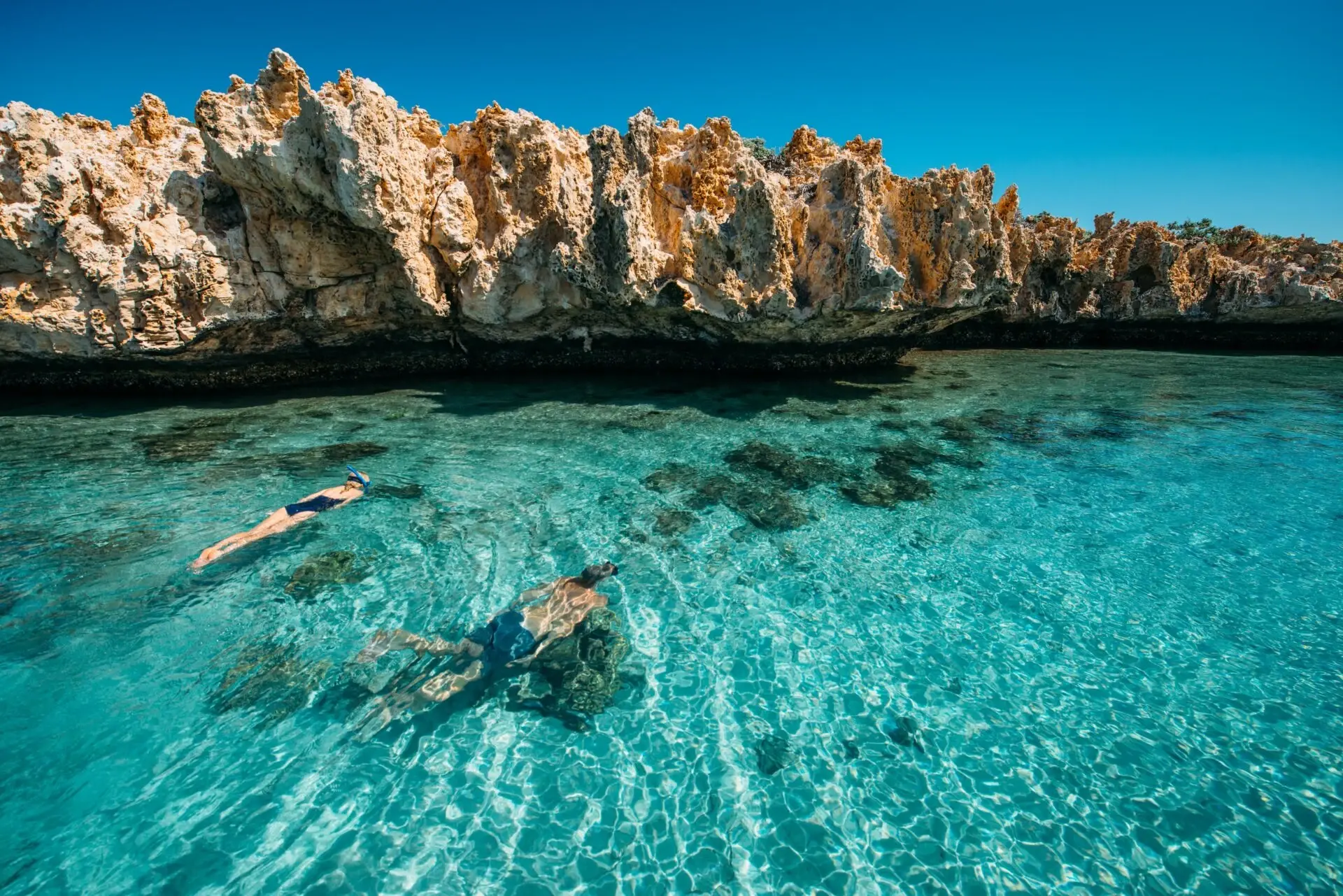
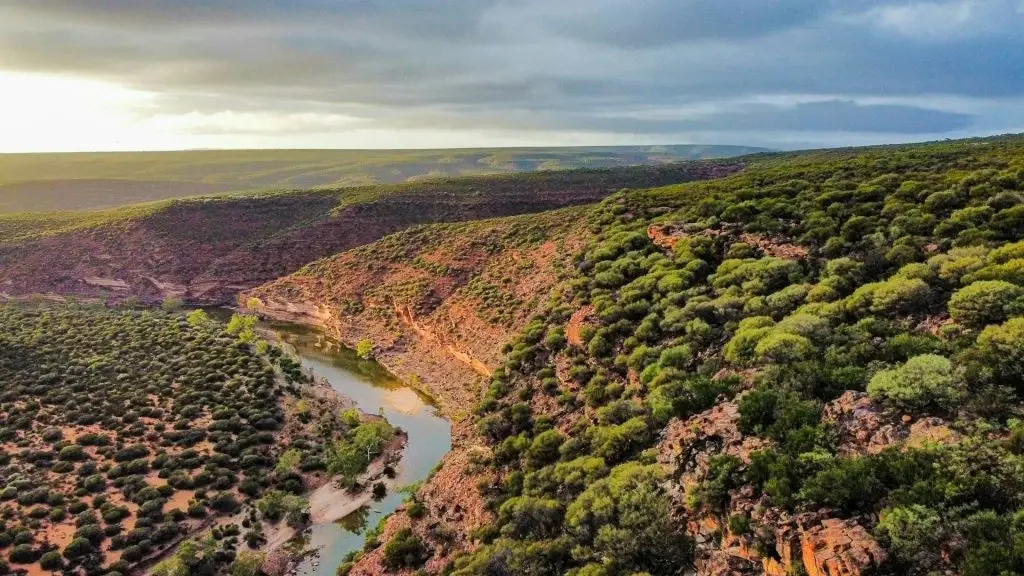
Goldfields Woodlands in Western Australia, Australia (photo 1 of 3)
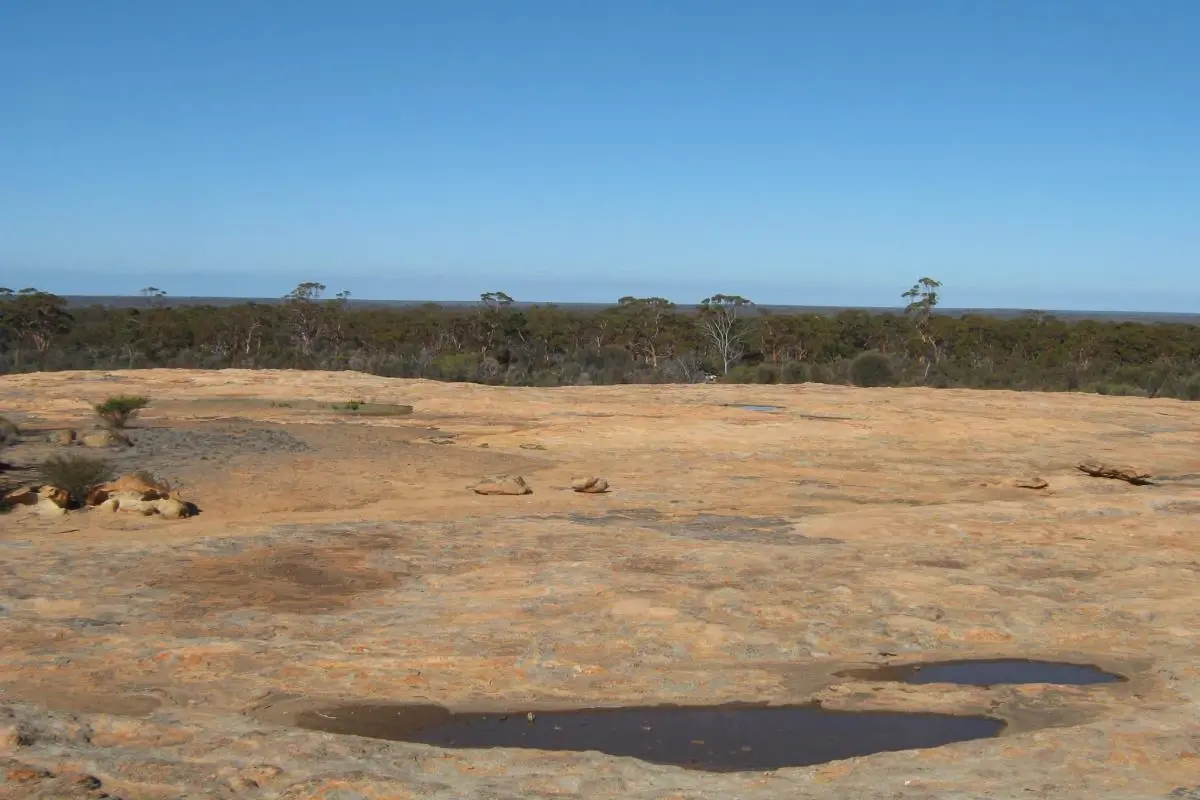
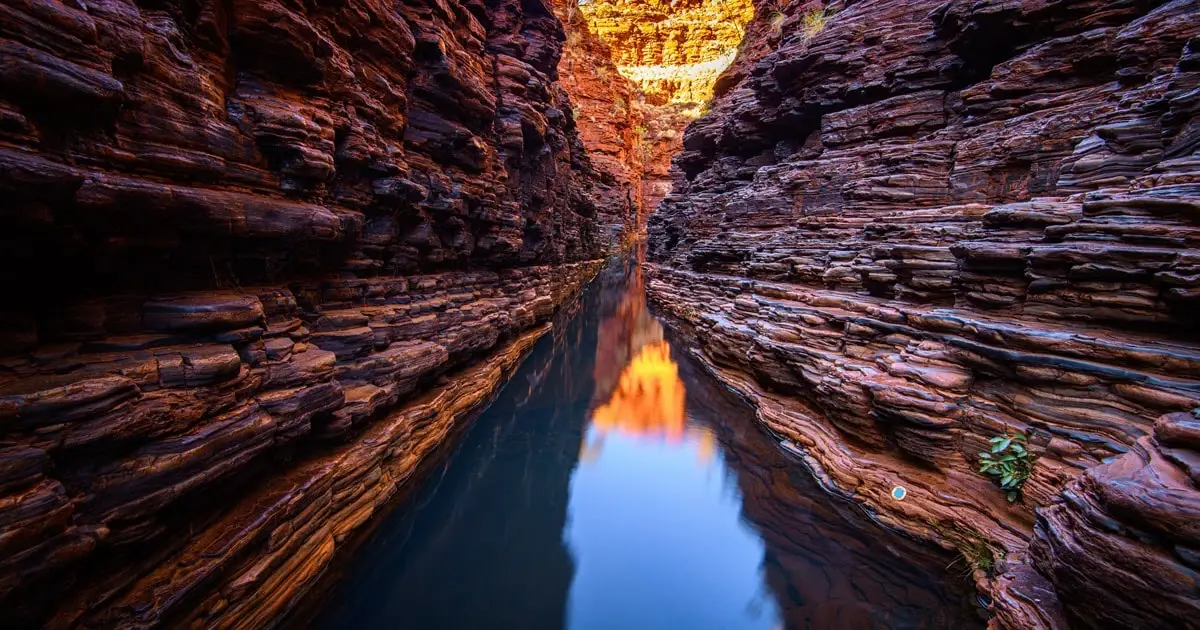
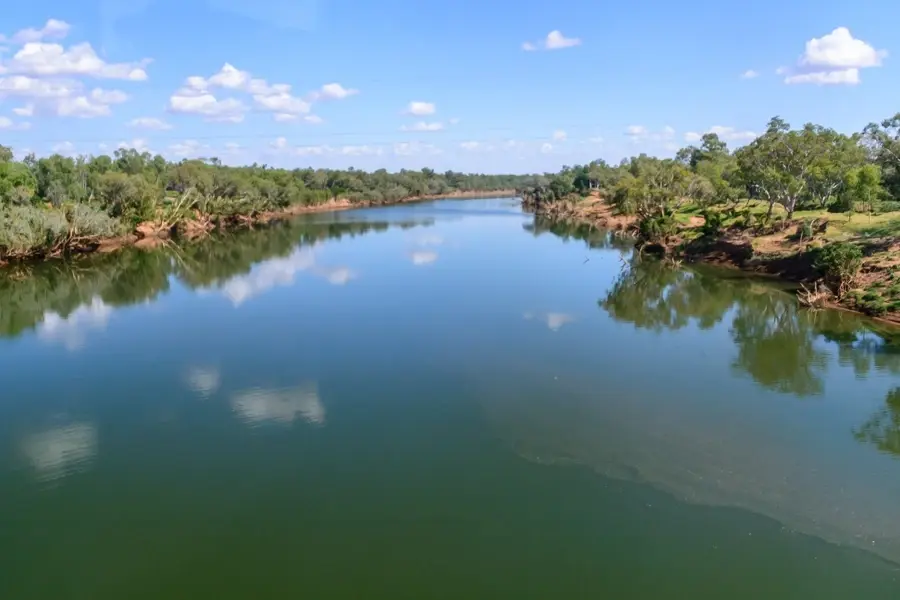
Goldfields Woodlands in Western Australia, Australia (photo 2 of 3)
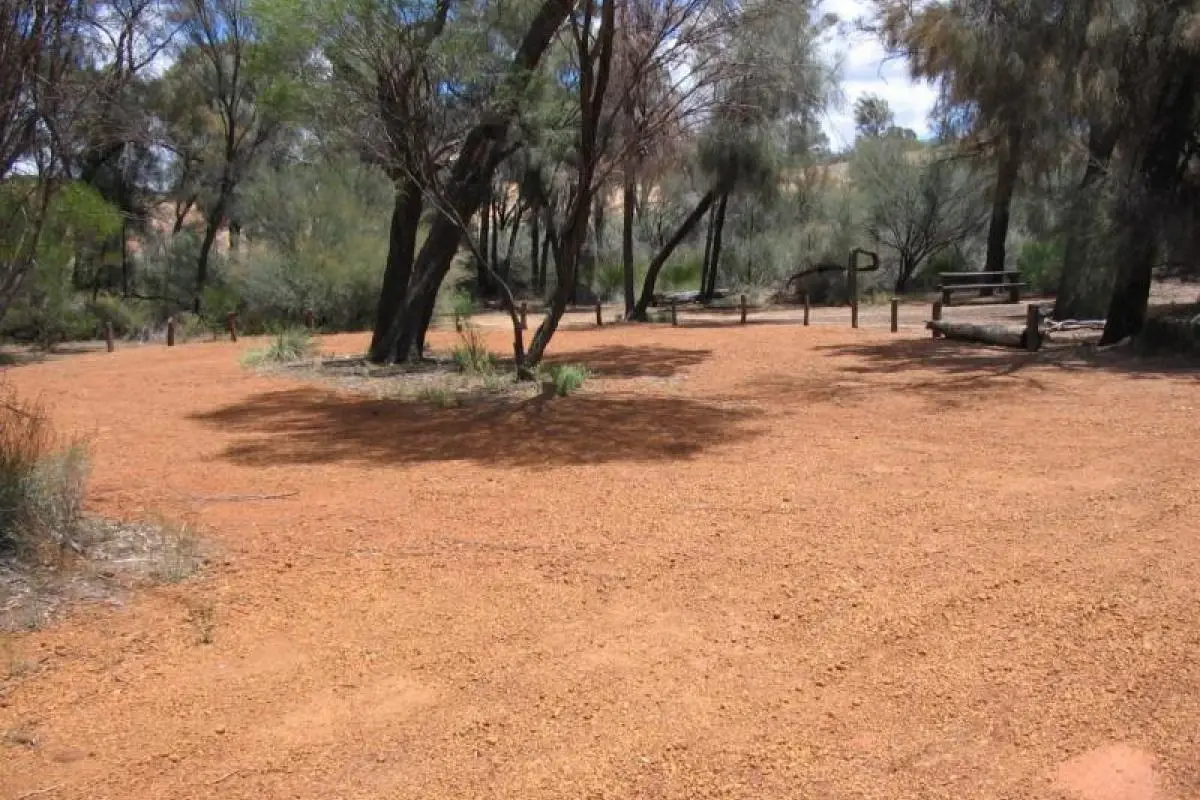
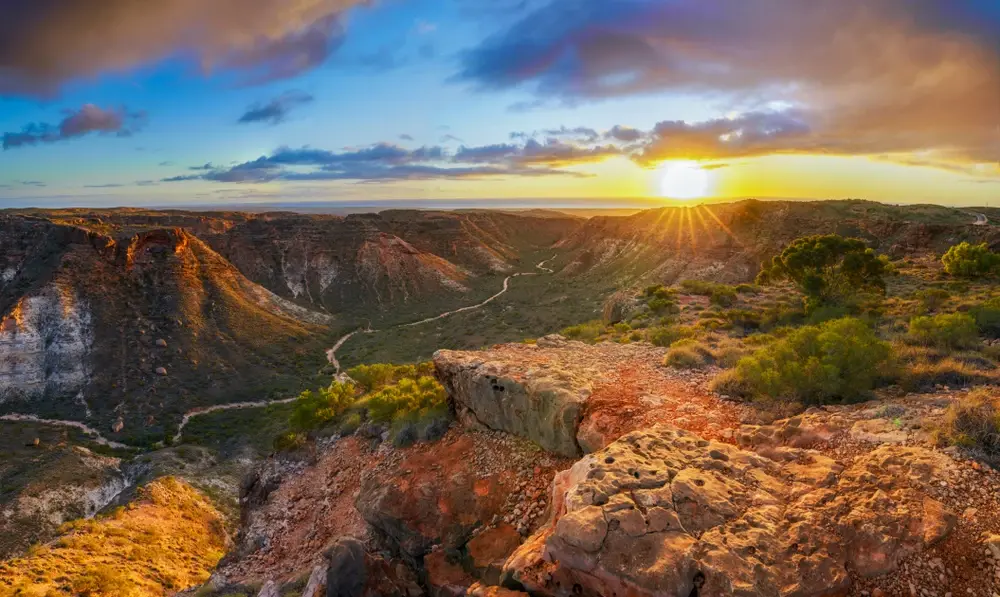
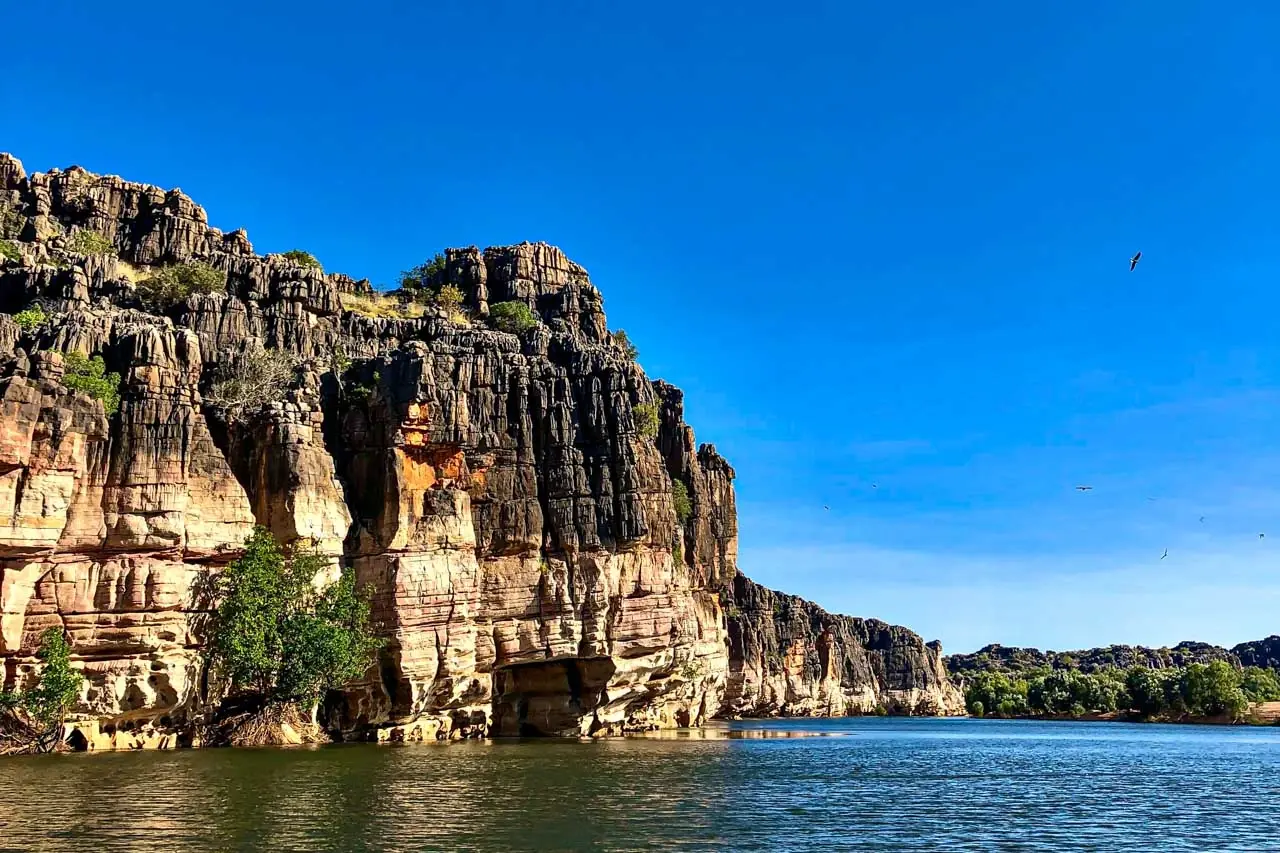
Goldfields Woodlands in Western Australia, Australia (photo 3 of 3)

More Parks in Western Australia

Purnululu, Western Australia
PurnululuWestern Australia78
Shark Bay, Western Australia
Shark BayWestern Australia76
Karijini, Western Australia
KarijiniWestern Australia76
Cape Range National Park, Western Australia
Cape RangeNational Park · Western Australia75
Fitzgerald River, Western Australia
Fitzgerald RiverWestern Australia72
Kalbarri, Western Australia
KalbarriWestern Australia69

Top Rated in Australia: Conservation Park

Devonian Reef, Western Australia
Devonian ReefWestern Australia71
Geikie Gorge, Western Australia
Geikie GorgeWestern Australia67
Cape Range Conservation Park, Western Australia
Cape RangeConservation Park · Western Australia66

International Parks

Helping nature enthusiasts discover and explore the world's most remarkable protected areas.

© 2026 International Parks. All rights reserved.

Navigation

  • Home
  • Explore Parks
  • Interactive Park Map
  • Park Ratings & Rankings
  • Park Wiki
  • Parks by Country

Resources

  • About Us
  • US National Park Seasons
  • Privacy & Terms
  • Copyright & Takedown

Account

  • My Profile
  • Suggest a Park
  • Write a Review
  • Log In
  • Sign Up

Connect

Support This Project

Contact Us

internationalparksbusiness@gmail.com

Explore by Country

  • United States
  • Canada
  • Australia
  • United Kingdom
  • Japan
  • Brazil
  • India
  • France
  • Germany
  • Italy
  • Spain
  • Thailand
  • All countries