International Parks
  • Explore
  • Map
  • Ratings
  • Review
  • Wiki
  • Suggest a Park
  • About
Log In
  1. Home
  2. Australia Parks
  3. Devonian Reef

Quick Actions

Park SummaryView on MapAustralia WikiWiki HomeWrite ReviewReport an Issue

Nearby Parks

Geikie Gorge63 kmBunuba73 kmPimbee97 kmDanggu Gorge122 kmTunnel Creek142 km

Platform Stats

23,798Total Parks
217Countries & Territories
Support Us
Devonian Reef in Western Australia, Australia

Devonian Reef

Australia, Western Australia

  1. Home
  2. Australia Parks
  3. Devonian Reef

Devonian Reef

LocationAustralia, Western Australia
RegionWestern Australia
TypeConservation Park
Coordinates-18.45°, 126.17° (show on the map)
Established1980
Area30 km²
Nearest CityFitzroy Crossing (40 km)
Major CityBroome (419 km)
See all parks in Australia →
Contents
  1. Park Overview
    1. About Devonian Reef
    2. Wildlife Ecosystems
    3. Flora Ecosystems
    4. Geology
    5. Climate and Weather
    6. Human History
    7. Park History
    8. Major Trails and Attractions
    9. Visitor Facilities and Travel
    10. Conservation and Sustainability
  2. Visitor Information
    1. Visitor Ratings
    2. Photos
    3. More Parks in Western Australia
    4. Top Rated in Australia

About Devonian Reef

Devonian Reef Conservation Park is a conservation reserve in the Kimberley region of Western Australia that protects a remarkable geological heritage — remnants of a 350-million-year-old Devonian reef system. This ancient reef complex is preserved in the limestone ranges of the Kimberley, one of the world's most significant geological sites. The conservation park complements the adjacent Geikie Gorge National Park in protecting the Devonian Reef World Heritage-listed complex. The park is managed by DBCA.

Wildlife Ecosystems

The limestone gorge and surrounding woodland support freshwater crocodiles (Crocodylus johnstoni) in the Fitzroy River system, as well as agile wallabies, wallaroos, and northern quolls. The Fitzroy River is one of Australia's last largely unregulated major river systems, supporting exceptional freshwater fish diversity including the iconic Kimberley sawfish. Bats roost in limestone caves. Raptors nest on limestone cliff faces.

Flora Ecosystems

The Fitzroy River floodplain supports seasonal riverine vegetation — river red gums, paperbarks, fig trees (Ficus racemosa), and freshwater mangrove (Barringtonia acutangula). Spinifex grassland and tropical savanna woodland dominate the surrounding plateau. The limestone cliffs support specialist lithophytic plants adapted to growing directly on rock. The area transitions between Kimberley monsoon woodland and Great Sandy Desert vegetation.

Geology

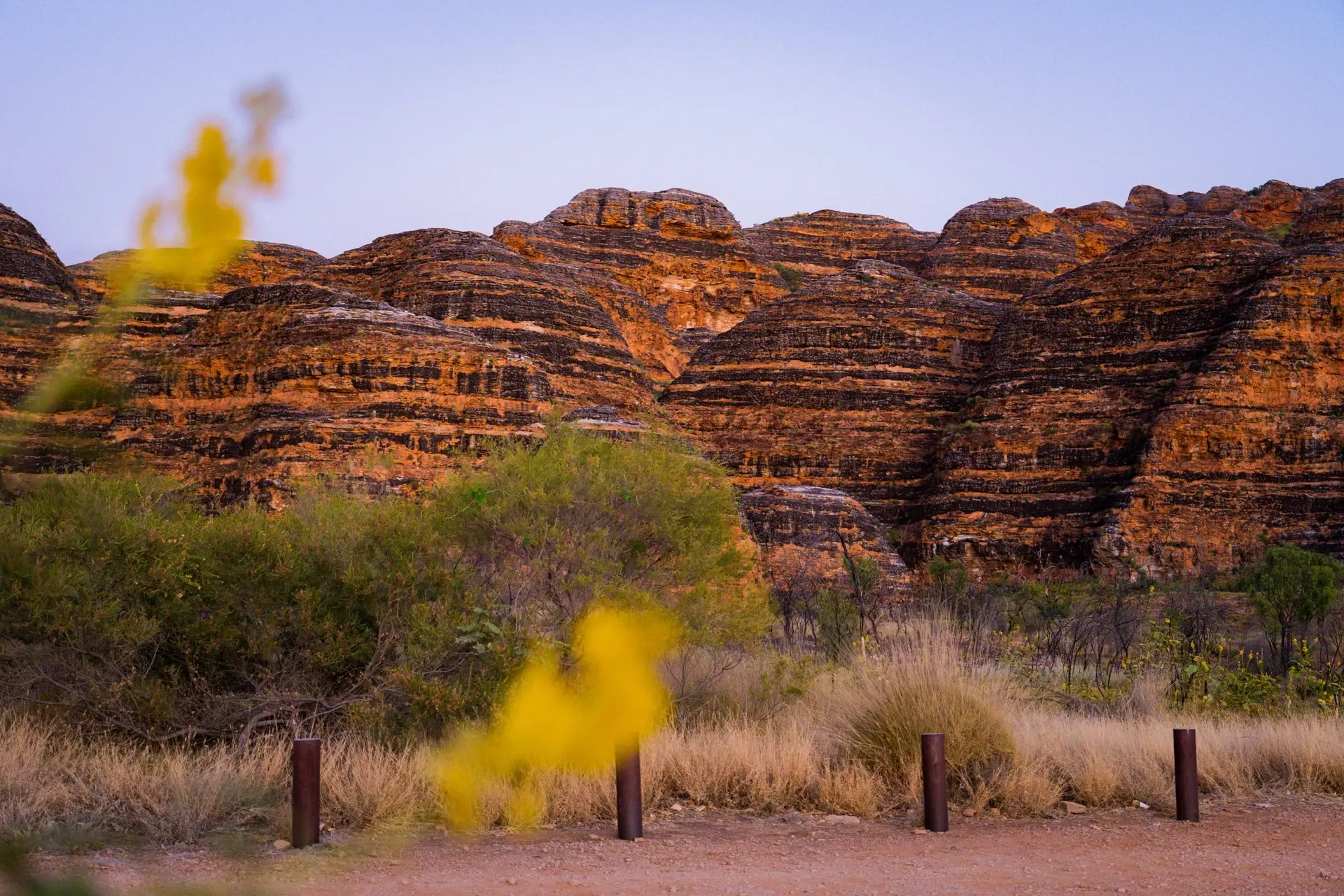
The Devonian Reef system — known as the Canning Basin Reef Complex — was deposited approximately 350–380 million years ago during the Late Devonian period when the Kimberley lay beneath a tropical shallow sea. The ancient reef structures are now exposed as limestone ranges in the Fitzroy valley. Geikie Gorge and Windjana Gorge cut through these ancient reef structures, exposing the geological record. The reef outcrops are part of the UNESCO World Heritage tentative list.

Climate and Weather

Tropical monsoonal climate. The wet season (November–April) delivers 400–700 mm of rainfall, causing the Fitzroy River to flood widely across its extensive floodplain. The dry season (May–October) is the visitor season, with pleasant temperatures and dramatically different landscape character.

Human History

The Devonian Reef area lies within the traditional country of Bunuba and Gooniyandi Aboriginal peoples. Bunuba warrior Jandamarra (Pigeon) conducted a famous resistance against European settlement from the limestone ranges near Windjana Gorge in the 1890s. The Fitzroy River system was central to Aboriginal life across the west Kimberley for tens of thousands of years.

Park History

The Devonian Reef Conservation Park was reserved to complement Geikie Gorge and Windjana Gorge National Parks in protecting the globally significant Devonian Reef geological complex. The three parks together preserve the most accessible and best-preserved sections of the ancient reef. There are ongoing discussions about Geikie Gorge and the reef parks receiving UNESCO World Heritage recognition.

Major Trails and Attractions

Geological interpretation walks through limestone reef outcrops. Scenic views of the Kimberley limestone ranges. Connection to Geikie Gorge boat tours on the Fitzroy River. Wildlife watching for freshwater crocodiles and birds.

Visitor Facilities and Travel

Access via the Great Northern Highway in the Fitzroy Crossing region. The nearby Geikie Gorge National Park has interpretive facilities. Fitzroy Crossing township (approximately 20 km) provides accommodation, fuel, and supplies. Dry season access recommended.

Conservation and Sustainability

The Fitzroy River faces proposals for agricultural water extraction that could threaten the river's ecological integrity and the freshwater ecosystems of the gorge parks. Invasive species (feral cattle, pigs, cats) threaten native fauna. Cane toads are advancing through the Kimberley. The Fitzroy River is under consideration for National Heritage listing to protect its values.

Visitor Ratings

71

Overall score: 71 out of 100

Out of 100. It is led by the park’s strongest nature scores (uniqueness, beauty, geology, plant life, wildlife) and pulled down by low safety, so it is not the average of the ten categories below.

Uniqueness
80/100
Intensity
55/100
Beauty
65/100
Geology
88/100
Plant Life
42/100
Wildlife
55/100
Tranquility
62/100
Access
32/100
Safety
78/100
Heritage
72/100
What the categories mean
Uniqueness
How distinctive and memorable are the park's natural features, landscapes, and overall character?
Intensity
How extreme, challenging, and adventurous are the terrain, activities, and trails?
Beauty
How beautiful are the landscapes, vistas, and natural features?
Geology
How impressive and unique are the geological formations and features?
Plant Life
How diverse and unique is the plant life? Consider rare species and distinctive ecosystems.
Wildlife
How abundant and diverse is the wildlife? Consider rare species and unique animal ecosystems.
Tranquility
How peaceful and serene is the environment? Consider noise levels and opportunities for solitude.
Access
How easy is it to reach and explore key features? Consider facilities and trail accessibility.
Safety
How safe is the park, region, and journey? Consider dangerous wildlife, plants, weather, crime, and political stability.
Heritage
How significant are the historical and cultural features?

Photos

1 photo
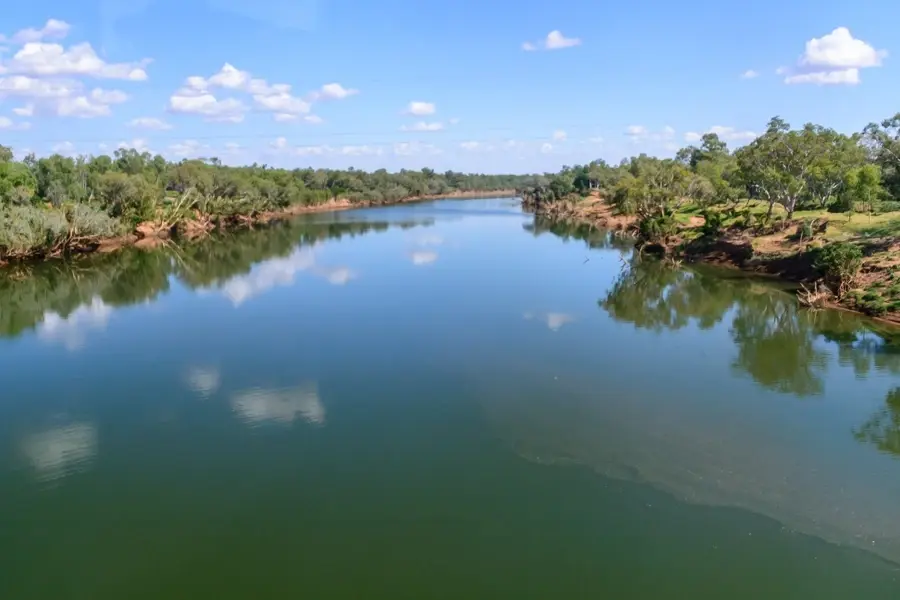
Devonian Reef in Western Australia, Australia

More Parks in Western Australia

Purnululu, Western Australia
PurnululuWestern Australia78
Shark Bay, Western Australia
Shark BayWestern Australia76
Karijini, Western Australia
KarijiniWestern Australia76
Cape Range National Park, Western Australia
Cape RangeNational Park · Western Australia75
Fitzgerald River, Western Australia
Fitzgerald RiverWestern Australia72
Kalbarri, Western Australia
KalbarriWestern Australia69

Top Rated in Australia

Daintree, Queensland
DaintreeQueensland80
Ikara-Flinders Ranges, South Australia
Ikara-Flinders RangesSouth Australia79
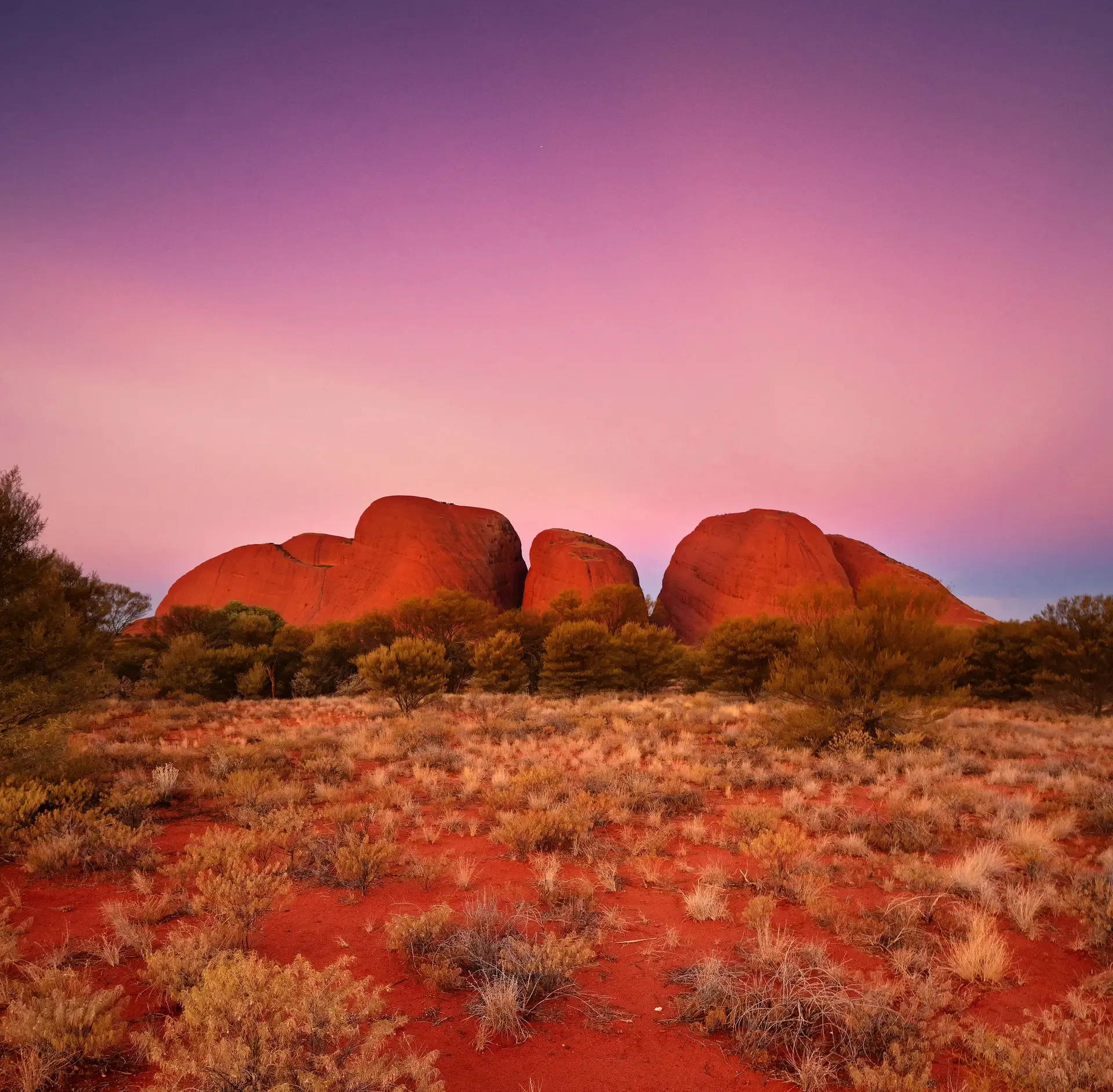
Uluru-Kata Tjuta, Northern Territory
Uluru-Kata TjutaNorthern Territory78
Purnululu, Western Australia
PurnululuWestern Australia78
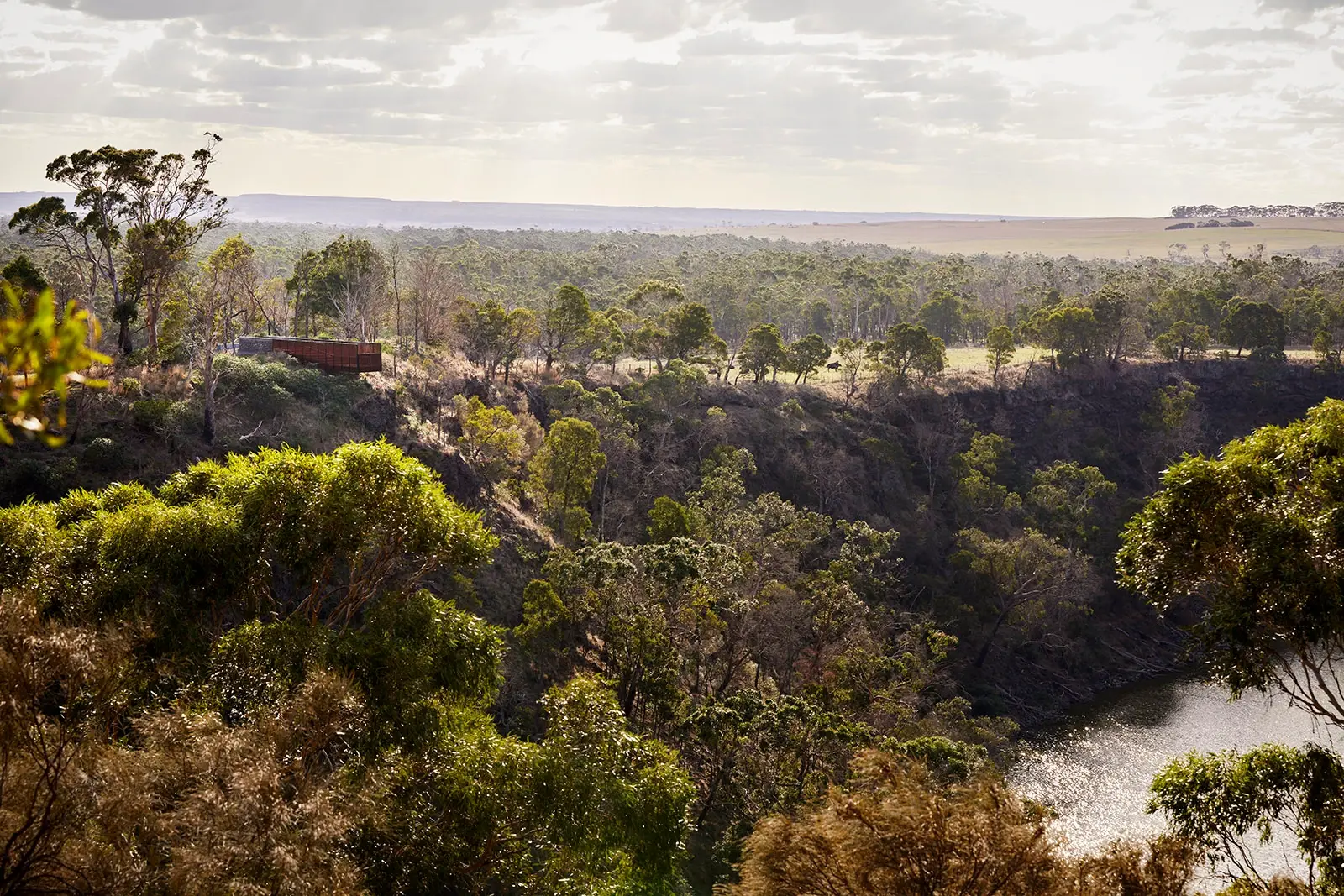
Budj Bim, Victoria
Budj BimVictoria78
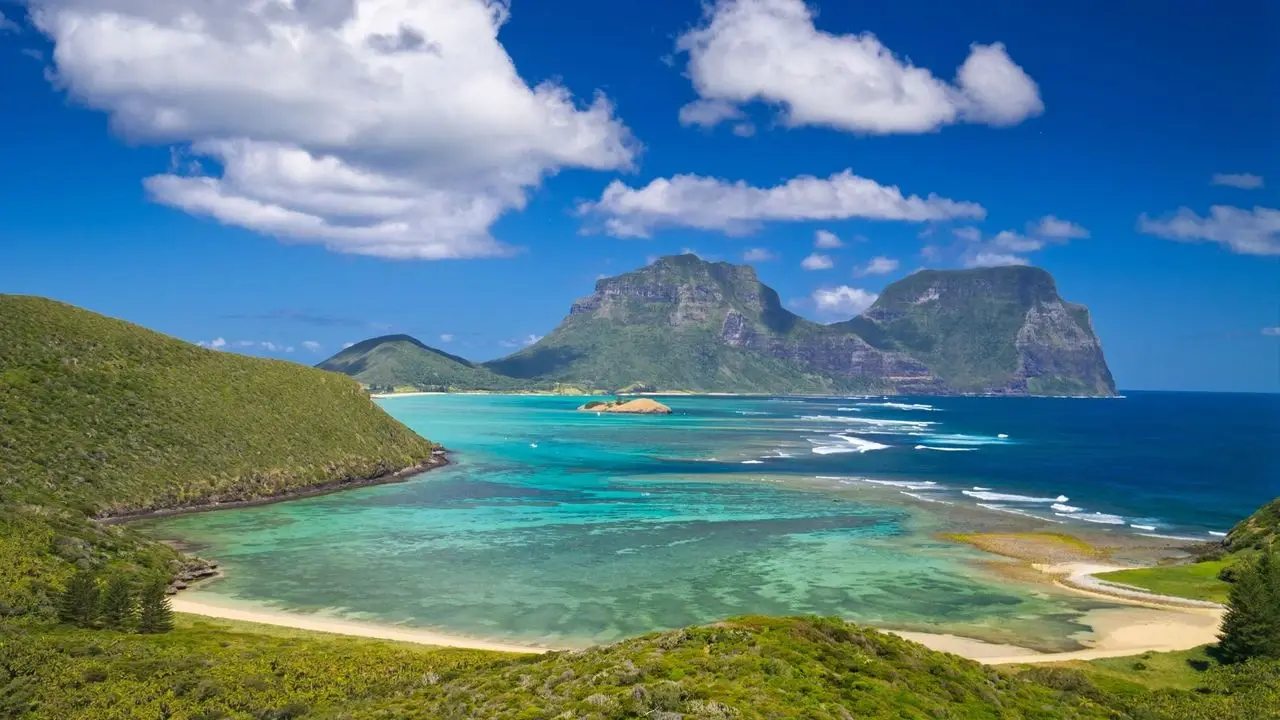
Lord Howe Island National Park, New South Wales
Lord Howe IslandNational Park · New South Wales78

International Parks

Helping nature enthusiasts discover and explore the world's most remarkable protected areas.

© 2026 International Parks. All rights reserved.

Navigation

  • Home
  • Explore Parks
  • Interactive Park Map
  • Park Ratings & Rankings
  • Park Wiki
  • Parks by Country

Resources

  • About Us
  • US National Park Seasons
  • Privacy & Terms
  • Copyright & Takedown

Account

  • My Profile
  • Suggest a Park
  • Write a Review
  • Log In
  • Sign Up

Connect

Support This Project

Contact Us

internationalparksbusiness@gmail.com

Explore by Country

  • United States
  • Canada
  • Australia
  • United Kingdom
  • Japan
  • Brazil
  • India
  • France
  • Germany
  • Italy
  • Spain
  • Thailand
  • All countries