International Parks
  • Explore
  • Map
  • Ratings
  • Review
  • Wiki
  • Suggest a Park
  • About
Log In
  1. Home
  2. United States Parks
  3. Ta'u

Quick Actions

Park SummaryView on MapUnited States WikiWiki HomeWrite ReviewReport an Issue

Nearby Parks

Aunu'u119 kmAmerican Samoa133 kmFagalua/Fogama'a141 kmFagatele Bay142 kmRose Atoll144 km

Platform Stats

23,798Total Parks
217Countries & Territories
Support Us

Ta'u National Park

United States, American Samoa

  1. Home
  2. United States Parks
  3. Ta'u

Ta'u

LocationUnited States, American Samoa
RegionAmerican Samoa
TypeNational Park
Coordinates-14.2333°, -169.45° (show on the map)
Established1988
Area19 km²
Nearest CityFitiuta (2 mi)
See all parks in United States →
Contents
  1. Park Overview
    1. About Ta'u
    2. Wildlife Ecosystems
    3. Flora Ecosystems
    4. Geology
    5. Climate and Weather
    6. Human History
    7. Park History
    8. Major Trails and Attractions
    9. Visitor Facilities and Travel
    10. Conservation and Sustainability
  2. Visitor Information
    1. Visitor Ratings
    2. More Parks in American Samoa
    3. Top Rated in United States: National Park
  3. Sources

About Ta'u

The Ta'u unit is the largest and most remote of the three units of the National Park of American Samoa, covering about 3,700 acres of land and 1,100 acres of offshore waters[1]. It takes in the island's rainforest and Lata Mountain, the highest point in American Samoa[2]. The park was established on October 31, 1988[1].

Wildlife Ecosystems

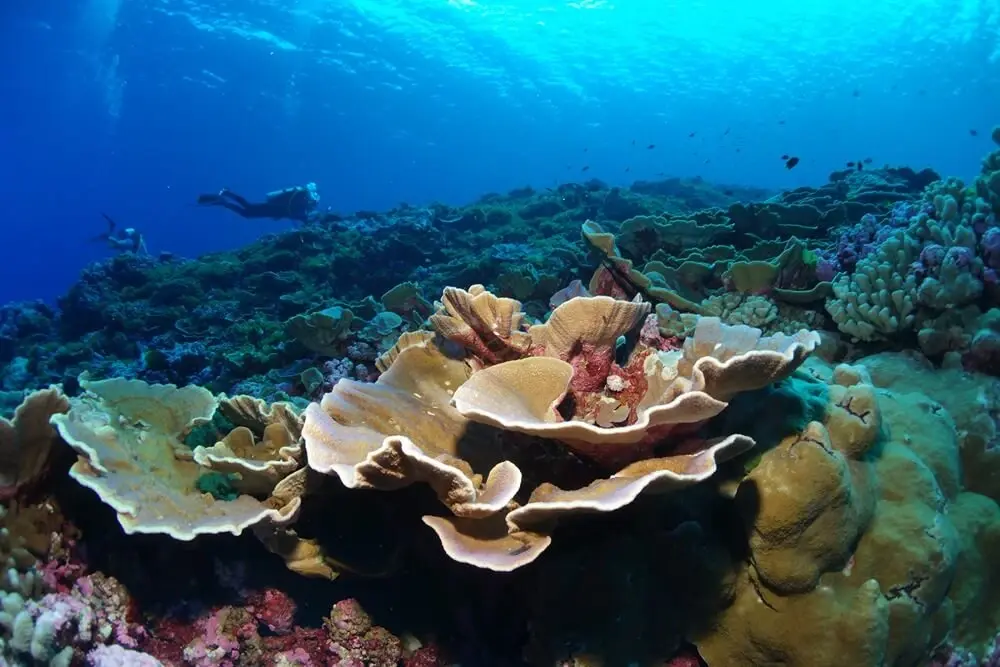
The park's only native land mammals are three bat species, the Samoa flying fox, the white-naped flying fox and the Pacific sheath-tailed bat, which help pollinate plants[1]. Birds recorded in the park include the wattled honeyeater, the Samoan starling and the Pacific pigeon[1]. Offshore, Ta'u has a coral formation known as Big Momma, about 6.4 m high, which NOAA recognizes as the largest known coral head in the world[2].

Flora Ecosystems

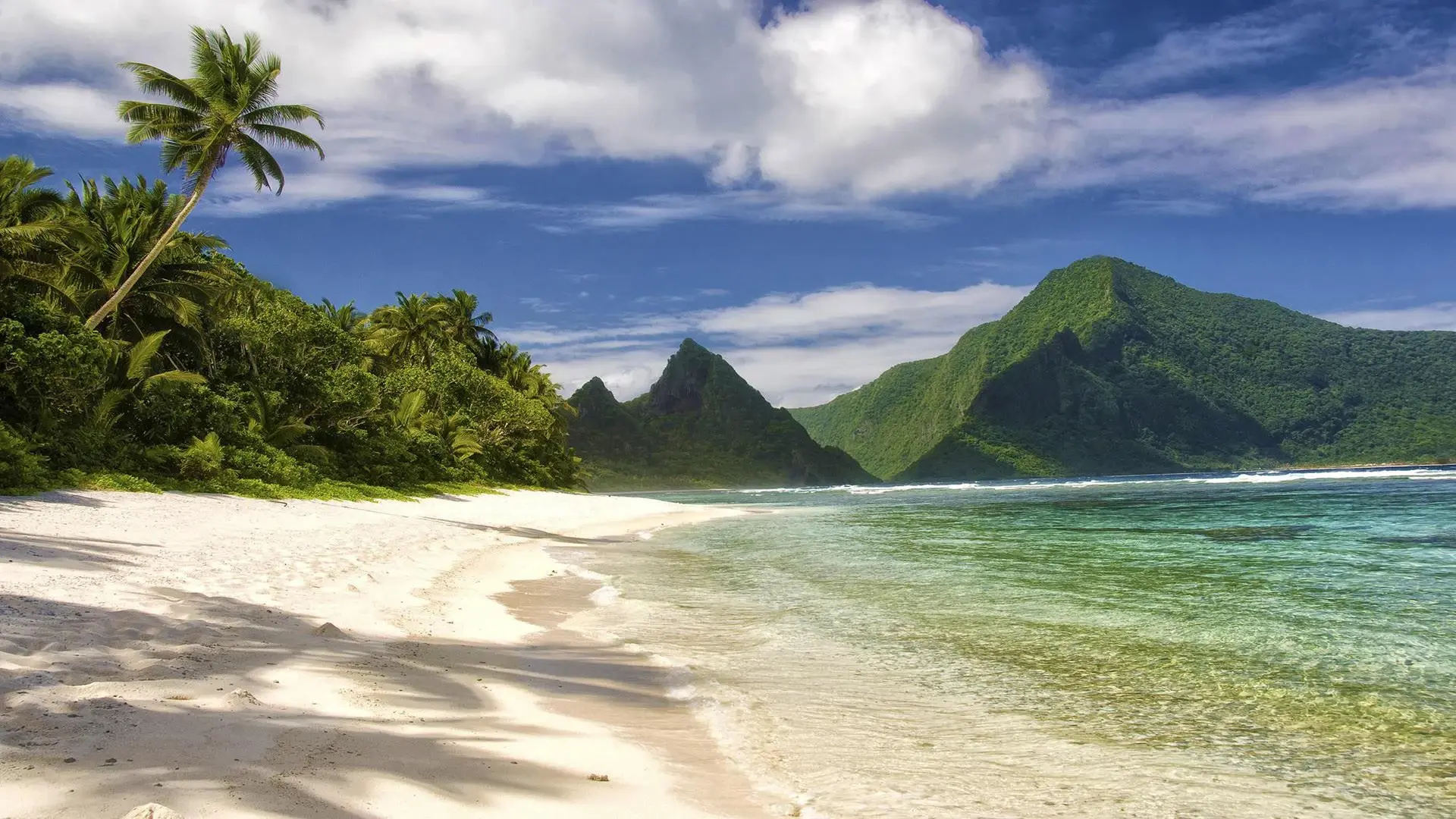
The park unit has mostly unaltered coastal, lowland, montane and cloud rain forests, including forest on Lata Mountain and within the island's caldera[2]. Cloud forest is the forest type on Ta'u, and about 30% of the park's plant species are endemic[1].

Geology

Ta'u is the eroded remnant of a hotspot shield volcano, with a collapse feature on its south face[2]. The island is described as what remains of a collapsed shield volcano, with sea cliffs over 3,000 feet high on its north side[1].

Climate and Weather

Ta'u lies in the tropical South Pacific at about 14 degrees south, so it is warm and humid year-round with heavy rainfall on its forested uplands. Cyclones can strike the Manu'a Islands: a hurricane in early 1987 destroyed nearly all homes on the island[2].

Human History

In ancient times the Manu'a Islands formed a unified polity, with Ta'u as the main centre of authority and home to the Tui Manu'a paramount chieftaincy[2]. The unit includes the sacred site of Saua, considered the birthplace of the Polynesian people[2]. A Dutch expedition under Jacob Roggeveen sighted the island in 1722[2].

Park History

The National Park of American Samoa was established on October 31, 1988 by Public Law 100-571[1]. Because the traditional communal land system prevented purchase of land, the National Park Service entered a 50-year lease with Samoan village councils on September 10, 1993[1].

Major Trails and Attractions

Lata Mountain, at about 3,170 feet, is the island's summit and the highest point in American Samoa[1]. The old trail to the summit became overgrown, and a report said the National Park Service planned to rebuild it starting in June 2024[1]. Laufuti Falls drops several hundred metres on the south shore, and Ta'u's offshore reef holds some of the world's largest living Porites coral colonies[2][1].

Visitor Facilities and Travel

Ta'u is reached by flight from Tutuila to Fitiuta village[1]. The airport at Fiti'uta is the largest in the Manu'a Islands, a boat harbor is at Faleasao, and a road along the north coast links the villages from Ta'u village to Fiti'uta[2]. Accommodations are available on Ofu and Ta'u[1].

Conservation and Sustainability

The park works to control and eradicate invasive species such as feral pigs, and its coral reefs face threats from rising ocean temperatures and sea level rise[1].

Visitor Ratings

Not yet rated. Been here? Your review gives this park its first scores.

Write a review

Photos

No photos available yet
More Parks in American Samoa

Fagatele Bay, American Samoa
Fagatele BayAmerican Samoa75
American Samoa, American Samoa
American SamoaAmerican Samoa74
Rose Atoll Marine National Monument, American Samoa
Rose AtollMarine National Monument · American Samoa70
Rose Atoll National Wildlife Refuge, American Samoa
Rose AtollNational Wildlife Refuge · American Samoa69

Top Rated in United States: National Park

Hawaii Volcanoes, Hawaii
Hawaii VolcanoesHawaii86
Yosemite, California
YosemiteCalifornia86
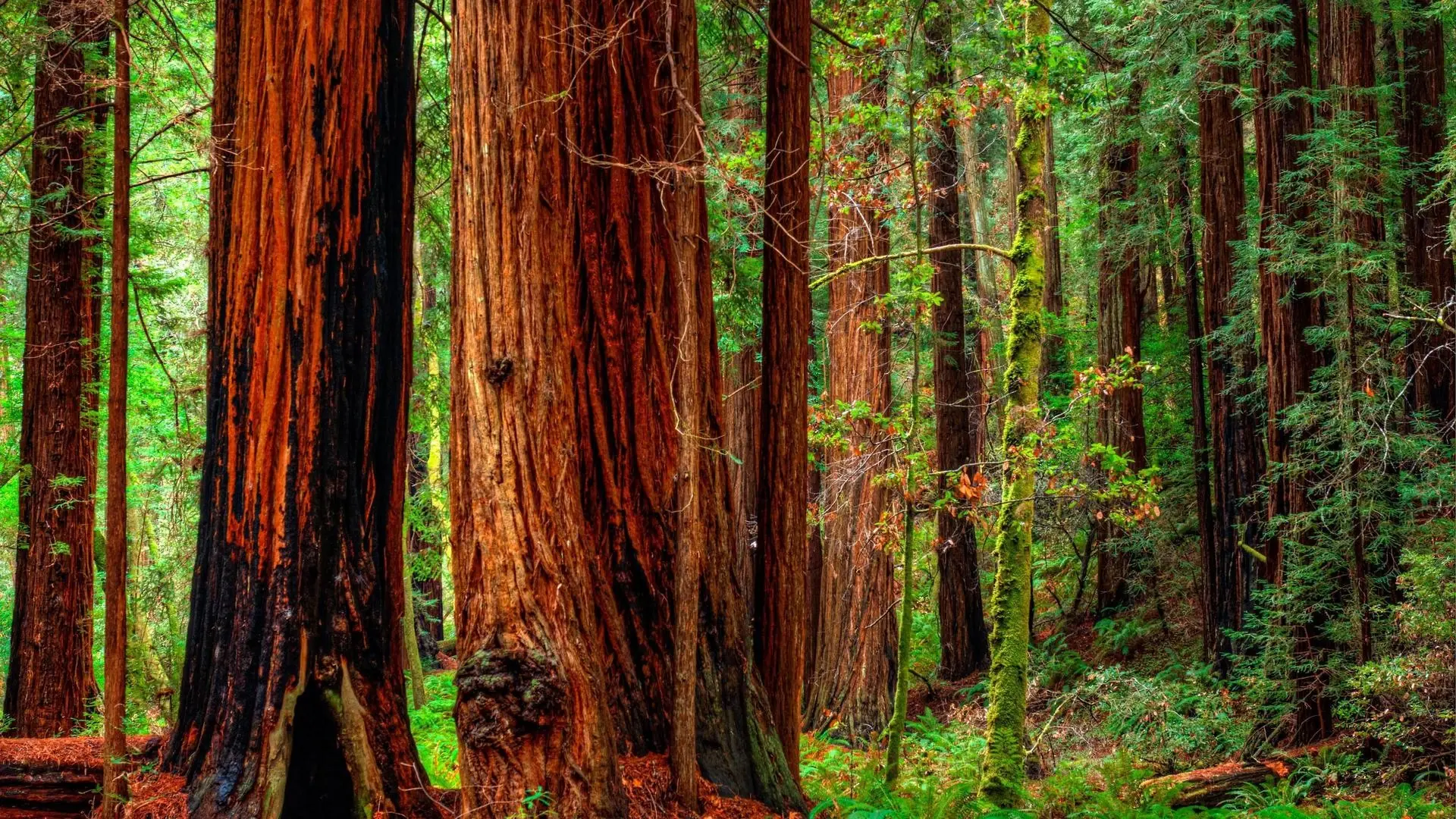
Redwood, California
RedwoodCalifornia84
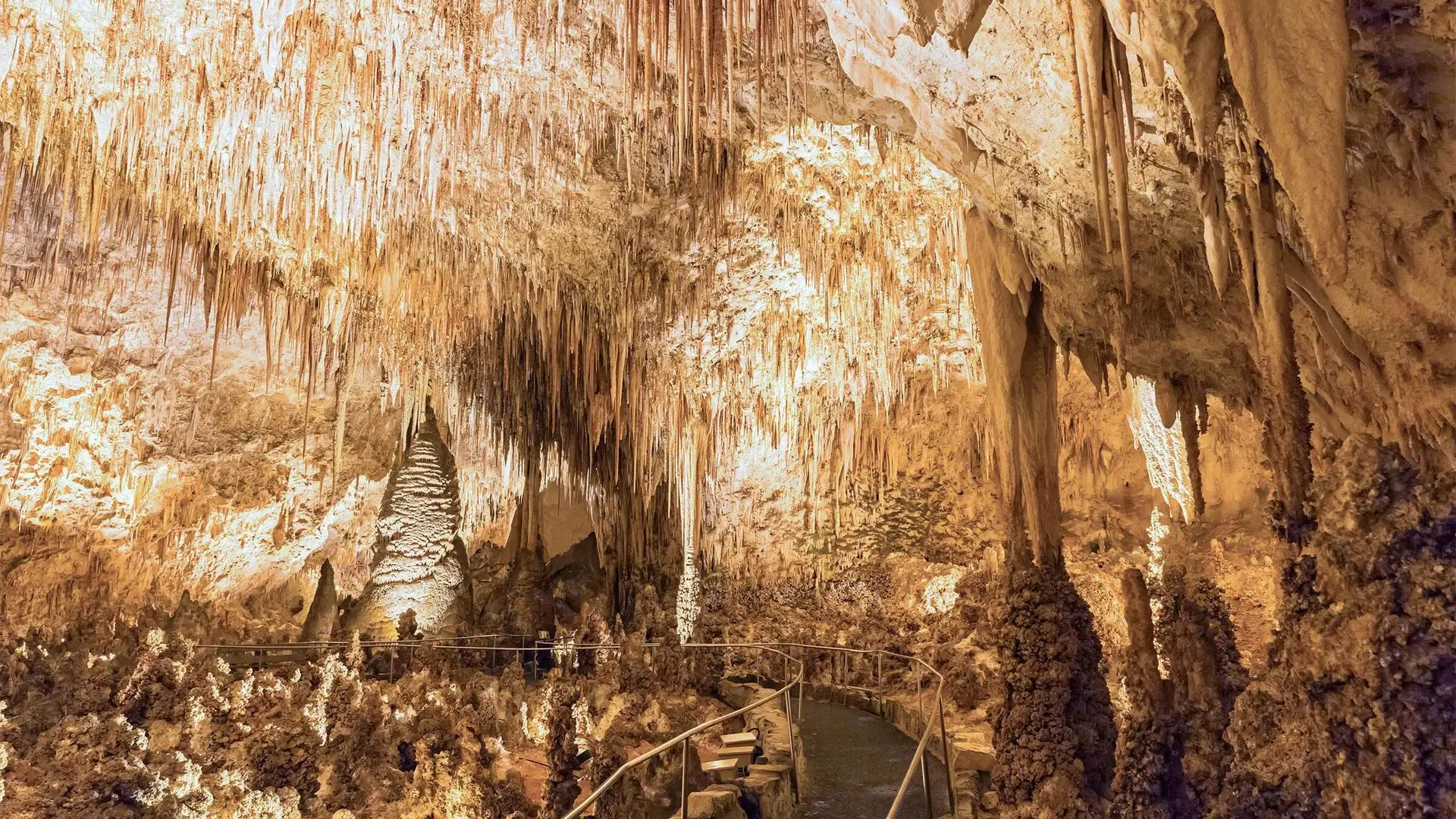
Carlsbad Caverns, New Mexico
Carlsbad CavernsNew Mexico83
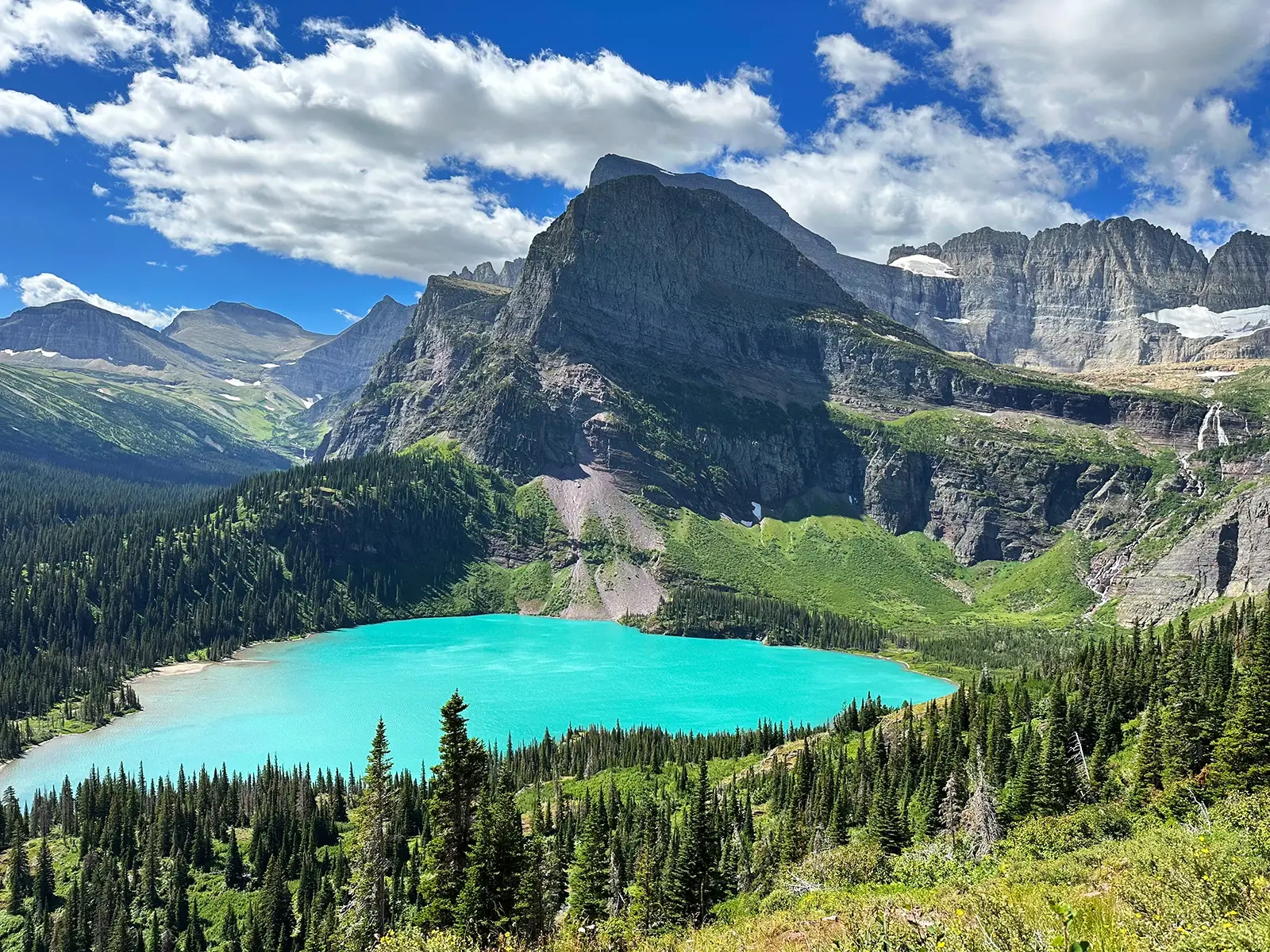
Glacier, Montana
GlacierMontana83
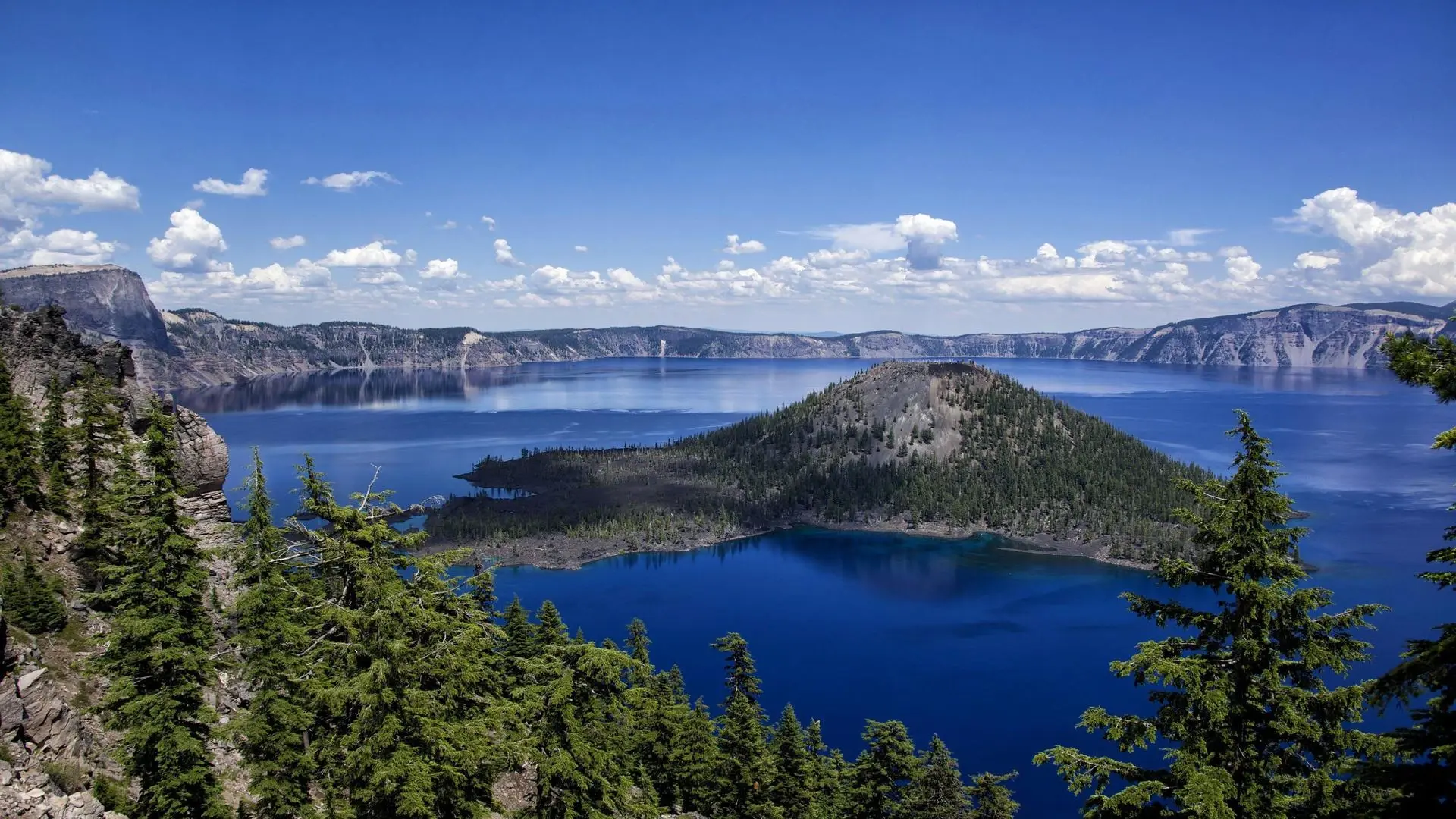
Crater Lake, Oregon
Crater LakeOregon82

Sources

  1. en.wikipedia.org/wiki/National_Park_of_American_Samoa (opens in a new tab)
  2. en.wikipedia.org/wiki/Taʻū (opens in a new tab)

International Parks

Helping nature enthusiasts discover and explore the world's most remarkable protected areas.

© 2026 International Parks. All rights reserved.

Navigation

  • Home
  • Explore Parks
  • Interactive Park Map
  • Park Ratings & Rankings
  • Park Wiki
  • Parks by Country

Resources

  • About Us
  • US National Park Seasons
  • Privacy & Terms
  • Copyright & Takedown

Account

  • My Profile
  • Suggest a Park
  • Write a Review
  • Log In
  • Sign Up

Connect

Support This Project

Contact Us

internationalparksbusiness@gmail.com

Explore by Country

  • United States
  • Canada
  • Australia
  • United Kingdom
  • Japan
  • Brazil
  • India
  • France
  • Germany
  • Italy
  • Spain
  • Thailand
  • All countries