Chickasaw
United States, Alabama
About Chickasaw
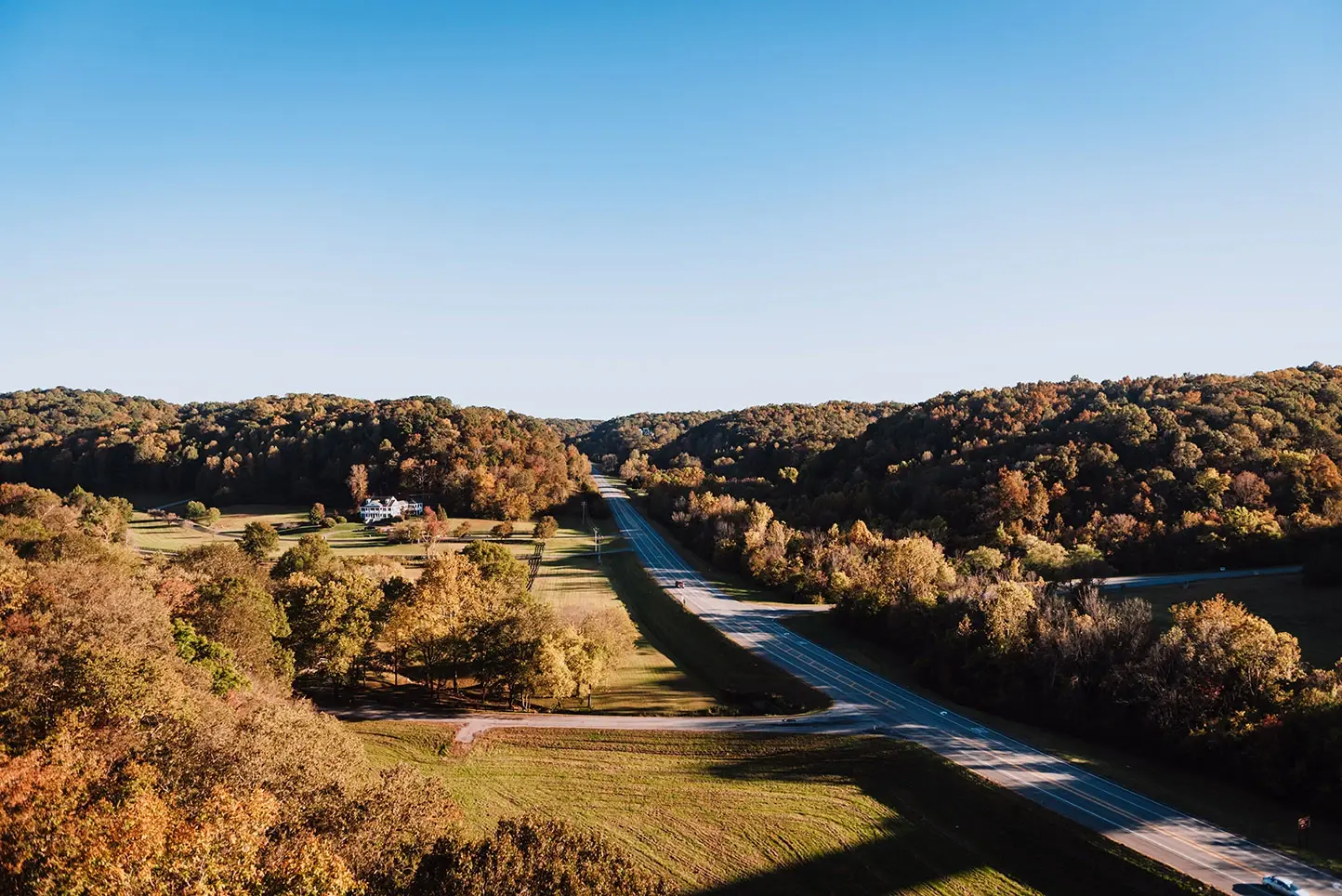
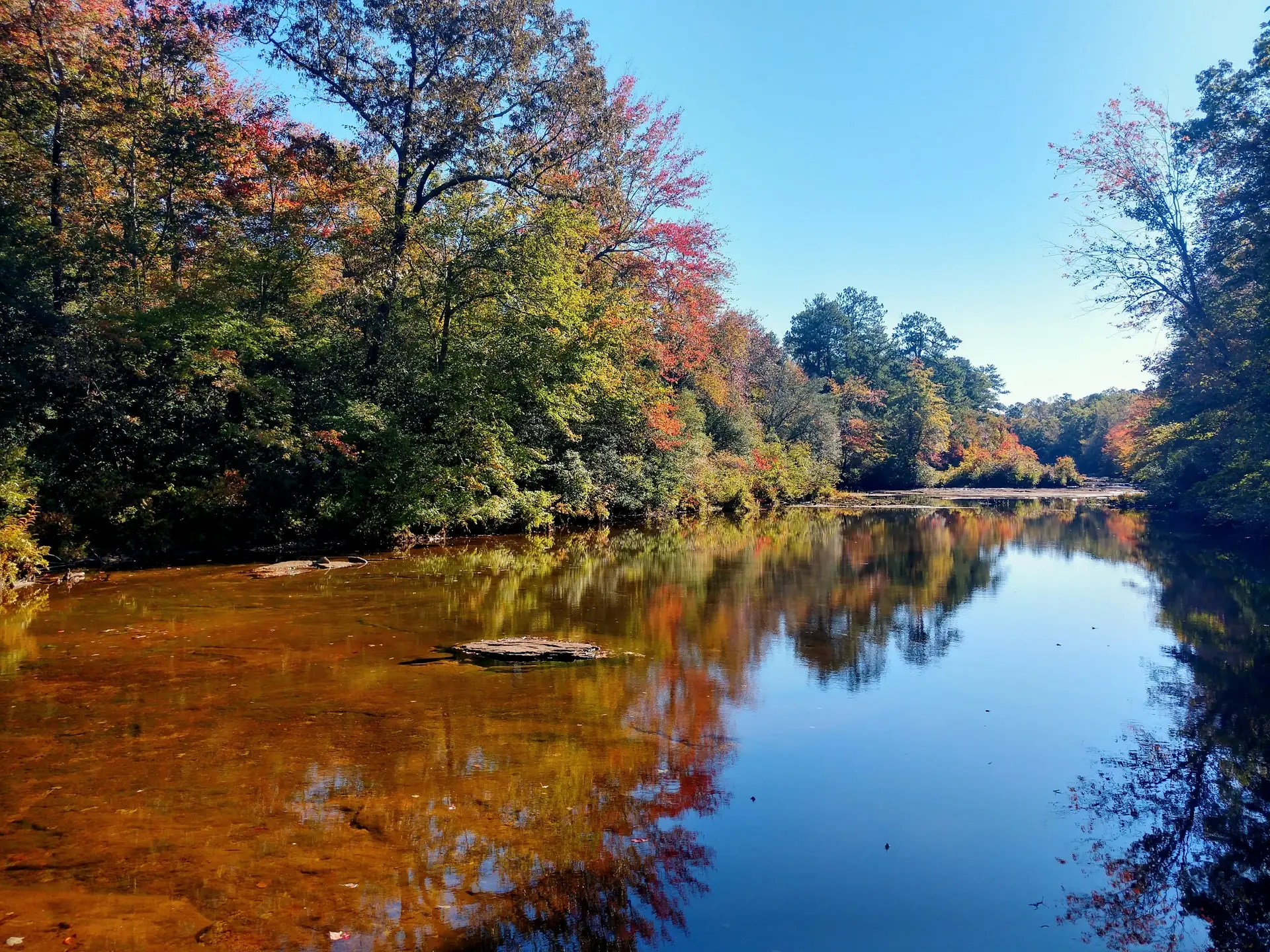
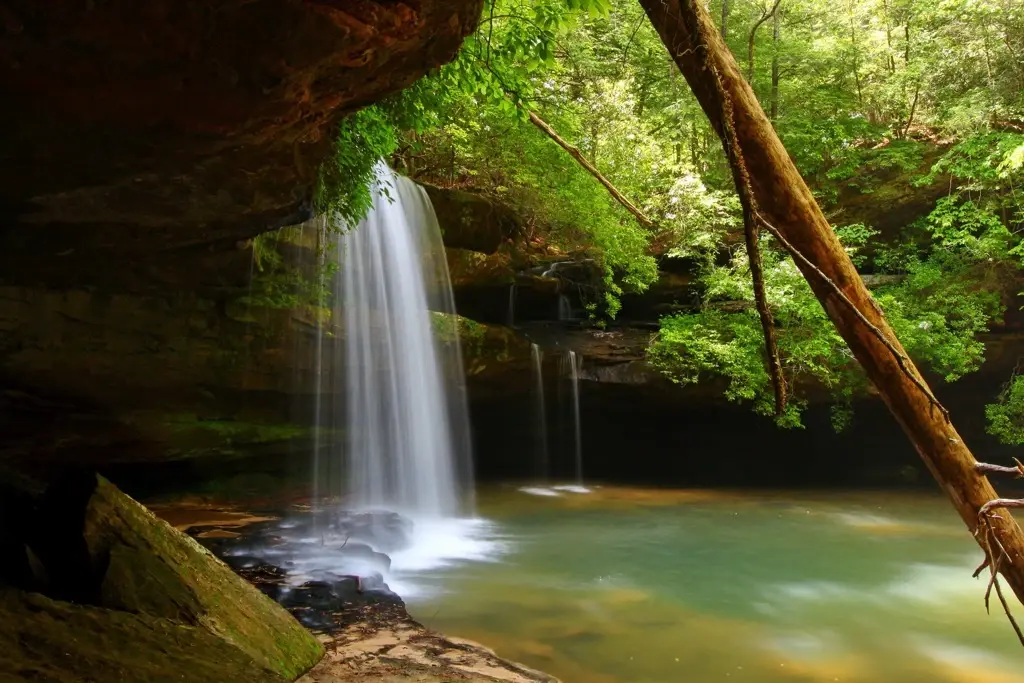
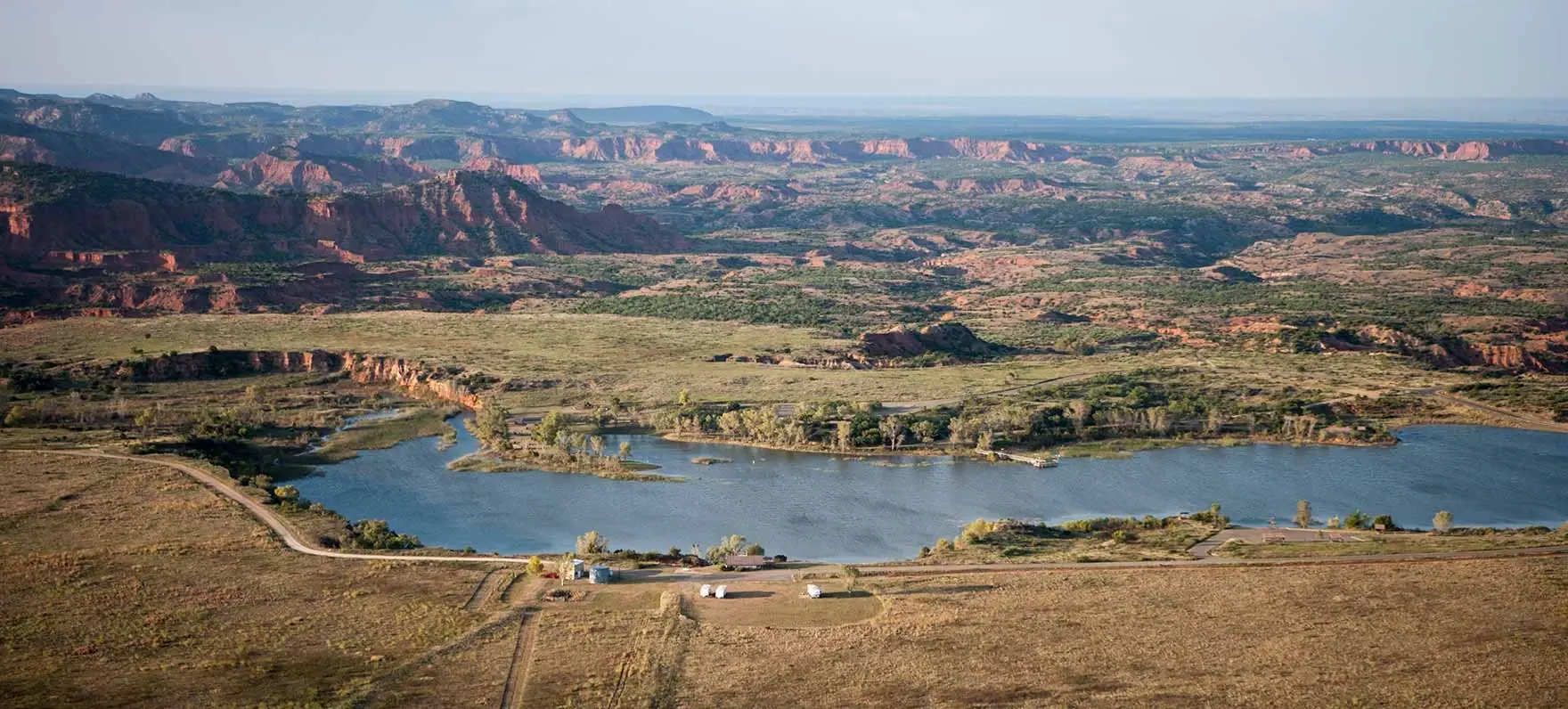
Chickasaw State Park is a 520-acre state park located in Marengo County in western Alabama, situated along the shores of a 30-acre lake. Named after the Chickasaw people who historically inhabited the region, the park offers a peaceful retreat in the rolling hills of the Alabama Black Belt. It features opportunities for fishing, hiking, picnicking, and camping, serving as one of the more tranquil recreational destinations in the state. The park's combination of pine and hardwood forests, along with its lake, make it a year-round destination for outdoor enthusiasts.
Wildlife Ecosystems
Chickasaw State Park supports a variety of wildlife typical of Alabama's western interior. White-tailed deer, wild turkeys, and eastern box turtles are commonly seen throughout the park's forests and meadows. The lake and surrounding wetlands attract great blue herons, wood ducks, and various species of songbirds. Largemouth bass, bream, and catfish inhabit the lake, making it a popular fishing destination. The park's mixed forest habitat also supports raccoons, opossums, gray squirrels, and numerous species of migratory birds during spring and fall.
Flora Ecosystems
The park encompasses a mix of loblolly pine plantations and native hardwood forests characteristic of Alabama's Black Belt region. Mature oak, hickory, and sweetgum trees form the canopy of the hardwood areas, while understory species include dogwood, redbud, and various native shrubs. Wildflowers bloom seasonally along trails and open meadows, with species such as black-eyed Susan, goldenrod, and cardinal flower adding color throughout spring and summer. The lake margins support aquatic vegetation including water lilies and various sedge species.
Geology
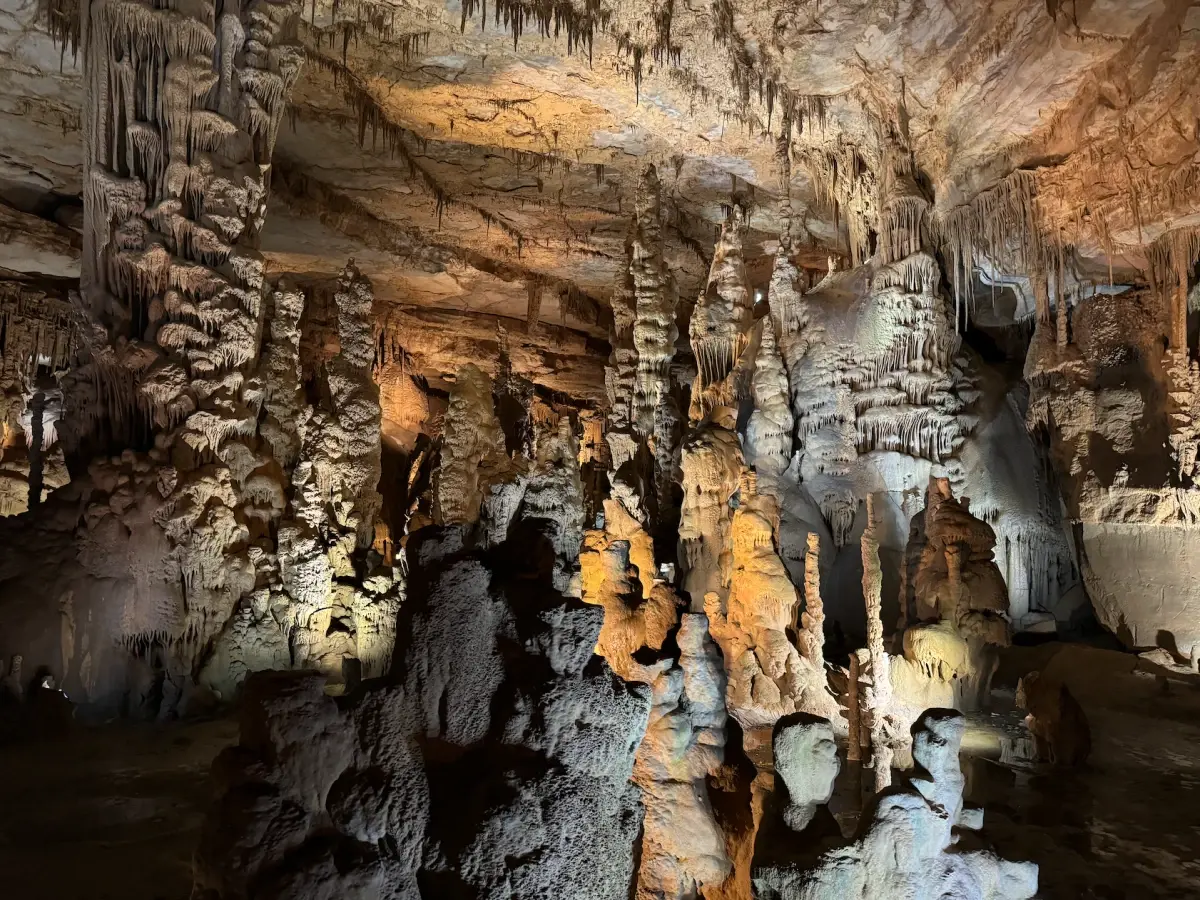
Chickasaw State Park sits within Alabama's Black Belt region, named for its dark, fertile soils derived from the Selma Chalk geological formation. This Cretaceous-era chalk and marl deposit underlies much of the area, creating the gently rolling terrain characteristic of the park. The soils are heavy clay derived from weathered chalk, which historically supported prairie grasslands before European settlement. The park's 30-acre lake was created by damming a natural drainage, and the surrounding terrain shows gentle undulations typical of the eroded chalk landscape.
Climate and Weather
The park experiences a humid subtropical climate with hot, humid summers and mild winters. Average summer temperatures reach the upper 80s to low 90s Fahrenheit, while winter temperatures typically range from the mid-30s to the mid-50s. Annual rainfall averages approximately 52 inches, distributed fairly evenly throughout the year with slightly wetter periods in late winter and early spring. The growing season extends roughly 230 days, and severe weather including thunderstorms and occasional tornadoes can occur, primarily during spring months.
Human History
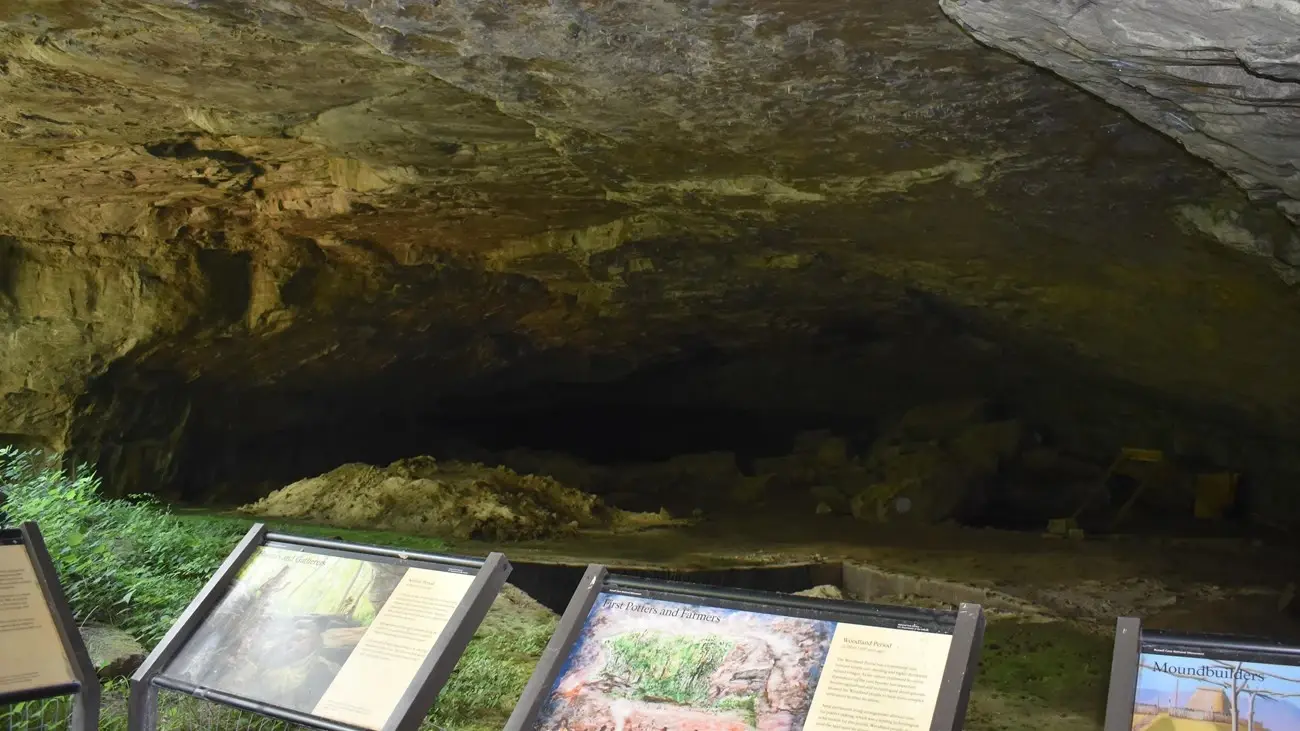
The area now encompassing Chickasaw State Park has deep roots in Native American history. The Chickasaw people, for whom the park is named, were among the most prominent indigenous nations of the southeastern United States, maintaining settlements and hunting grounds across present-day Alabama, Mississippi, and Tennessee. European contact and subsequent treaties in the early 19th century led to the forced removal of the Chickasaw along the Trail of Tears in the 1830s. Following removal, the fertile Black Belt lands were converted to cotton plantations, profoundly shaping the region's demographics and economy through the antebellum period.
Park History
Chickasaw State Park was developed during the 1930s and 1940s as part of broader efforts to establish recreational facilities across Alabama. The Civilian Conservation Corps (CCC) played a significant role in constructing many of the park's original facilities, including picnic shelters, trails, and the dam that created the park's central lake. The park has been managed by the Alabama Department of Conservation and Natural Resources since its establishment. Over the decades, facilities have been updated while maintaining the rustic character of the original CCC-era construction.
Major Trails and Attractions
The park's trail system winds through mixed pine and hardwood forests, offering easy to moderate hiking suitable for families and casual hikers. The centerpiece of the park is its 30-acre lake, which provides opportunities for bank fishing and small boat use. A group pavilion and picnic areas along the lake shore serve as gathering spots. The campground offers both improved and primitive camping sites. Nature enthusiasts appreciate the birdwatching opportunities, particularly during spring migration, and the park's quiet atmosphere makes it ideal for photography and wildlife observation.
Visitor Facilities and Travel
Chickasaw State Park provides a campground with both tent and RV sites featuring water and electrical hookups. Picnic pavilions and individual picnic sites are available throughout the park, some with grills. A boat ramp provides access to the lake for small non-motorized watercraft. Restroom facilities are available near the main recreation areas. The park is located off Alabama Highway 43, approximately 15 miles north of Linden and roughly 90 miles west of Montgomery. The nearest major airports are in Birmingham and Tuscaloosa.
Conservation and Sustainability
Chickasaw State Park contributes to the conservation of Alabama's Black Belt landscape, a region that has experienced significant habitat loss due to agricultural conversion and development. The park preserves a representative sample of the mixed pine-hardwood forest ecosystem that once covered much of the area. Management practices include controlled burns to maintain forest health, invasive species removal, and lake management to sustain fish populations. The park serves as an environmental education resource for surrounding communities, helping to raise awareness about the ecological importance of the Black Belt region.
Photos
No photos available yet