International Parks
  • Explore
  • Map
  • Ratings
  • Review
  • Wiki
  • Suggest a Park
  • About
Log In
  1. Home
  2. United States Parks
  3. Tennessee

Quick Actions

Park SummaryView on MapUnited States WikiWiki HomeWrite ReviewReport an Issue

Nearby Parks

Natchez Trace37 kmParis Landing38 kmBig Cypress Tree50 kmCross Creeks54 kmMousetail Landing55 km

Platform Stats

23,798Total Parks
217Countries & Territories
Support Us

Tennessee

United States, Tennessee

  1. Home
  2. United States Parks
  3. Tennessee

Tennessee

LocationUnited States, Tennessee
RegionTennessee
TypeNational Wildlife Refuge
Coordinates36.07°, -88.06° (show on the map)
Established1945
Area206 km²
Nearest CityParis (10 mi)
See all parks in United States →
Contents
  1. Park Overview
    1. About Tennessee
    2. Wildlife Ecosystems
    3. Flora Ecosystems
    4. Geology
    5. Climate and Weather
    6. Human History
    7. Park History
    8. Major Trails and Attractions
    9. Visitor Facilities and Travel
    10. Conservation and Sustainability
  2. Visitor Information
    1. Visitor Ratings
    2. More Parks in Tennessee
    3. Top Rated in United States
  3. Sources

About Tennessee

Tennessee National Wildlife Refuge lies on and around Kentucky Lake in northwest Tennessee, with three units, Big Sandy, Duck River and Busseltown, that stretch about 65 miles along the Tennessee River[1]. It covers about 51,000 acres and is managed as a major wintering area for migrating waterfowl[1].

Wildlife Ecosystems

The refuge checklist includes 306 bird species, 51 mammals, 89 reptiles and amphibians and 144 fish species; three quarters of the bird species found in Tennessee have been recorded on the refuge[1]. It provides a major wintering area for migrating waterfowl[1].

Flora Ecosystems

Current habitats include agricultural crops, vegetated wetlands, mudflats, shrub and scrub areas, and forested lands[1]. The crops and moist, shallow impoundments supply food for wintering waterfowl.

Geology

The refuge lies in the valleys of the Tennessee River and its tributaries, the Big Sandy and Duck rivers, which now form the arms of the reservoir Kentucky Lake. Its lands are river bottoms and gentle uplands of the Western Tennessee region.

Climate and Weather

The area has a humid subtropical climate, with hot summers, mild winters and rainfall through the year. Winters are cool enough to bring large concentrations of waterfowl from the north.

Human History

The valleys were flooded in the 1930s and 1940s as the Tennessee Valley Authority harnessed the river. A 1937 flood caused widespread damage in the Tennessee and Ohio valleys, and the TVA began building Kentucky Dam in 1938; it was completed in 1944 and created Kentucky Lake[1].

Park History

President Harry S. Truman established the refuge by Executive Order 9670 on December 28, 1945, on the newly flooded lands and adjacent areas[1]. It is managed as part of the Tennessee National Wildlife Refuge Complex, together with Cross Creeks National Wildlife Refuge[1].

Major Trails and Attractions

The refuge is known for wintering waterfowl and for birding across its three units[1]. The Big Sandy Unit lies at the junction of the Big Sandy and Tennessee rivers, and the Duck River Unit lies where the Duck and Tennessee rivers meet. The refuge offers an auto tour, hiking trails, observation decks and boat ramps.

Visitor Facilities and Travel

The refuge lies in northwest Tennessee on Kentucky Lake, and its units are reached from nearby towns such as Paris and Parsons. The refuge pages list activities, trails and events[1]. Conditions and open areas change by season, so check the current refuge notices before visiting.

Conservation and Sustainability

The refuge's mission includes protecting migratory birds, natural resources, and endangered or threatened species while allowing wildlife-oriented recreation[1]. It is classed as a conservation area, a type of refuge made up mainly of conservation easements on private land[1].

Visitor Ratings

Not yet rated. Been here? Your review gives this park its first scores.

Write a review

Photos

No photos available yet
More Parks in Tennessee

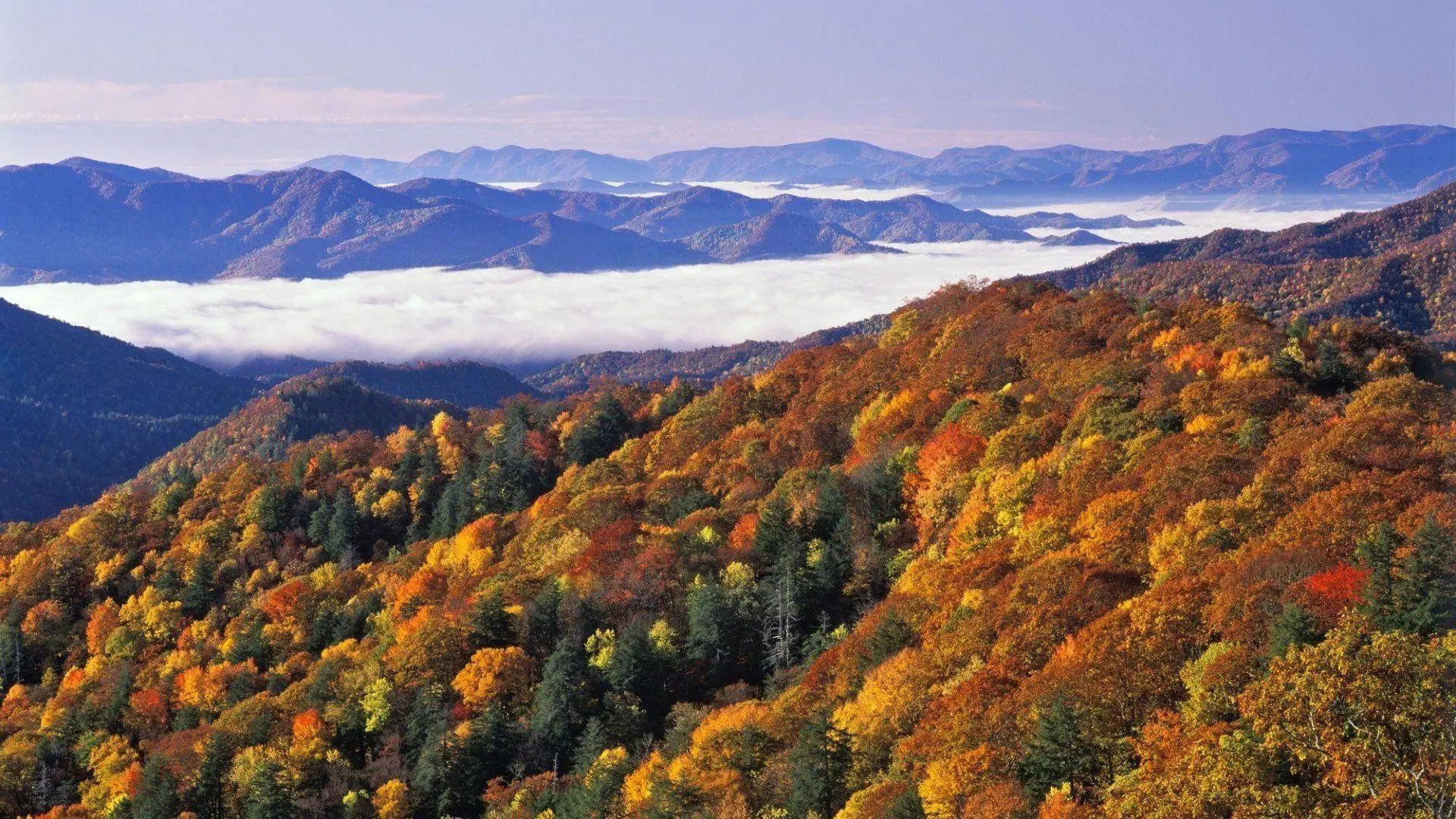
Great Smoky Mountains, Tennessee, North Carolina
Great Smoky MountainsTennessee, North Carolina78
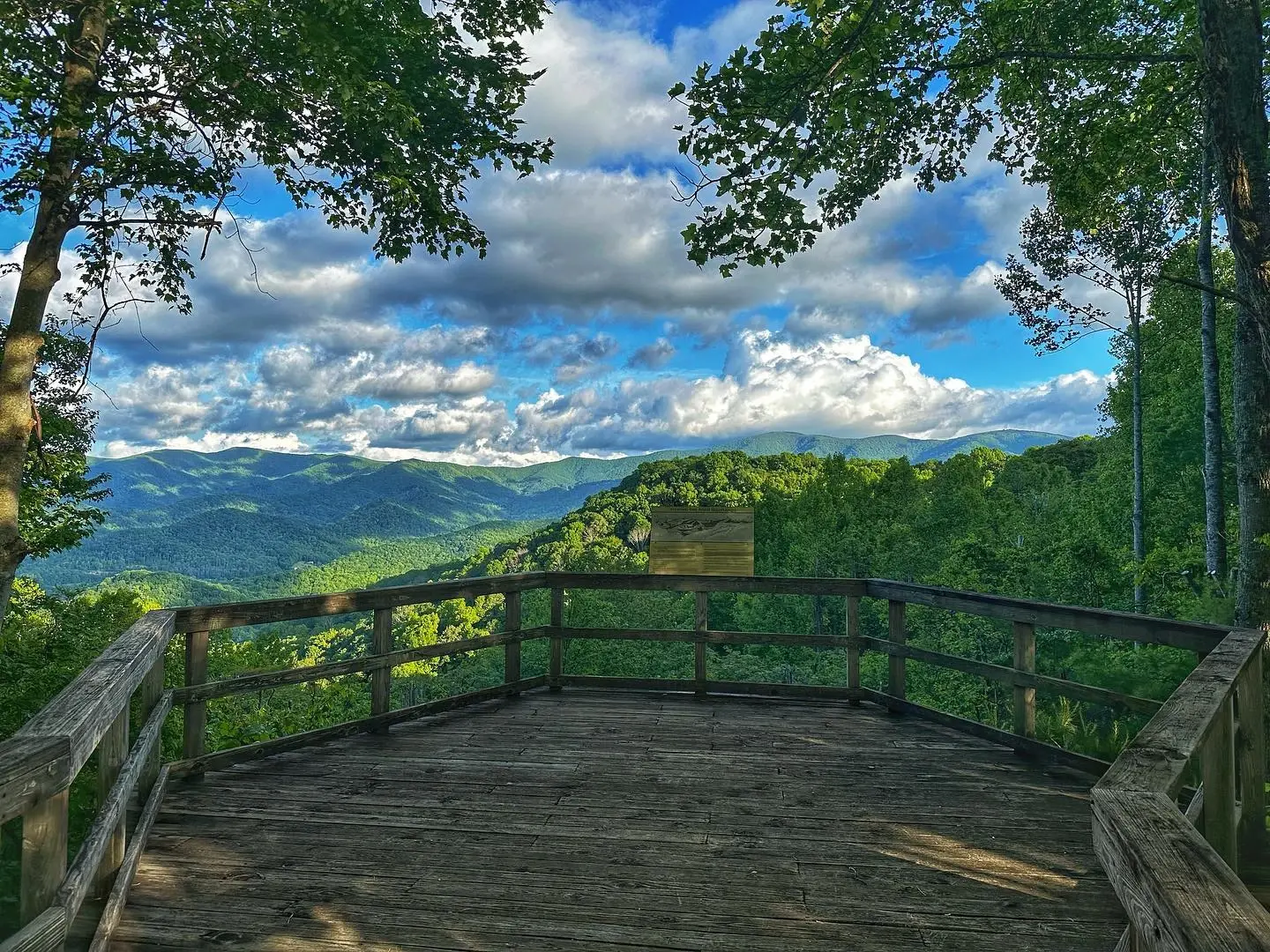
Roan Mountain, Tennessee
Roan MountainTennessee76
Cherokee National Forest, Tennessee
CherokeeNational Forest · Tennessee75
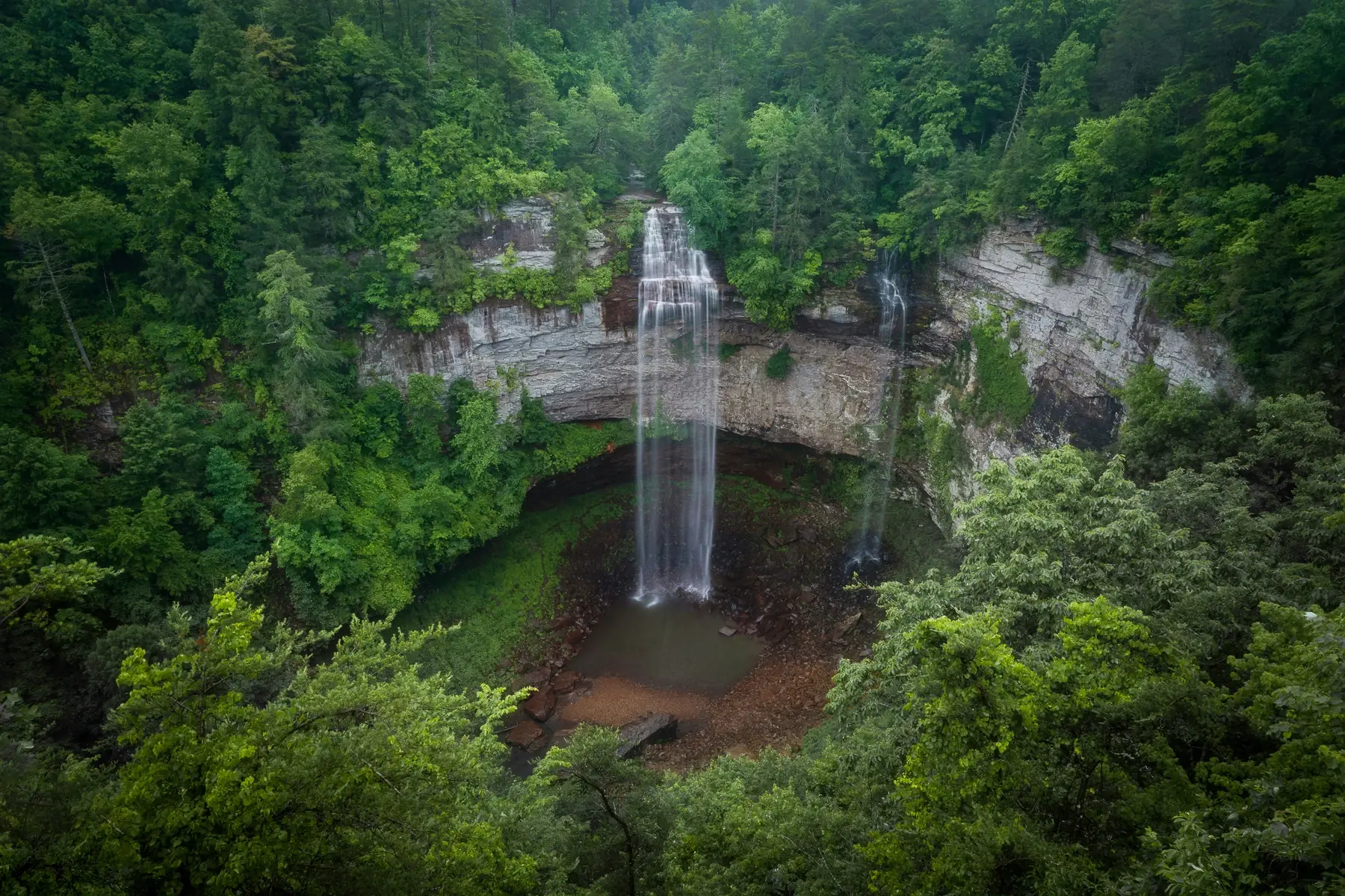
Fall Creek Falls, Tennessee
Fall Creek FallsTennessee74
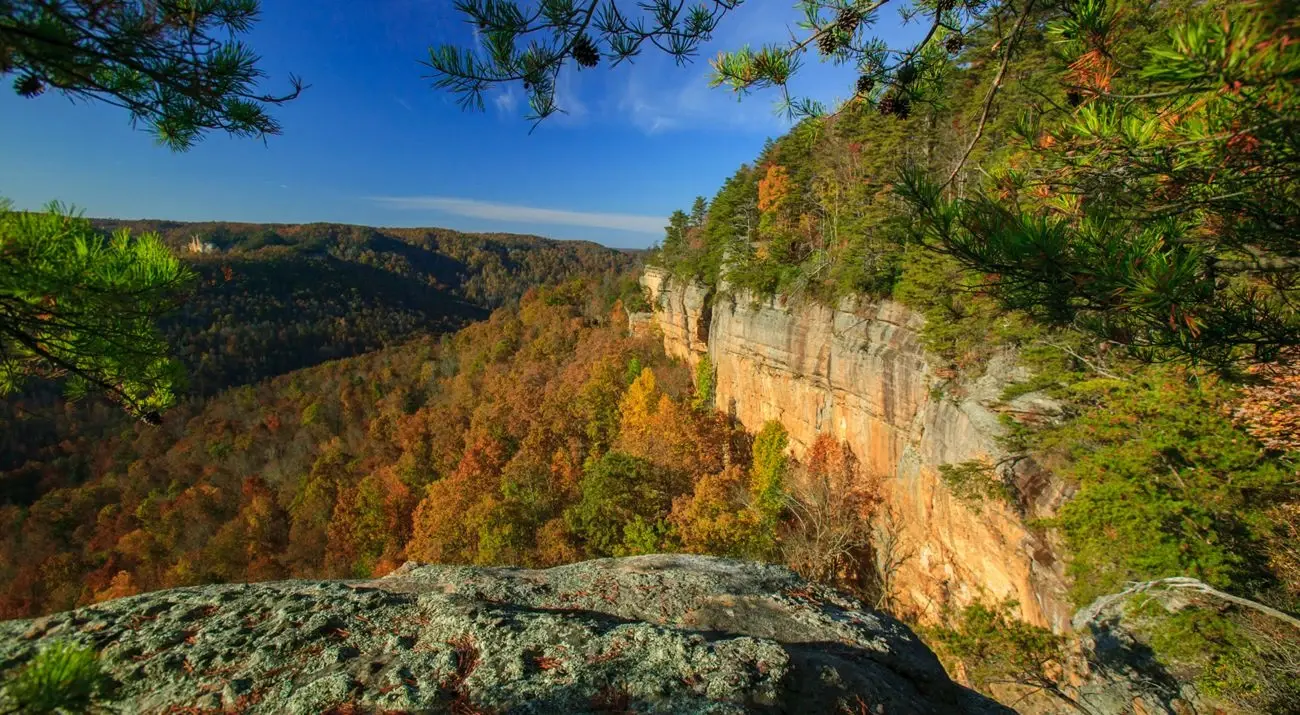
Savage Gulf, Tennessee
Savage GulfTennessee74
Reelfoot Lake, Tennessee
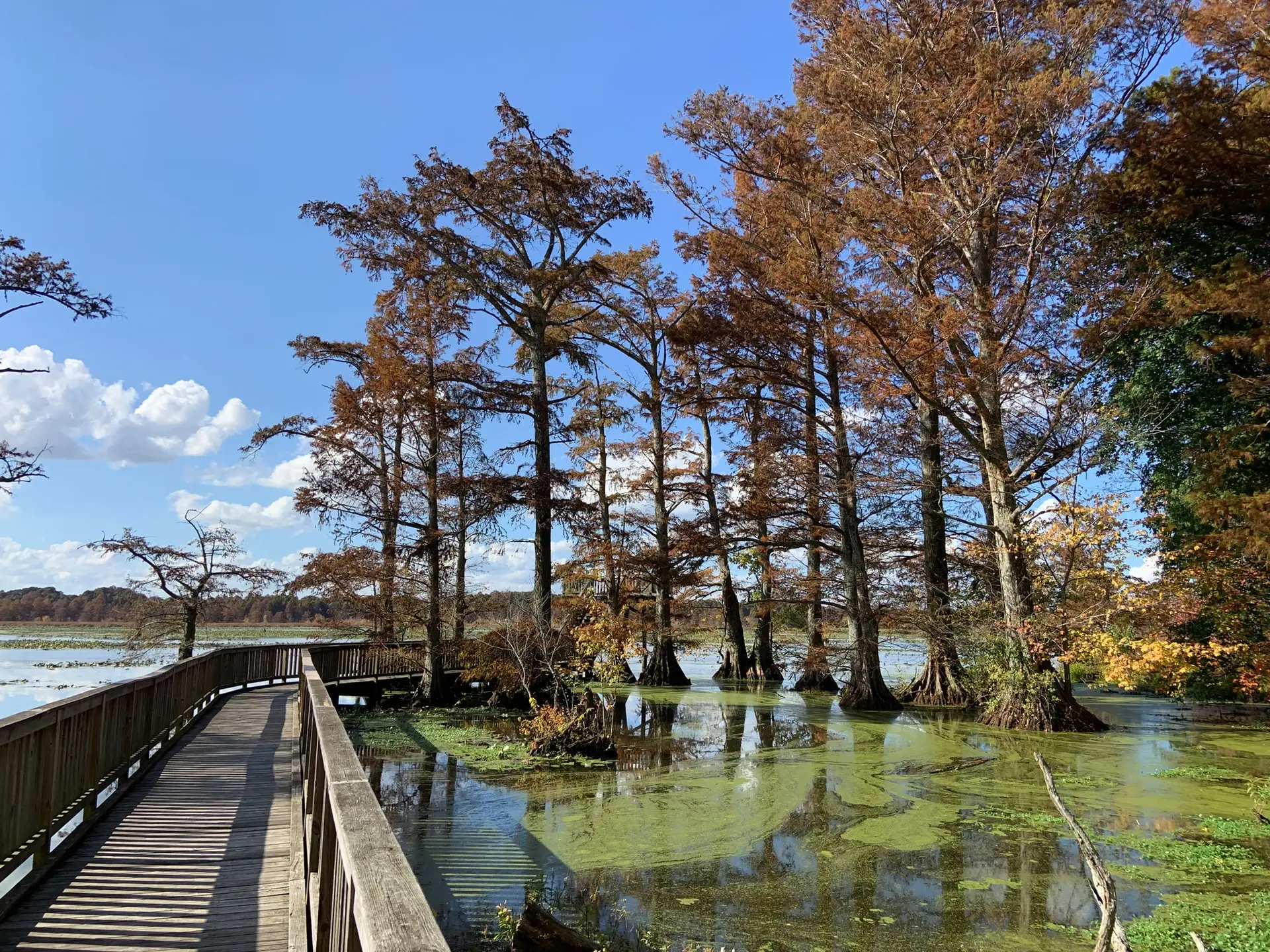
Reelfoot LakeTennessee73

Top Rated in United States

Hawaii Volcanoes, Hawaii
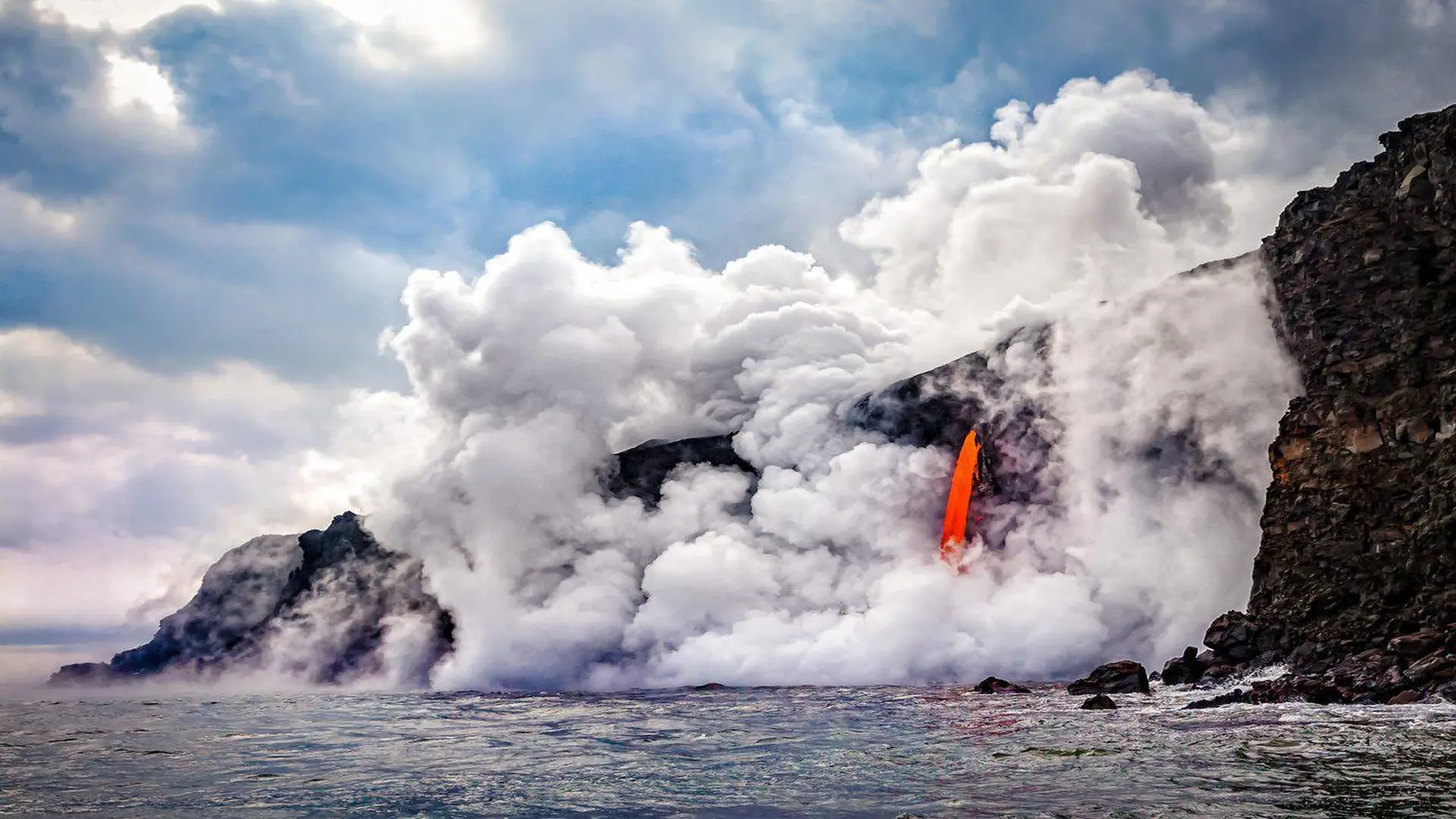
Hawaii VolcanoesHawaii86
Yosemite, California
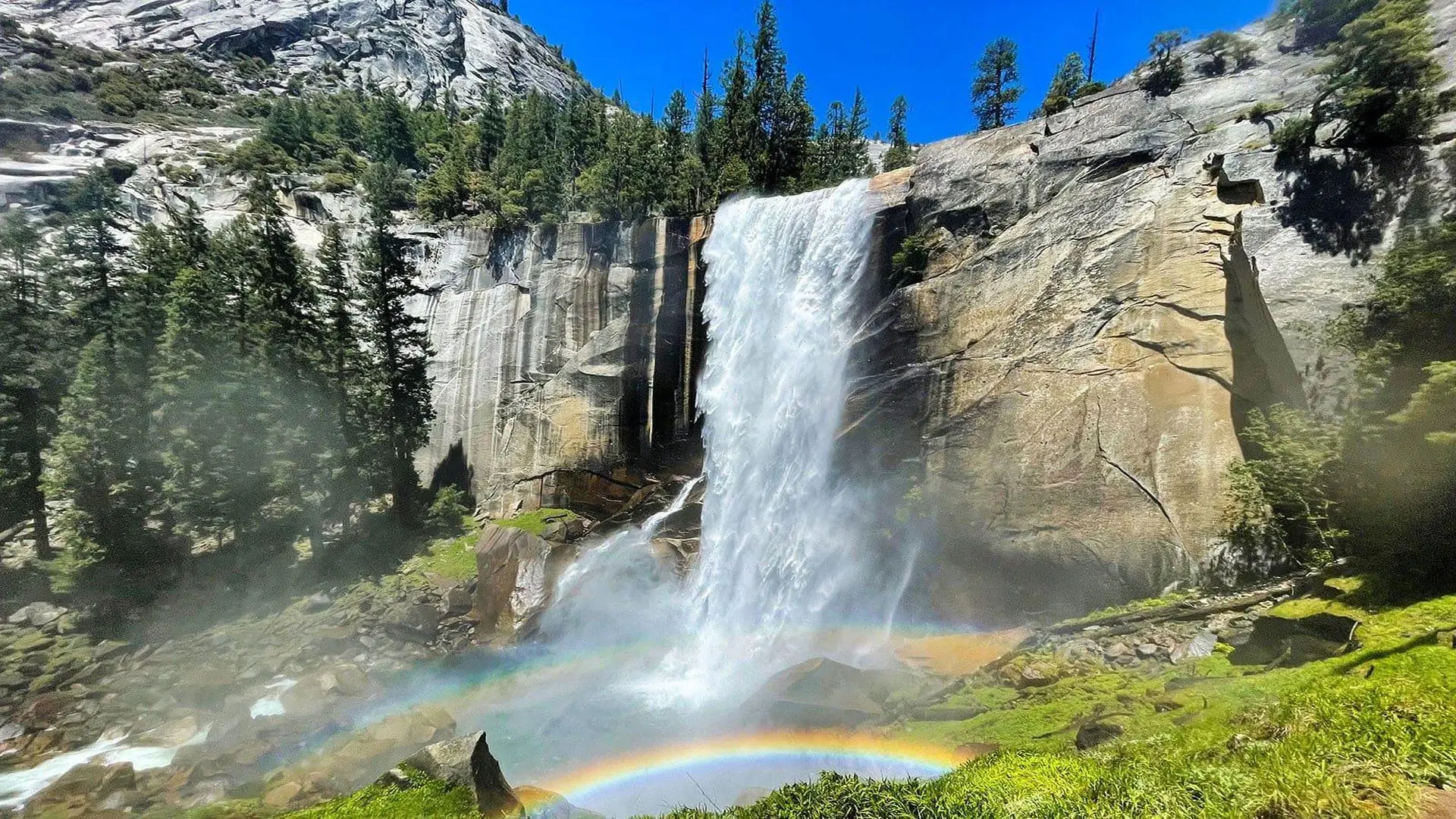
YosemiteCalifornia86
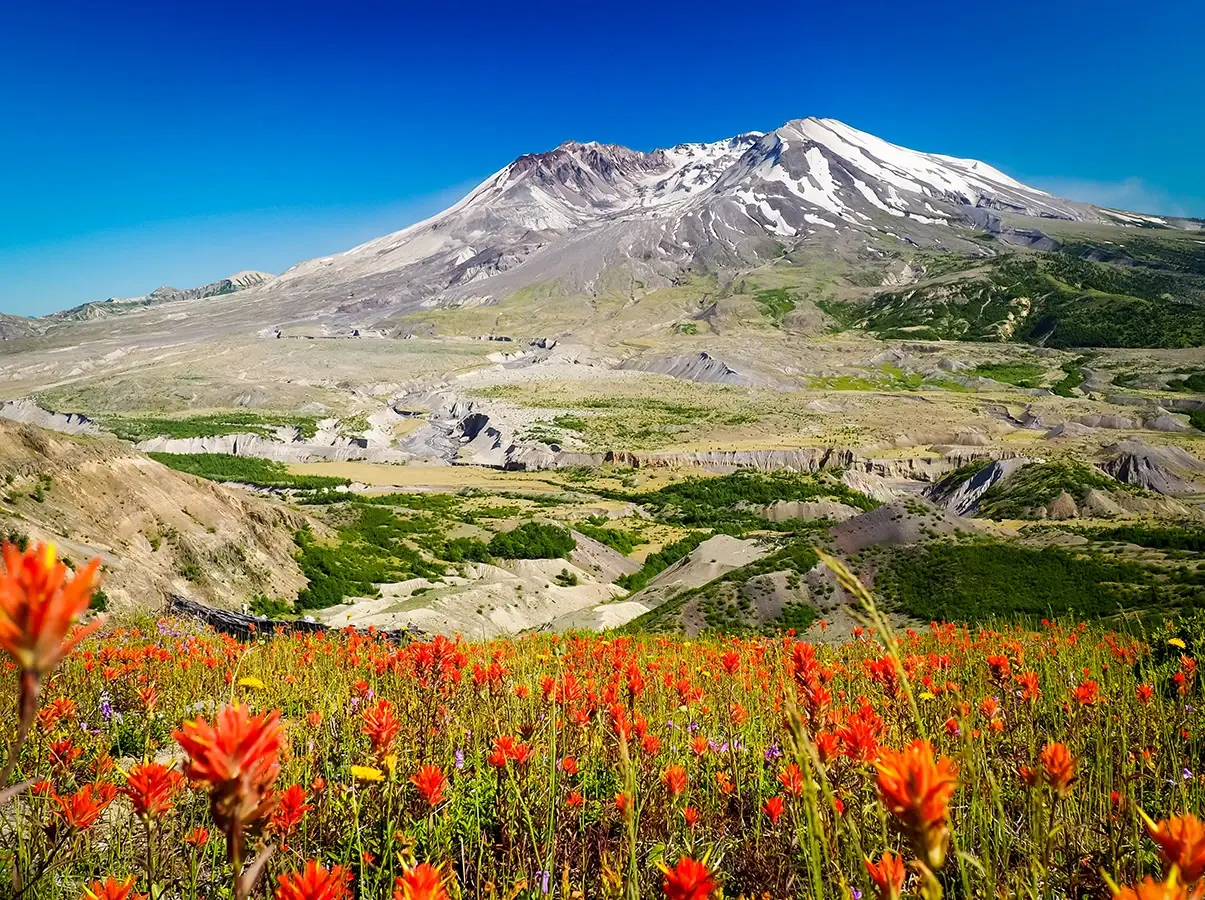
Mount St. Helens, Washington
Mount St. HelensWashington84
Humboldt Redwoods, California
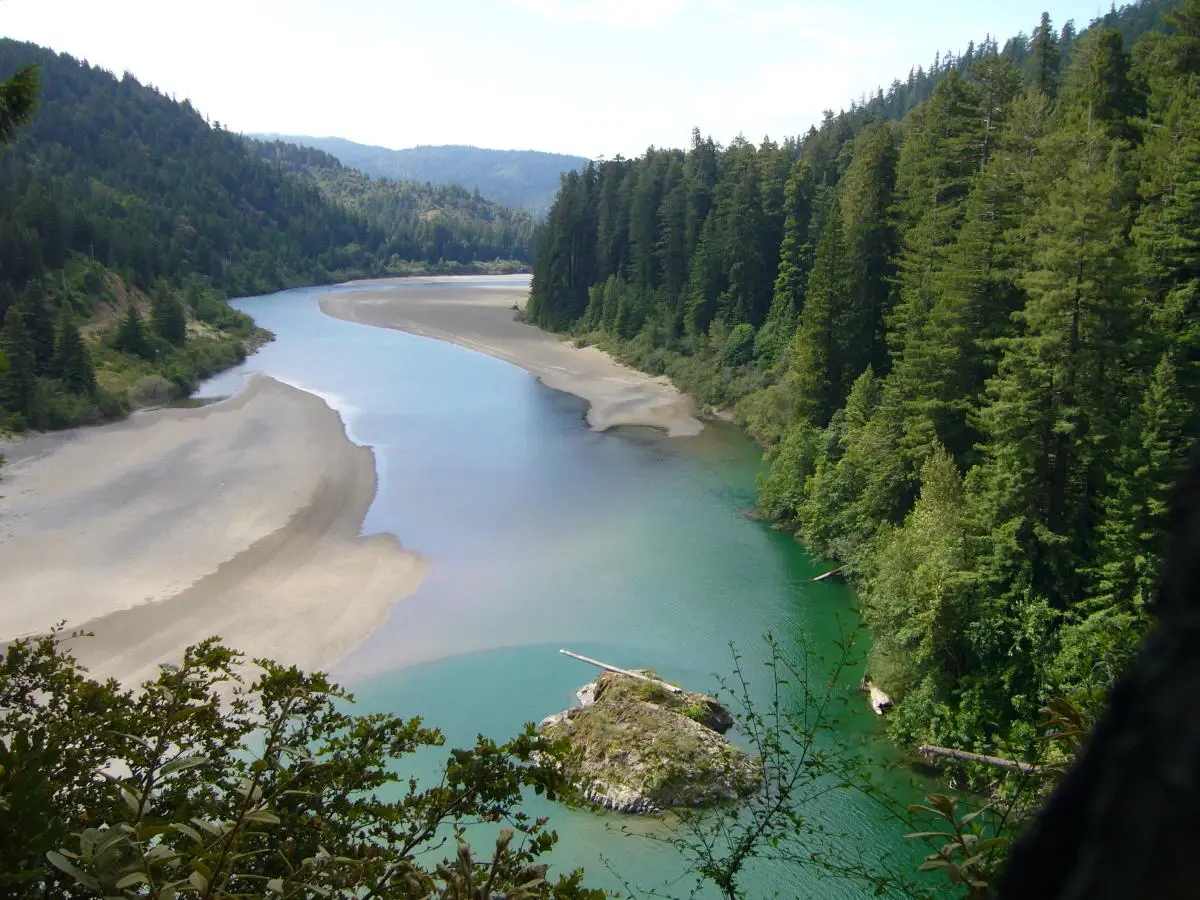
Humboldt RedwoodsCalifornia84
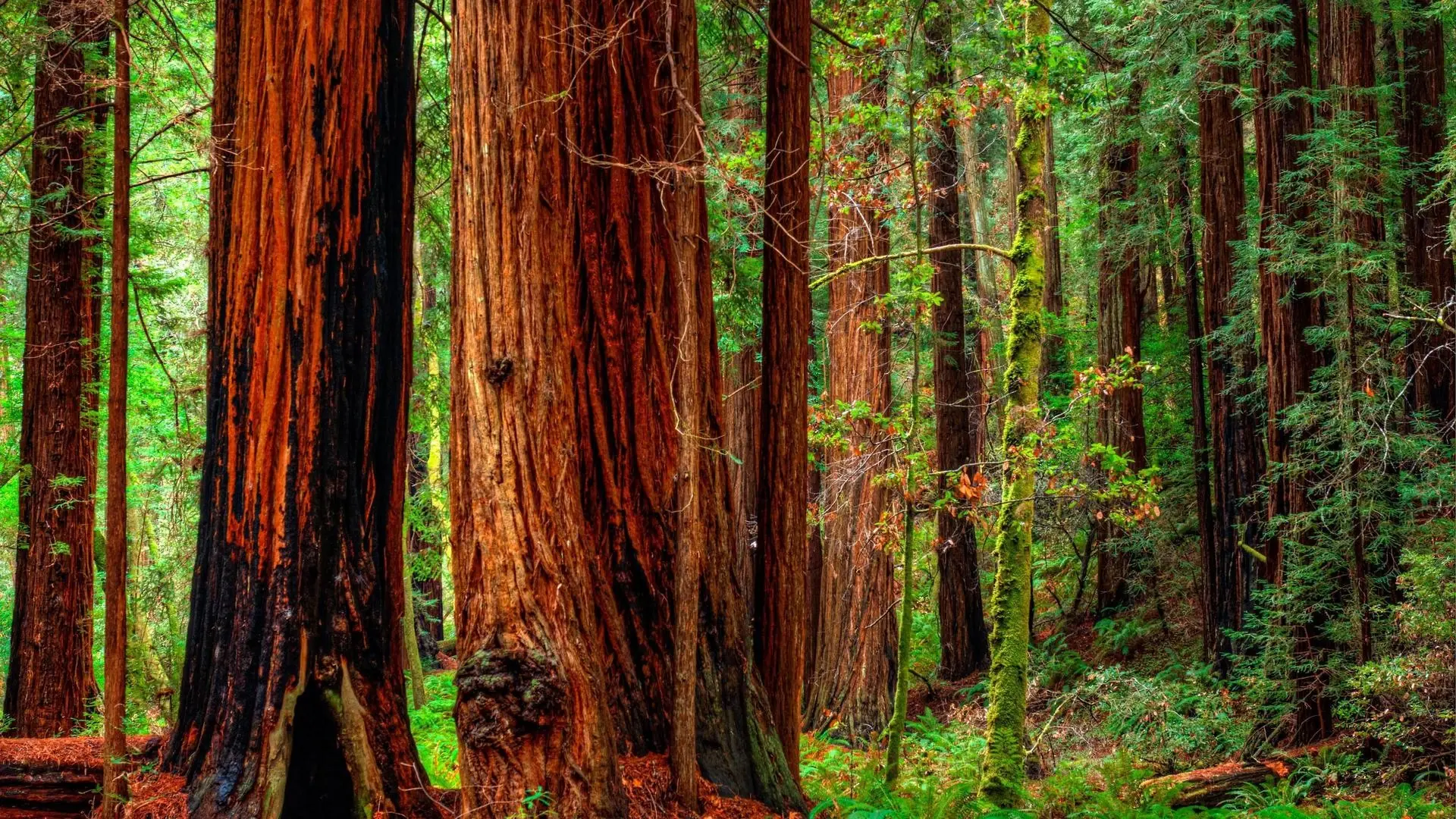
Redwood, California
RedwoodCalifornia84
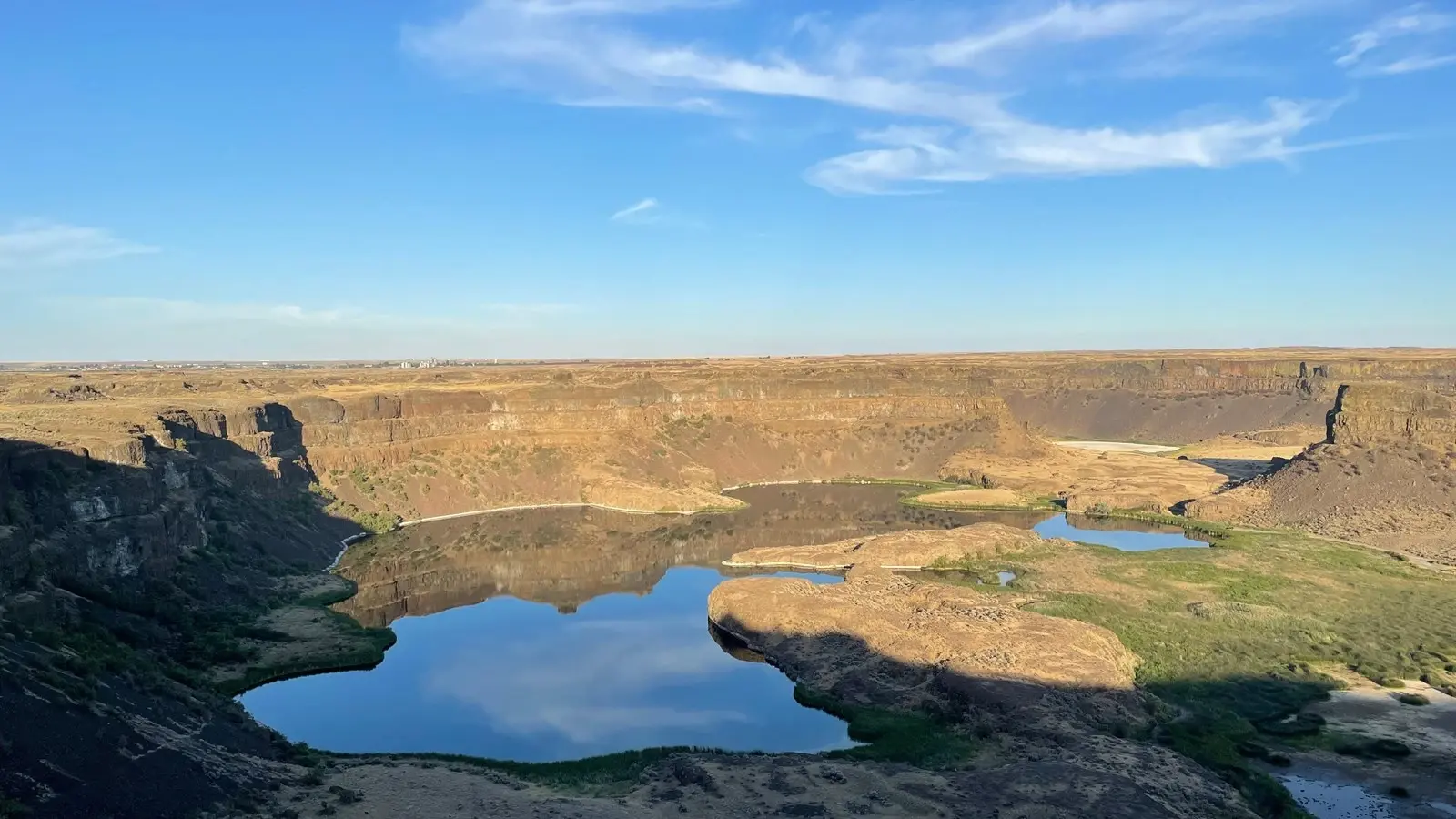
Sun Lakes-Dry Falls, Washington
Sun Lakes-Dry FallsWashington83

Sources

  1. fws.gov/refuge/tennessee/about-us (opens in a new tab)

International Parks

Helping nature enthusiasts discover and explore the world's most remarkable protected areas.

© 2026 International Parks. All rights reserved.

Navigation

  • Home
  • Explore Parks
  • Interactive Park Map
  • Park Ratings & Rankings
  • Park Wiki
  • Parks by Country

Resources

  • About Us
  • US National Park Seasons
  • Privacy & Terms
  • Copyright & Takedown

Account

  • My Profile
  • Suggest a Park
  • Write a Review
  • Log In
  • Sign Up

Connect

Support This Project

Contact Us

internationalparksbusiness@gmail.com

Explore by Country

  • United States
  • Canada
  • Australia
  • United Kingdom
  • Japan
  • Brazil
  • India
  • France
  • Germany
  • Italy
  • Spain
  • Thailand
  • All countries