Sabana Protected Area
United States, Northern Mariana Islands
About Sabana Protected Area
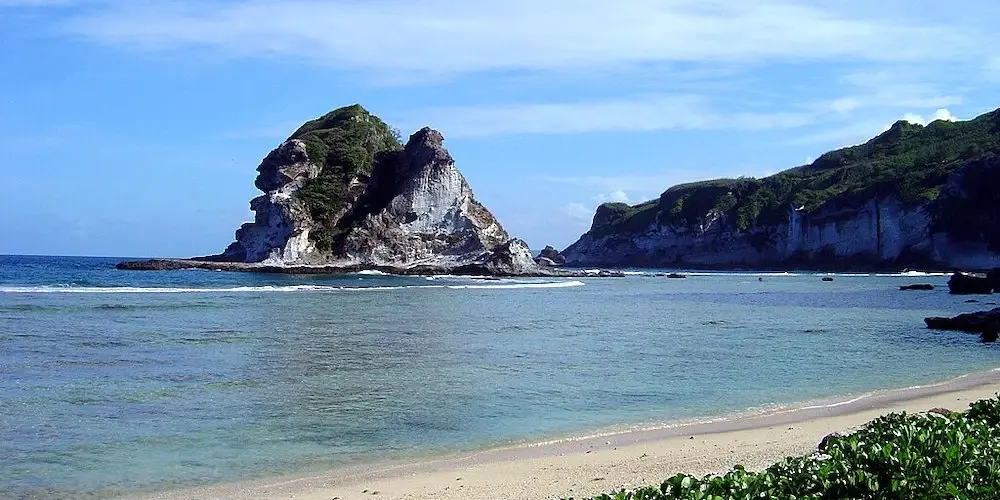
Sabana Protected Area is a conservation area in the Northern Mariana Islands designated to protect native ecosystems and wildlife habitat. The protected area contributes to the CNMI's network of conservation lands that collectively preserve representative natural communities. The designation provides legal protection enabling conservation management activities. Sabana helps ensure native species have refuge areas amid broader landscape development and invasive species impacts occurring throughout the Mariana Islands.
Wildlife Ecosystems
The protected area provides habitat for native wildlife of the Mariana Islands. Bird species potentially present include endemic species like the Golden White-eye, Mariana Fruit-dove, and Collared Kingfisher. The endangered Mariana Fruit Bat may forage in the area. Native reptiles and invertebrates contribute to the ecosystem. The area provides habitat connectivity for wildlife movement. Protection from development allows wildlife populations to persist, though the threat of brown treesnake establishment looms as a potential catastrophe.
Flora Ecosystems
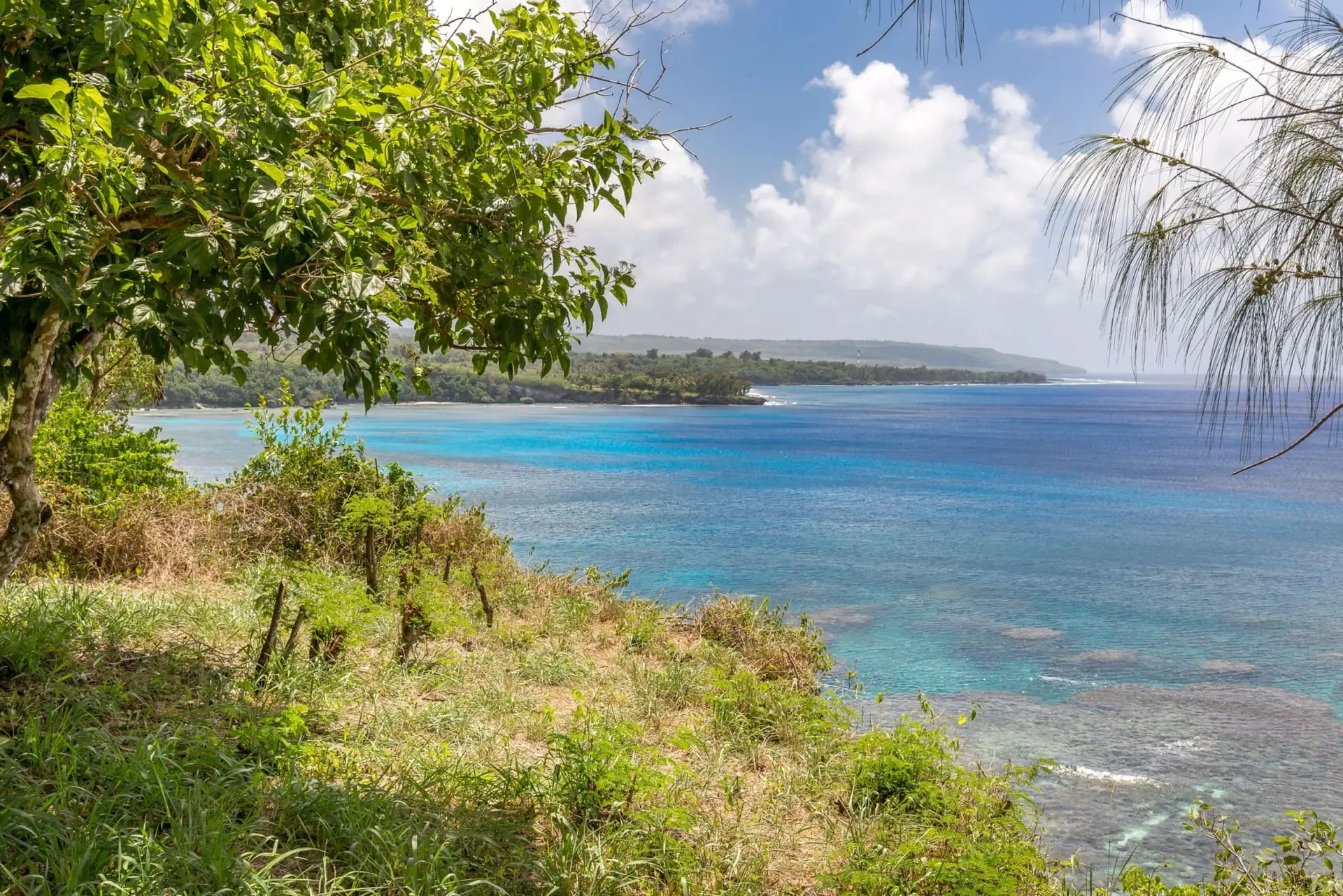
Native vegetation communities in the protected area represent the Mariana Islands' natural flora. Native trees provide structure, food resources, and wildlife habitat. The plant community composition depends on substrate, elevation, and past disturbance. Invasive plants pose ongoing management challenges throughout the Mariana Islands, requiring active control to maintain native community integrity. The protected area preserves native vegetation that once covered much larger areas before development and agricultural conversion.
Geology
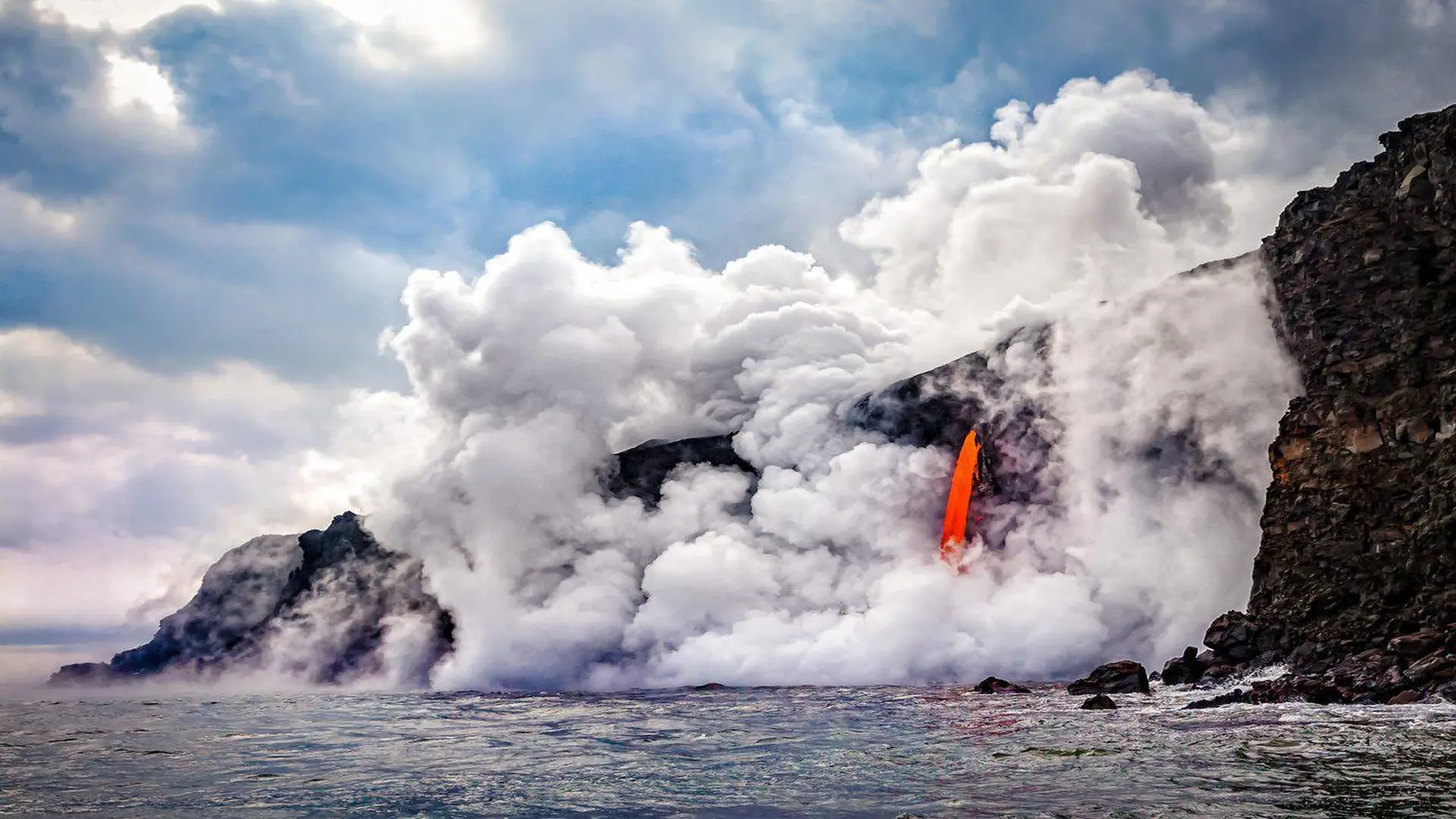
The protected area's geological setting reflects the Mariana Islands' origin from volcanic activity along the subduction zone where the Pacific plate dives beneath the Philippine plate. The terrain may include volcanic rocks, limestone derived from ancient coral reefs, or combinations of both geological types. Topography influences drainage, soil development, and vegetation patterns. The geological foundation shapes the habitats available for wildlife and the conservation values the area protects.
Climate and Weather
Sabana Protected Area experiences the tropical marine climate characteristic of the Northern Mariana Islands. Warm temperatures year-round average in the low to mid-80s°F. Humidity remains high with distinct wet and dry seasons. The wet season from July through November brings heavy rainfall and typhoon risk. Trade winds moderate temperatures and influence vegetation patterns. The tropical climate supports lush vegetation and year-round biological activity. Climate change may intensify storms and affect species distributions.
Human History
The Chamorro people have inhabited the Mariana Islands for thousands of years, developing cultures adapted to island environments. Traditional land use patterns shaped vegetation over millennia. Spanish colonization brought dramatic changes beginning in the 1600s. Japanese administration and World War II further altered the islands. American administration and modern development have reduced natural habitats. Conservation designations like Sabana protect remaining natural areas that provide both ecological function and connection to traditional landscapes.
Park History
Sabana Protected Area was designated as part of the CNMI's efforts to establish a comprehensive network of protected lands. The designation provides legal protection and enables conservation management. Management priorities include invasive species control and habitat protection for native wildlife. The protected area contributes to the Commonwealth's conservation goals alongside other designated areas. Coordination with the Division of Fish and Wildlife ensures consistent management approaches across protected lands.
Major Trails and Attractions
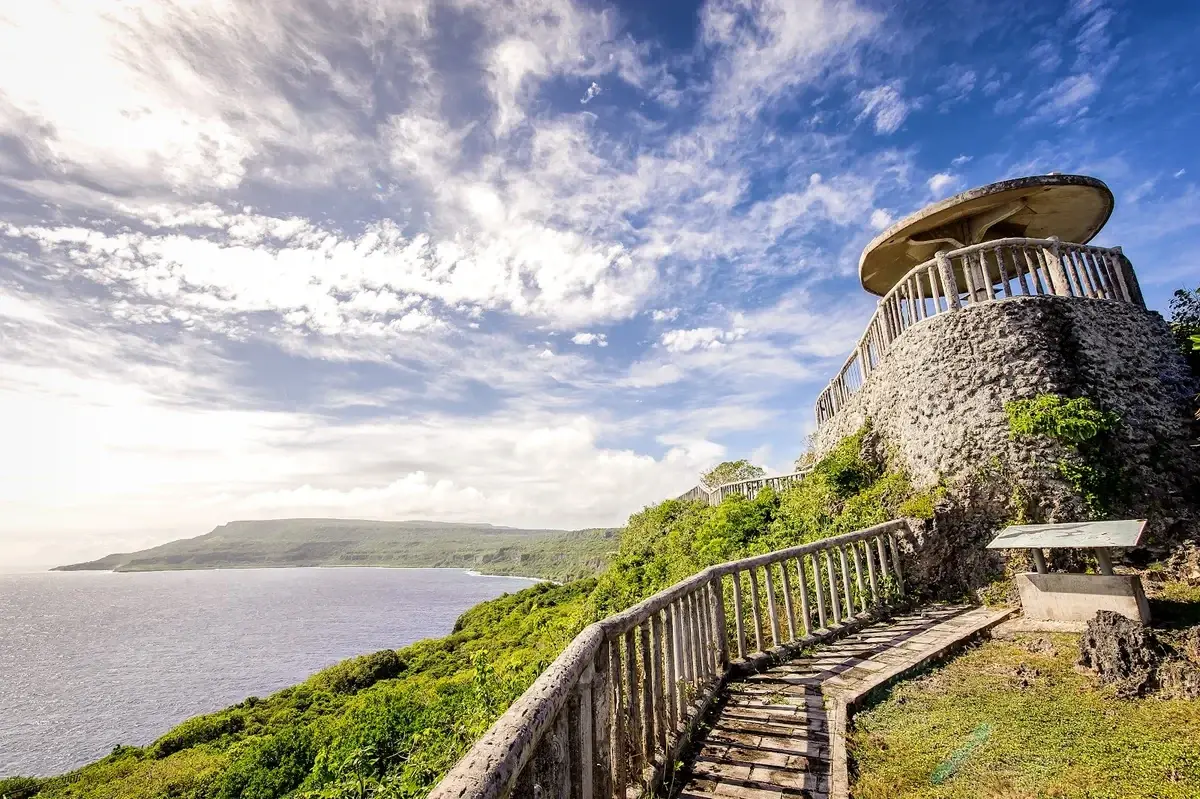
The protected area offers opportunities to experience native environments and potentially observe wildlife. Natural settings provide contrast to developed areas. Birdwatching may reward patient observers, though populations have declined from historical levels due to invasive species and habitat loss. The area may include scenic viewpoints or other natural features. Nature appreciation and educational activities are appropriate uses consistent with conservation purposes. Specific attractions depend on the area's particular features.
Visitor Facilities and Travel
Sabana Protected Area is accessible from the CNMI's road network. Facilities are limited consistent with conservation focus. Visitors should bring water and supplies for tropical conditions. Appropriate footwear and sun protection are recommended. The area serves primarily conservation and educational purposes. Checking current access conditions before visiting is advisable. Respect for protected species and habitats is essential. Contact CNMI natural resource agencies for specific guidance.
Conservation and Sustainability
Conservation management focuses on protecting native ecosystems and controlling invasive species. The potential establishment of brown treesnakes represents an existential threat to native birds, requiring vigilant biosecurity. Invasive plants compete with native vegetation. Habitat fragmentation limits wildlife movement across the landscape. Climate change adds additional pressures. Active management including monitoring, invasive species control, and habitat restoration helps maintain ecological values. Community engagement builds support for long-term conservation.
Photos
No photos available yet