Penrose Point
United States, Washington
About Penrose Point
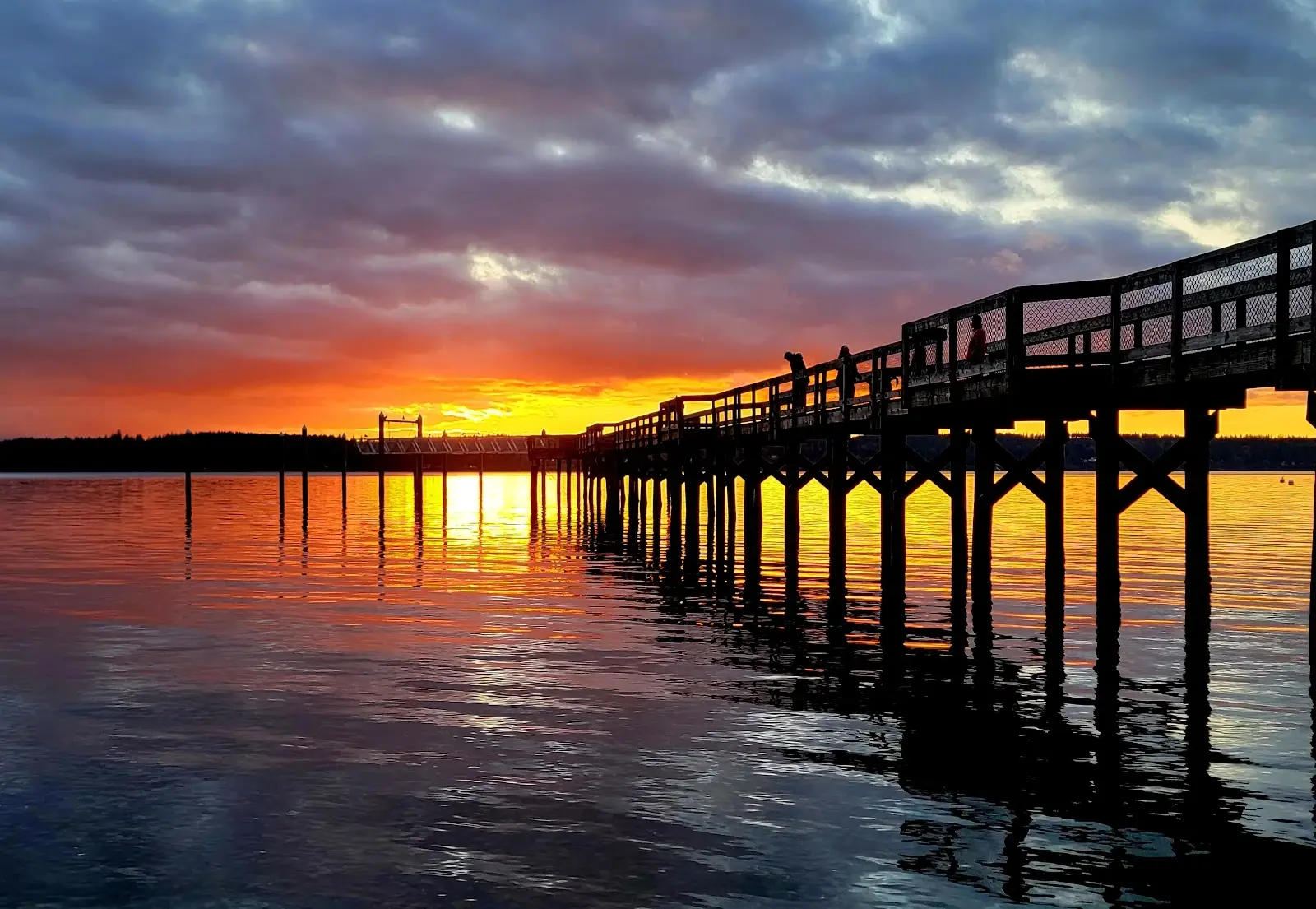
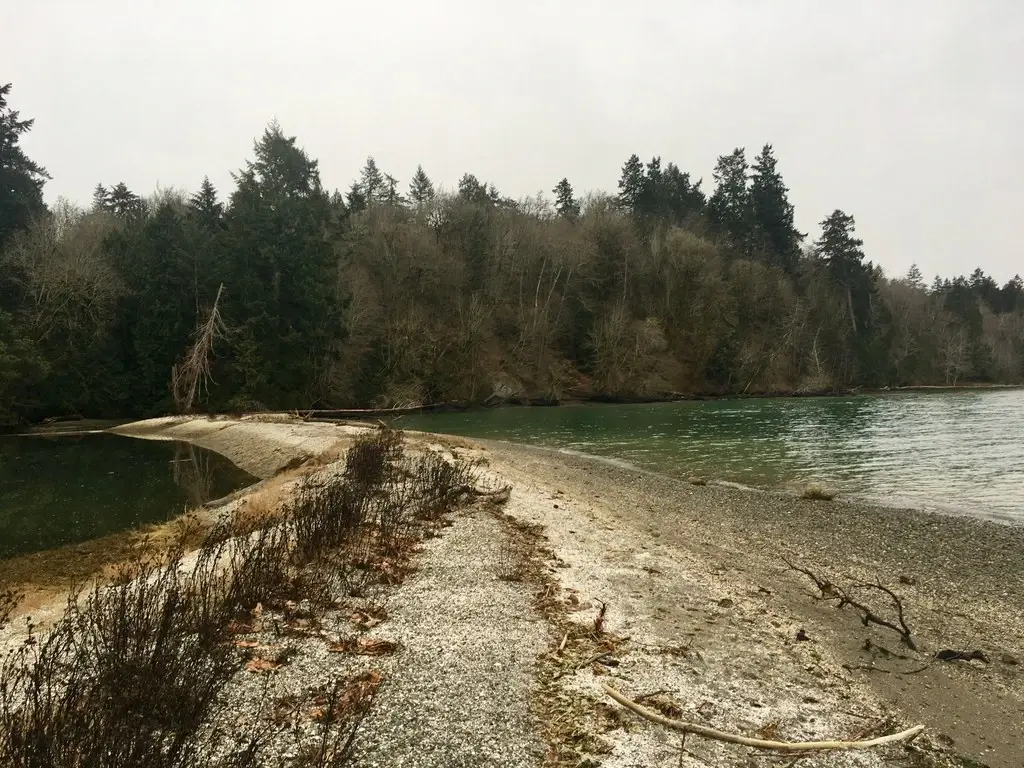
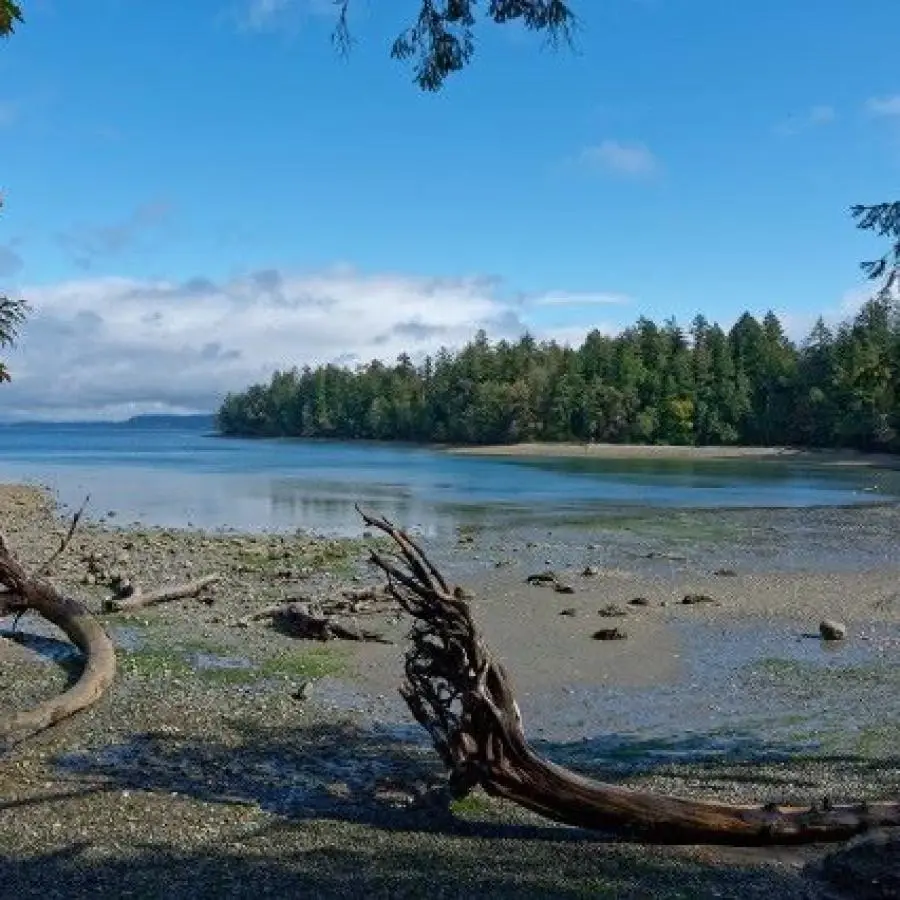
Penrose Point State Park is a 152-acre marine park located on the shores of Carr Inlet in southern Puget Sound. The park features 2 miles of saltwater shoreline, forested uplands, picnic areas, and camping facilities. The location provides excellent views across Carr Inlet and opportunities for beach exploration, shellfish harvesting, and marine recreation. The park serves as a water-trail destination for kayakers.
Wildlife Ecosystems
Penrose Point State Park supports diverse wildlife characteristic of its ecosystem. The area provides habitat for mammals including deer, small predators, and various rodents. Bird populations include resident and migratory species adapted to local conditions. The park's habitats support complex food webs with invertebrates forming the base of terrestrial ecosystems. Seasonal wildlife activity varies with weather and food availability. The park offers some of the best shellfish harvesting opportunities in the state parks system when beaches are open. Protected waters make it suitable for novice kayakers.
Flora Ecosystems
The vegetation at Penrose Point State Park reflects Pacific Northwest plant communities adapted to local climate and soil conditions. Forest areas feature coniferous and deciduous trees creating layered canopy structure. Understory plants include ferns, shrubs, and wildflowers that bloom seasonally. Plant communities vary with elevation, aspect, and moisture availability. The flora provides ecosystem services including carbon storage, soil stabilization, and wildlife habitat.
Geology
The geology of Penrose Point State Park reflects processes that shaped the Pacific Northwest landscape. The area shows evidence of glaciation, tectonic activity, or volcanic influences depending on location. Bedrock and surficial deposits create the foundation for current ecosystems. Soils developed on these parent materials support vegetation communities. Ongoing geological processes continue shaping the landscape through erosion, weathering, and periodic seismic activity characteristic of the Cascadia region.
Climate and Weather
Penrose Point State Park experiences Pacific Northwest maritime or continental climate depending on its location relative to mountain ranges and the ocean. Precipitation patterns show wet winters and drier summers typical of the region. Temperature ranges reflect elevation and proximity to moderating influences like water bodies. Seasonal weather variations affect wildlife activity, plant phenology, and visitor use patterns. The climate supports characteristic Pacific Northwest ecosystems.
Human History
The area encompassing Penrose Point State Park has connections to indigenous peoples who utilized the land for thousands of years. European American settlement brought changes including resource extraction, agriculture, or development. Recognition of the area's natural or cultural values led to its protection and establishment as a park. The history reflects broader patterns of land use and conservation in Washington State.
Park History
Penrose Point State Park was established as part of Washington's state or federal park system to preserve natural or cultural resources and provide public recreation. Development included facilities appropriate to the park's character and purposes. Over time, management has evolved to balance visitor use with resource protection. The park continues serving its conservation and recreation missions.
Major Trails and Attractions
Penrose Point State Park offers recreational opportunities suited to its landscape and character. Visitors can explore trails, viewpoints, or special features that showcase the park's unique attributes. Activities vary seasonally and may include hiking, wildlife viewing, water-based recreation, or cultural site interpretation. The park provides experiences ranging from casual visits to extended recreation.
Visitor Facilities and Travel
Penrose Point State Park provides facilities appropriate to its size and management objectives. Access information, operating seasons, and available amenities vary by park. Visitors should check current conditions and regulations before visiting. The park may offer camping, day-use areas, or specialized facilities. Location and access routes determine typical visit patterns and user groups.
Conservation and Sustainability
Management of Penrose Point State Park focuses on protecting natural and cultural resources while providing appropriate public use. Conservation challenges may include invasive species, climate change impacts, visitor impacts, or habitat protection. Monitoring programs track resource conditions. Educational efforts inform visitors about ecosystems and sustainable practices. The park contributes to regional conservation goals and biodiversity protection.
Photos
2 photos