Olmstead Place
United States, Washington
About Olmstead Place
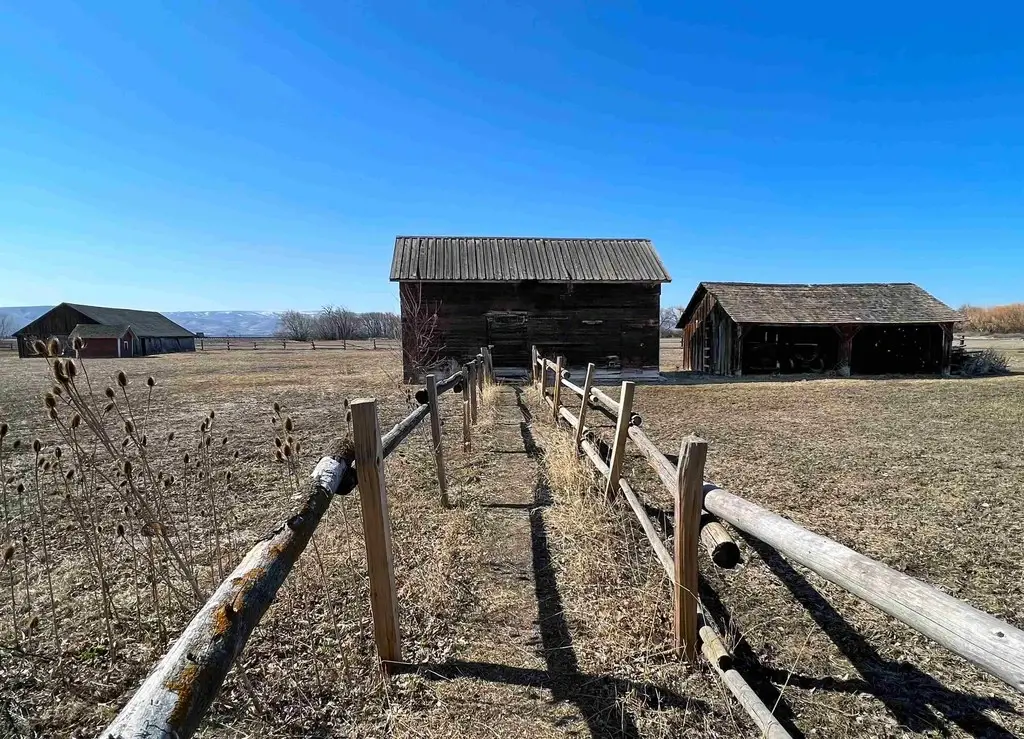
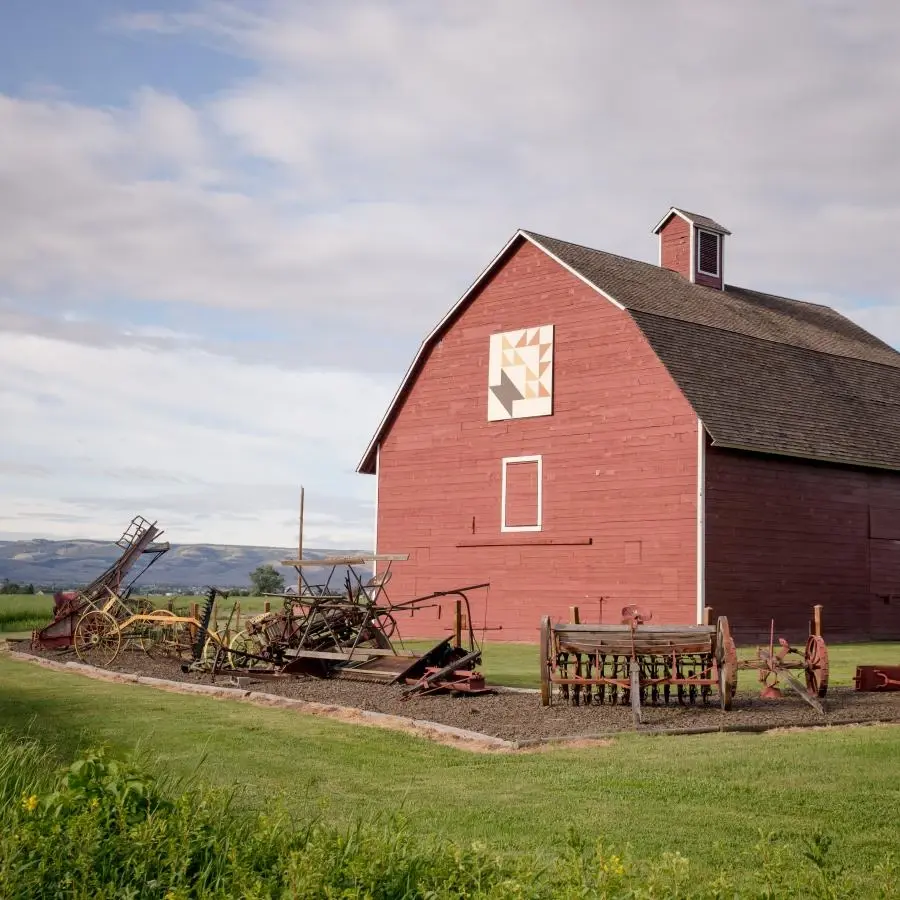
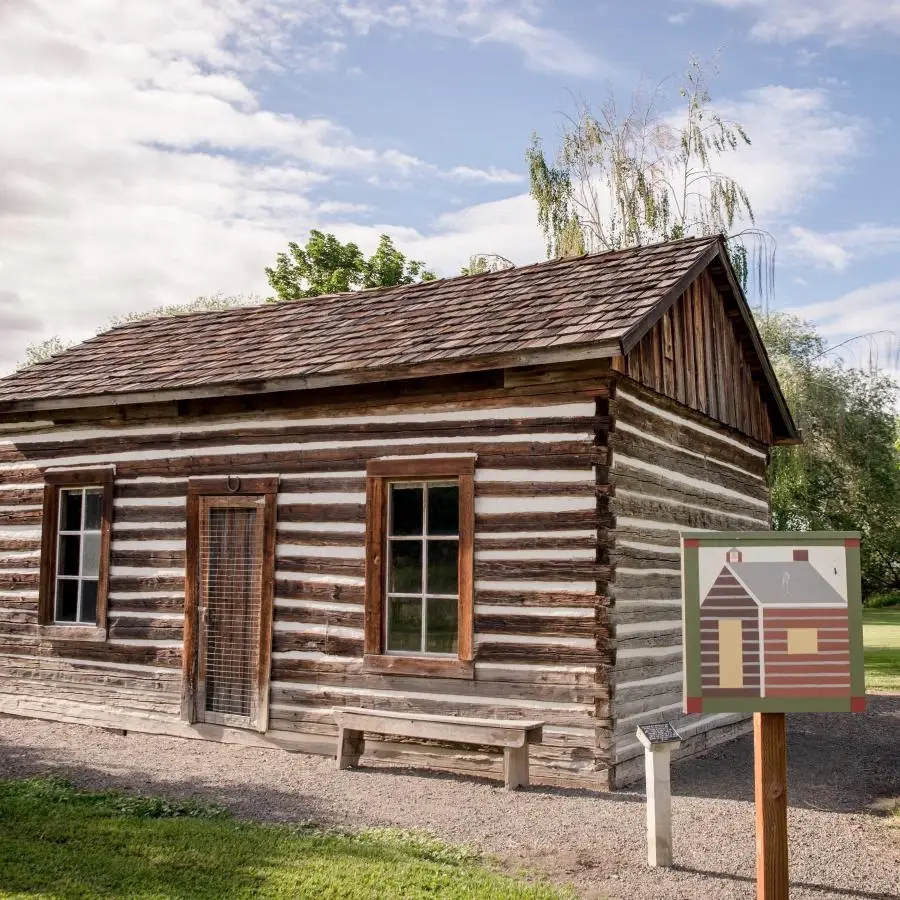
Olmstead Place State Park is a 217-acre heritage site in Kittitas County preserving an early pioneer farm from 1875. The park features historic buildings including a farmhouse, barn, granary, and cabin that interpret late 19th and early 20th century agricultural life in the Kittitas Valley. The Olmstead family homesteaded the land and farmed it for four generations.
Wildlife Ecosystems
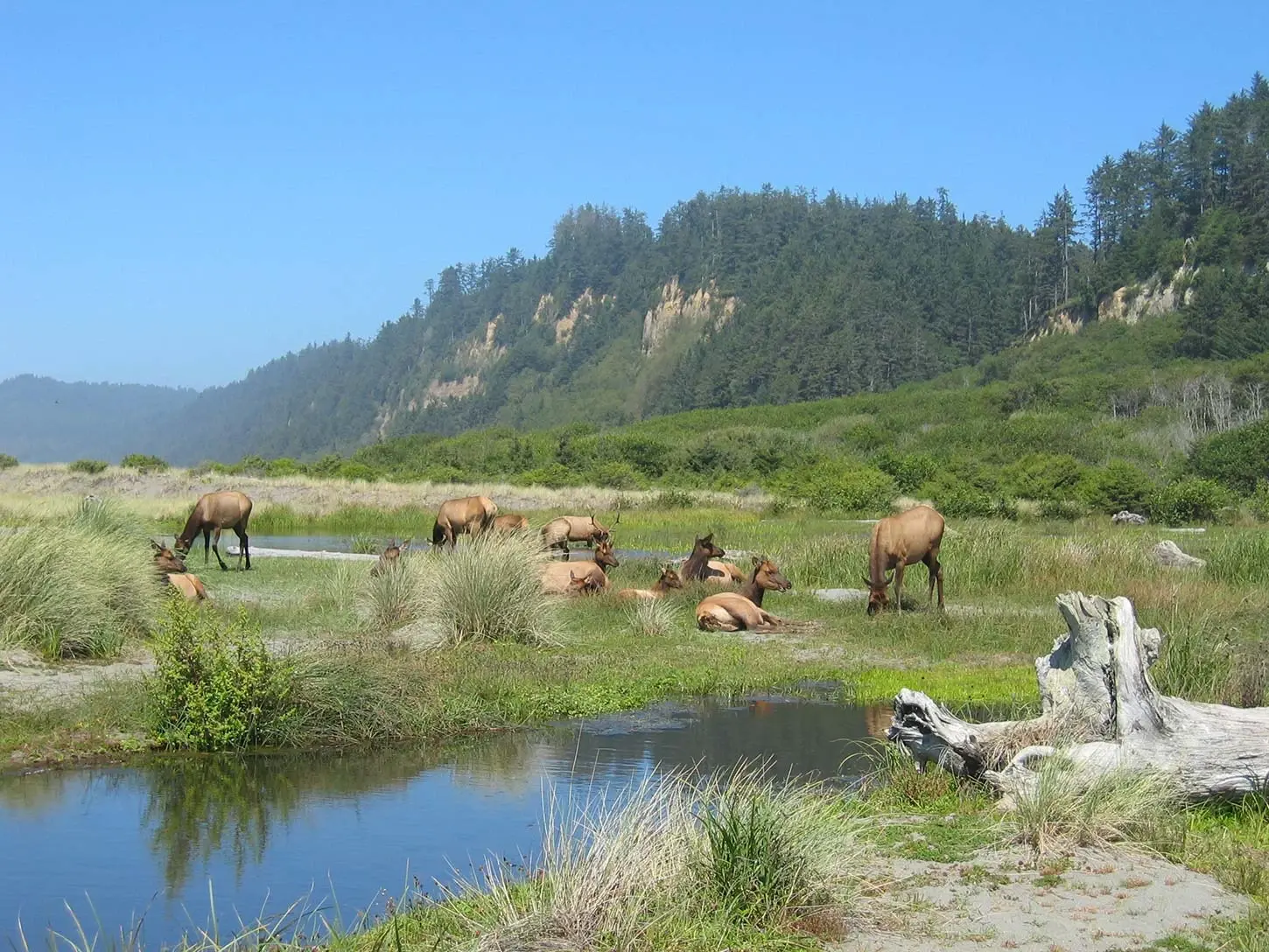
Olmstead Place State Park supports diverse wildlife characteristic of its ecosystem. The area provides habitat for mammals including deer, small predators, and various rodents. Bird populations include resident and migratory species adapted to local conditions. The park's habitats support complex food webs with invertebrates forming the base of terrestrial ecosystems. Seasonal wildlife activity varies with weather and food availability. The park includes wagon and farm equipment displays. Historic interpretation programs showcase pioneer agricultural practices.
Flora Ecosystems
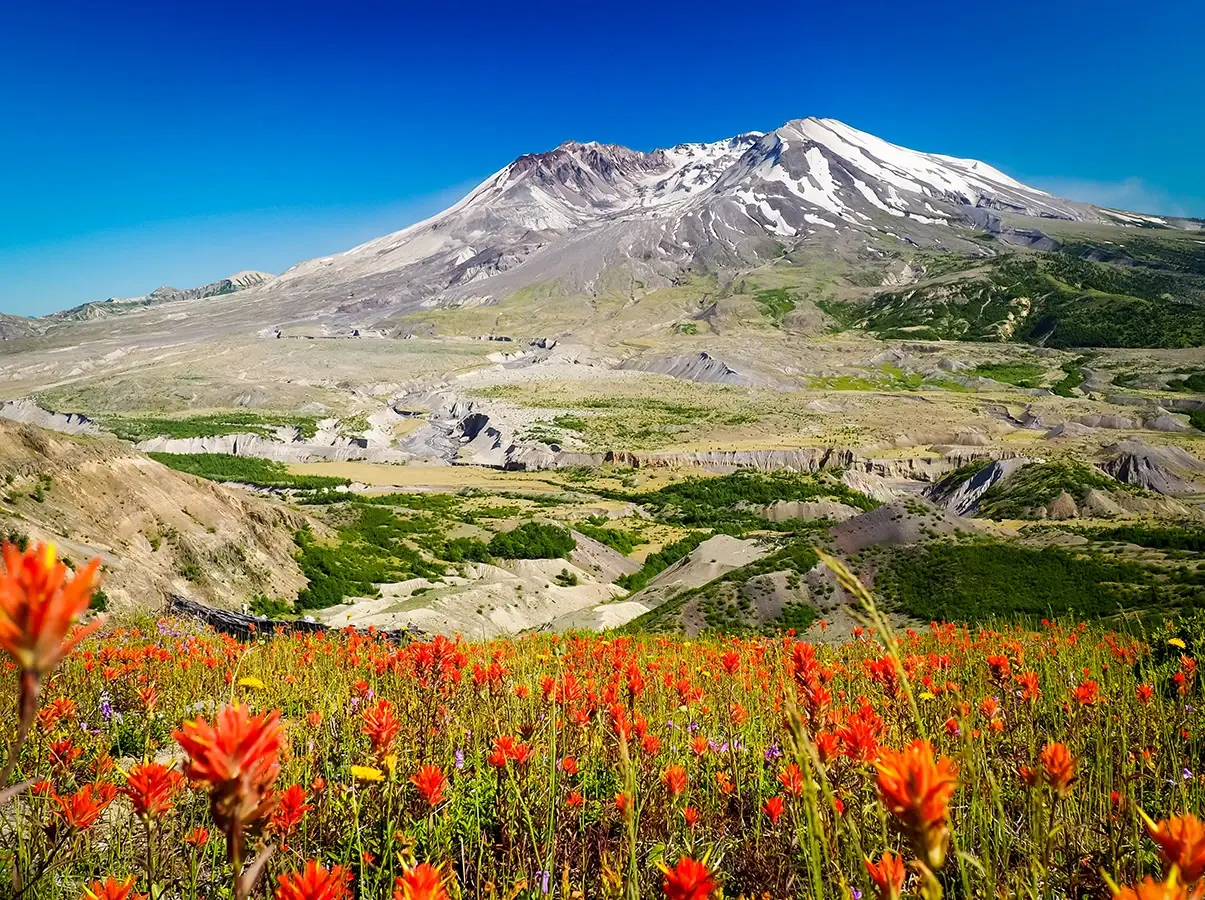
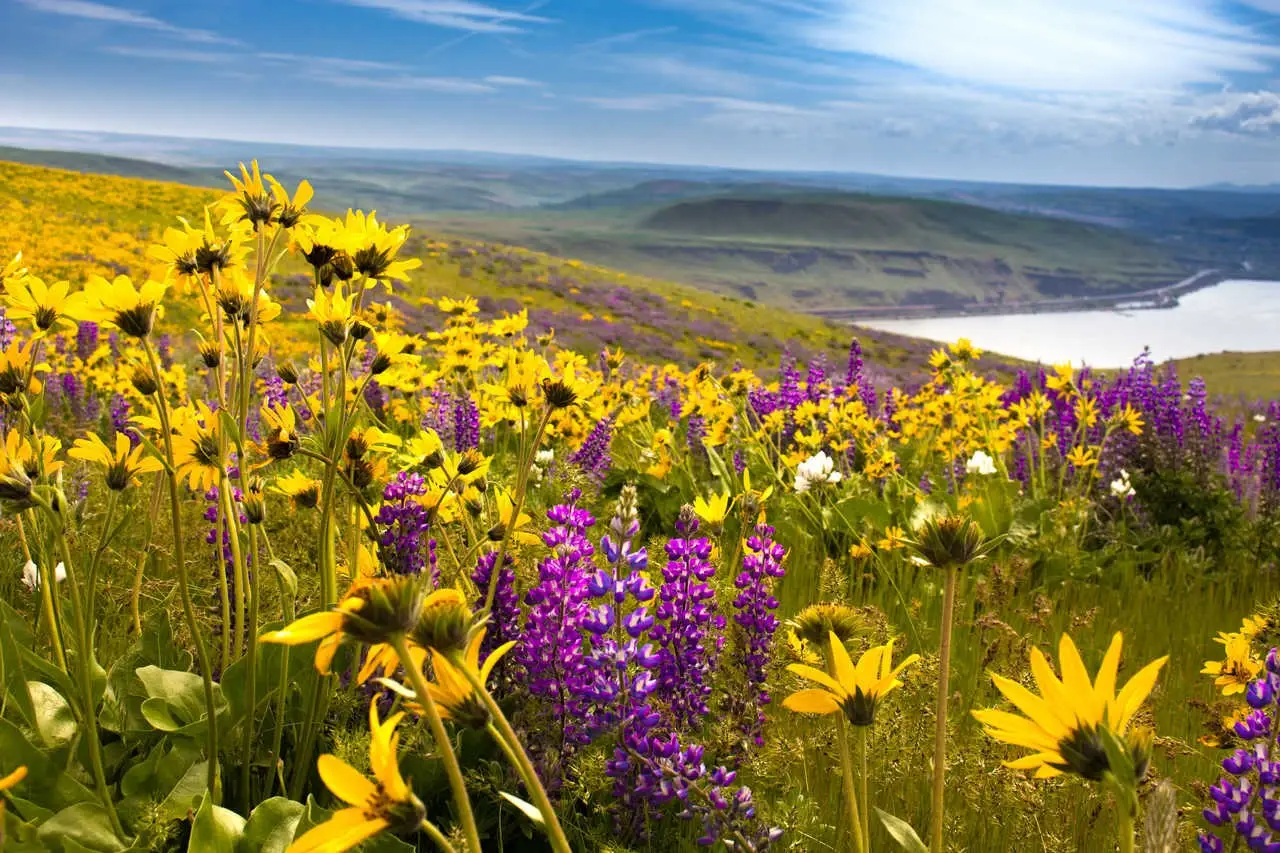
The vegetation at Olmstead Place State Park reflects Pacific Northwest plant communities adapted to local climate and soil conditions. Forest areas feature coniferous and deciduous trees creating layered canopy structure. Understory plants include ferns, shrubs, and wildflowers that bloom seasonally. Plant communities vary with elevation, aspect, and moisture availability. The flora provides ecosystem services including carbon storage, soil stabilization, and wildlife habitat.
Geology
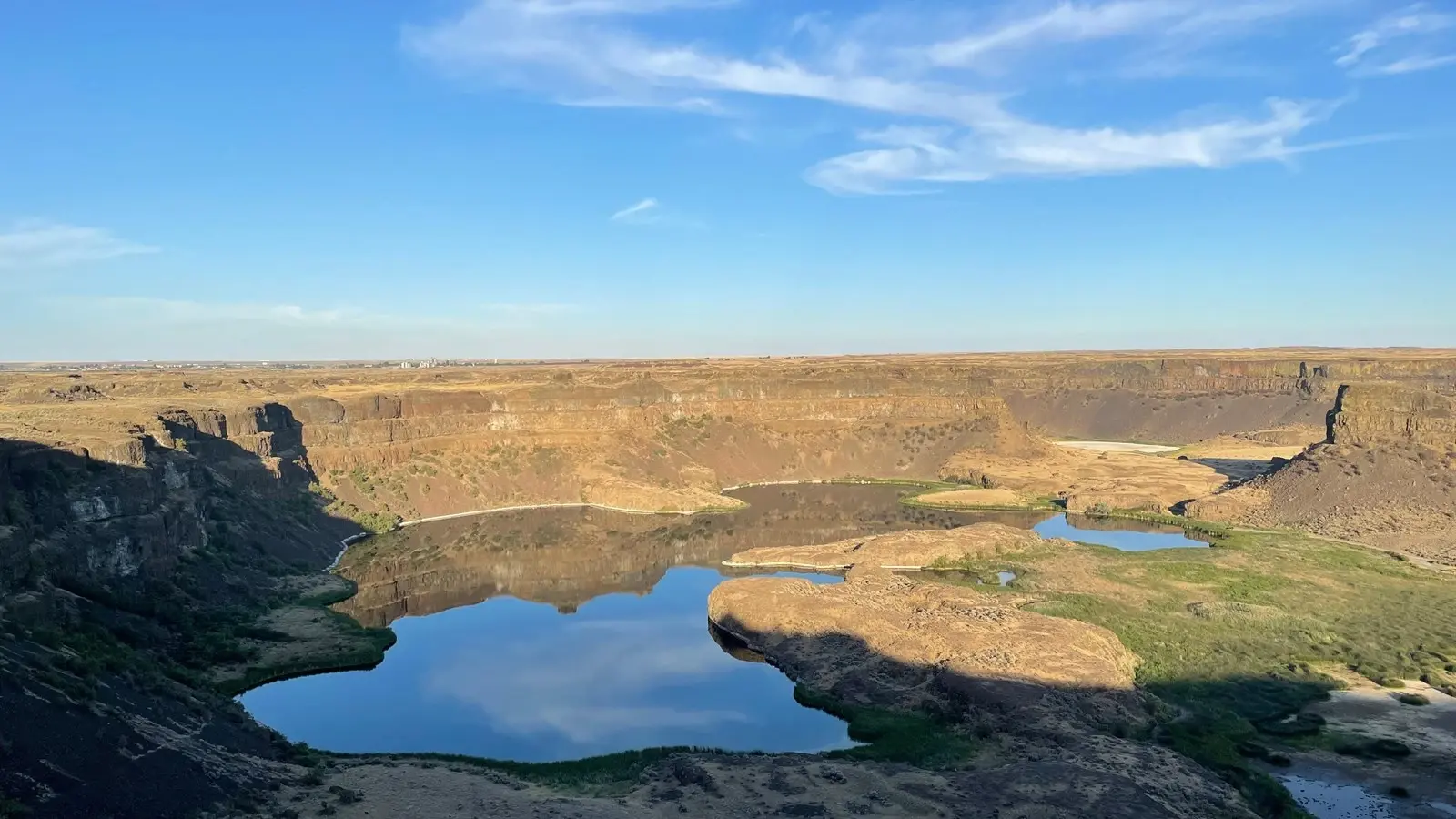
The geology of Olmstead Place State Park reflects processes that shaped the Pacific Northwest landscape. The area shows evidence of glaciation, tectonic activity, or volcanic influences depending on location. Bedrock and surficial deposits create the foundation for current ecosystems. Soils developed on these parent materials support vegetation communities. Ongoing geological processes continue shaping the landscape through erosion, weathering, and periodic seismic activity characteristic of the Cascadia region.
Climate and Weather
Olmstead Place State Park experiences Pacific Northwest maritime or continental climate depending on its location relative to mountain ranges and the ocean. Precipitation patterns show wet winters and drier summers typical of the region. Temperature ranges reflect elevation and proximity to moderating influences like water bodies. Seasonal weather variations affect wildlife activity, plant phenology, and visitor use patterns. The climate supports characteristic Pacific Northwest ecosystems.
Human History
The area encompassing Olmstead Place State Park has connections to indigenous peoples who utilized the land for thousands of years. European American settlement brought changes including resource extraction, agriculture, or development. Recognition of the area's natural or cultural values led to its protection and establishment as a park. The history reflects broader patterns of land use and conservation in Washington State.
Park History
Olmstead Place State Park was established as part of Washington's state or federal park system to preserve natural or cultural resources and provide public recreation. Development included facilities appropriate to the park's character and purposes. Over time, management has evolved to balance visitor use with resource protection. The park continues serving its conservation and recreation missions.
Major Trails and Attractions
Olmstead Place State Park offers recreational opportunities suited to its landscape and character. Visitors can explore trails, viewpoints, or special features that showcase the park's unique attributes. Activities vary seasonally and may include hiking, wildlife viewing, water-based recreation, or cultural site interpretation. The park provides experiences ranging from casual visits to extended recreation.
Visitor Facilities and Travel
Olmstead Place State Park provides facilities appropriate to its size and management objectives. Access information, operating seasons, and available amenities vary by park. Visitors should check current conditions and regulations before visiting. The park may offer camping, day-use areas, or specialized facilities. Location and access routes determine typical visit patterns and user groups.
Conservation and Sustainability
Management of Olmstead Place State Park focuses on protecting natural and cultural resources while providing appropriate public use. Conservation challenges may include invasive species, climate change impacts, visitor impacts, or habitat protection. Monitoring programs track resource conditions. Educational efforts inform visitors about ecosystems and sustainable practices. The park contributes to regional conservation goals and biodiversity protection.
Photos
3 photos