Natchez
United States, Mississippi
About Natchez
Natchez State Park is an 3,500-acre recreation area in Adams County, located just a few miles from the historic city of Natchez along the banks of St. Catherine Creek. The park combines excellent outdoor recreation with convenient access to one of the South's most historically significant cities, offering visitors the opportunity to explore nature by day and antebellum mansions by evening. Developed by the Civilian Conservation Corps in the 1930s, the park features a scenic lake, extensive trail system, and rustic facilities in the rolling loess hills of southwestern Mississippi.
Wildlife Ecosystems
Natchez State Park supports diverse wildlife in its varied habitats from lake to forest to creek bottomlands. White-tailed deer, wild turkeys, and feral hogs are abundant. The lake harbors largemouth bass, bream, crappie, and catfish. Great blue herons, wood ducks, and belted kingfishers frequent the waterways. The park's position along the migration corridor of the lower Mississippi Valley brings numerous songbird species during spring and fall. Raccoons, opossums, and armadillos are commonly observed.
Flora Ecosystems
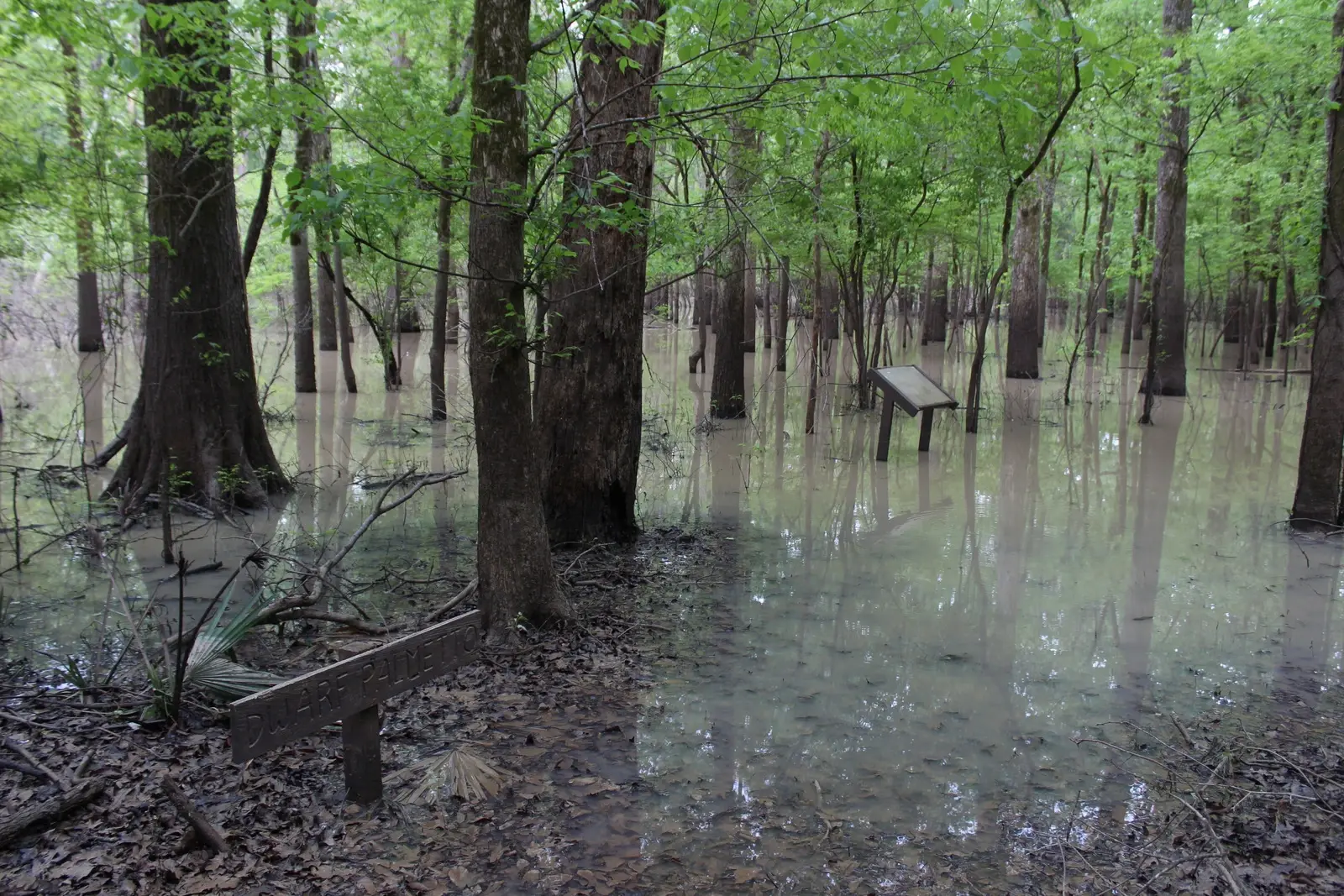
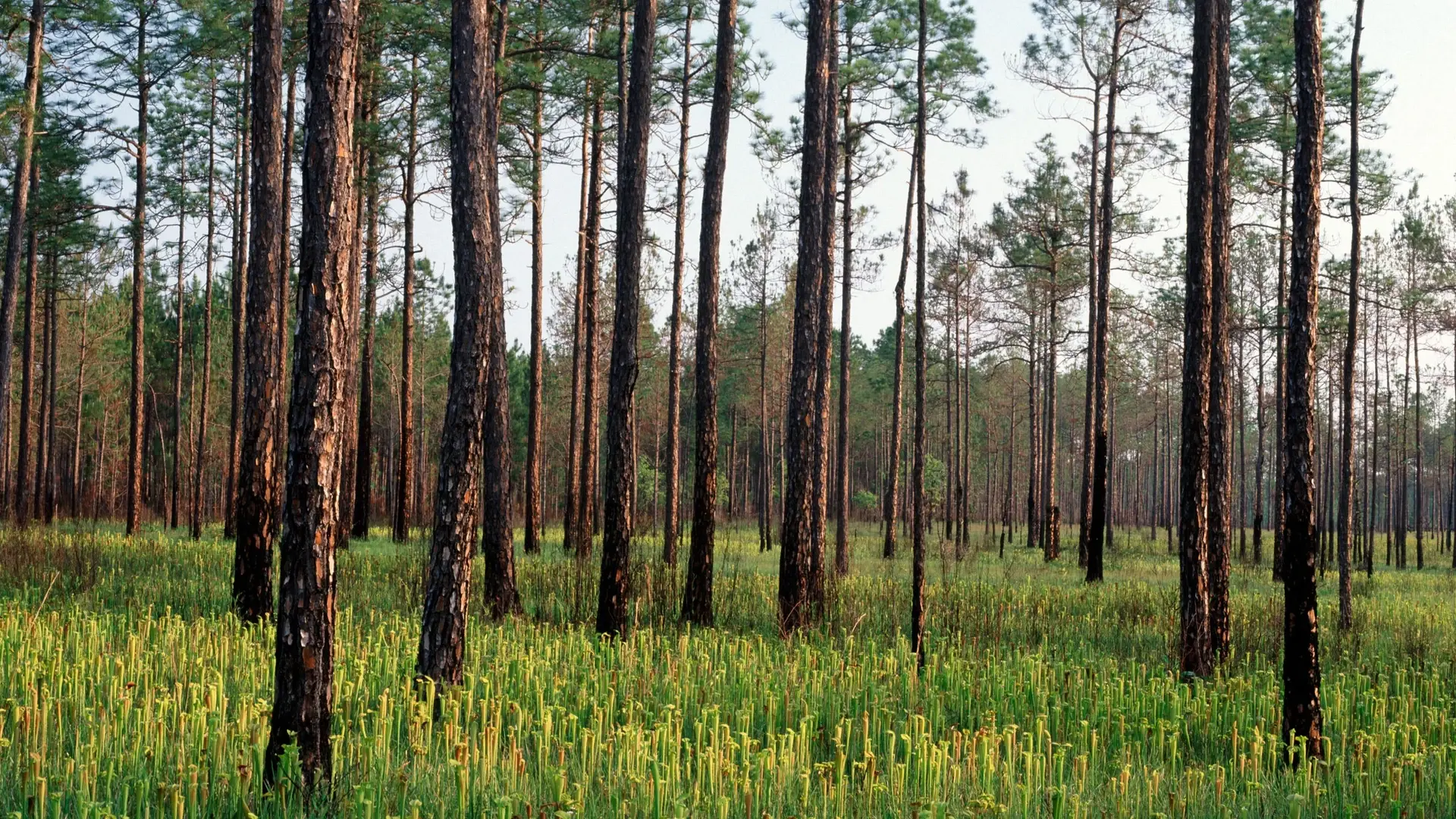
The park showcases the distinctive vegetation of Mississippi's loess bluff region. Mixed pine-hardwood forests cover the rolling terrain, with loblolly pines on the ridges and oaks, hickories, and beech on slopes and in ravines. The deep ravines carved into the loess support unusually rich plant communities with Appalachian affinities. Flowering dogwoods, redbuds, and native azaleas provide spring color. American holly and southern magnolia add evergreen interest. The varied topography creates numerous microhabitats supporting botanical diversity.
Geology
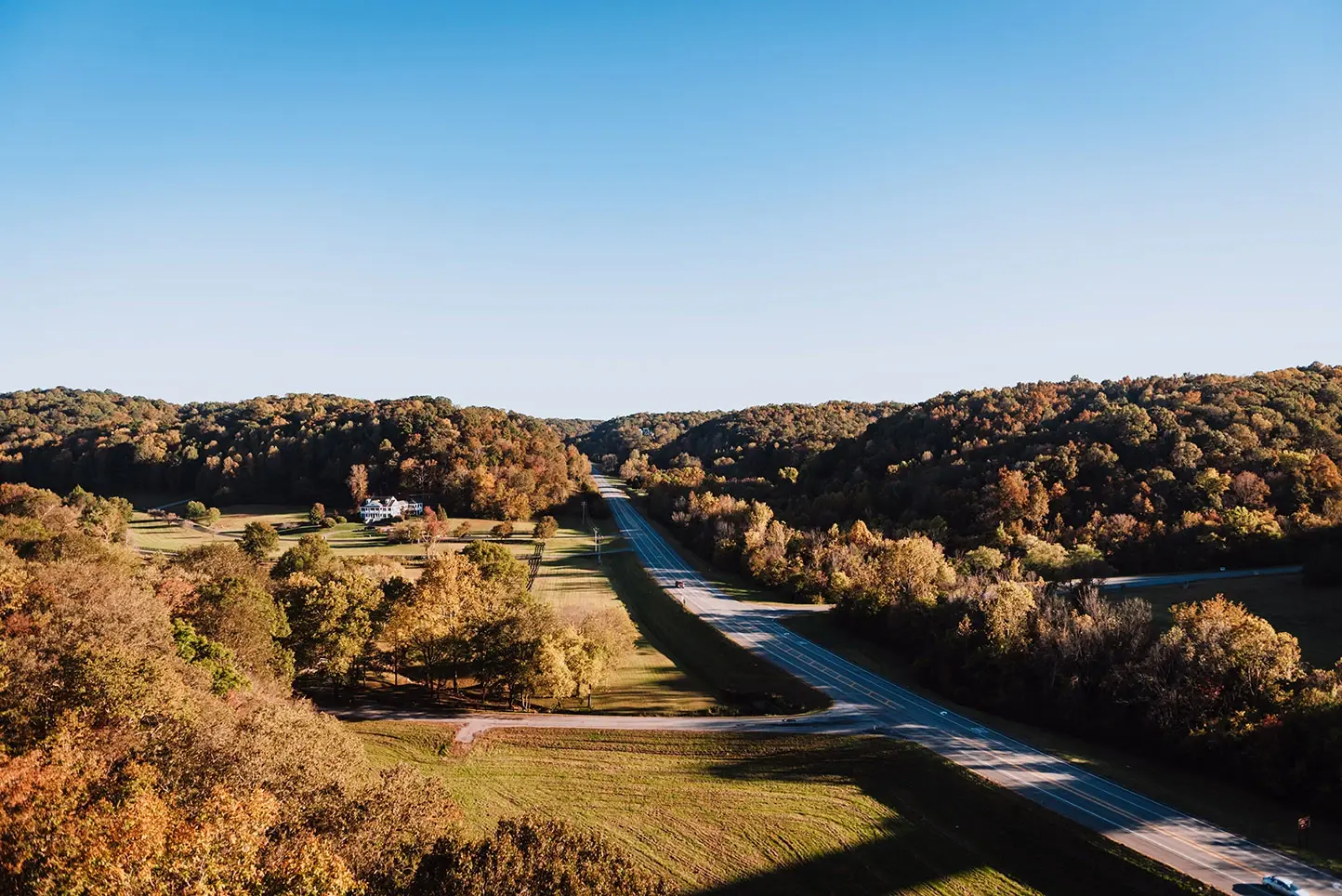
Natchez State Park occupies the loess bluff region overlooking the Mississippi River floodplain. The loess deposits, wind-blown silt accumulated during ice age periods, reach impressive thicknesses here, creating the deep ravines characteristic of the area as water erodes through the soft material. The gently rolling terrain contrasts dramatically with the flat Delta to the north. St. Catherine Creek has carved a significant valley through the bluffs. The fertile loess soils support productive forests and have historically attracted agricultural settlement.
Climate and Weather
The park experiences a humid subtropical climate with hot, humid summers and mild winters. Summer temperatures typically reach the low to mid-90s°F with high humidity. Winters are mild with average highs in the 50s to low 60s. Annual precipitation averages approximately 58 inches, supporting lush vegetation. The deep ravines create cooler, moister microclimates. Spring and fall offer comfortable conditions for camping and hiking while allowing exploration of historic Natchez.
Human History
The Natchez area has one of the longest histories of human habitation in North America, with the Grand Village of the Natchez Indians preserving the ceremonial mound center of the indigenous Natchez people. French colonization began in 1716, and Natchez became one of the wealthiest antebellum cities in the South, with cotton fortunes building the grand mansions that survive today. The area's history encompasses Native American culture, colonial struggles, the slavery-based cotton economy, and Civil War drama.
Park History
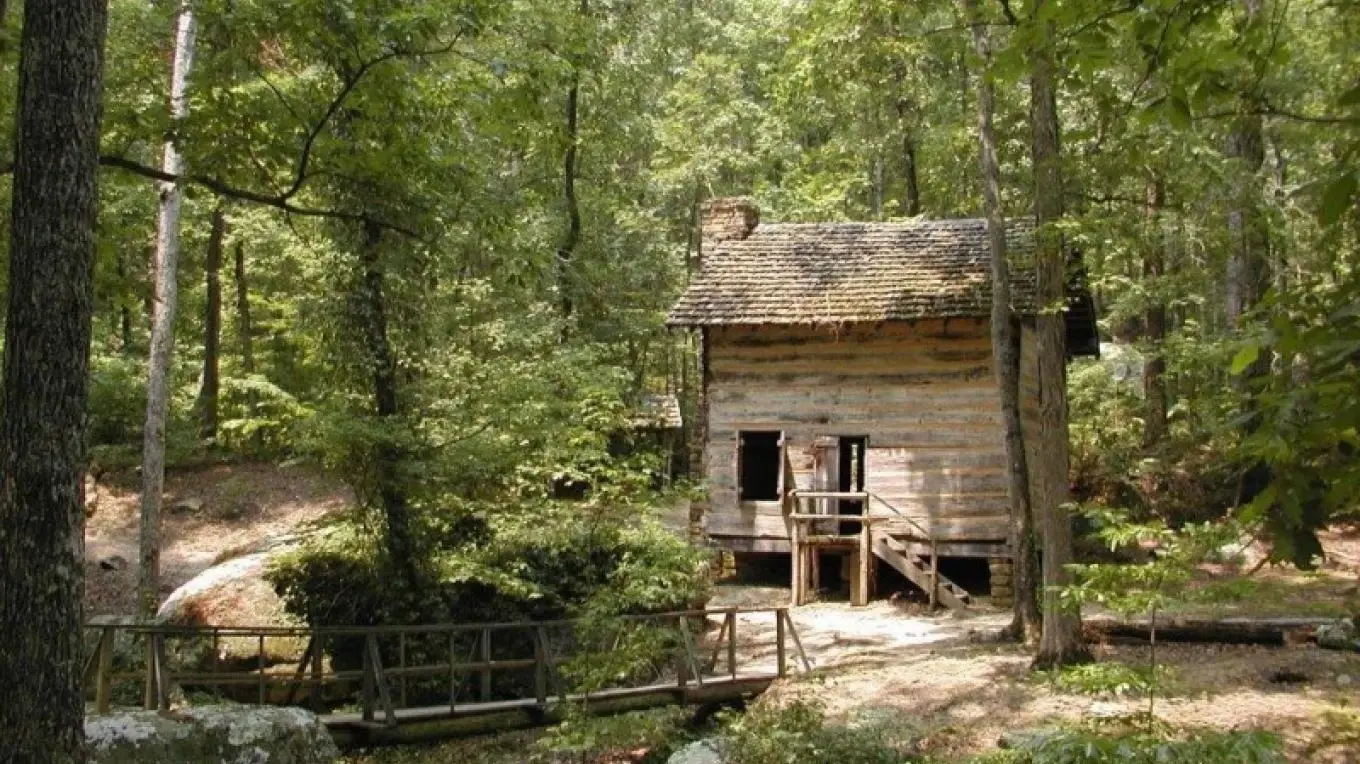
Natchez State Park was developed in the 1930s by the Civilian Conservation Corps, which constructed the lake, built rustic stone and timber structures, and established the trail system. The park was designed to complement Natchez's growing heritage tourism economy by providing outdoor recreation opportunities. The CCC buildings remain in use, preserved as examples of Depression-era craftsmanship. The park has been continuously improved while maintaining its rustic character and historic features.
Major Trails and Attractions
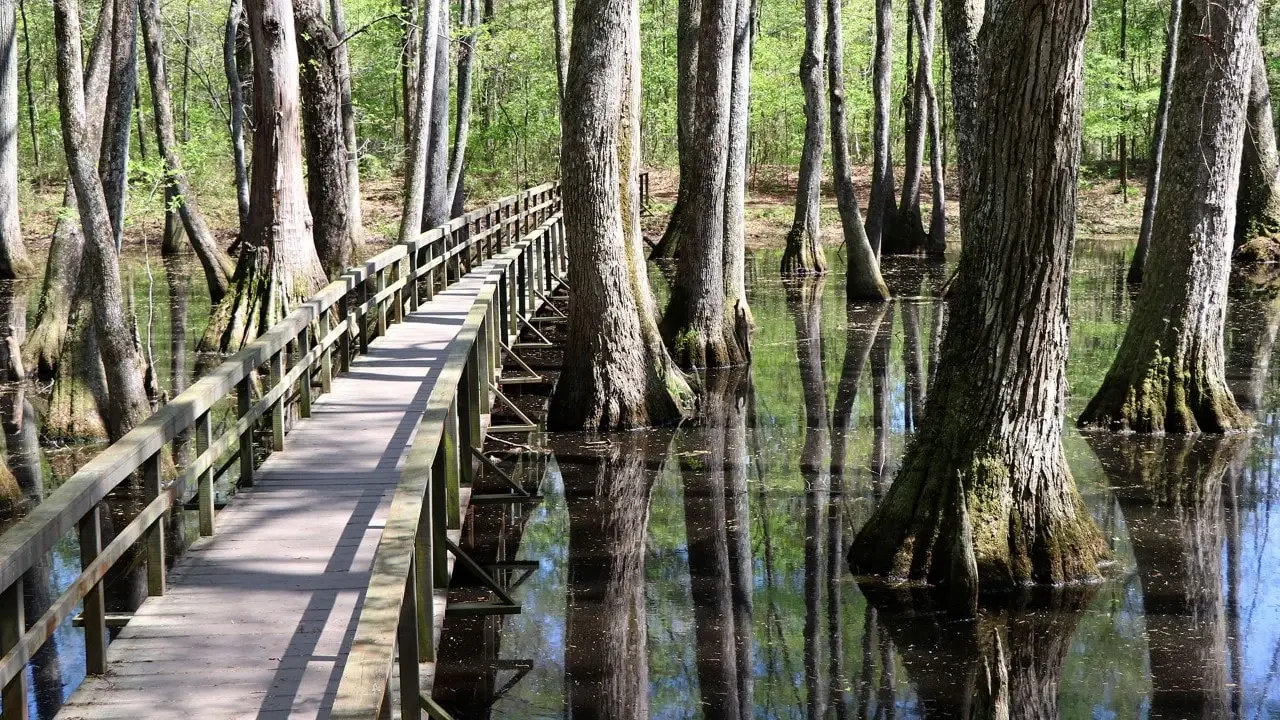
The park offers approximately 12 miles of trails including a portion of the Natchez Trace National Scenic Trail connecting to the nearby Natchez Trace Parkway. The lake provides fishing, swimming, and paddle boating. Disc golf and regular golf offer additional activities. The park serves as an excellent base for exploring historic Natchez, with its more than 500 antebellum structures, pilgrimage home tours, and Southern hospitality. Wildlife observation and photography are excellent year-round.
Visitor Facilities and Travel
Natchez State Park is located approximately 10 miles north of Natchez, Mississippi, accessible via Highway 61 and Liberty Road. The park offers 10 cabins with modern amenities and 50 camping sites with water and electrical hookups. Day-use facilities include a swimming lake, fishing, disc golf, nature trails, and picnic areas. Historic Natchez offers extensive lodging, dining, and attractions within minutes of the park. The park's combination of outdoor recreation and proximity to historical attractions makes it uniquely appealing.
Conservation and Sustainability
The park protects significant examples of loess bluff habitat, an ecosystem increasingly rare as development claims similar lands. Trail maintenance prevents erosion on the sensitive loess slopes. The park preserves CCC-era structures representing Depression-era conservation history. Coordination with the Natchez Trace Parkway enhances regional trail connectivity. Environmental education programs connect the area's natural and cultural heritage. The park demonstrates how conservation and heritage tourism can support both ecological and economic sustainability.
Photos
No photos available yet