Lincolnshire Coronation Coast
United Kingdom, England
About Lincolnshire Coronation Coast
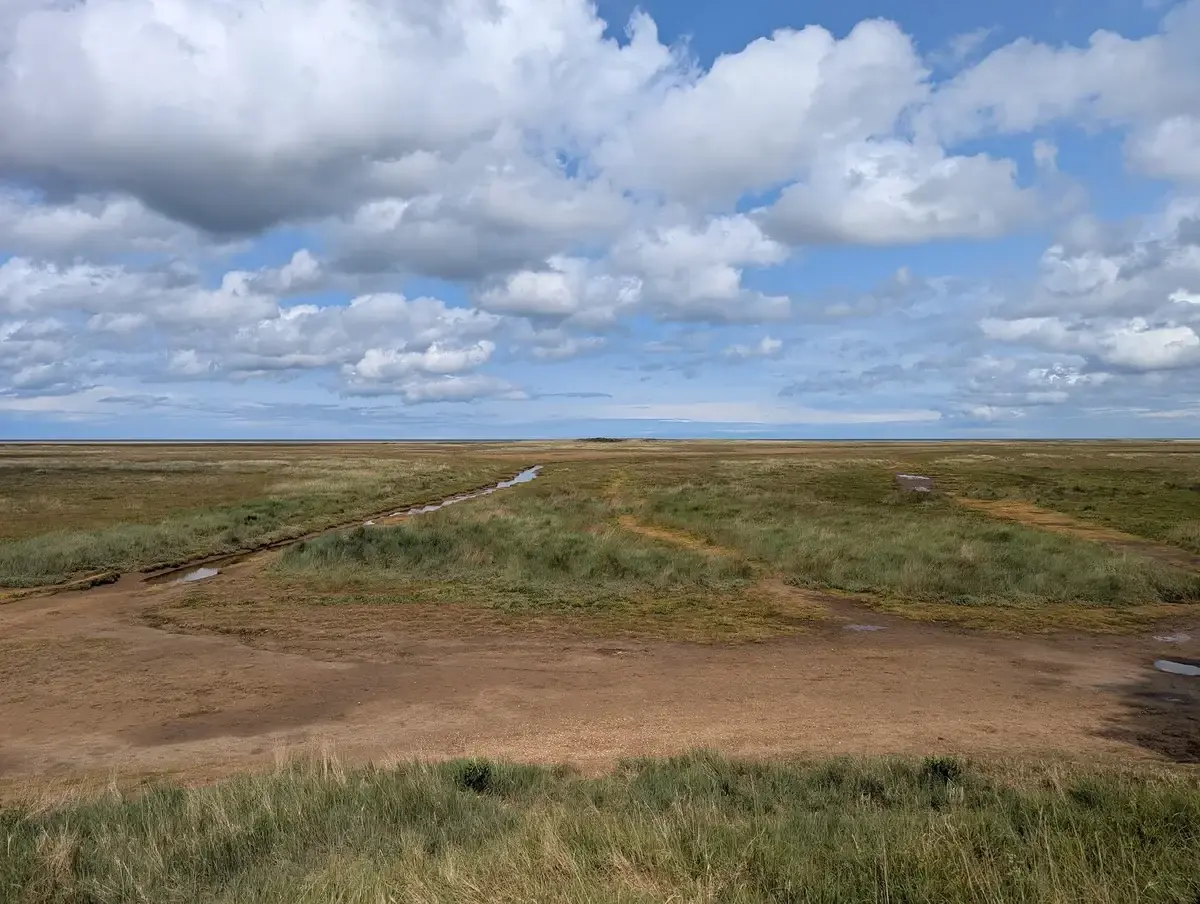
Saltfleetby-Theddlethorpe Dunes National Nature Reserve stretches along approximately 5 kilometers of the Lincolnshire coast between Saltfleetby and Theddlethorpe, protecting a dynamic sand dune system backed by freshwater marsh, scrub, and remnant dune grassland.[1] The reserve covers around 556 hectares of diverse coastal habitats that have developed on a shoreline advancing seaward since at least the 17th century. This accreting coast stands in contrast to much of the English east coast that is eroding, providing opportunities for natural habitat development and succession that are increasingly rare in Britain.
Wildlife Ecosystems
The freshwater marshes behind the dunes attract breeding avocets, bitterns, and marsh harriers, with bearded tits established in the extensive reedbeds.[2] Winter brings large numbers of wildfowl including teal, wigeon, and Brent geese to the marsh and foreshore areas. Natterjack toads breed in shallow dune pools, their loud nocturnal calls audible from some distance during the spring breeding season. The dune grassland supports populations of adders and common lizards basking on the warm sandy slopes, while short-eared owls quarter the marshes in winter.
Flora Ecosystems
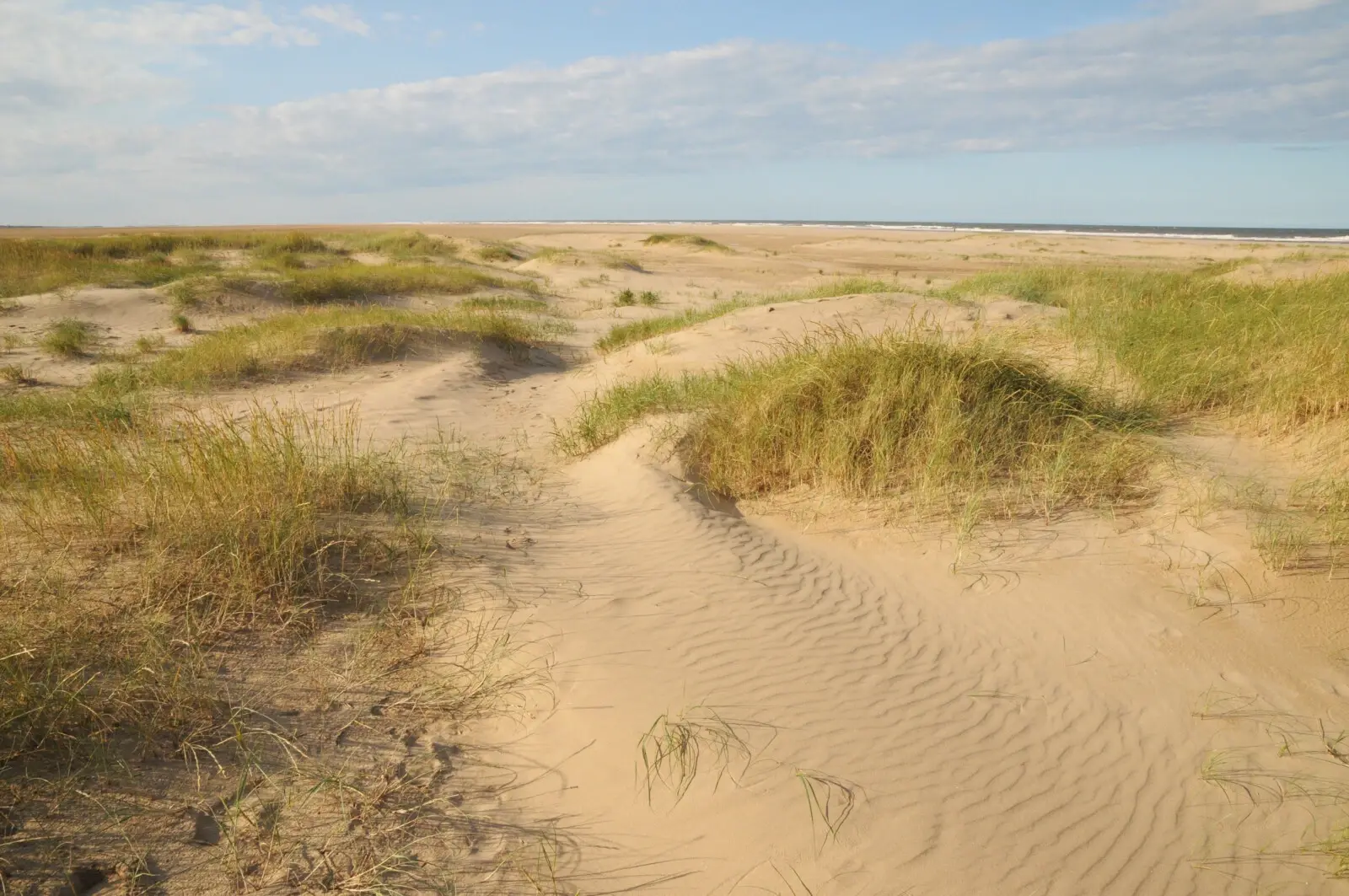
The frontal dunes support marram grass and sea buckthorn, with the latter forming dense thickets that provide berry-rich habitat for migrant thrushes in autumn.[3] Dune slacks between ridges contain marsh orchids, marsh helleborine, and yellow-wort in calcareous wet conditions. The older fixed dunes support species-rich grassland with wild thyme, fairy flax, and autumn gentian. Behind the dunes, freshwater marsh with common reed, sedges, and alder carr creates a complete transition from maritime to terrestrial habitats.
Geology
The Lincolnshire coast at this point is actively accreting, with sand delivered by longshore drift from the north building successive dune ridges parallel to the shoreline.[1] The dune system has advanced approximately 500 meters seaward since the 17th century, with new dune ridges forming every 30 to 50 years as sand accumulates. The underlying geology consists of thick glacial till deposits over Cretaceous chalk, with groundwater emerging through the drift creating the freshwater marshes behind the dunes. The calcareous shell content of the sand produces alkaline soil conditions that support a richer dune flora than pure silica sand would allow.
Climate and Weather
The Lincolnshire coast has a relatively dry, continental-influenced climate with annual rainfall of approximately 600mm, one of the lowest levels in Britain.[1] Temperatures average 4 degrees Celsius in winter and 16 degrees Celsius in summer, with cold easterly winds in winter and spring creating wind chill on the exposed coast. North Sea storms can generate large waves that erode the frontal dune face, though the overall sediment budget remains positive with long-term accretion continuing. Sea fog is common in spring and early summer when warm air passes over the cold North Sea.
Human History
The Lincolnshire coast has been progressively advancing seaward for centuries, with medieval settlements now located well inland from the current shoreline.[1] The area was historically used for grazing cattle on the dune pastures and for wildfowling along the foreshore. The Theddlethorpe Gas Terminal, built in 1972 to receive gas from the Viking gas field, operated on part of the reserve site for over 45 years before closing in 2018. Bombing ranges during World War II used the flat coastal terrain for practice, with occasional ordnance still found and requiring specialist disposal.
Park History
Saltfleetby-Theddlethorpe Dunes was designated as a National Nature Reserve in 1966, recognising the dynamic coastal processes and diverse wildlife of this unusual accreting coast.[2] Natural England manages the reserve, with recent management focusing on maintaining the mosaic of habitats from dynamic frontal dunes through to freshwater marsh. The Theddlethorpe Gas Terminal, which operated on part of the site from 1972, ceased gas production in 2018 and its infrastructure was demolished from 2020, with the area being restored to wildlife habitat.[4] The reserve has become increasingly important for bittern conservation, with the reedbeds providing breeding habitat for this rare and secretive heron.
Major Trails and Attractions
The main trail from the Rimac car park leads through dune grassland and scrub to the beach, with side trails exploring the freshwater marsh and reedbed areas.[2] A bird hide overlooks the marsh pools where bitterns can occasionally be spotted from autumn through spring. The beach walk along the dune frontage provides coastal scenery with the chance of seeing grey seals offshore. Spring brings orchid displays in the dune slacks, while autumn sees spectacular numbers of migrant birds including thrushes feeding on sea buckthorn berries.
Visitor Facilities and Travel
Car parks at Rimac and Seaview provide the main access points, with information boards and trail maps at each entrance. The reserve has no visitor center, though Natural England provides seasonal guided walks and information. The nearest town is Mablethorpe, approximately 5 kilometers south, providing accommodation and services. The reserve is accessed from the A1031 coast road, with bus services along the Lincolnshire coast connecting to Mablethorpe and Louth.
Conservation and Sustainability
Sea buckthorn management is the primary active intervention, with cutting and spraying controlling this aggressive shrub that would otherwise dominate the dune system at the expense of open grassland and slack habitats.[3] Natterjack toad conservation involves creating and maintaining suitable breeding pools and terrestrial habitat within the dune system. Freshwater marsh management maintains appropriate water levels for breeding bitterns and other wetland birds through control of water levels using sluices. The accreting nature of the coast means the reserve is naturally expanding seaward, providing a rare example of habitat creation through natural coastal processes.
Photos
2 photos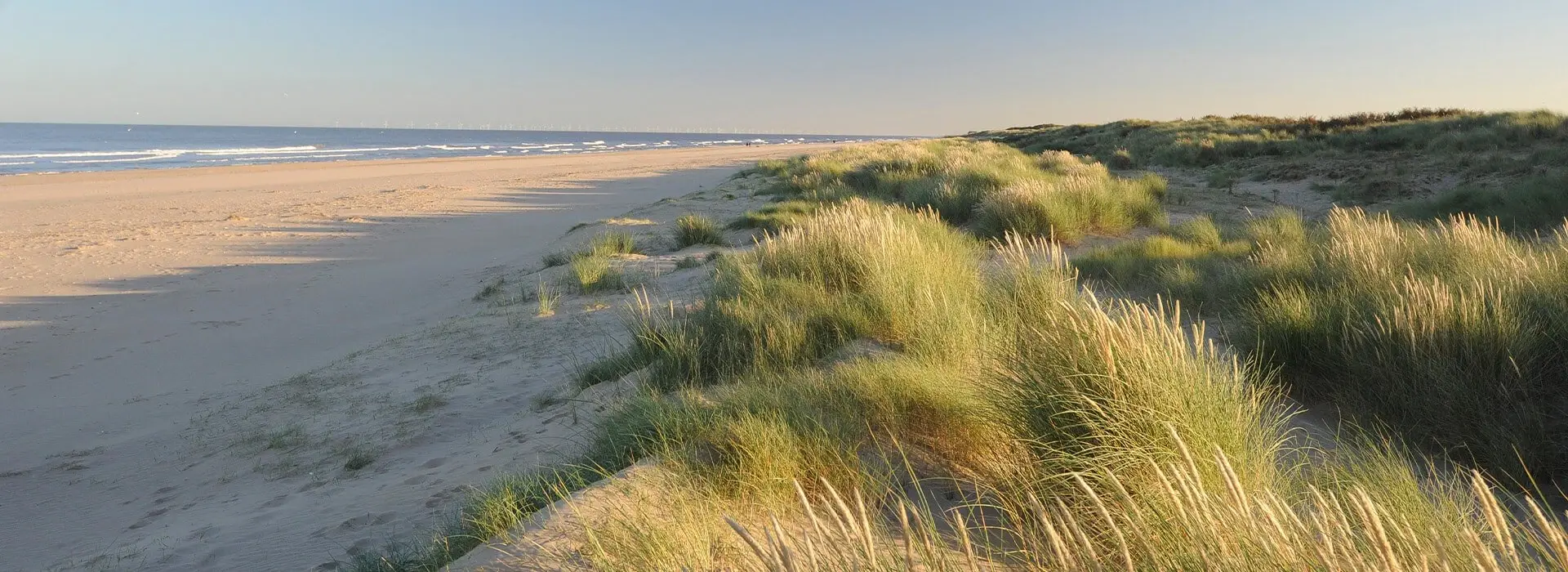
More Parks in England
Top Rated in United Kingdom: National Nature Reserve
Sources
- en.wikipedia.org/wiki/Saltfleetby-Theddlethorpe_Dunes_National_Nature_Reserve (opens in a new tab)
- gov.uk/government/publications/lincolnshires-national-nature-reserves/lincolnsh… (opens in a new tab)
- lincstrust.org.uk/nature-reserves/saltfleetby-theddlethorpe-dunes (opens in a new tab)
- en.wikipedia.org/wiki/Theddlethorpe_Gas_Terminal (opens in a new tab)