Naustdal-Gjengedal
Norway, Vestland
About Naustdal-Gjengedal
Naustdal-Gjengedal is a landscape protection area of about 393 km² in Vestland, Norway. Established in January 2009 across Førde, Gloppen, Jølster and Naustdal, it protects a distinctive, scenic natural environment almost free of heavy technical interventions[1].
Wildlife Ecosystems
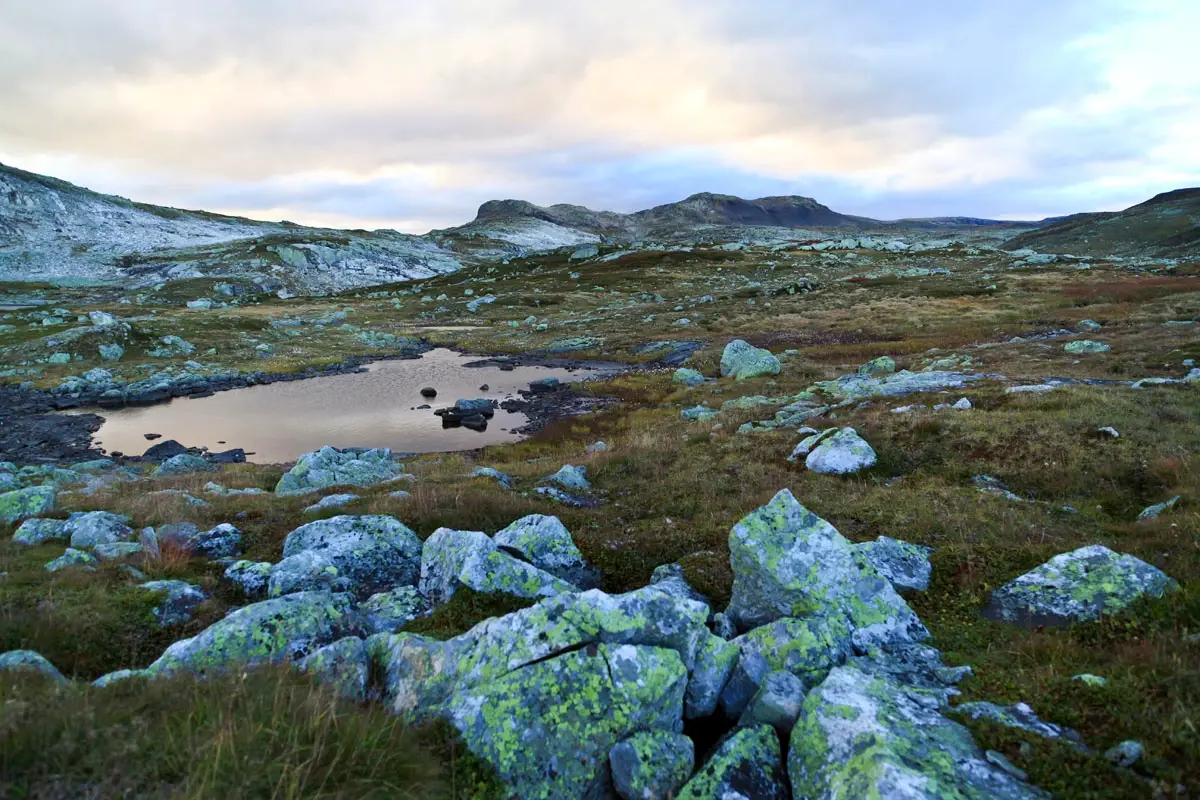
The regulation names no species. It bans introducing new animal species and allows hunting and fishing under national law[1]. The varied terrain, from lowlands to glaciated mountains, covers many lakes and river valleys that form a wide range of habitats.
Flora Ecosystems
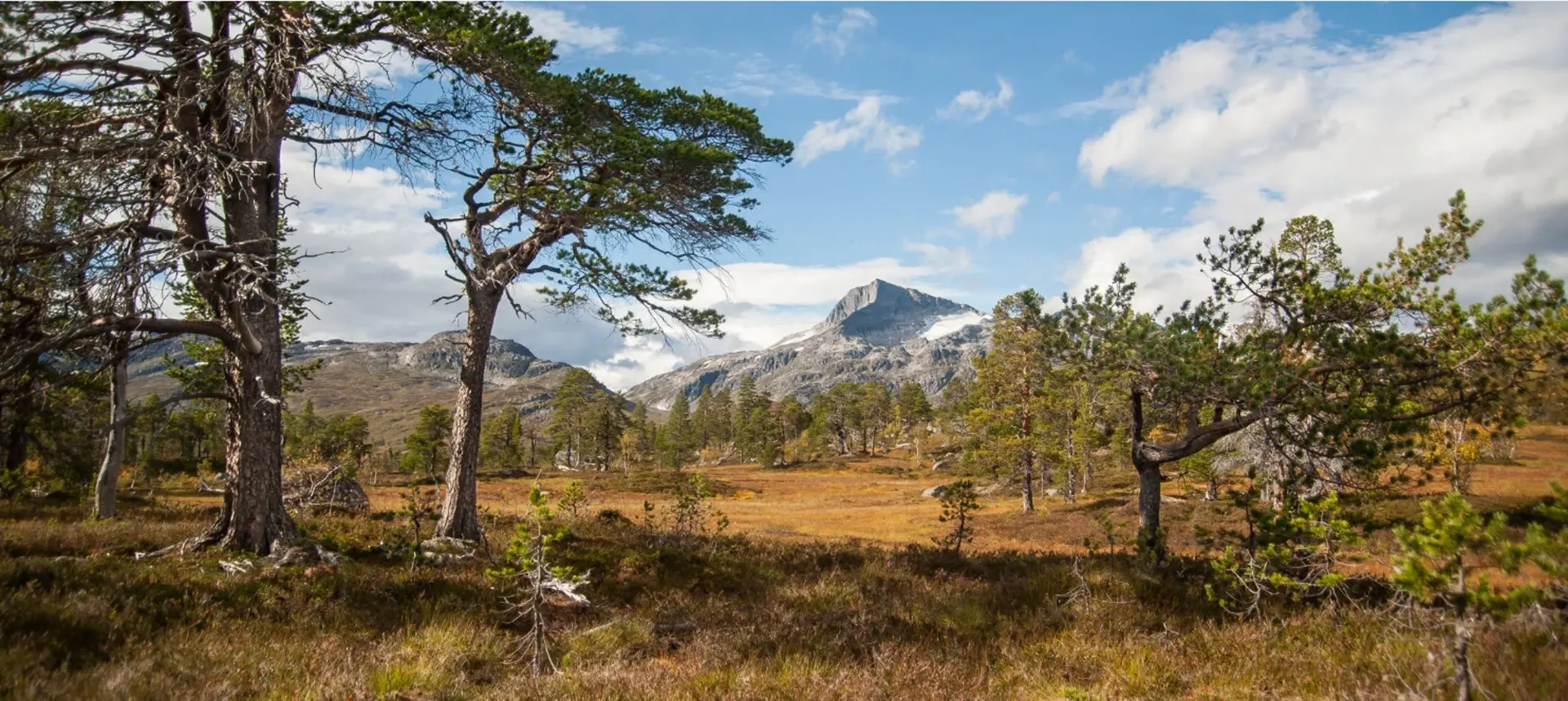
Lowland forest, summer-farm valleys and mountain areas make up the area's plant life. The regulation prohibits felling noble broadleaf or wet forest that shapes the landscape, bans afforestation and tree-species changes, and allows traditional grazing, mowing and firewood cutting[1].
Geology
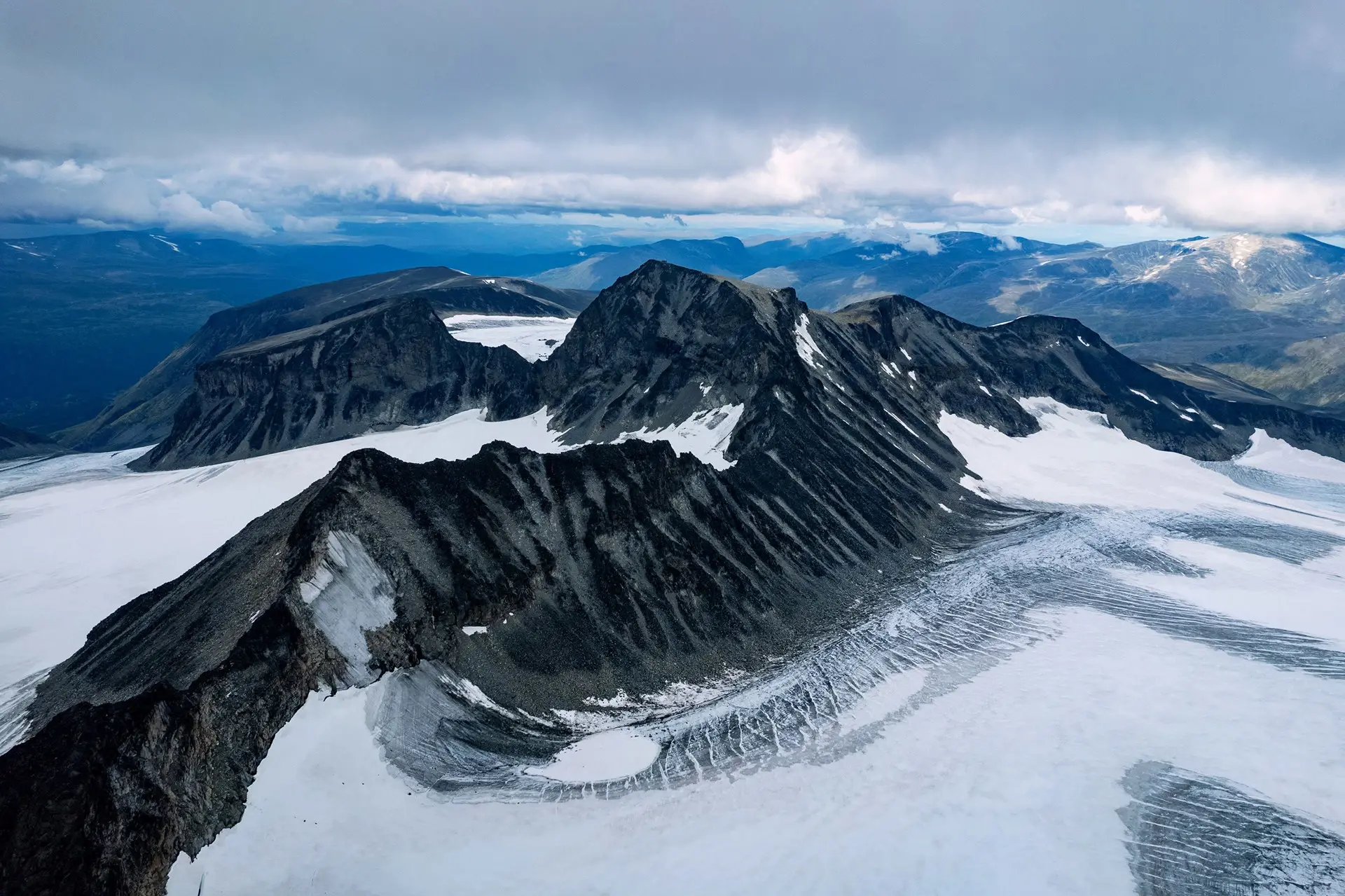
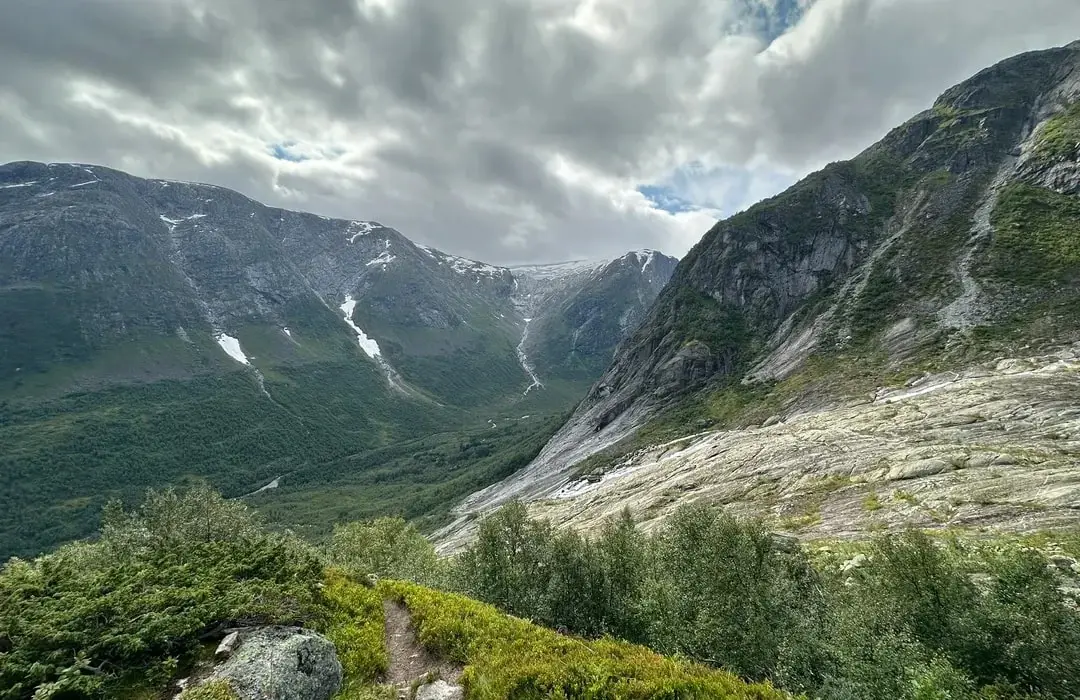
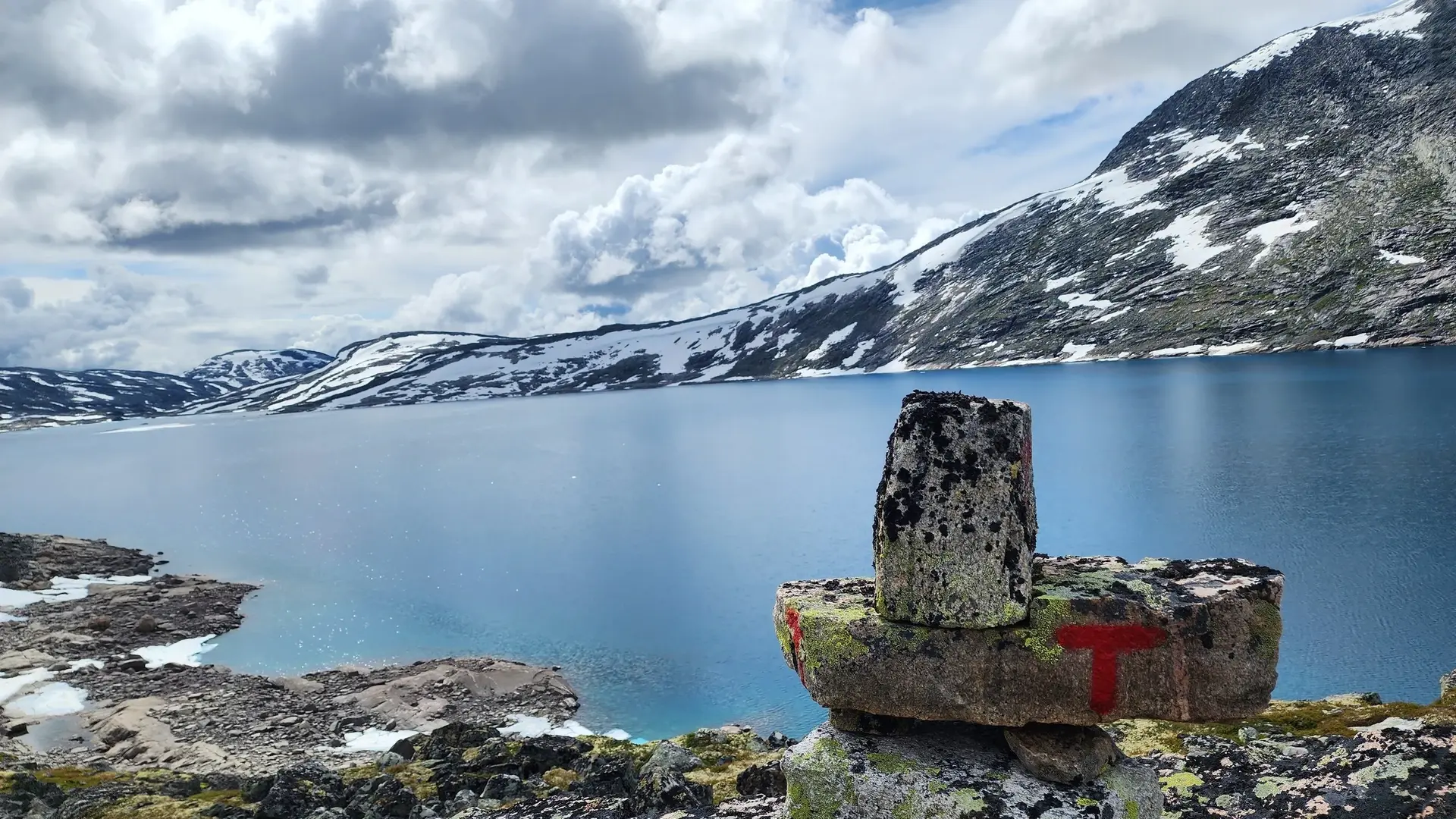
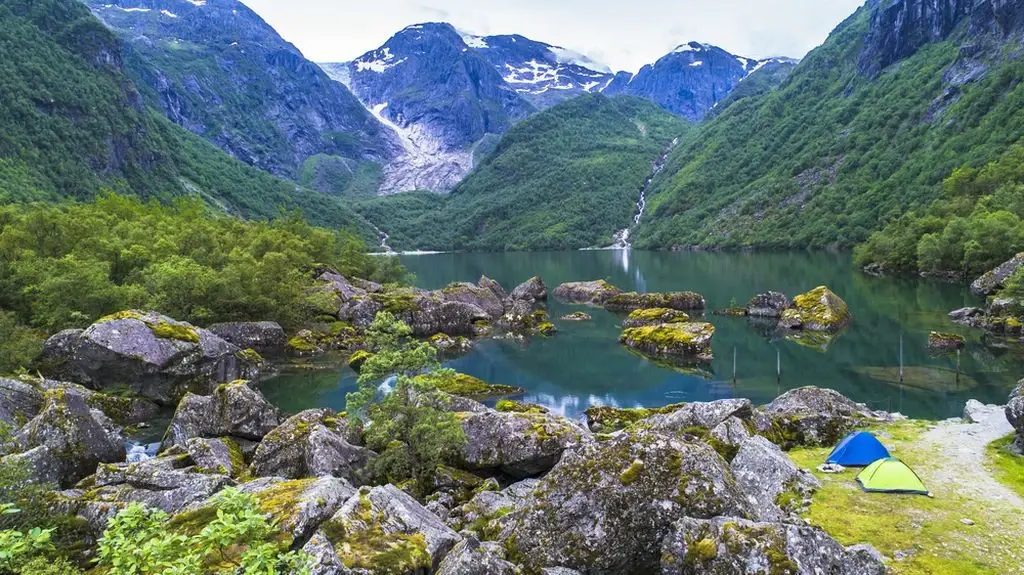
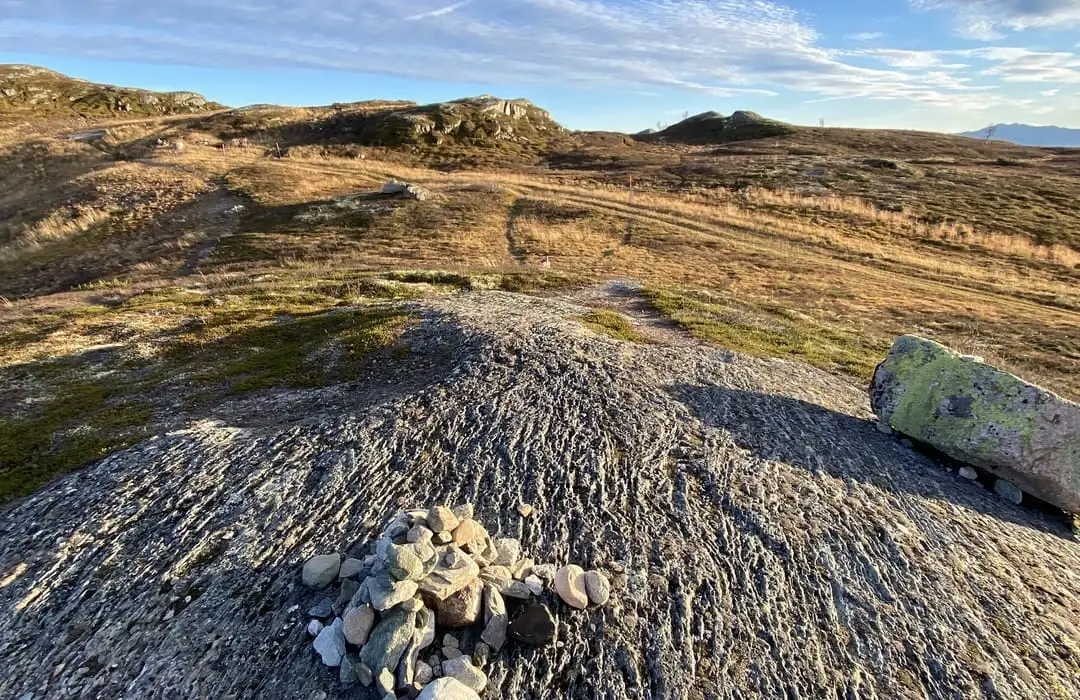
The landscape runs from lowlands and summer-farm valleys to mountain areas with glaciers, with many river valleys and lakes, large and small[1]. Named lakes include Storevatnet, Stegsvatnet and Traudalsvatnet.
Climate and Weather
The area lies inland of Gloppefjorden in western Norway, where the oceanic climate brings heavy precipitation, and the high mountains hold snow through winter and glaciers year-round. Valleys are milder than the plateaus.
Human History
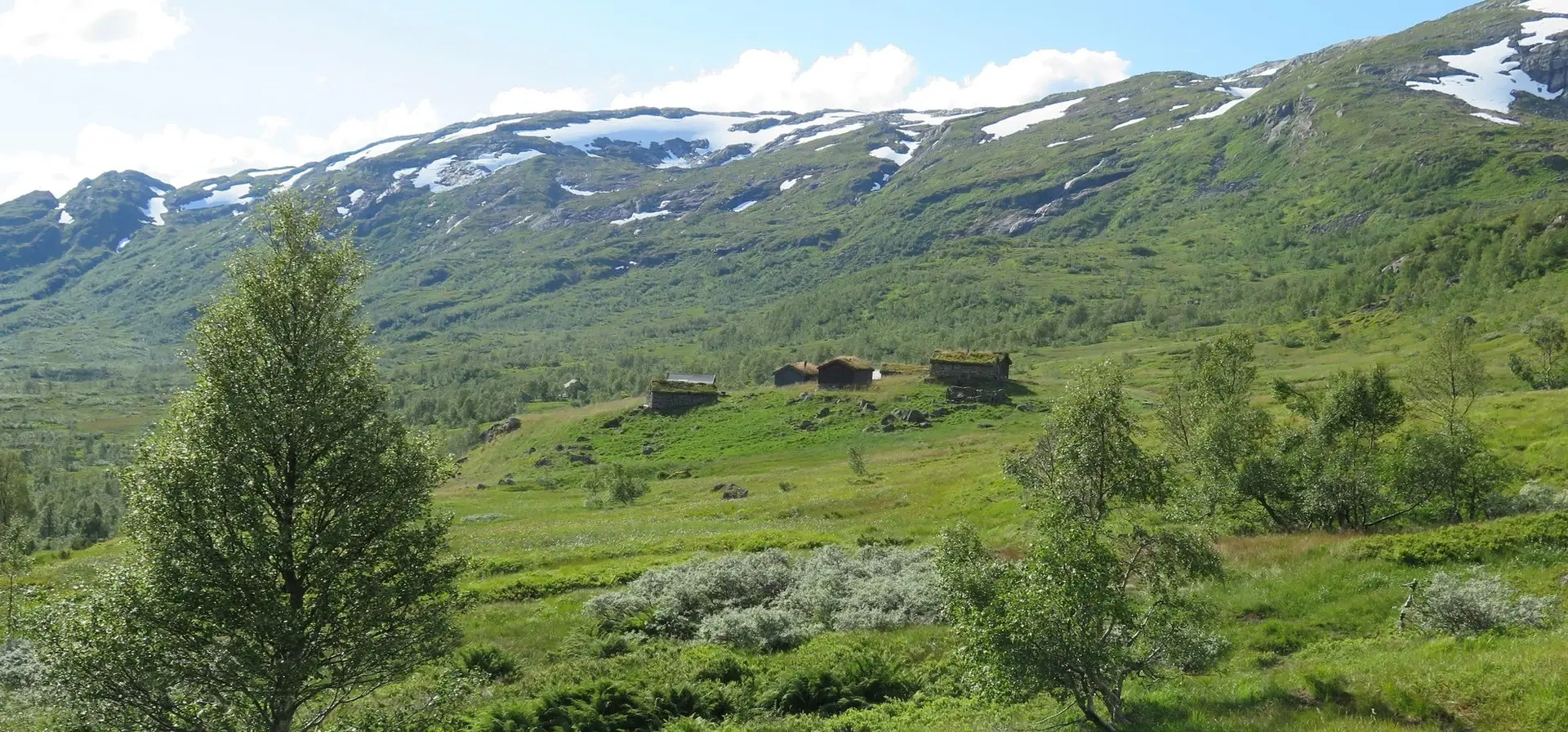
The protected landscape includes a cultural landscape with cultural monuments, and the regulation protects these from damage[1]. Summer-farm valleys (stølsdalar) reflect traditional grazing, which is still allowed.
Park History
The Naustdal-Gjengedal landscape protection area was established in January 2009. It covers about 393.3 km² across four municipalities that were then in Sogn og Fjordane, now Vestland[1]. The Norwegian Environment Agency approves the management plan and designates the management authority.
Major Trails and Attractions
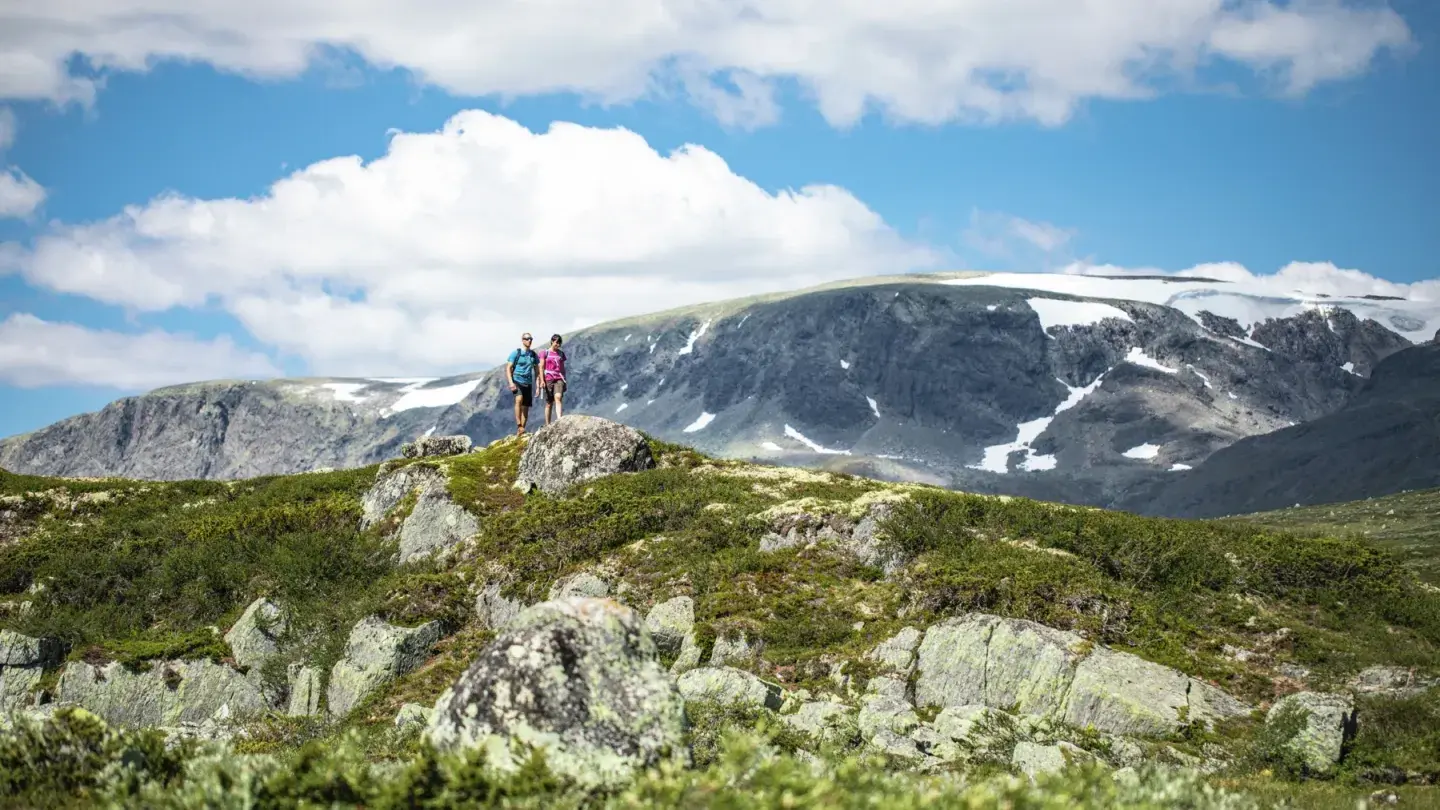
The attractions are the large, little-developed mountain landscape with glaciers, lakes and river valleys. Organized hiking is allowed, and horses are limited to designated routes[1].
Visitor Facilities and Travel
The area is open to traditional outdoor recreation without special technical facilities, which is part of its stated purpose. Motorized travel on land and water is prohibited, including aircraft and helicopter landings, with exceptions for emergency, management and approved farm and forestry uses[1].
Conservation and Sustainability
Construction, road building, quarrying, drainage and clear-cutting are prohibited with limited exceptions. Littering, pollution, harmful chemicals and unnecessary noise are also banned, and the management plan guides use[1].
Photos
No photos available yet