Buer
Norway, Vestland
About Buer
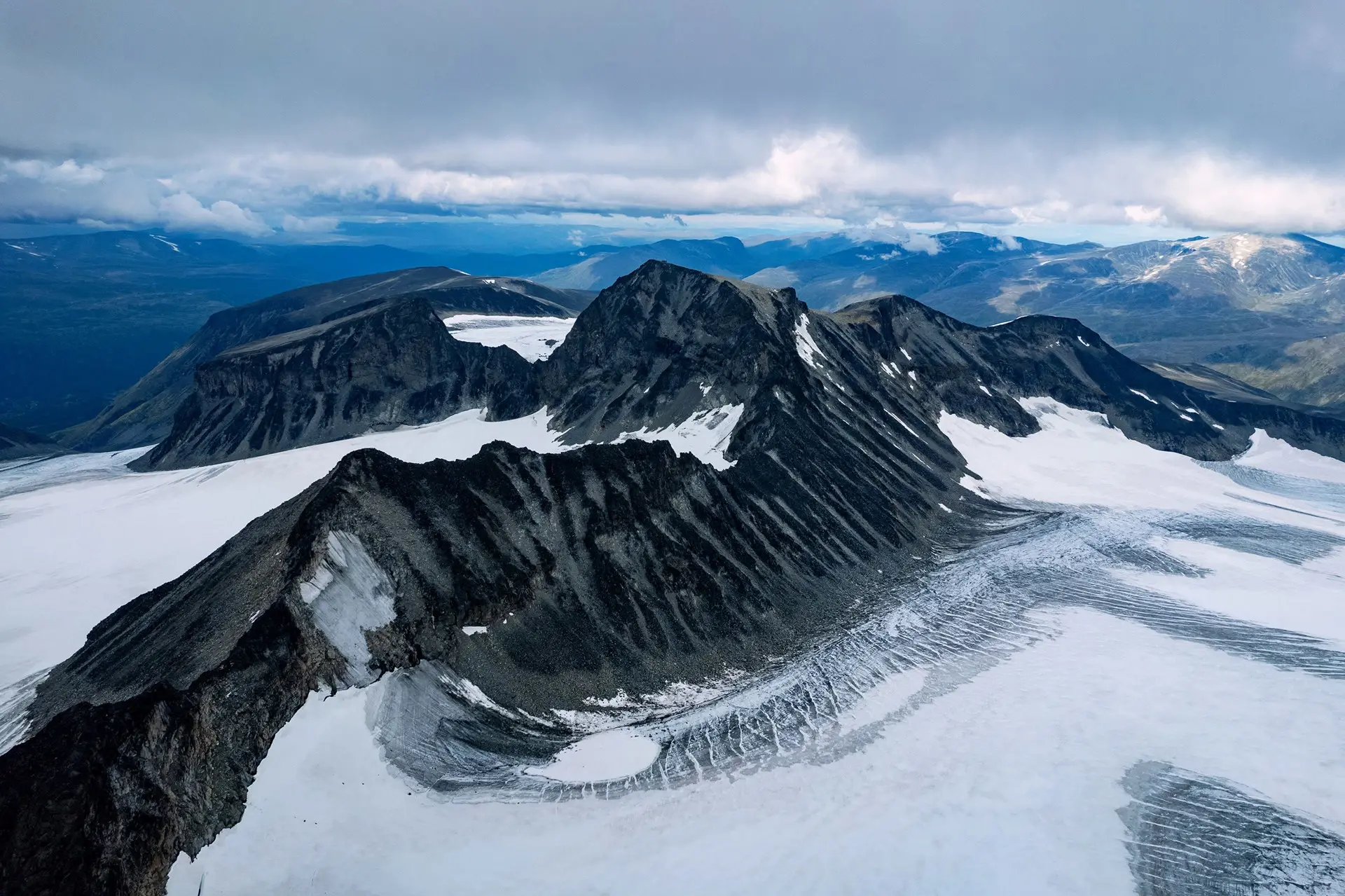
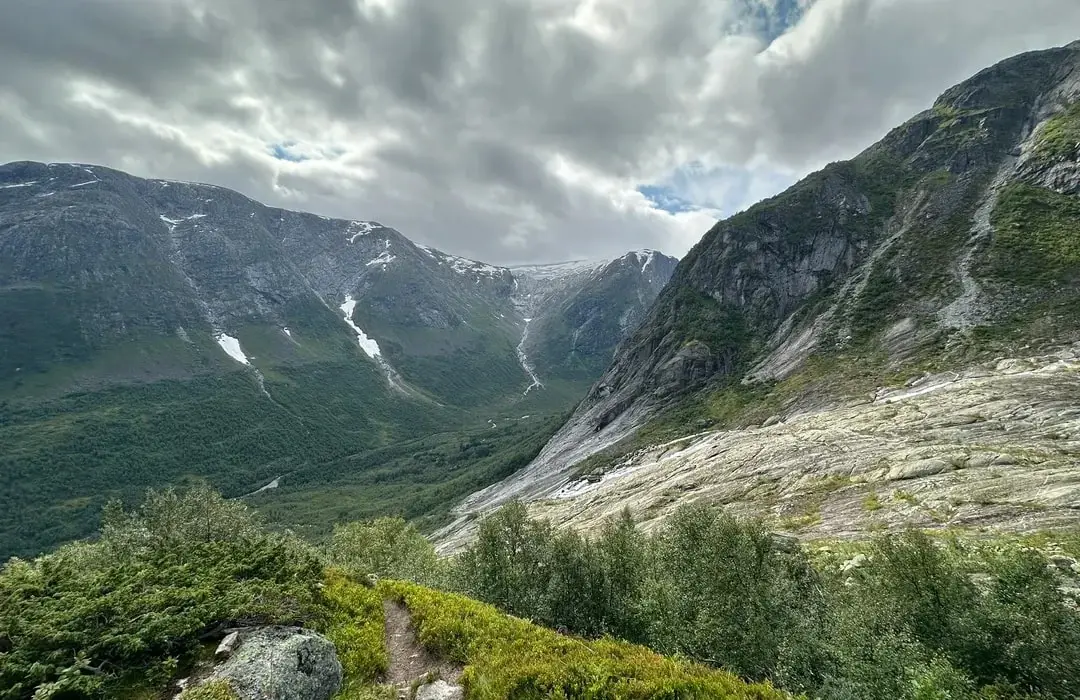
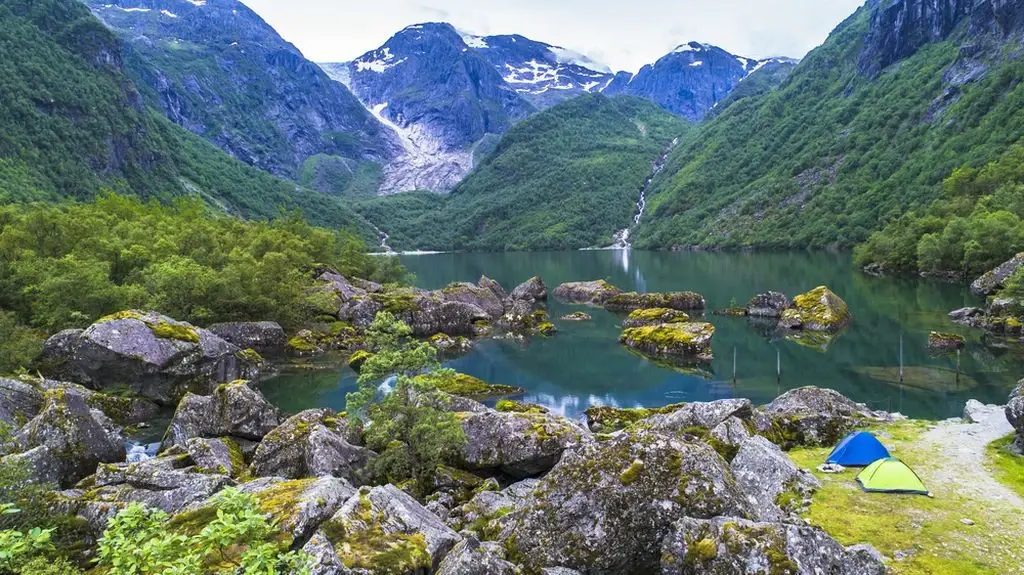
Buer is a landscape protection area of about 21.3 km² in Vestland, Norway, protected in 2005. It covers a scenic area stretching from the valley up to the high mountains[1].
Wildlife Ecosystems
The regulation names no species. It aims to safeguard biological diversity, bans introducing new animal species, and permits hunting and trapping under wildlife law and fishing under freshwater fish law[1].
Flora Ecosystems
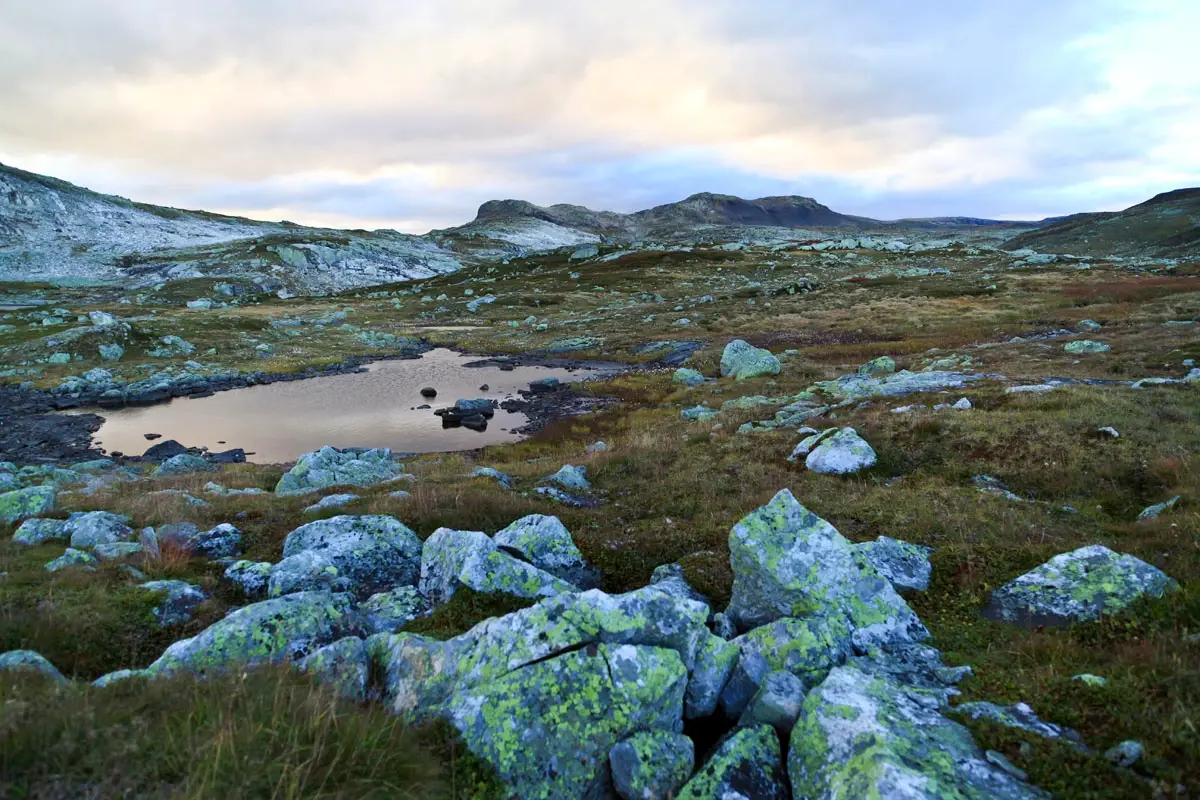
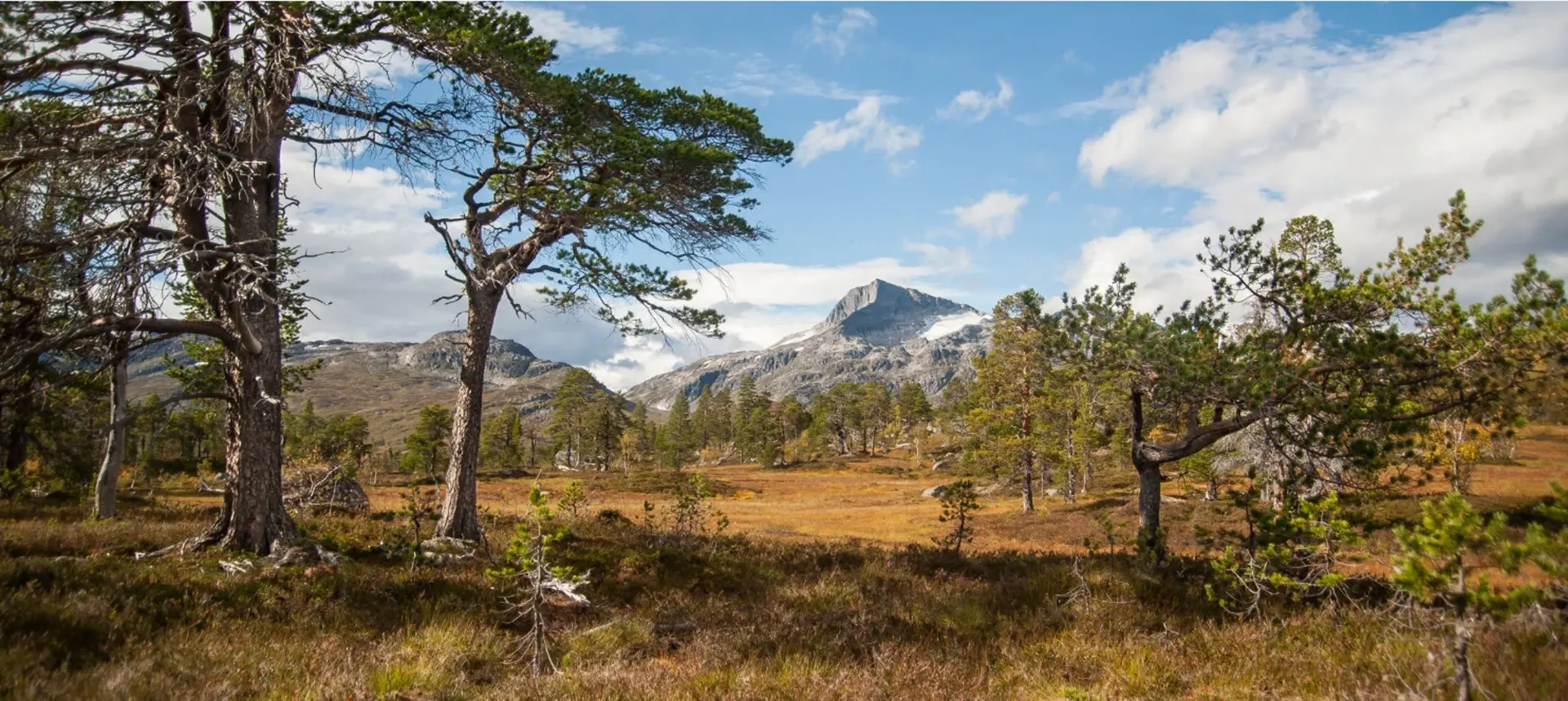
Vegetation is protected from damage, and introducing new plant species is prohibited. Grazing is permitted, and firewood cutting for personal use and replanting with native tree species are allowed under the management plan[1].
Geology
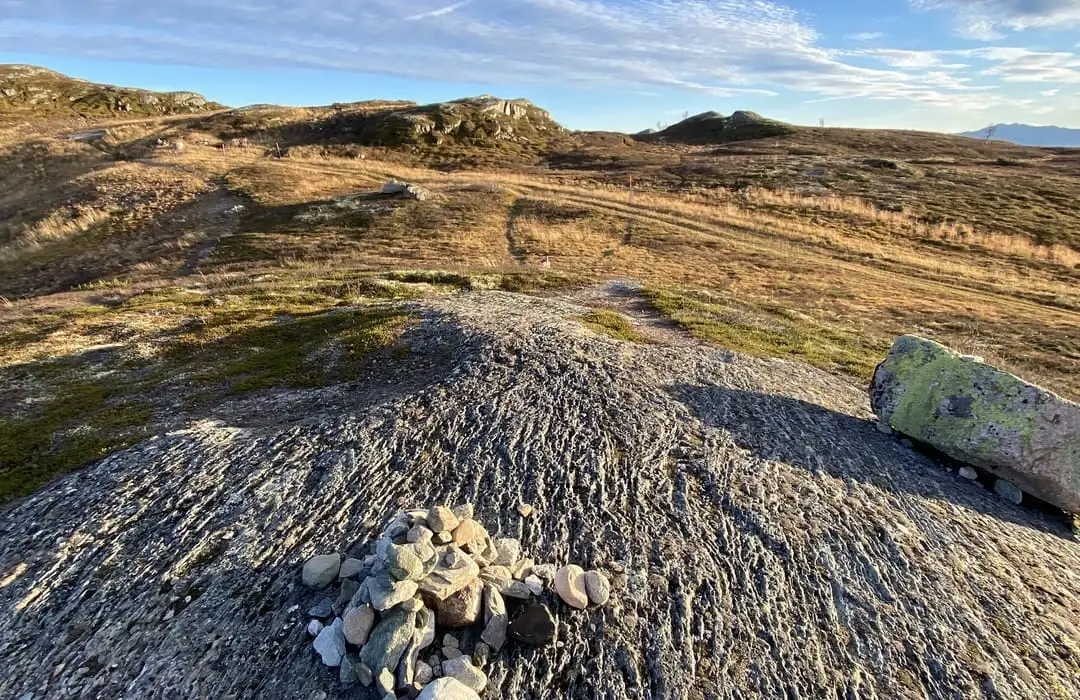
The regulation lists important geological features and valuable watercourse nature among the reasons for protection, along with a landscape rising from valley to high mountain[1].
Climate and Weather
Buer lies in the fjord and mountain country of western Norway, where precipitation is heavy, valleys are mild and the high ground keeps snow through much of the year.
Human History
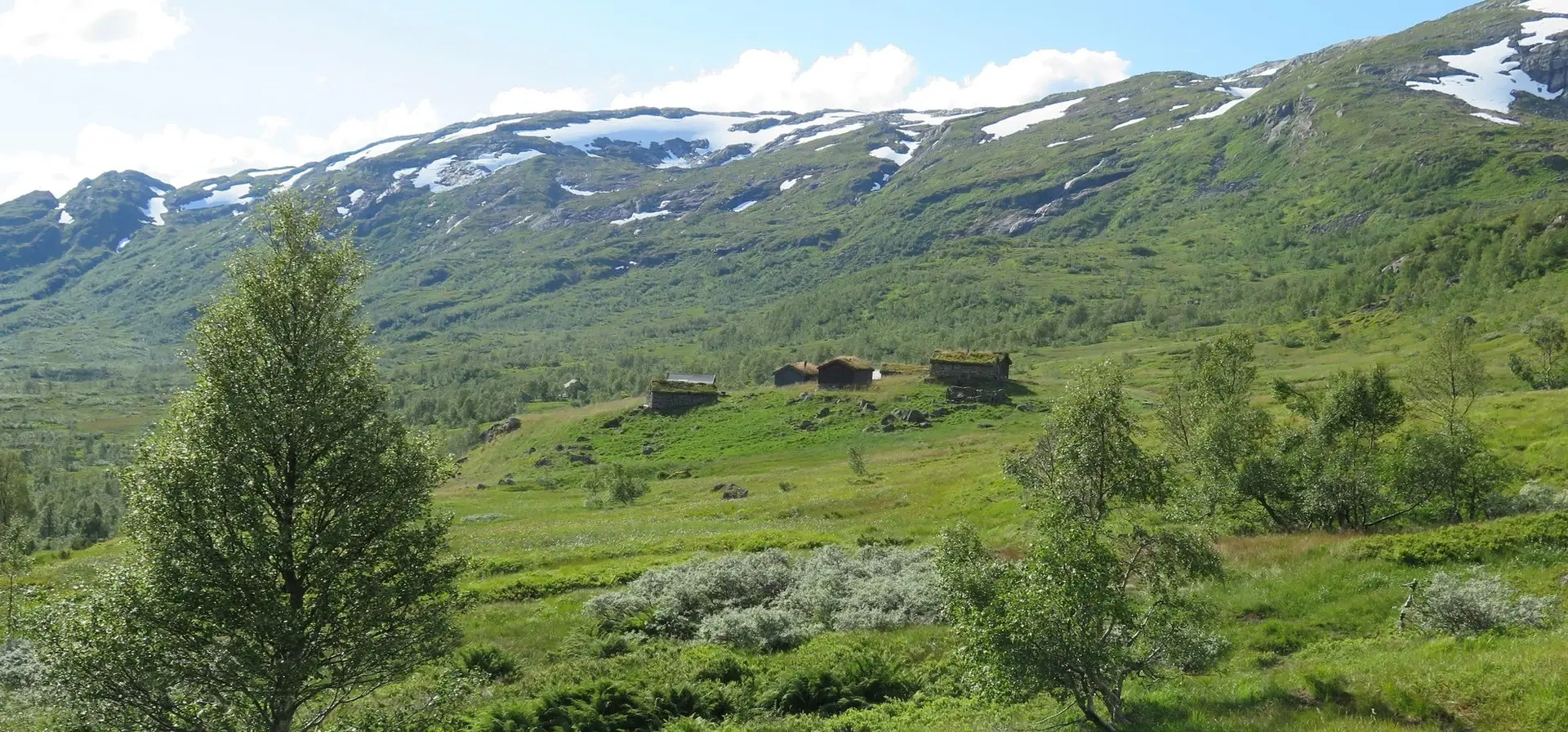
Cultural landscapes and cultural monuments are protected, and the rules allow maintaining existing buildings in traditional style, livestock facilities, fencing and upkeep of cultivated land and pasture[1]. These provisions reflect long farming and grazing use.
Park History
Buer was protected by a regulation of 29 April 2005. Its purposes include protecting scenic natural and cultural landscape, geological features and biodiversity, and letting the public enjoy traditional, simple outdoor recreation. A management plan is approved by the Norwegian Environment Agency[1].
Major Trails and Attractions
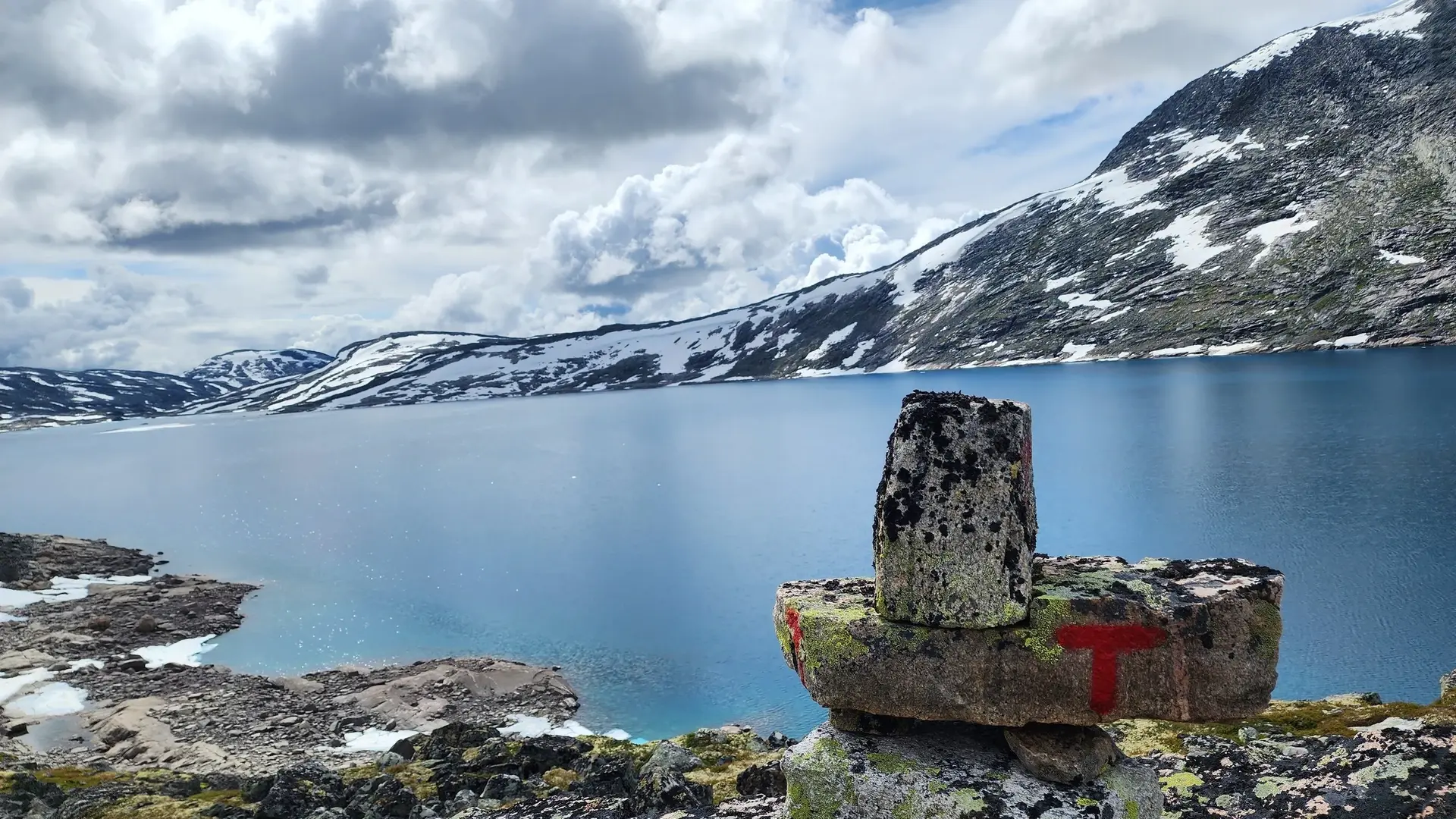
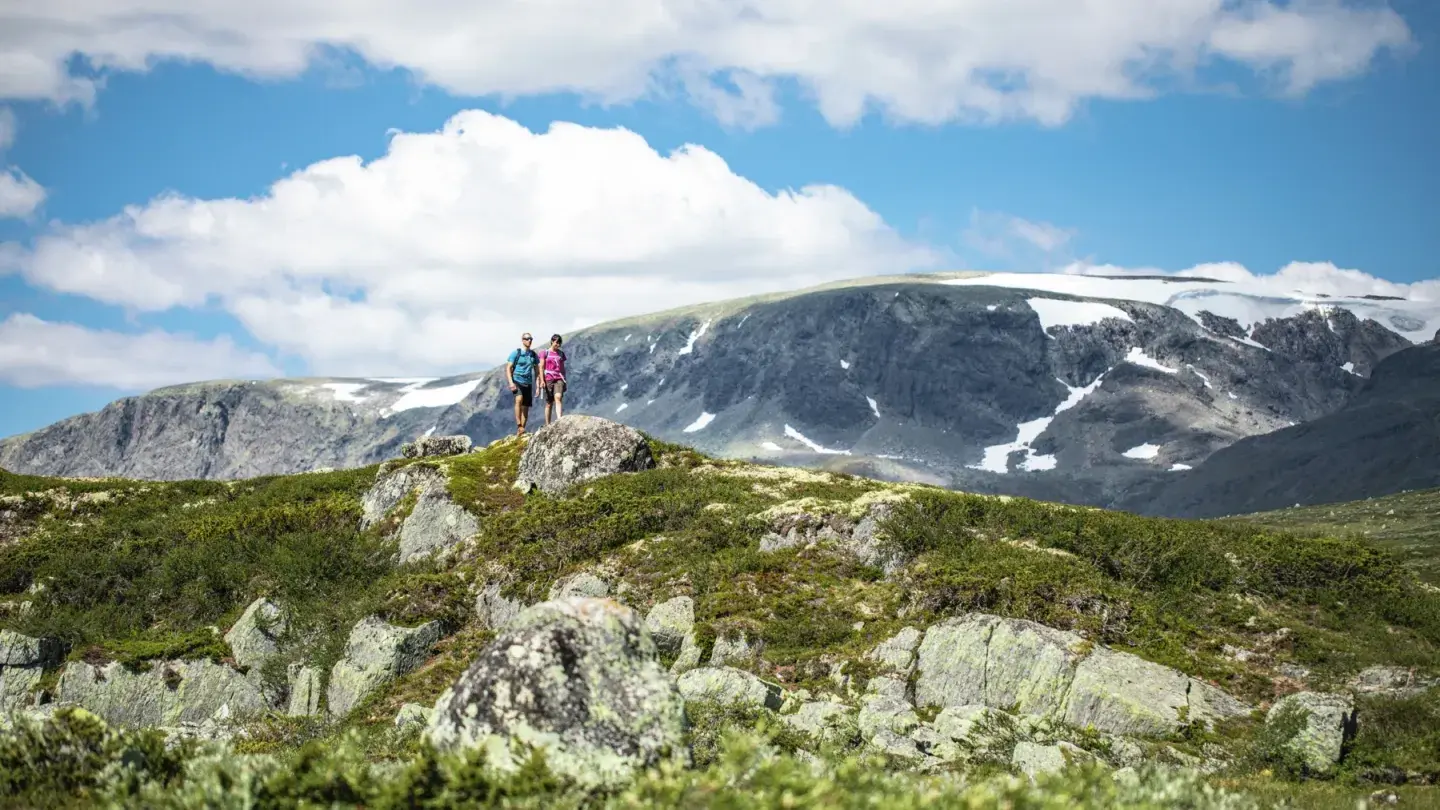
Marked trails can be maintained under the management plan, and organized hiking is allowed if nature is not harmed. Cycling and organized horse riding are allowed only on routes approved in the plan[1].
Visitor Facilities and Travel
Visitors may walk freely if careful. Motorized traffic is banned on land, on water and in the air below 300 metres, with exceptions for emergency, management and farm uses[1].
Conservation and Sustainability
Roads, construction, mining, water regulation, excavation, drainage, clear-felling, overhead lines, signs and trail marking that would significantly change the landscape are prohibited. Cultural monuments must be protected from damage[1].
Photos
No photos available yet