Wenxian Giant Salamander
China, Gansu
About Wenxian Giant Salamander
Wenxian Giant Salamander is a provincial nature reserve in Wen County, in the south of Gansu Province. It protects stream habitat for the Chinese giant salamander (Andrias davidianus), the world's largest amphibian, which is critically endangered. The reserve covers about 136 square kilometres in the mountain country near the Sichuan border, in the upper Yangtze river system.
Wildlife Ecosystems
The flagship species is the Chinese giant salamander, a fully aquatic amphibian that lives in cool, clear, fast mountain streams and hides in rock crevices and caves by day. Wild populations have fallen sharply across China because of overharvesting, habitat loss and pollution. The streams also hold other cold-water fauna, and the surrounding forested slopes in southern Gansu are part of a mountain region with rich wildlife.
Flora Ecosystems
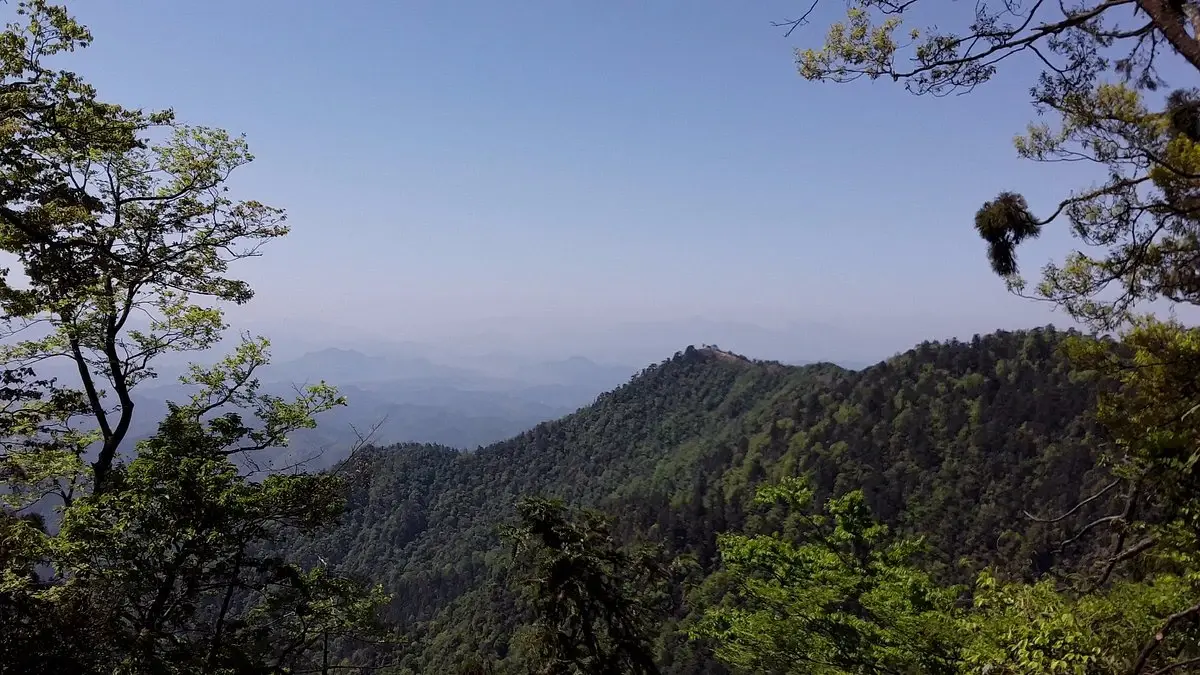
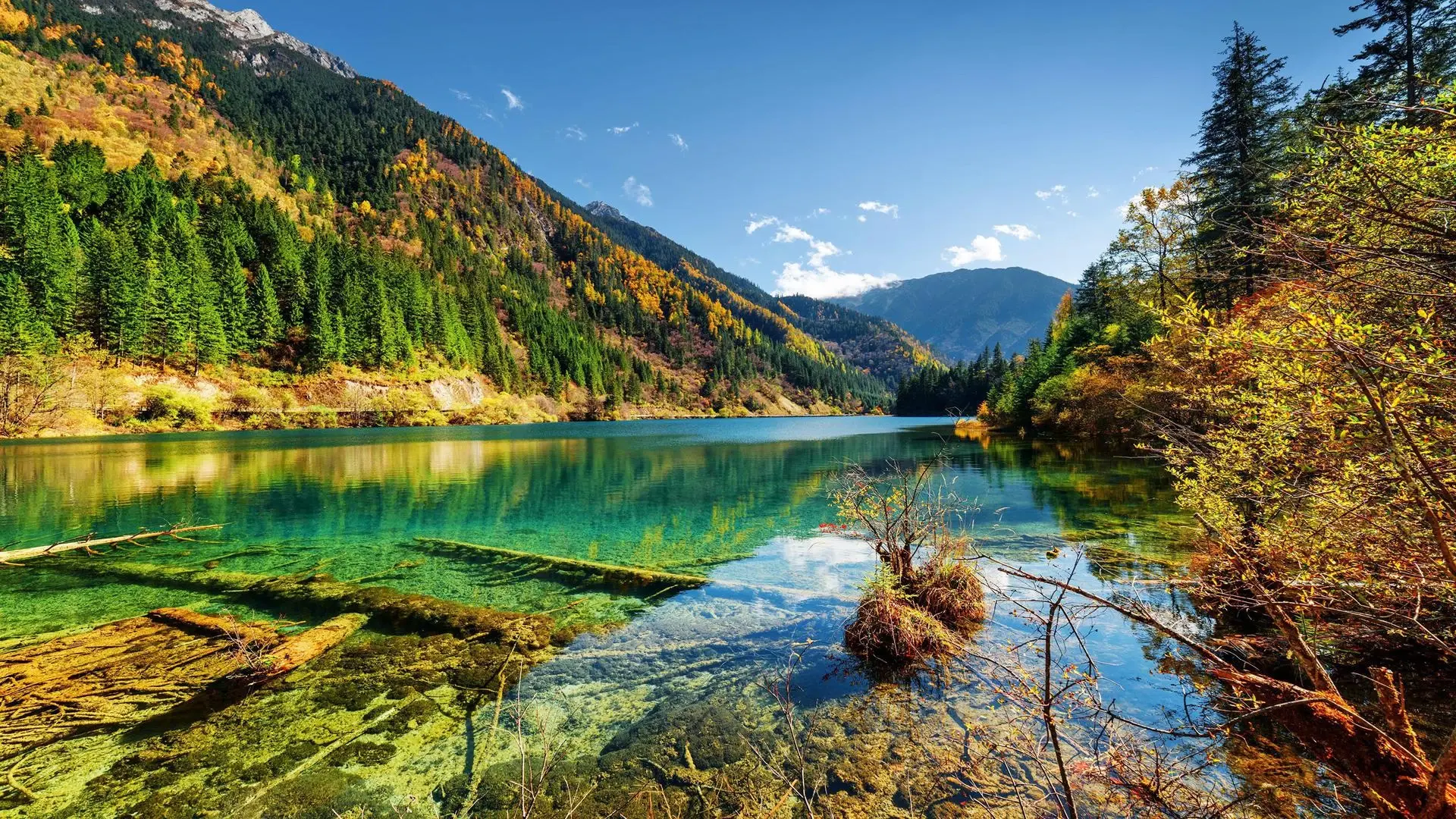
The reserve lies in the mountains of southern Gansu, where steep valleys carry broadleaf and mixed forest and shrub on the slopes above the streams. Streamside vegetation shades the water and keeps it cool, which matters for the salamander. The forest also stabilises the banks and limits silt in the pools where the animals shelter.
Geology
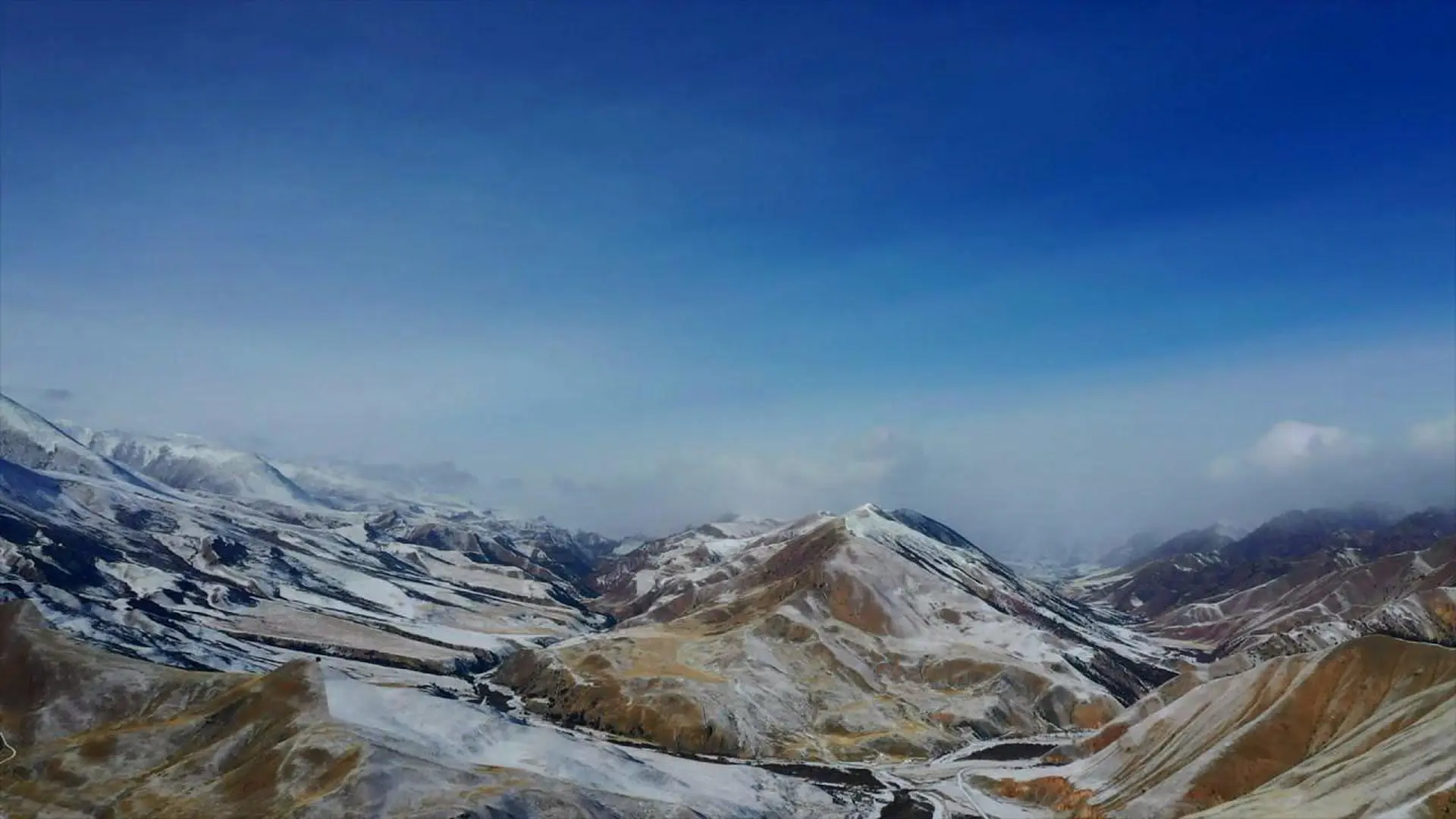
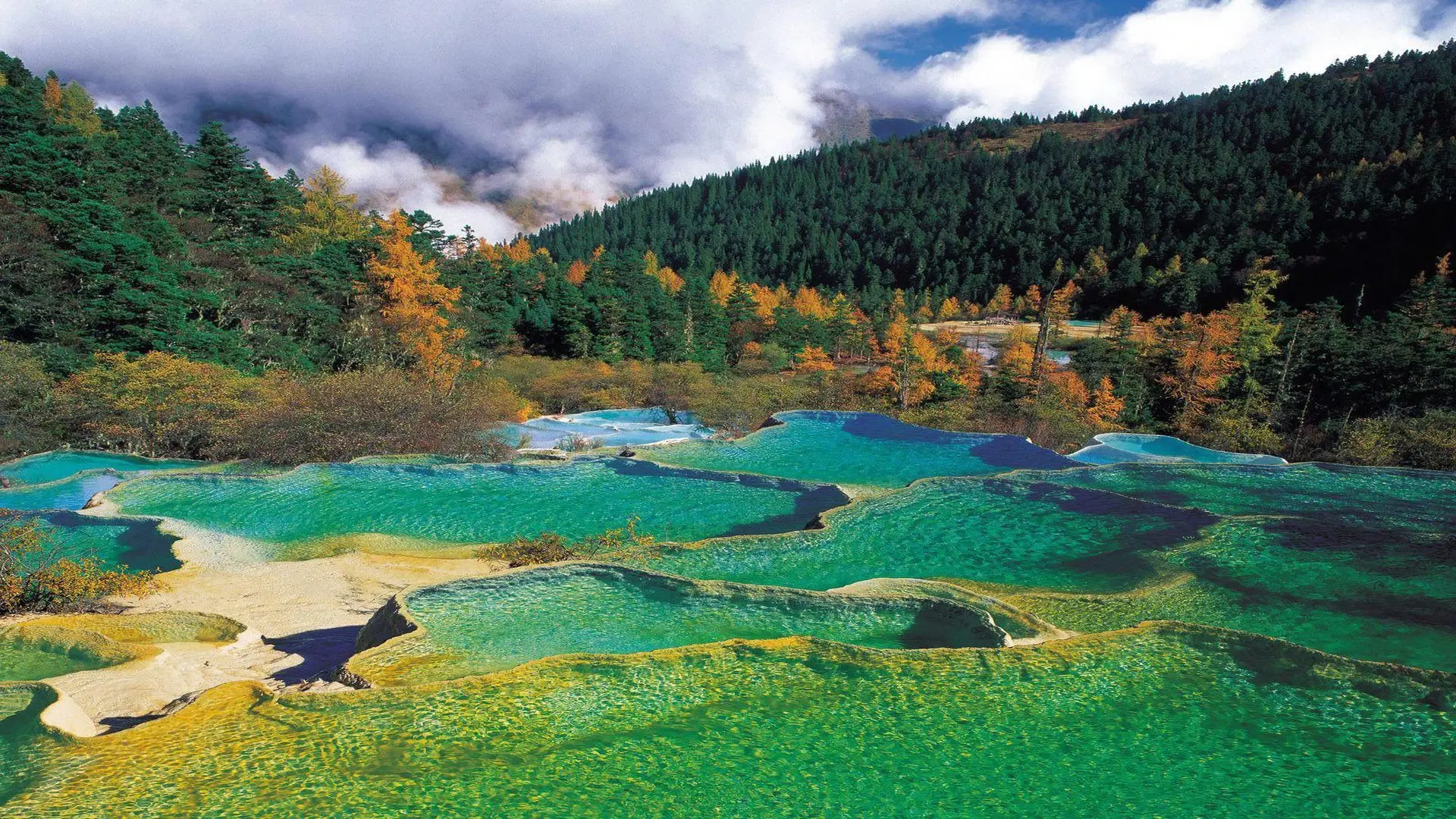
Wen County sits in a steep mountain region at the southern edge of Gansu, cut by deep river valleys running toward the Sichuan basin. The streams have carved gorges and rocky pools with boulders and crevices, which provide the cover that giant salamanders need. The reserve is a landscape of rapid mountain streams rather than lowland waterways.
Climate and Weather
Southern Gansu around Wen County has a milder, wetter climate than the rest of the province, with warm summers and relatively mild winters in the valleys, and cooler conditions on the higher slopes. Summer brings most of the rain, which swells the streams. The salamander favours cool, well-oxygenated water, so shaded mountain streams suit it.
Human History
Wen County is a mountain county in the far south of Gansu, long linked to the upper Yangtze basin by river valleys. Giant salamanders have a long history of human use in China, both for food and in traditional medicine, and this demand drove the heavy collecting that caused the species to decline.
Park History
The reserve was established in 2004 as a provincial-level nature reserve to protect the giant salamander and its stream habitat in Wen County. It is one of many reserves created across China since the 1980s specifically for the species.
Major Trails and Attractions
The reserve is a protected habitat rather than a tourist site. The interest lies in its mountain streams and the possibility of the species living in them, although the animals are nocturnal and secretive and are rarely seen.
Visitor Facilities and Travel
The reserve is in Wen County, with the county town about 10 km away. Access to the protected stream areas is controlled, and visitors should arrange any visit through the local reserve or forestry authorities.
Conservation and Sustainability
The Chinese giant salamander is listed as critically endangered by the IUCN, and the main threats are overharvesting for the food trade, loss of stream habitat and water pollution. Reserves such as this one protect the streams where wild animals remain and restrict collecting. Healthy forest on the surrounding slopes is also important because it keeps the water cool and clear.
Photos
No photos available yet