Gardens of Stone
Australia, New South Wales
About Gardens of Stone
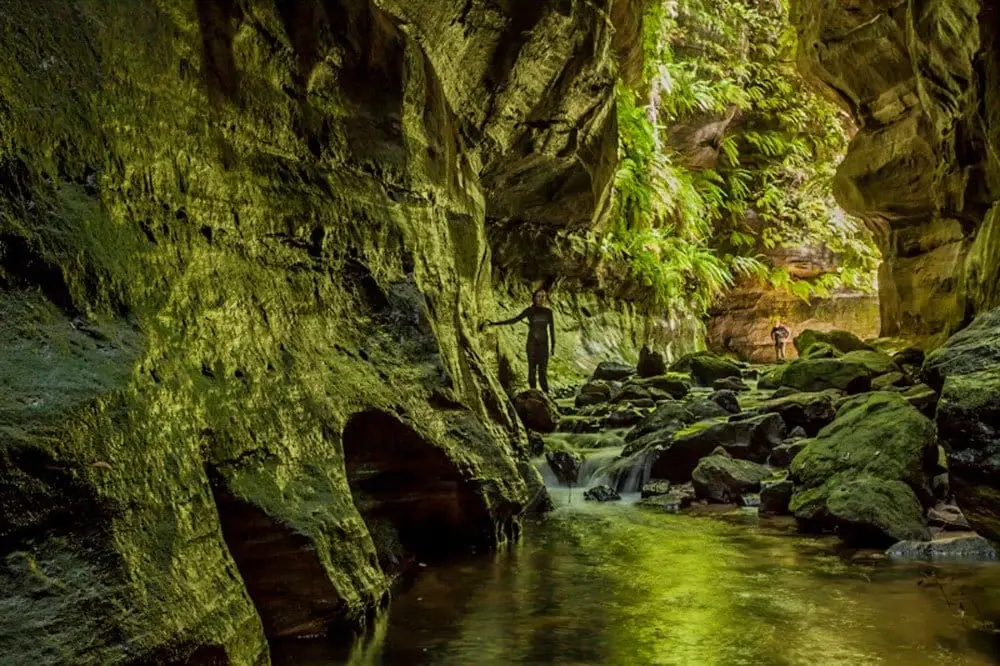
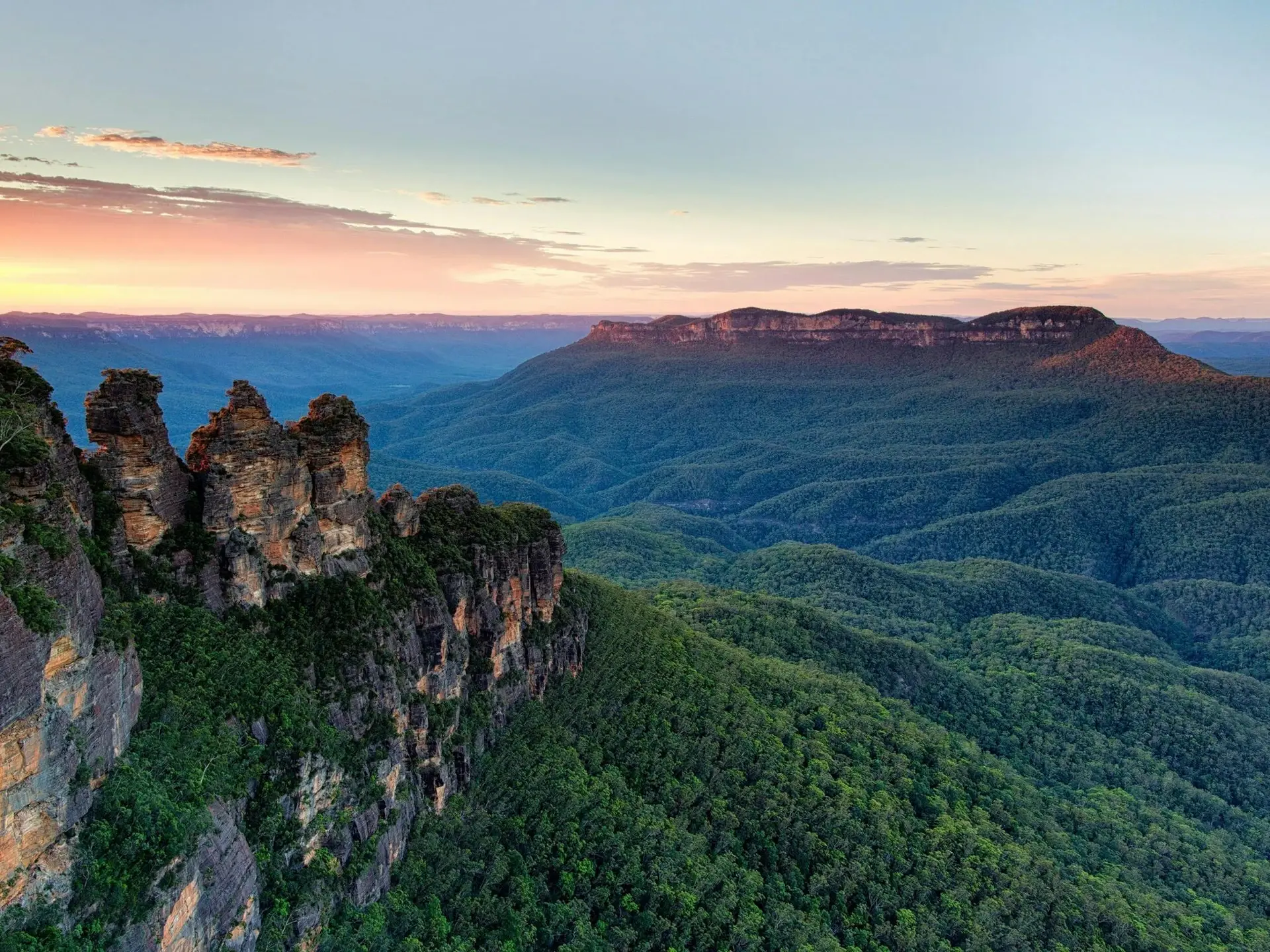
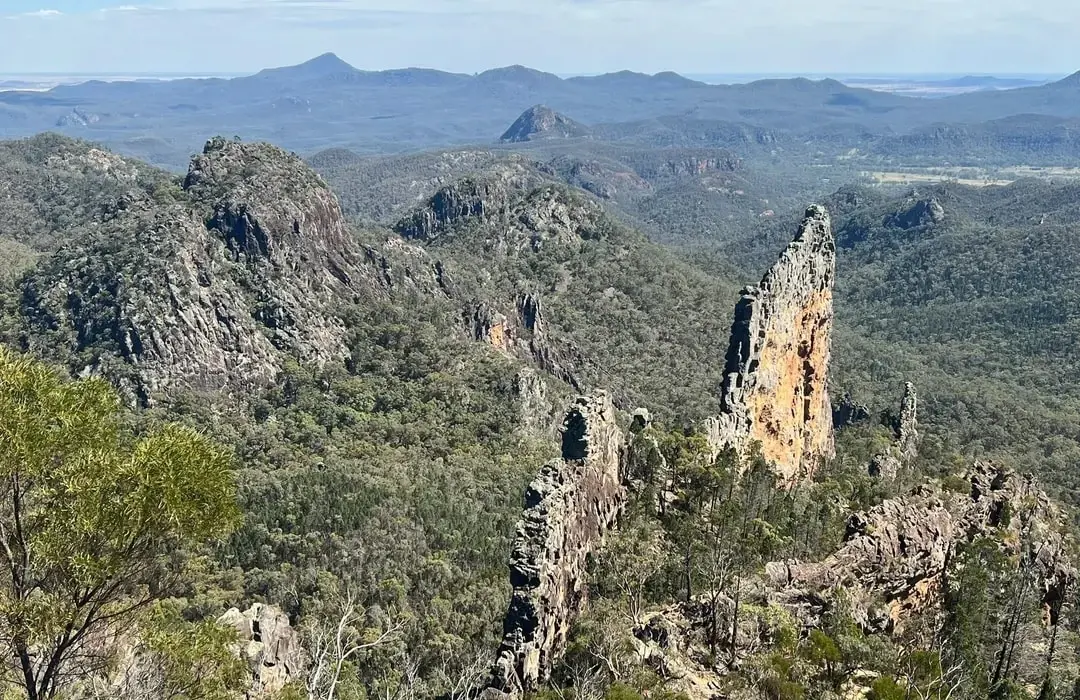
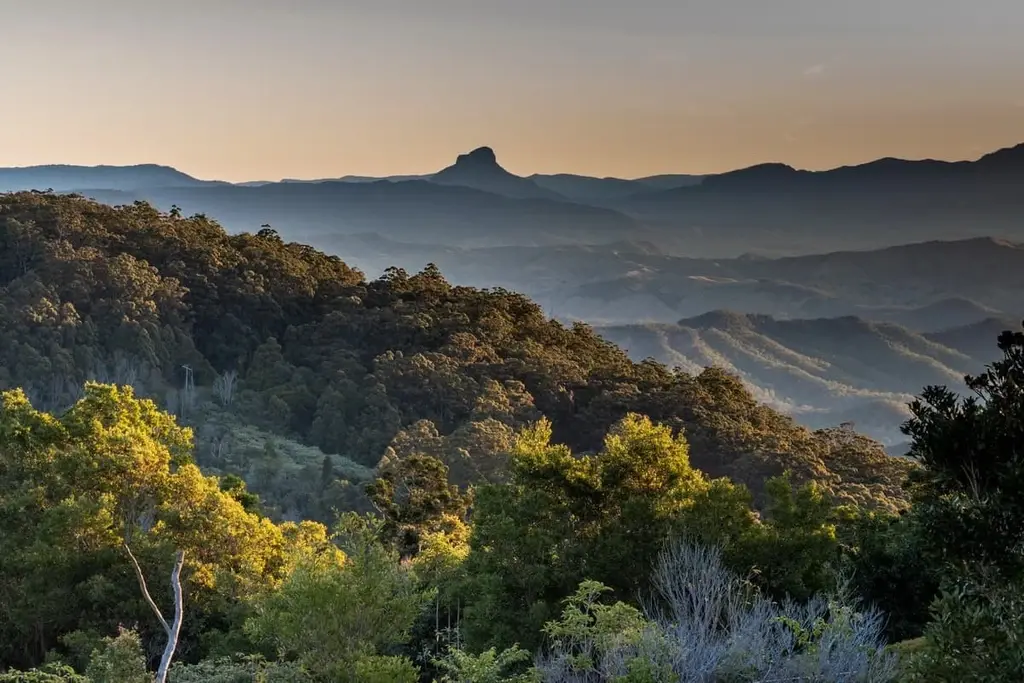
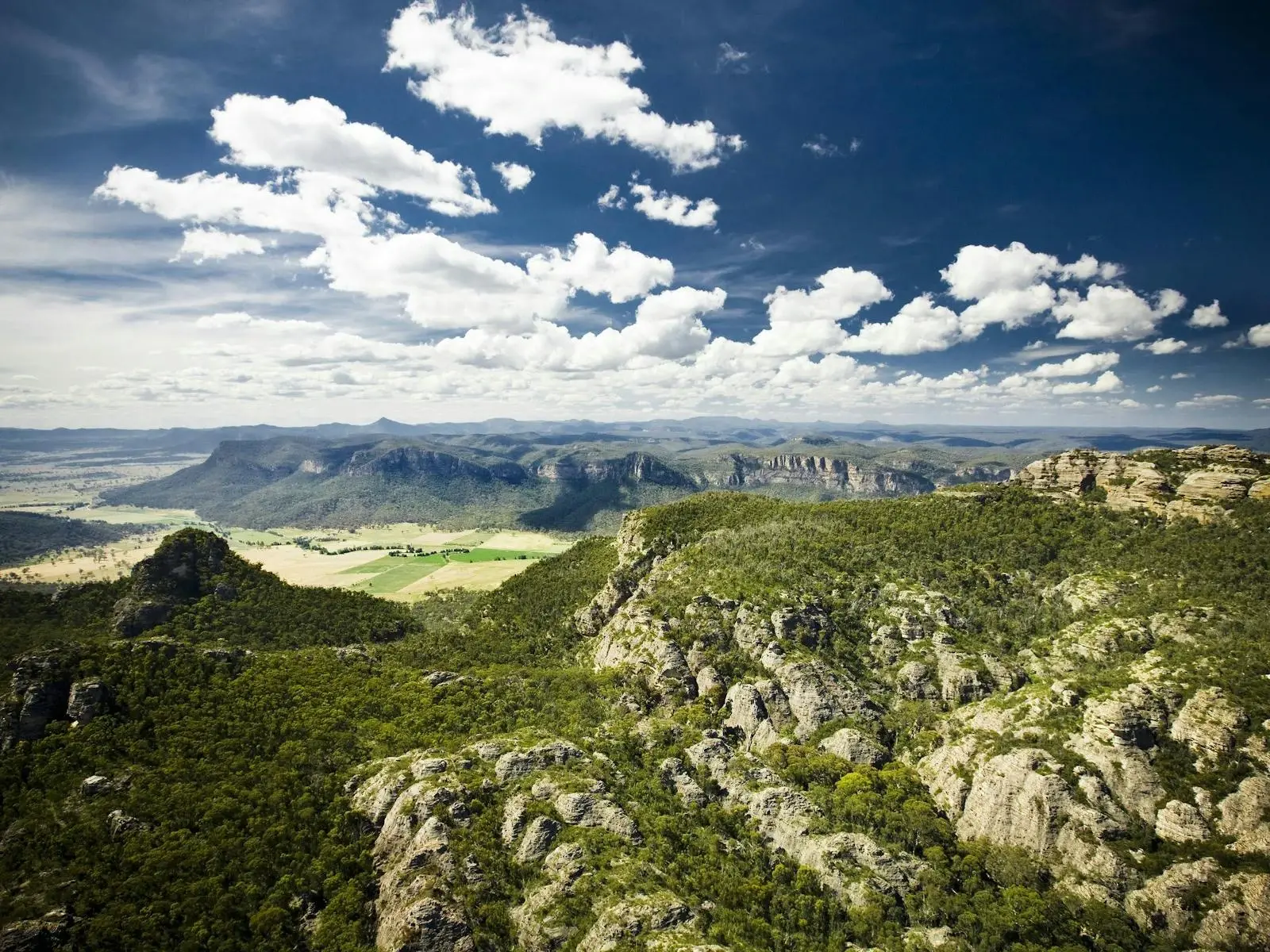
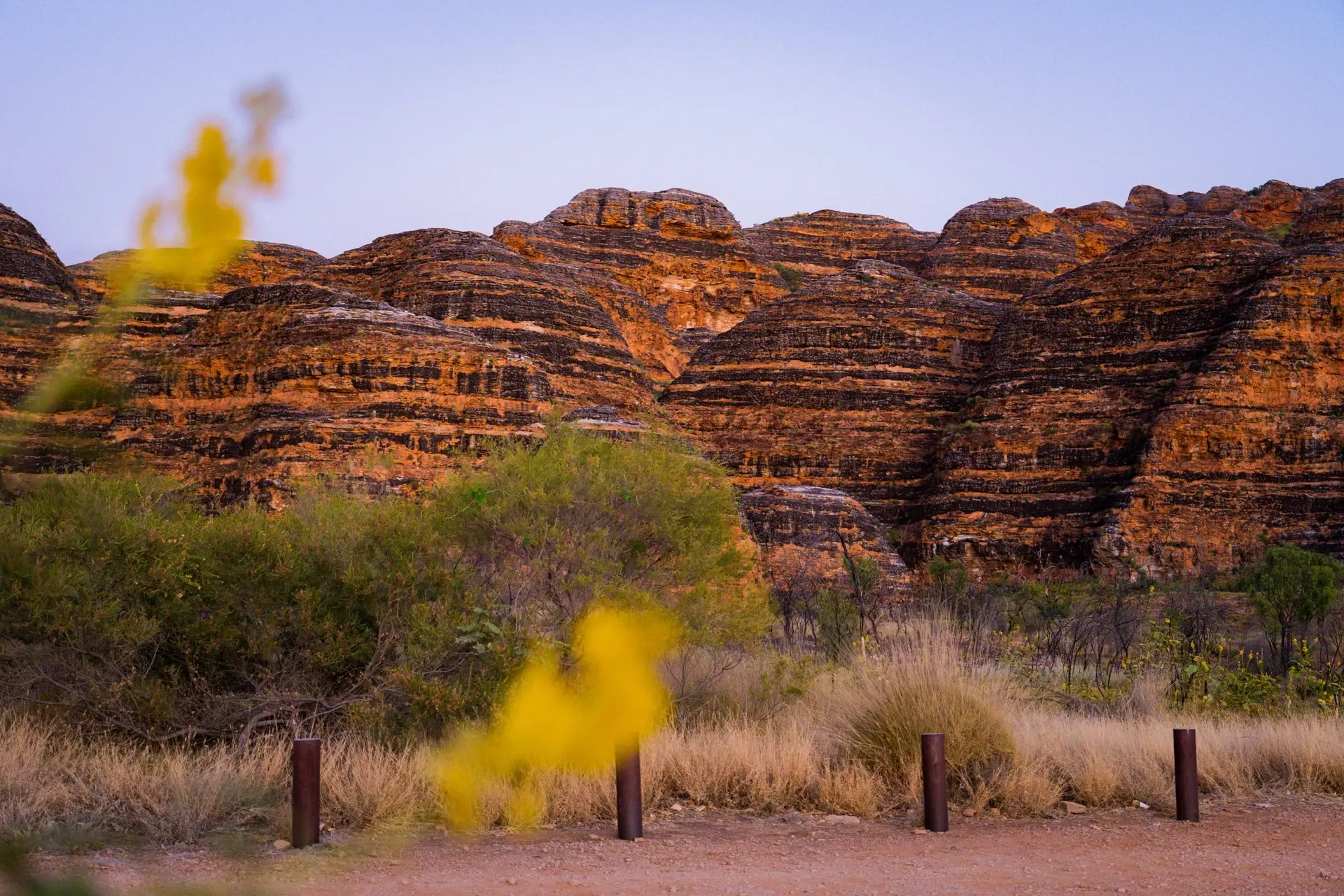
Gardens of Stone National Park is a 15,080-hectare park in the Central Tablelands of New South Wales, about 125 km north-west of Sydney and 30 km north-west of Lithgow. It is named for its natural sandstone pagodas, with cliffs and canyons, and is part of the Greater Blue Mountains Area World Heritage Property[1].
Wildlife Ecosystems
Ironbark and yellow box woodlands in the west are habitat for the rare regent honeyeater and turquoise parrot. Blue-tongue lizards and wood geckos are seen on warm stone, and koalas may be spotted in the east of the park[2].
Flora Ecosystems
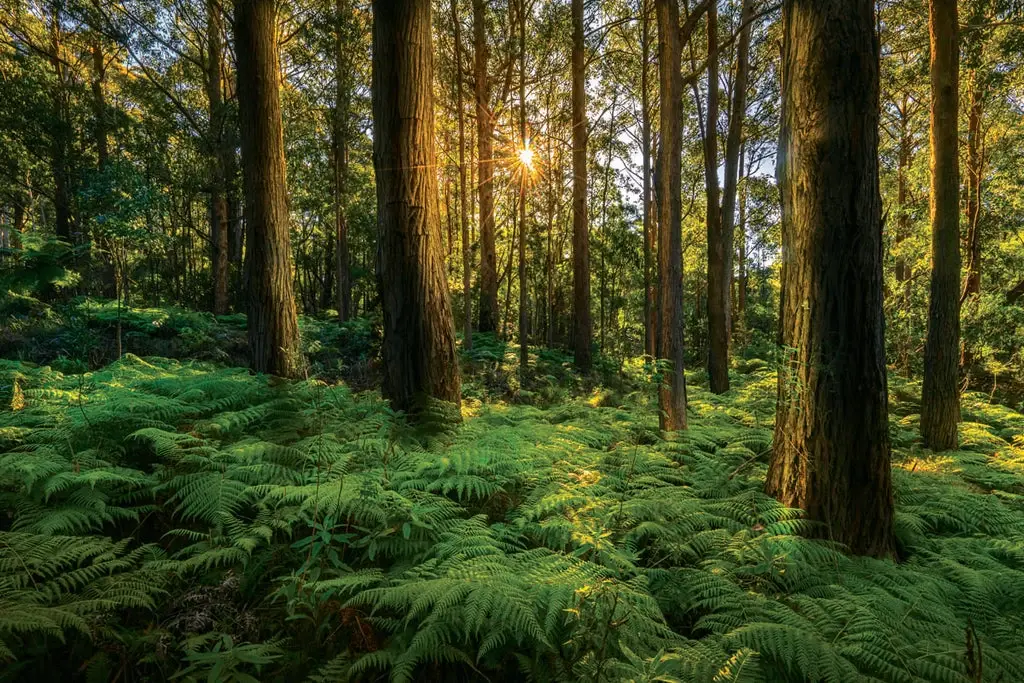
A total of 423 native plant species in 30 plant communities have been recorded, mostly in open eucalypt forest and woodland. Ironbark and yellow box woodlands grow on clay loam in the west, white box woodland in the south-west and scribbly gum woodland along the eastern borders. Rare yellow pagoda daisies grow from the rocks[1].
Geology
Sandstone pagodas, cliffs and canyons dominate the landscape, with unusual limestone outcrops, karst and elevated swamps elsewhere in the park. Pantoneys Crown is a prominent mesa landmark[1].
Climate and Weather
The park sits on the high Newnes Plateau area west of the Blue Mountains, where it is cooler than the coast. It may close because of poor weather or fire danger[2].
Human History
The Newnes Plateau was proposed for conservation in 1932 as part of a Greater Blue Mountains National Park. Mining relics survive in the adjoining state conservation area[1].
Park History
The park was established on 30 November 1994. The first area covered 11,780 hectares and left out land with coal deposits, and it was later enlarged to 15,080 hectares. Lobbying increased after Wollemi National Park was created in 1979, and the Greater Blue Mountains Area was inscribed in 2000[1].
Major Trails and Attractions
Highlights include the Baal Bone Gap picnic area with pagodas, cliffs and wide views, the Crown Creek and Ben Bullen fire trails for horse riding, mountain biking and four-wheel driving, and photography at Pantoneys Crown. Walks from Lost City in the adjoining conservation area lead among the pagodas[2].
Visitor Facilities and Travel
The park is always open but may close in poor weather or fire danger. Roads in the park are unsealed and mostly suited to four-wheel-drive vehicles.
Conservation and Sustainability
The park is managed by the NSW National Parks and Wildlife Service as an IUCN Category II area. Its pagoda plant and animal communities are fragile and easily damaged by human activity, and collecting bush rock removes reptile habitat. Conservation groups have sought protection of the surrounding pagoda country[1].
Photos
No photos available yet