Shala Valley
Albania, Shkodër County
About Shala Valley
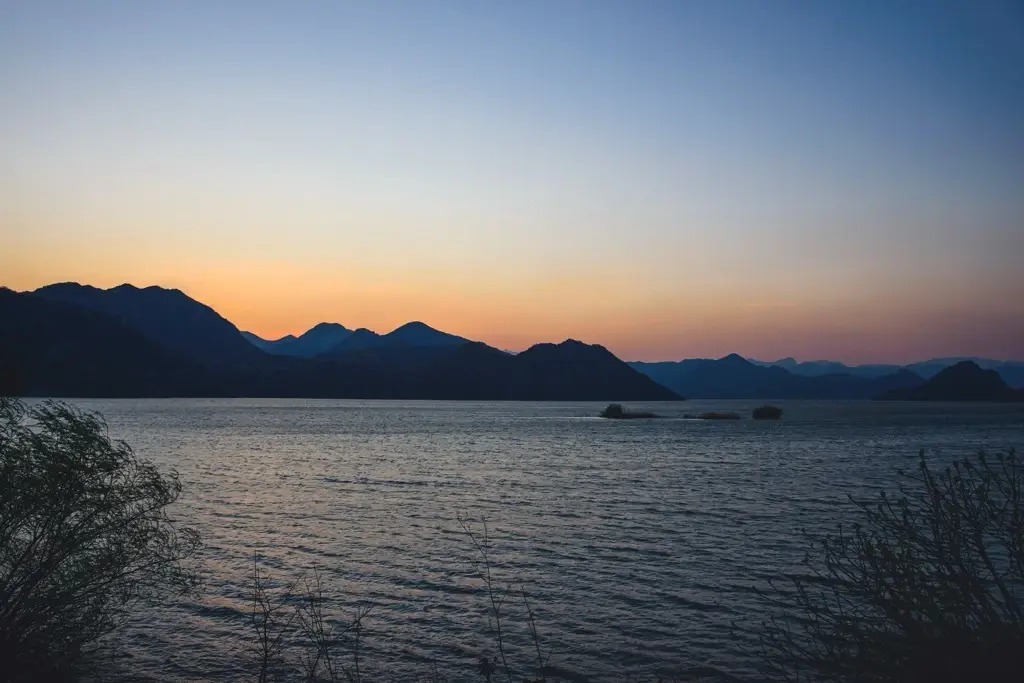
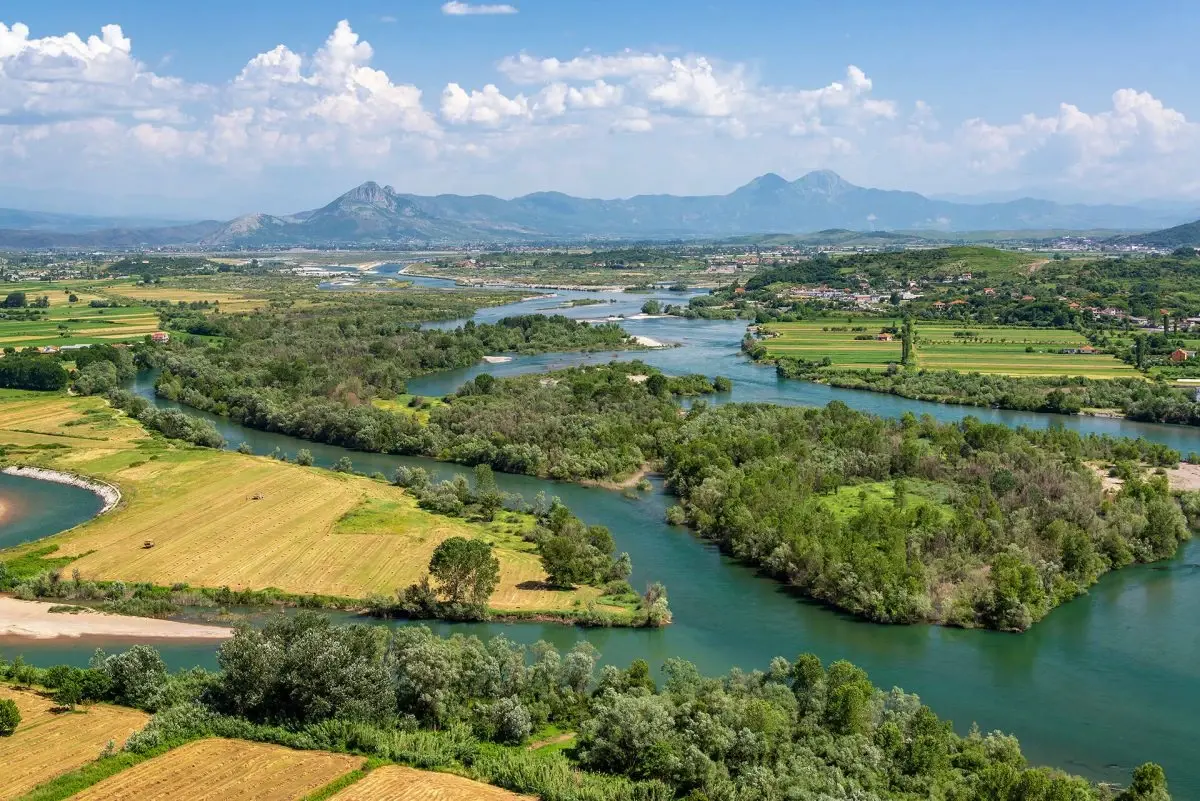
Shala Lagoon Managed Nature Reserve protects a coastal lagoon and wetland system on the Adriatic coast of Shkodër County in northern Albania. The reserve encompasses the lagoon, surrounding marshlands, and transitional habitats between freshwater and marine environments. The wetland complex provides critical habitat for migratory waterbirds on the Adriatic flyway and supports diverse fish and invertebrate communities in its brackish waters. The site represents one of several important coastal wetlands along the Albanian Adriatic that collectively form a chain of stepping stones for migrating birds.
Wildlife Ecosystems
The lagoon supports significant concentrations of migratory and wintering waterbirds including herons, egrets, ducks, and wading birds that exploit the shallow productive waters. Dalmatian pelicans from nearby breeding sites forage in the lagoon. The brackish waters support diverse fish assemblages including mullet, sea bass, and eel that move between marine and lagoon environments. The surrounding marshes provide breeding habitat for reed-nesting birds and amphibians. Otters patrol the lagoon margins, and water snakes hunt fish in the shallows.
Flora Ecosystems
The lagoon margins support extensive reedbeds of common reed and bulrush providing nesting cover and roosting sites for waterbirds. Saltmarsh vegetation colonizes the lagoon edges where tidal influence penetrates. Submerged aquatic vegetation including pondweeds and charophytes provides food for herbivorous waterfowl and habitat structure for fish. The surrounding dune and coastal habitats support salt-tolerant grasses and shrubs. Transitional woodlands of tamarisk and willow fringe the freshwater inputs to the lagoon system.
Geology
The lagoon formed behind a coastal sand barrier built by longshore drift along the Adriatic coast. The enclosed water body receives freshwater input from small streams and groundwater while maintaining a connection to the sea that allows tidal exchange and fish migration. The underlying sediments consist of marine sands and silts accumulated over thousands of years of coastal evolution. The dynamic coast continues to reshape the barrier and lagoon mouth through ongoing sediment transport processes.
Climate and Weather
The reserve experiences a Mediterranean climate with hot dry summers and mild wet winters typical of the Albanian Adriatic coast. Annual precipitation averages approximately 1,200 millimeters concentrated in the cooler months. Sea breezes moderate summer temperatures along the coast. The shallow lagoon waters warm rapidly in summer, sometimes exceeding 30 degrees and reducing dissolved oxygen levels. Winter storms from the Adriatic can temporarily flood the lower-lying areas and alter the lagoon mouth configuration.
Human History
The lagoon has been exploited for fishing by local communities for centuries, with traditional fish traps and nets used to harvest the lagoon's productive waters. Historical land reclamation attempts during the communist era drained portions of surrounding wetlands for agriculture. Reed cutting for thatching and mat-making supplemented local incomes. The coastal zone has seen increasing development pressure in recent decades as tourism and urbanization expand along Albania's Adriatic coast.
Park History
The managed nature reserve designation protects the remaining natural lagoon habitat from the drainage and development that have destroyed similar wetlands along the Albanian coast. The site's importance for migratory waterbirds supports its inclusion in national and international wetland conservation networks. Management focuses on maintaining water quality and the hydrological connection between lagoon and sea essential for ecological function.
Major Trails and Attractions
Birdwatching from the lagoon margins provides opportunities to observe waterbird concentrations, particularly during autumn and spring migration periods. The lagoon's proximity to the coast allows combination of nature observation with beach visits. Walking trails around the lagoon perimeter offer views across the wetland. The transition between marine and freshwater habitats creates ecological interest accessible to general visitors.
Visitor Facilities and Travel
The reserve is located in the coastal zone of Shkodër County, accessible from the Shkodër-Lezhë coastal road. No dedicated visitor facilities exist at present. The nearest town providing accommodation and services is Shkodër or the coastal settlements along the Adriatic. Access is possible by vehicle to the lagoon margins. Information about the site is available from the regional environmental directorate.
Conservation and Sustainability
Water quality degradation from agricultural runoff and inadequate sewage treatment threatens the lagoon ecosystem. The hydrological connection to the sea must be maintained against blockage by sand deposition or deliberate closure. Development pressure from coastal tourism and urbanization threatens remaining wetland habitat around the lagoon. Overfishing reduces the lagoon's fish populations. Climate change and sea level rise may alter the lagoon's salinity regime and physical configuration. Coordination between multiple land-use interests is essential for effective conservation.
Photos
No photos available yet