Stony Brook Reservation
United States, Massachusetts
Stony Brook Reservation
About Stony Brook Reservation
Stony Brook Reservation encompasses 475 acres of urban wilderness in Hyde Park and West Roxbury, providing essential green space for Boston neighborhoods.
Wildlife Ecosystems
The reservation supports diverse wildlife including deer, coyotes, and numerous birds. Turtle Pond provides aquatic habitat.
Flora Ecosystems
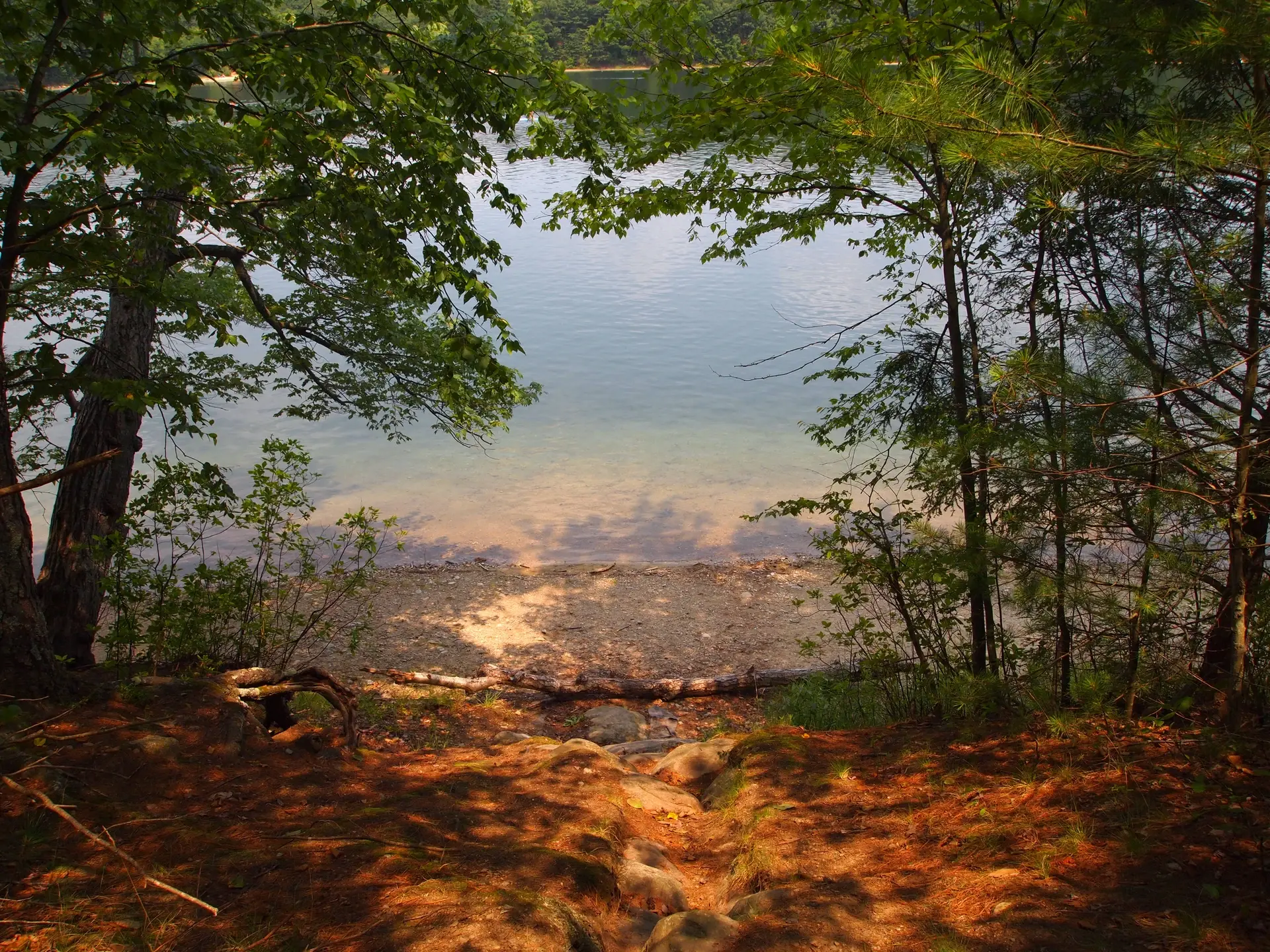
Mixed hardwood forest with wetlands along Stony Brook.
Geology
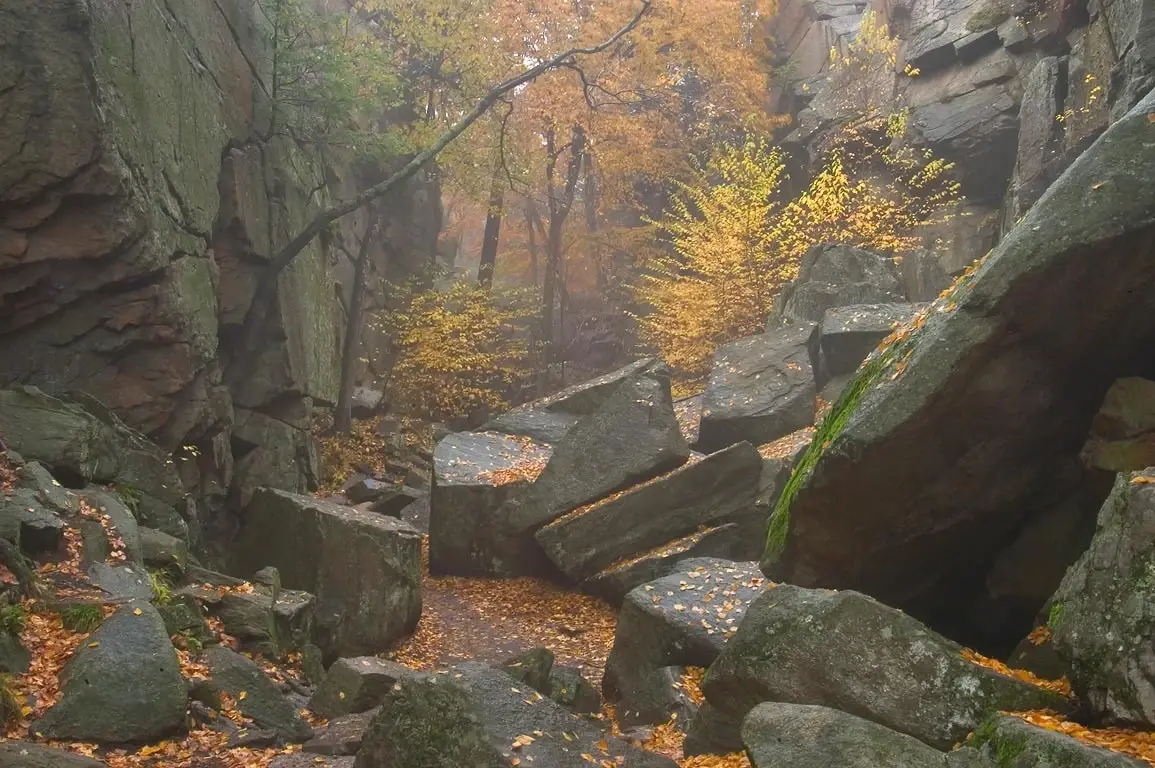
The reservation occupies glacially modified terrain with numerous wetlands.
Climate and Weather
Urban microclimate moderated by the forest.
Human History
The reservation was part of the original metropolitan park system designed by Charles Eliot.
Park History
The Metropolitan Park Commission acquired the land in 1894, preserving significant green space.
Major Trails and Attractions
Trails explore diverse habitats. Turtle Pond provides swimming. The skating rink serves winter recreation.
Visitor Facilities and Travel
Multiple parking areas serve the reservation. MBTA Commuter Rail provides access.
Conservation and Sustainability
Management addresses impacts from heavy use while maintaining wildlife habitat.
Visitor Ratings
Overall score: 43 out of 100
Out of 100. It is led by the park’s strongest nature scores (uniqueness, beauty, geology, plant life, wildlife) and pulled down by low safety, so it is not the average of the ten categories below.
What the categories mean
- Uniqueness
- How distinctive and memorable are the park's natural features, landscapes, and overall character?
- Intensity
- How extreme, challenging, and adventurous are the terrain, activities, and trails?
- Beauty
- How beautiful are the landscapes, vistas, and natural features?
- Geology
- How impressive and unique are the geological formations and features?
- Plant Life
- How diverse and unique is the plant life? Consider rare species and distinctive ecosystems.
- Wildlife
- How abundant and diverse is the wildlife? Consider rare species and unique animal ecosystems.
- Tranquility
- How peaceful and serene is the environment? Consider noise levels and opportunities for solitude.
- Access
- How easy is it to reach and explore key features? Consider facilities and trail accessibility.
- Safety
- How safe is the park, region, and journey? Consider dangerous wildlife, plants, weather, crime, and political stability.
- Heritage
- How significant are the historical and cultural features?
Photos
No photos available yet