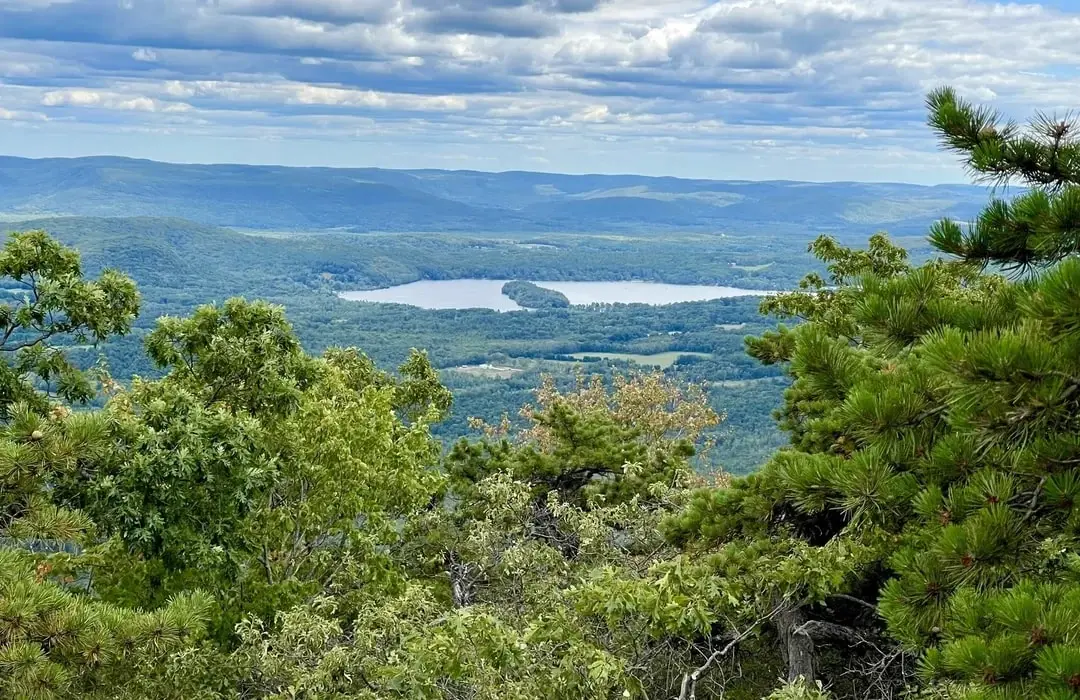
Mount Everett
United States, Massachusetts
About Mount Everett
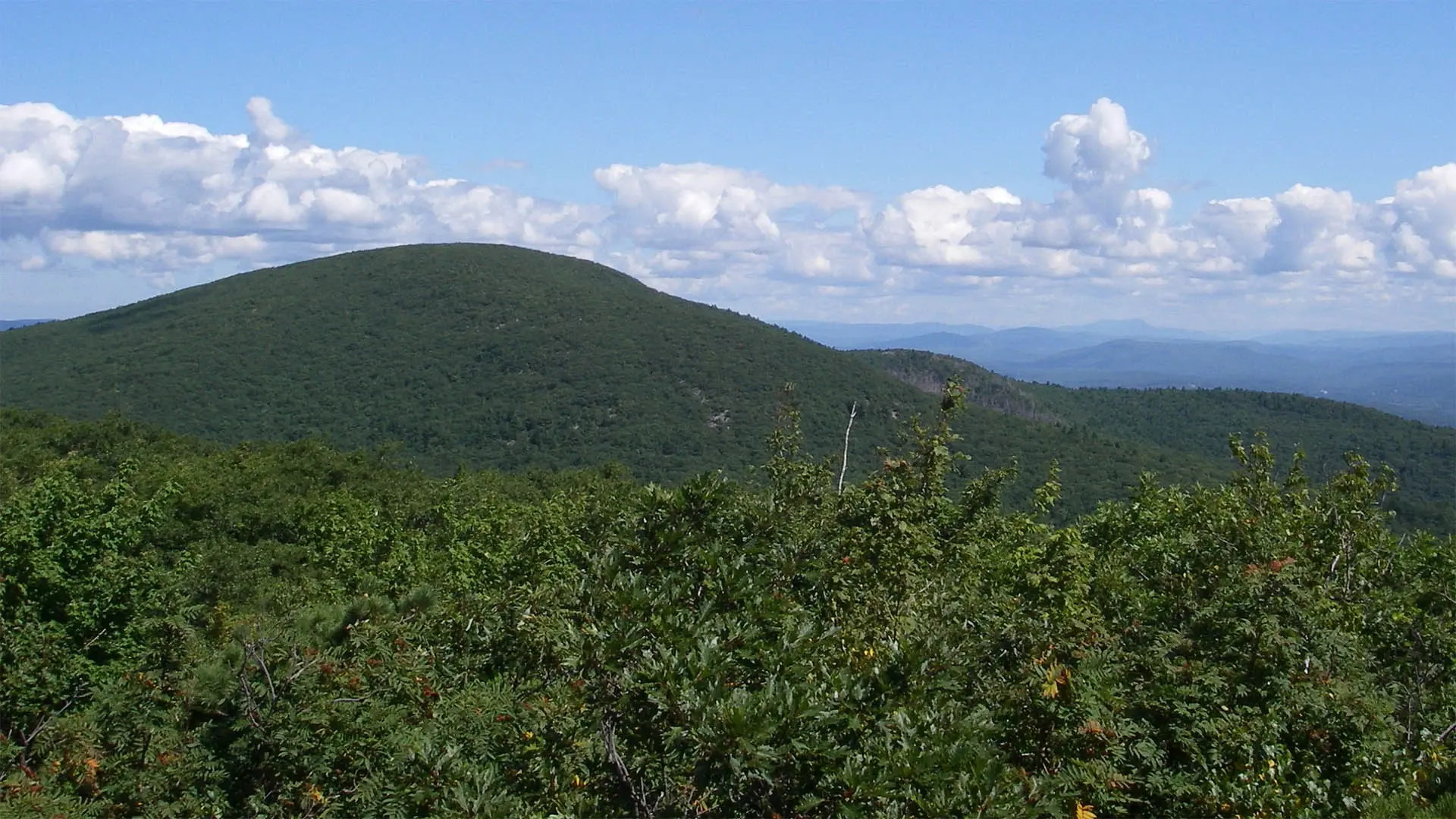
Mount Everett State Reservation protects 1,800 acres including the 2,602-foot summit of Mount Everett, the highest peak in the southern Taconic Range and one of Massachusetts' premier hiking destinations.
Wildlife Ecosystems
The varied elevations support diverse wildlife from lowland deer to alpine-adapted species. Timber rattlesnakes inhabit rocky areas. Breeding birds include species typical of northern New England.
Flora Ecosystems
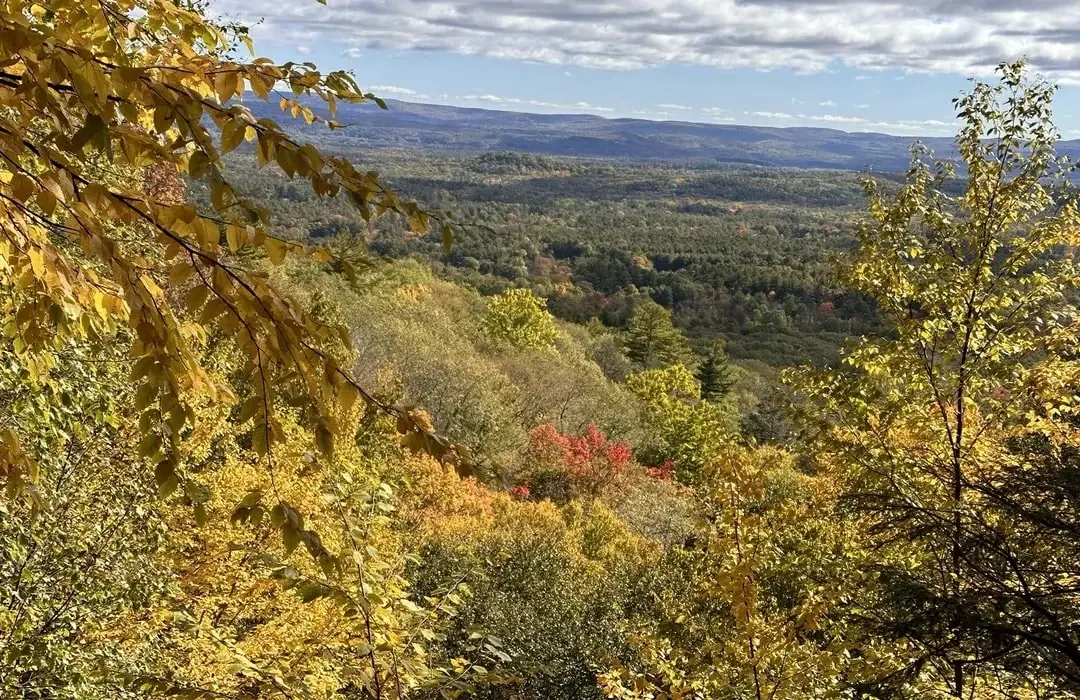
The summit supports a unique dwarf pitch pine community, stunted by harsh conditions. Northern hardwoods dominate middle elevations. The flora includes species at the southern edge of their range.
Geology
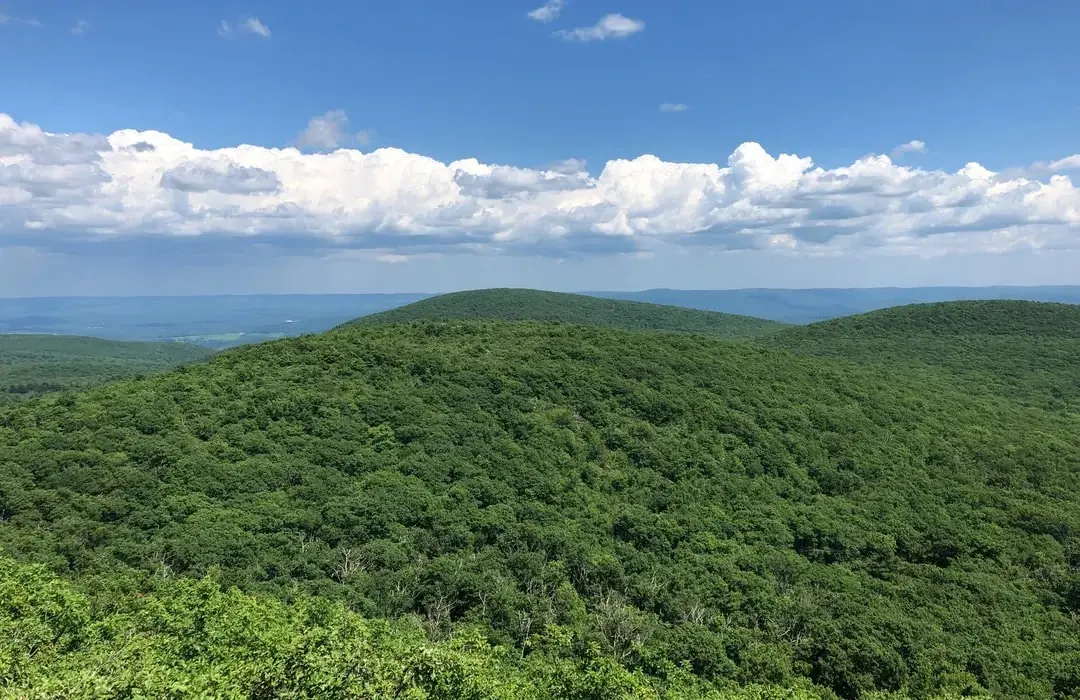
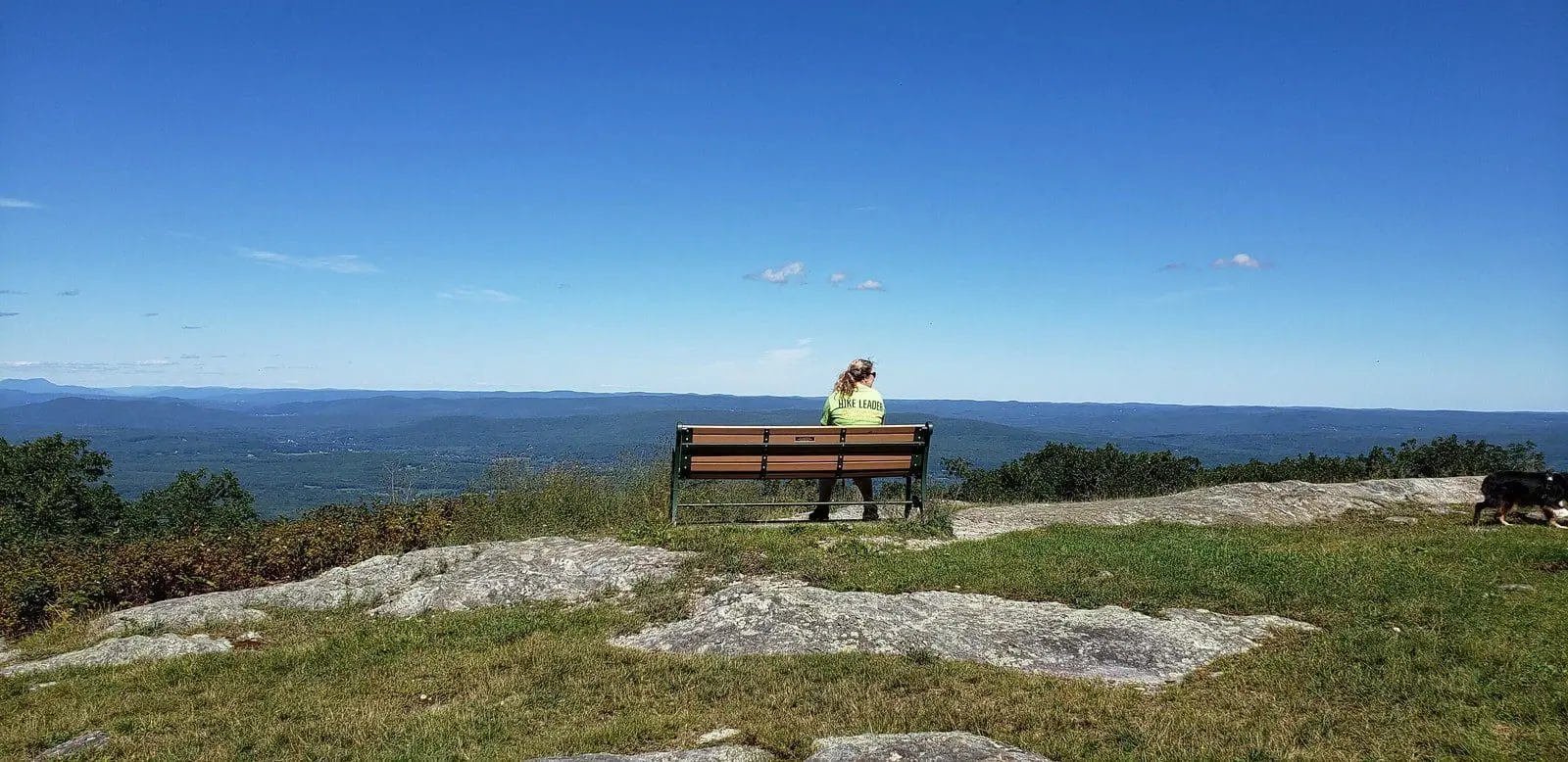
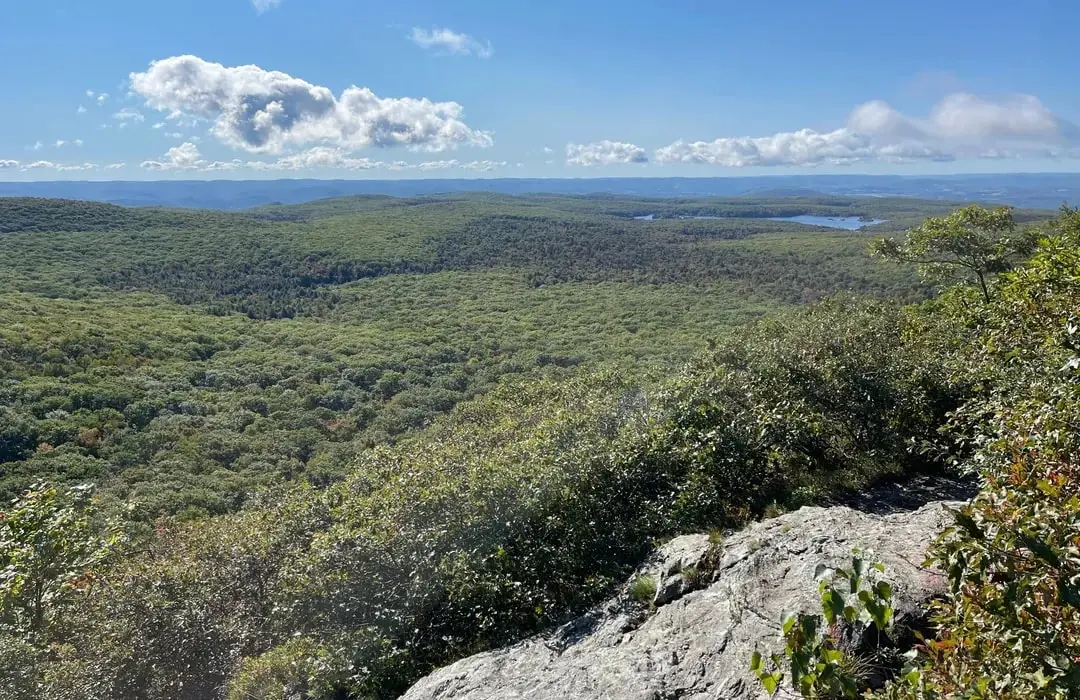
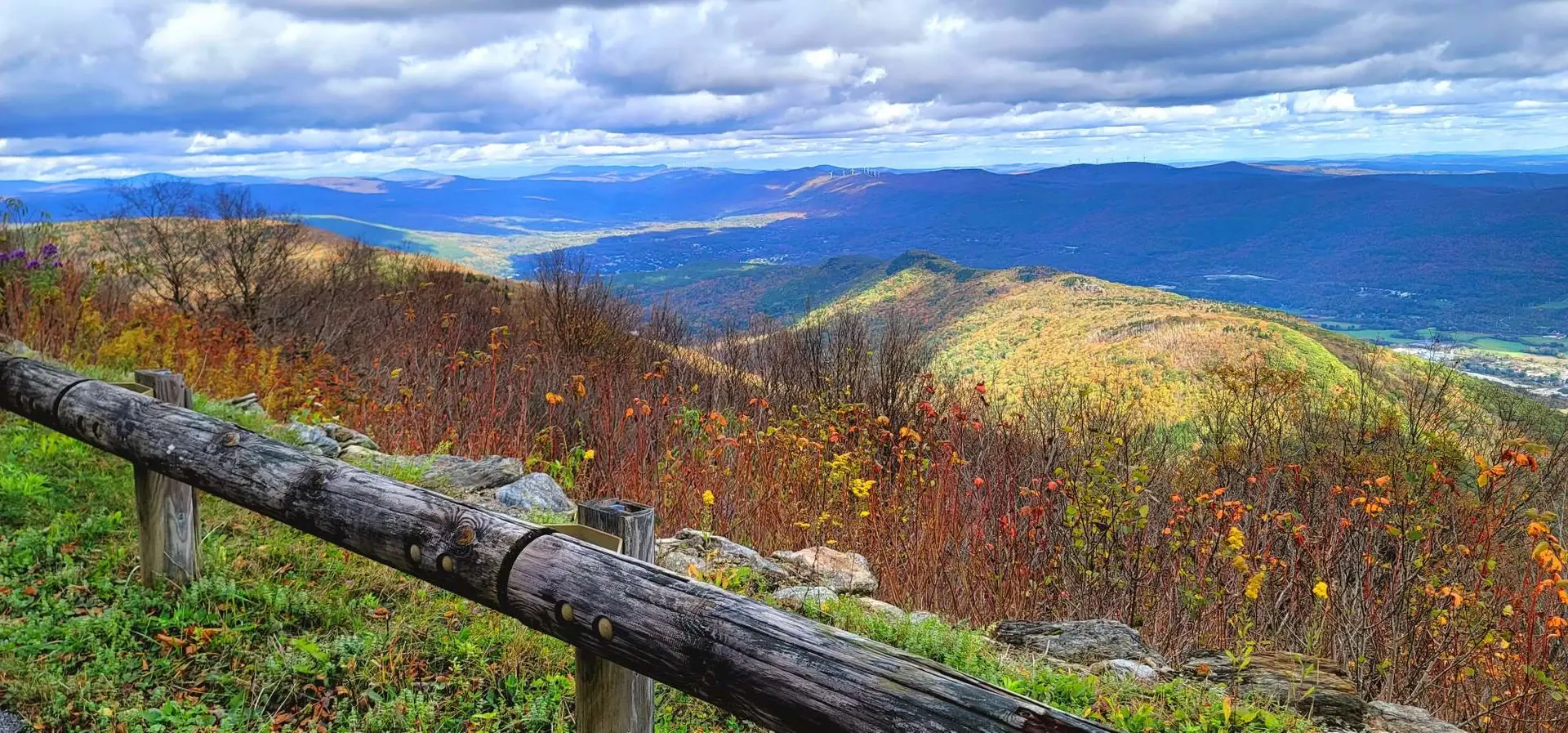
Mount Everett consists of resistant metamorphic rocks thrust westward during ancient mountain-building events. The exposed summit offers panoramic views.
Climate and Weather
The summit experiences harsh conditions with high winds, fog, and cool temperatures even in summer. Winter brings substantial snow and ice.
Human History
Indigenous peoples knew these mountains. The Appalachian Trail was routed over Mount Everett in the 1930s. The summit road provided automobile access historically.
Park History
The state acquired the reservation to protect the scenic summit and provide public access. The reservation connects to the broader Appalachian Trail corridor.
Major Trails and Attractions
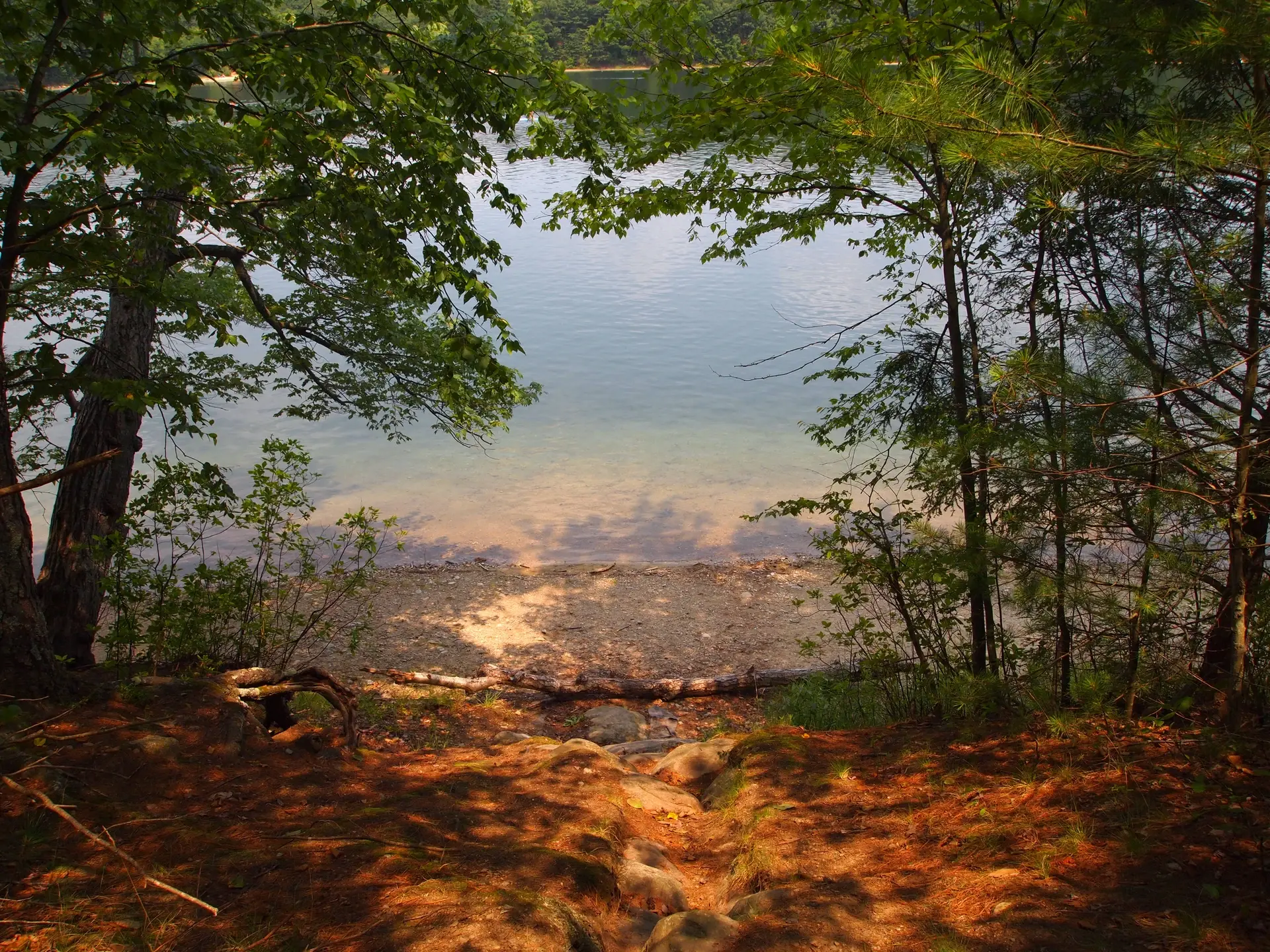
The Appalachian Trail traverses the summit. Multiple trails offer varied approaches. Guilder Pond provides a backcountry camping destination. The panoramic summit views extend across three states.
Visitor Facilities and Travel
Limited parking at trailheads. The summit road is closed to vehicles. The reservation is accessible via Route 41 in Mount Washington.
Conservation and Sustainability
Management protects the fragile summit ecosystem. Trail maintenance addresses erosion. Climate monitoring tracks changes in high-elevation habitats.
Photos
6 photos