Quincy Quarries Reservation
United States, Massachusetts
About Quincy Quarries Reservation
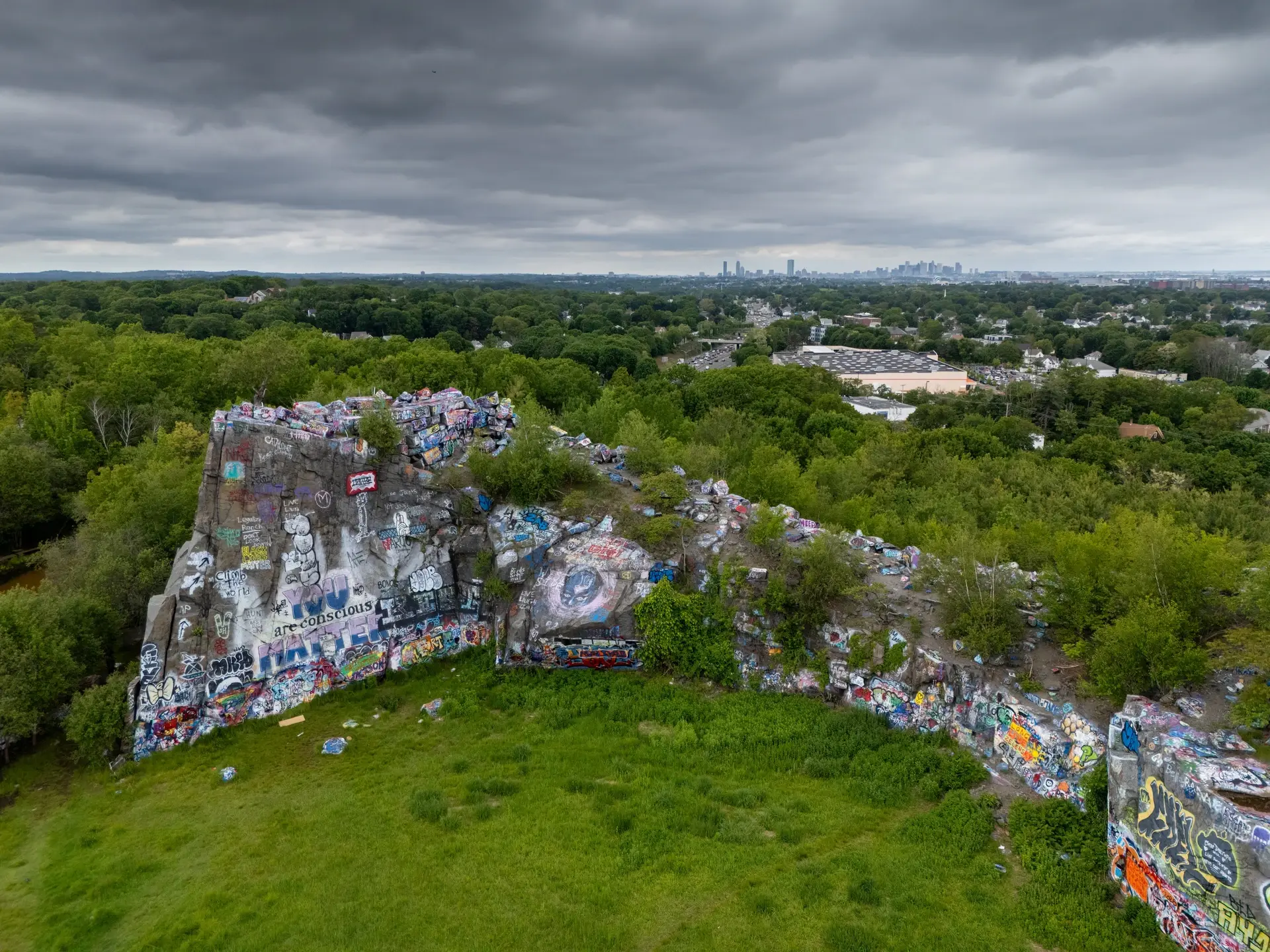
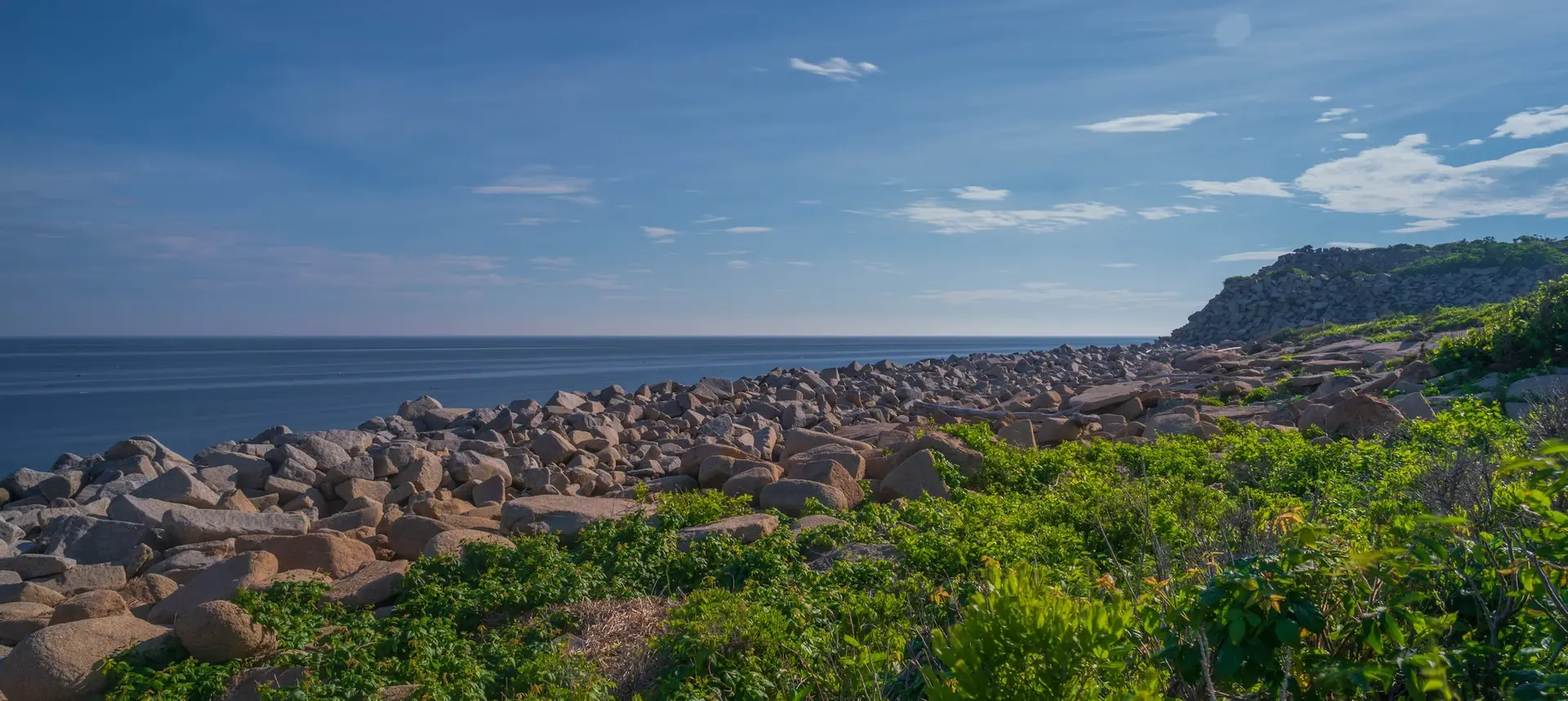
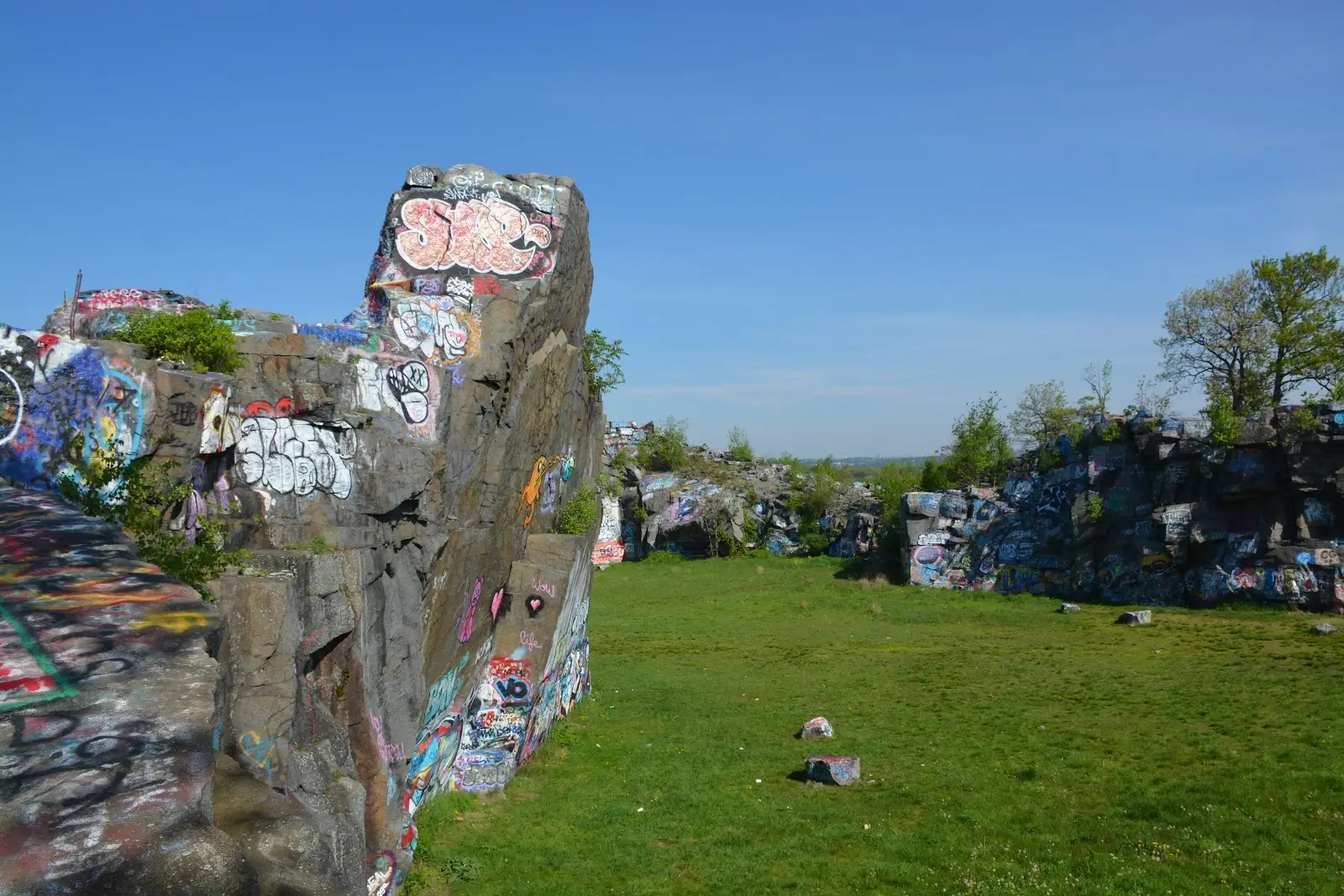
Quincy Quarries Reservation preserves historic granite quarries in Quincy that supplied building stone for Bunker Hill Monument and many historic structures.
Wildlife Ecosystems
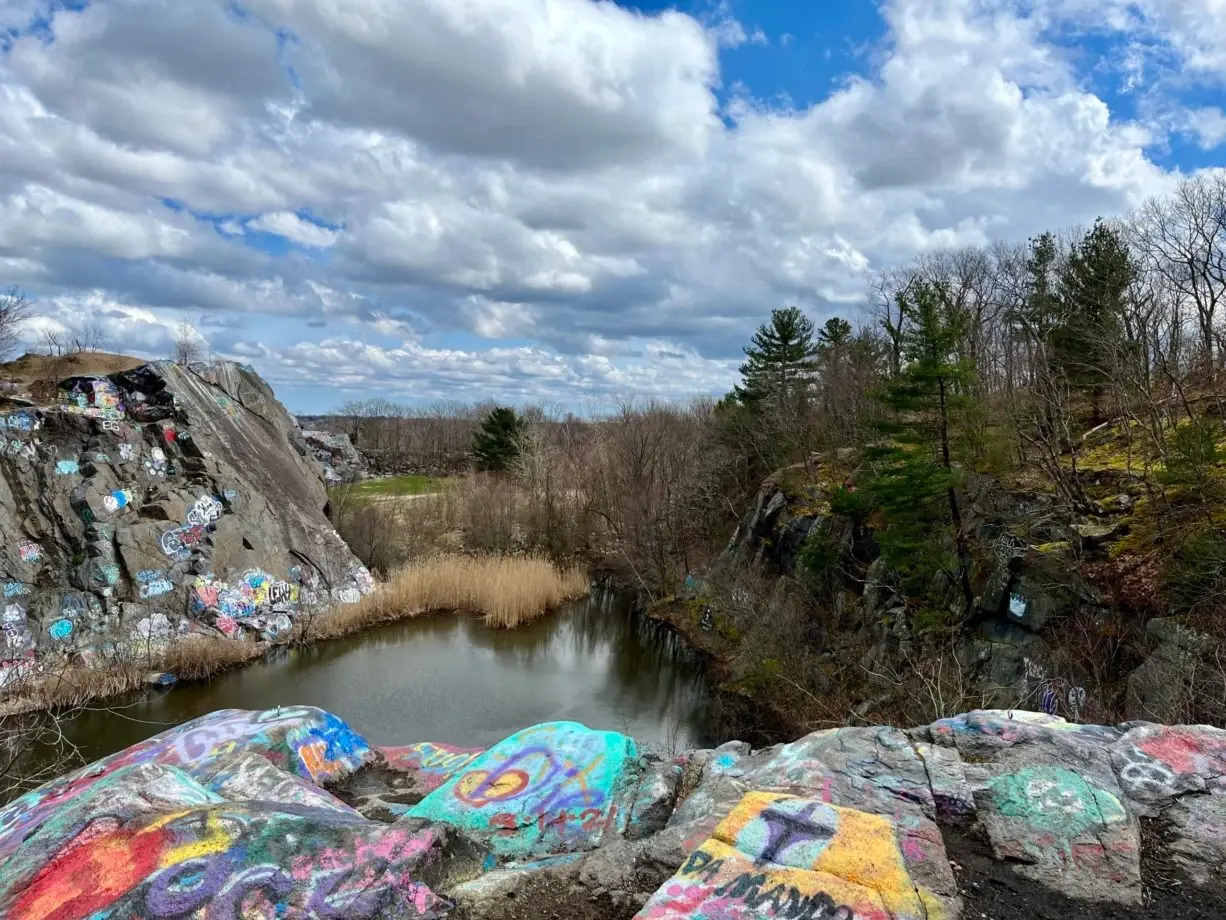
The flooded quarries support fish populations and attract various wildlife including deer and birds.
Flora Ecosystems
Successional vegetation has colonized abandoned quarry areas. The maintained parkland features landscape plantings.
Geology
The Quincy Granite quarried here formed approximately 180 million years ago. The distinctive blue-gray stone built many famous structures.
Climate and Weather
The urban location experiences heat island effects typical of the Boston metropolitan area.
Human History
Quarrying began in the 1820s to supply stone for Bunker Hill Monument. The industry pioneered railway transport in America.
Park History
The quarries closed and flooded, becoming dangerous swimming holes before state acquisition and safety improvements.
Major Trails and Attractions
Interpretation explains the quarrying history and geological significance. The reservation connects to the Blue Hills trails.
Visitor Facilities and Travel
Parking and interpretive facilities serve visitors. The reservation is accessible from Ricciuti Drive in Quincy.
Conservation and Sustainability
The park transformed dangerous abandoned quarries into safe public space while preserving industrial heritage.
Photos
2 photos