Pirogue Island
United States, Montana
About Pirogue Island
Pirogue Island State Park encompasses 217 acres on an island and adjacent floodplain of the Yellowstone River near Miles City in Custer County. The park provides river recreation and preserves cottonwood bottomland habitat along Montana's longest undammed river.
Wildlife Ecosystems
The Yellowstone River supports sauger, walleye, channel catfish, and smallmouth bass. White-tailed deer, wild turkeys, and ring-necked pheasants inhabit the cottonwood forests. Bald eagles and great blue herons frequent the river.
Flora Ecosystems
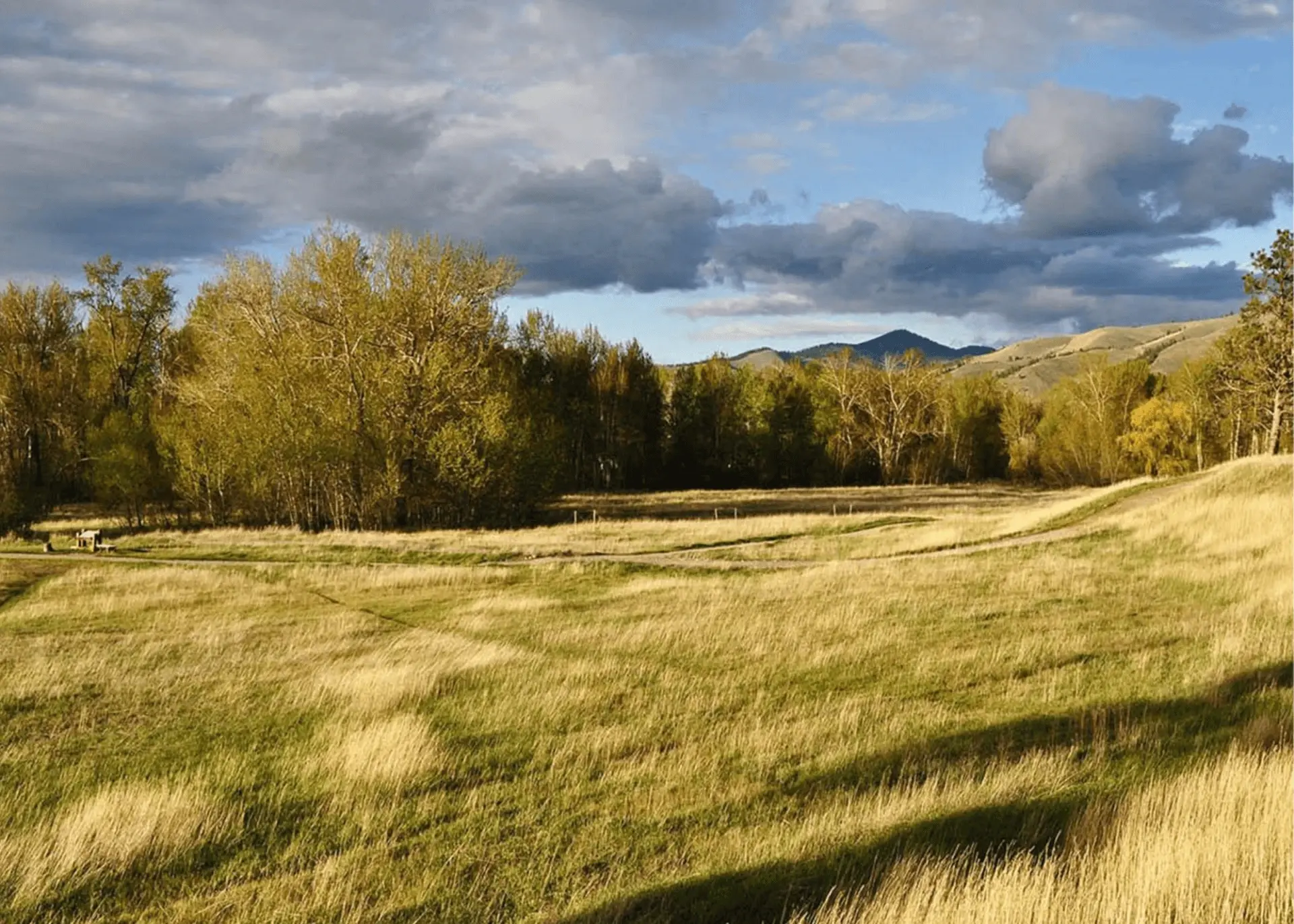
Mature cottonwood gallery forest dominates the island and floodplain. Willows, wild rose, and snowberry form the understory. The natural flood regime maintains cottonwood regeneration, making this a valuable example of intact bottomland forest.
Geology
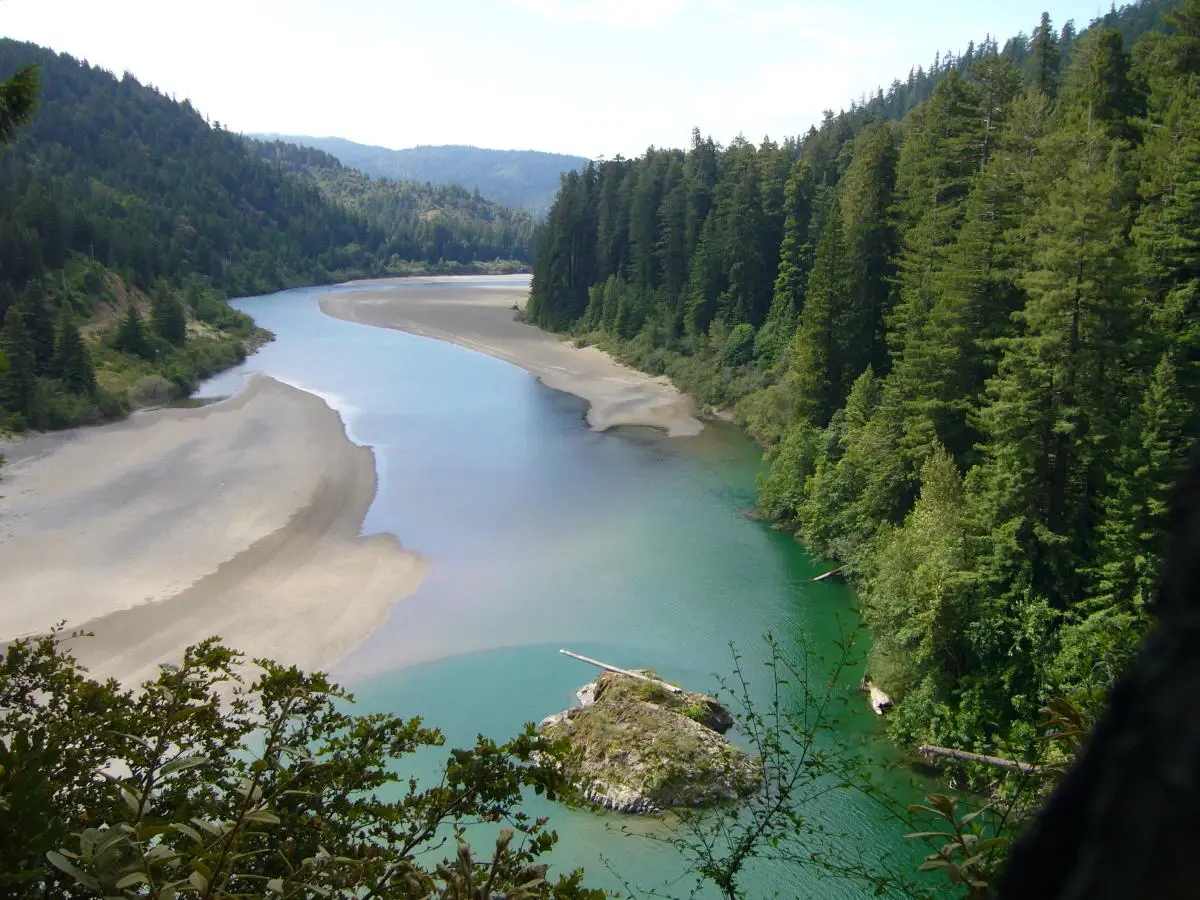
Pirogue Island is a river island formed by the Yellowstone River's natural channel migration. The Yellowstone is the longest free-flowing river in the lower 48 states, and its natural processes continue to shape the landscape.
Climate and Weather
Eastern Montana near Miles City experiences extreme temperatures with very hot summers and cold winters. Annual precipitation averages about 13 inches. The river corridor moderates temperatures slightly.
Human History
A pirogue is a type of canoe used by early explorers. The Lewis and Clark Expedition traveled the Yellowstone River in 1806. The river corridor has been important for travel and settlement.
Park History
Pirogue Island State Park was established to provide recreation along the Yellowstone River near Miles City and to protect cottonwood bottomland habitat.
Major Trails and Attractions
Fishing on the Yellowstone River is the primary draw. Nature trails explore the cottonwood forest. The natural island setting provides a sense of wildness. Birdwatching is productive in the riparian habitat.
Visitor Facilities and Travel
The park offers day-use facilities, fishing access, and trails. It is located about 3 miles east of Miles City along the Yellowstone River.
Conservation and Sustainability
The park protects increasingly rare cottonwood gallery forest along the Yellowstone. The river's free-flowing status naturally maintains the dynamic habitat. The park represents intact river ecosystem function.
Photos
No photos available yet