First Peoples Buffalo Jump
United States, Montana
About First Peoples Buffalo Jump
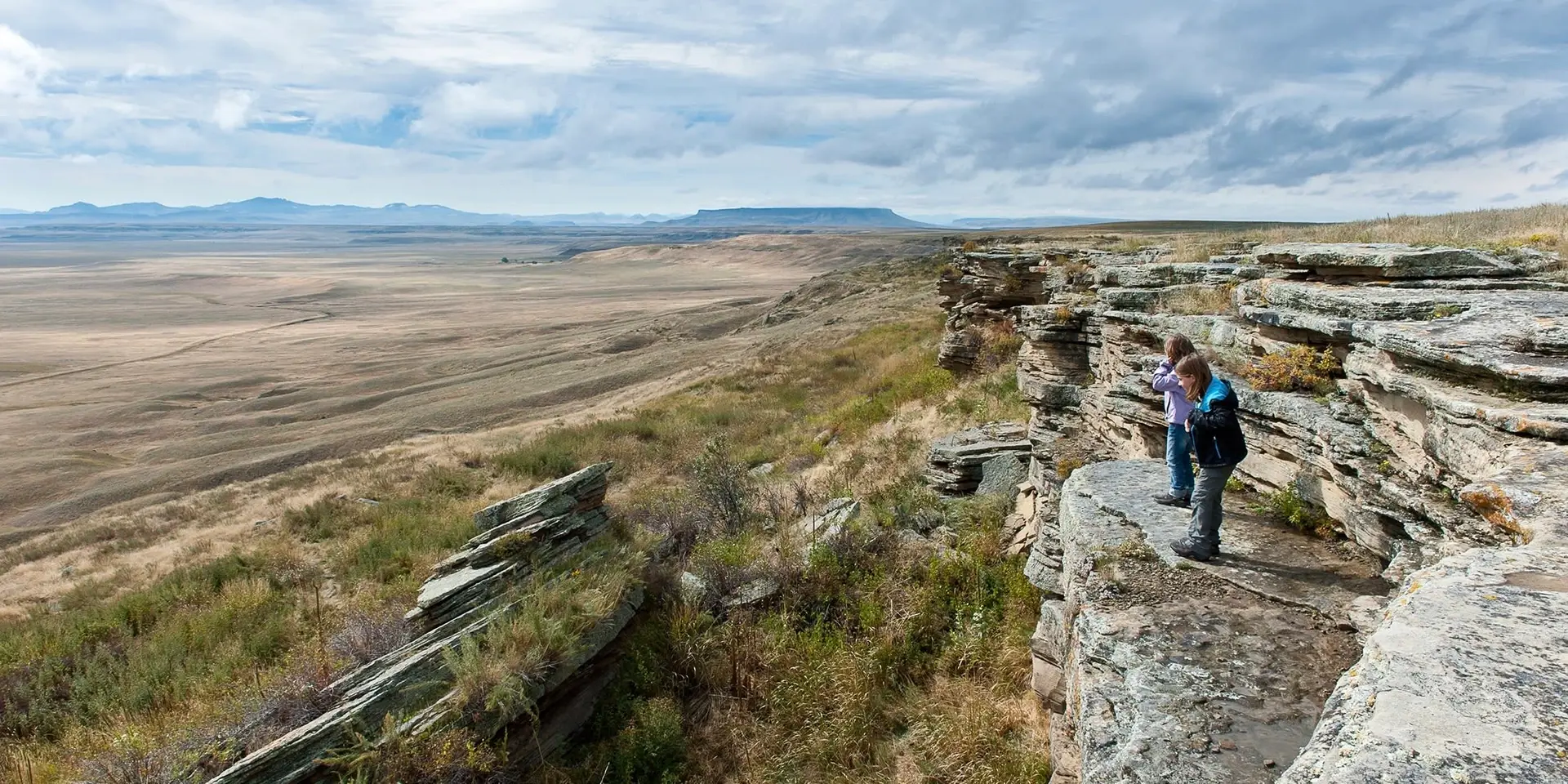
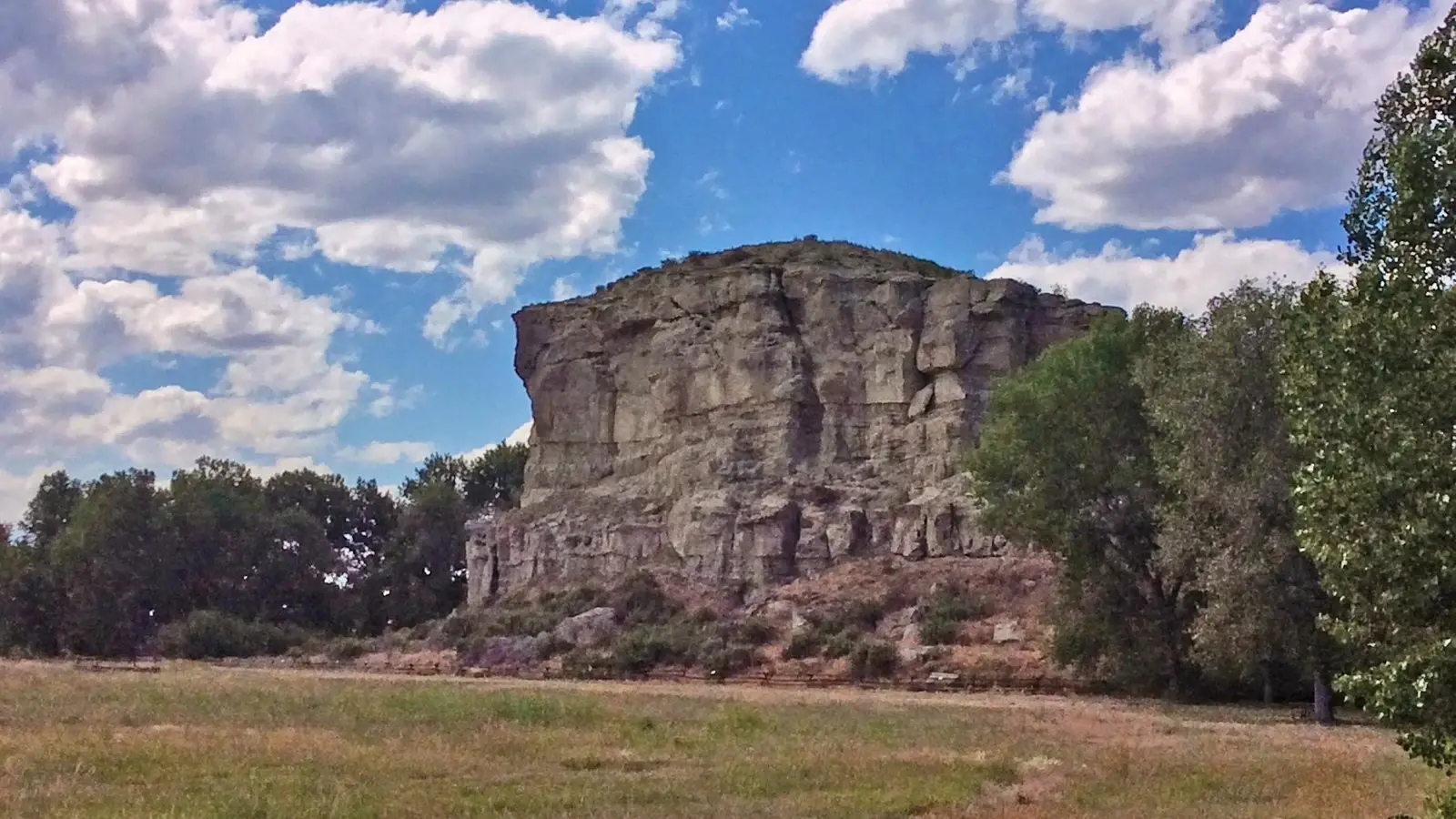
First Peoples Buffalo Jump State Park preserves one of the largest and best-preserved buffalo jump sites in North America, a mile-long sandstone cliff in Cascade County near Great Falls. For over a thousand years, Native peoples drove bison over this cliff in communal hunts.
Wildlife Ecosystems
The prairie surrounding the jump supports pronghorn, mule deer, and coyotes. Prairie dogs maintain colonies nearby. Raptors including golden eagles and ferruginous hawks hunt the grasslands, and meadowlarks fill the air with song.
Flora Ecosystems
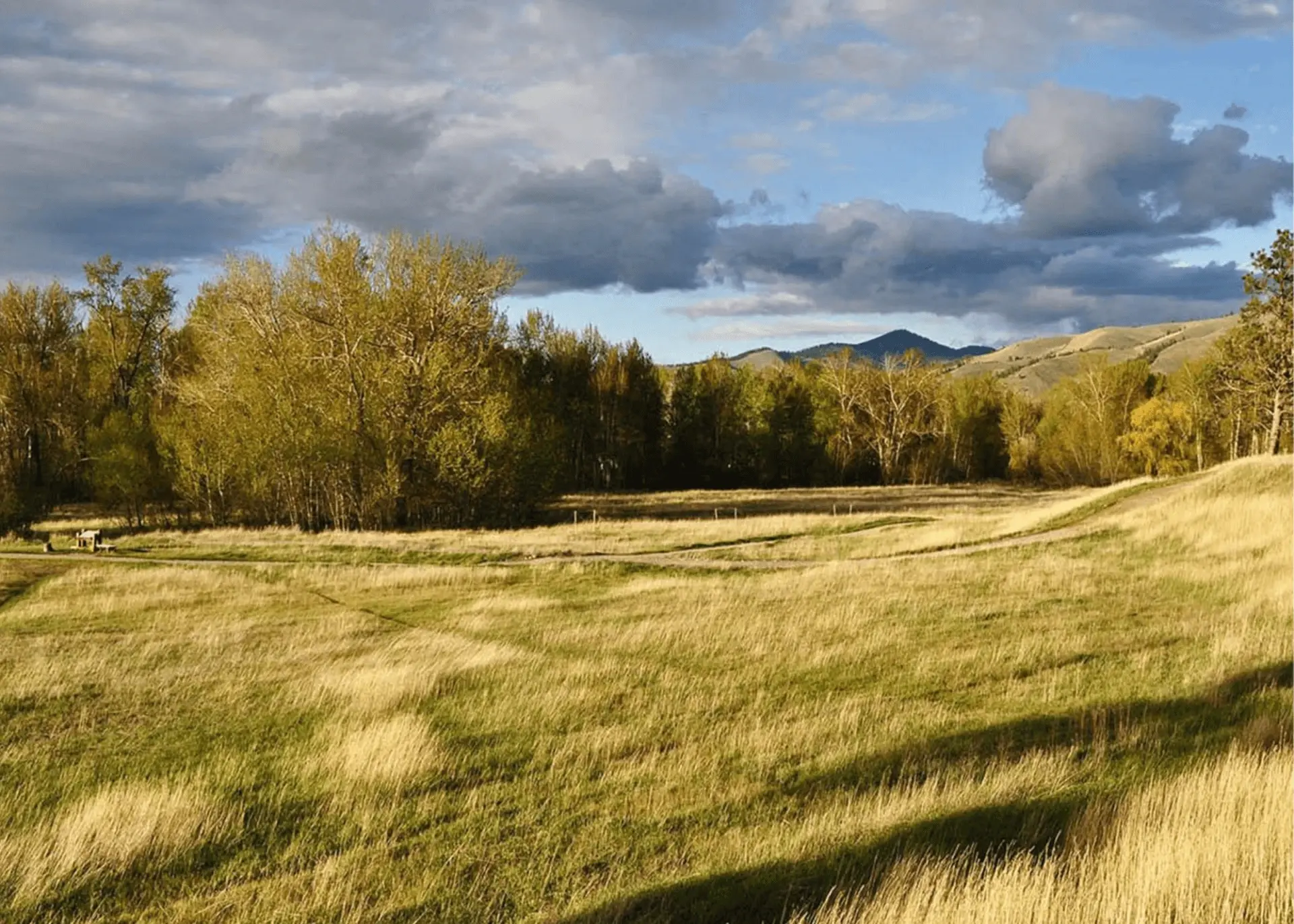
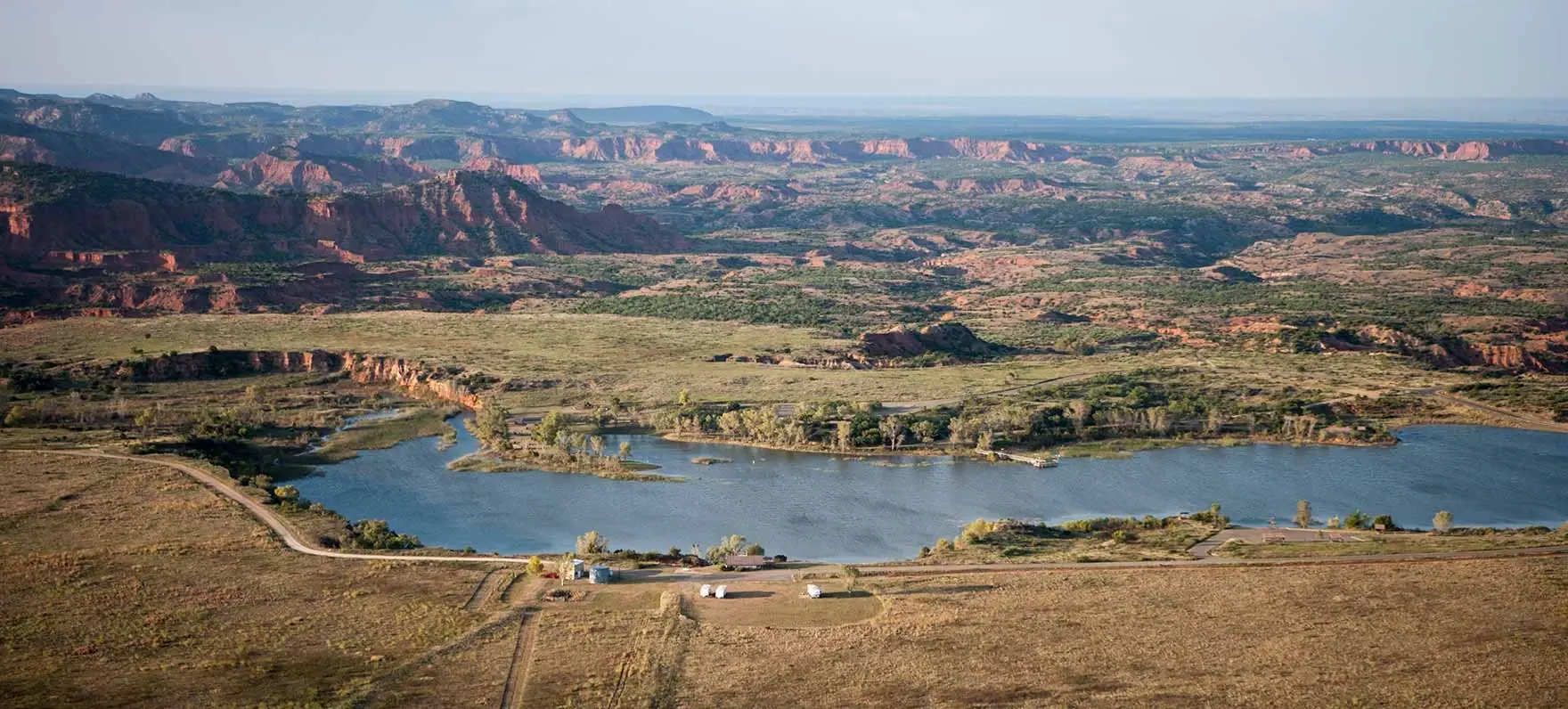
Native mixed-grass prairie covers the rolling terrain above and below the cliff. Species include western wheatgrass, blue grama, and needle-and-thread grass. Sagebrush and rabbitbrush grow on drier slopes. The prairie is relatively intact compared to surrounding agricultural land.
Geology
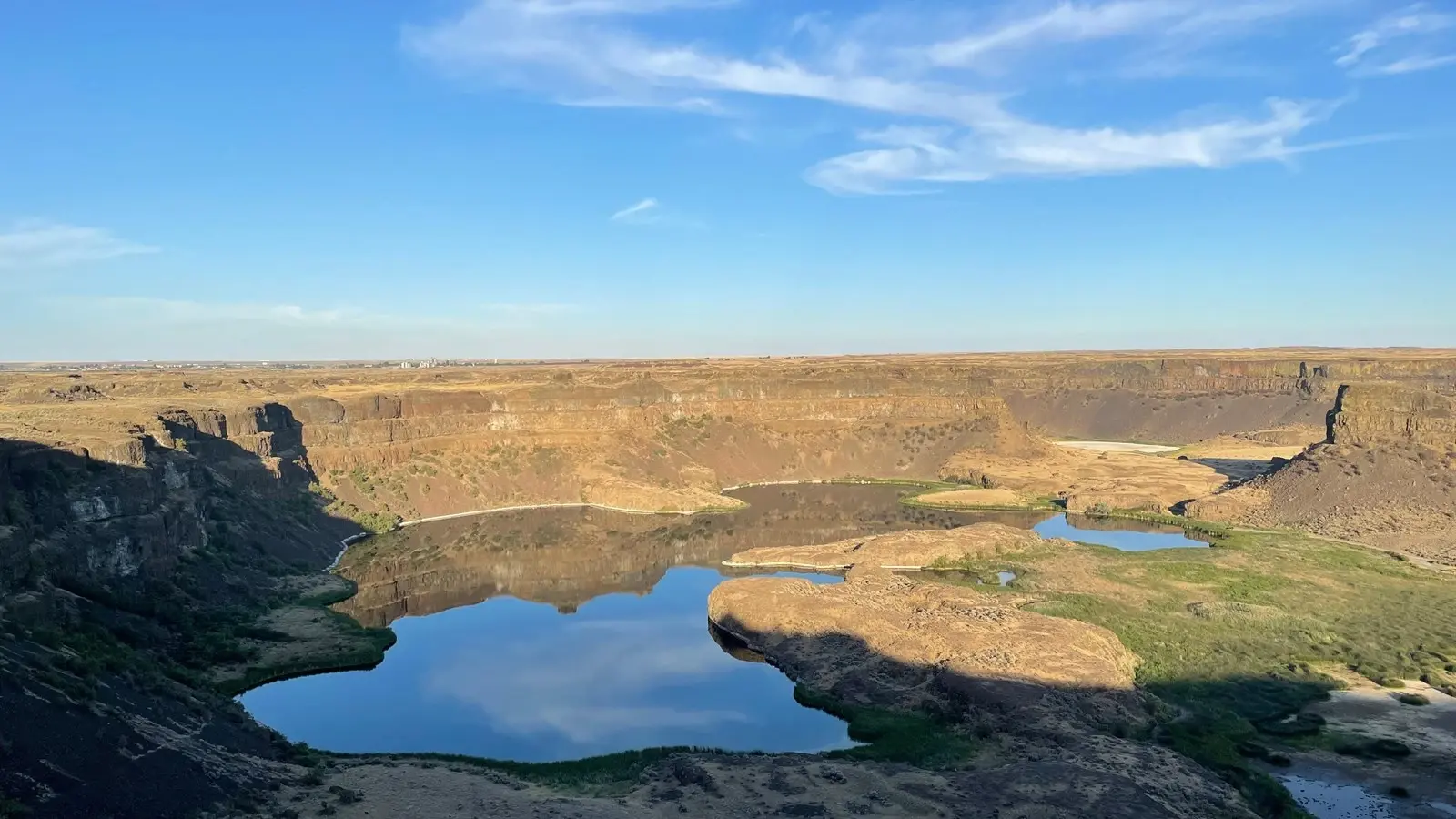
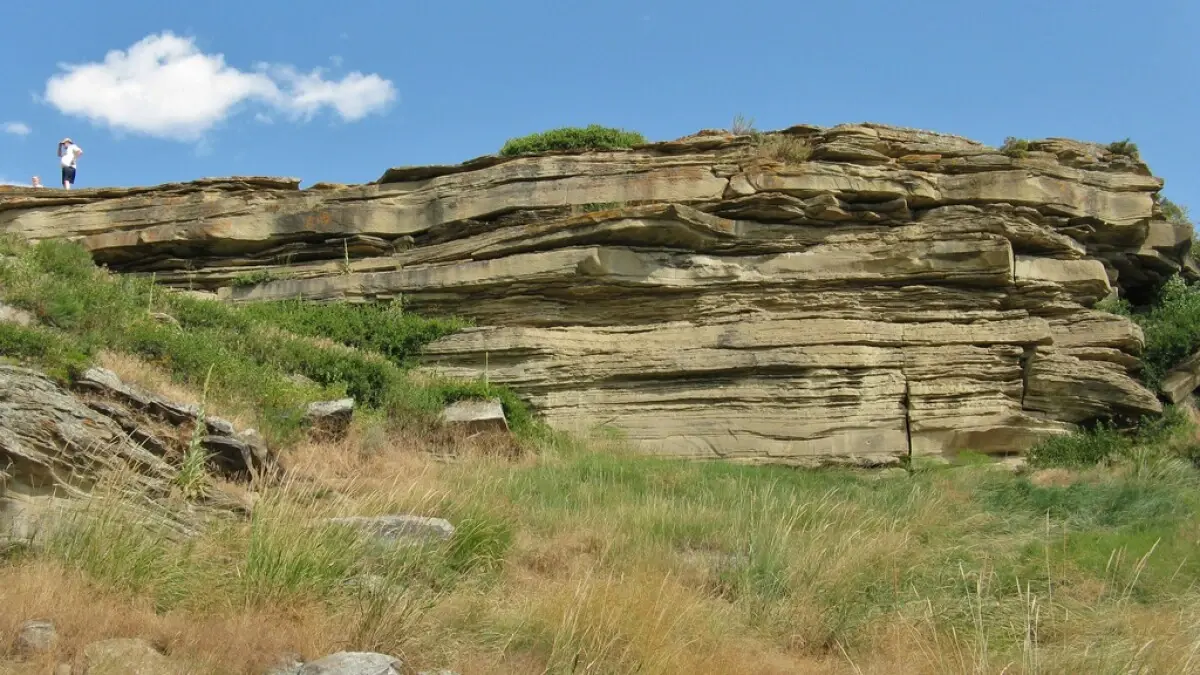
The buffalo jump is a sandstone cliff extending over a mile along its length, with drops of up to 50 feet. The Kootenai Formation sandstone was deposited in the Cretaceous period. Below the cliff, bone deposits up to 13 feet deep attest to centuries of use.
Climate and Weather
North-central Montana near Great Falls experiences cold, windy winters and warm summers. Annual precipitation averages about 15 inches. Chinook winds can produce dramatic winter warming events.
Human History
Native peoples used this pishkun (buffalo jump) for at least 1,000 years before European contact. Drive lines extending miles onto the prairie funneled bison toward the cliff edge. The site represents sophisticated communal hunting strategy.
Park History
Originally known as Ulm Pishkun, the site was renamed First Peoples Buffalo Jump in 2013 to better reflect its Native American heritage. The park includes an education center interpreting the jump's cultural significance.
Major Trails and Attractions
The education center provides exhibits on buffalo jump culture and Plains Indian life. Trails lead along the cliff base where bone deposits are visible. The mile-long cliff is impressive in scale. Prairie dog towns are viewable nearby.
Visitor Facilities and Travel
The park features an education center, interpretive trails, and picnic areas. It is located about 10 miles south of Great Falls via Interstate 15 and Ulm-Vaughn Road.
Conservation and Sustainability
Archaeological preservation protects the deep bone deposits and associated artifacts. The park interprets indigenous hunting practices and their deep connection to bison ecology.
Photos
1 photo