Mount Sugarloaf
United States, Massachusetts
About Mount Sugarloaf
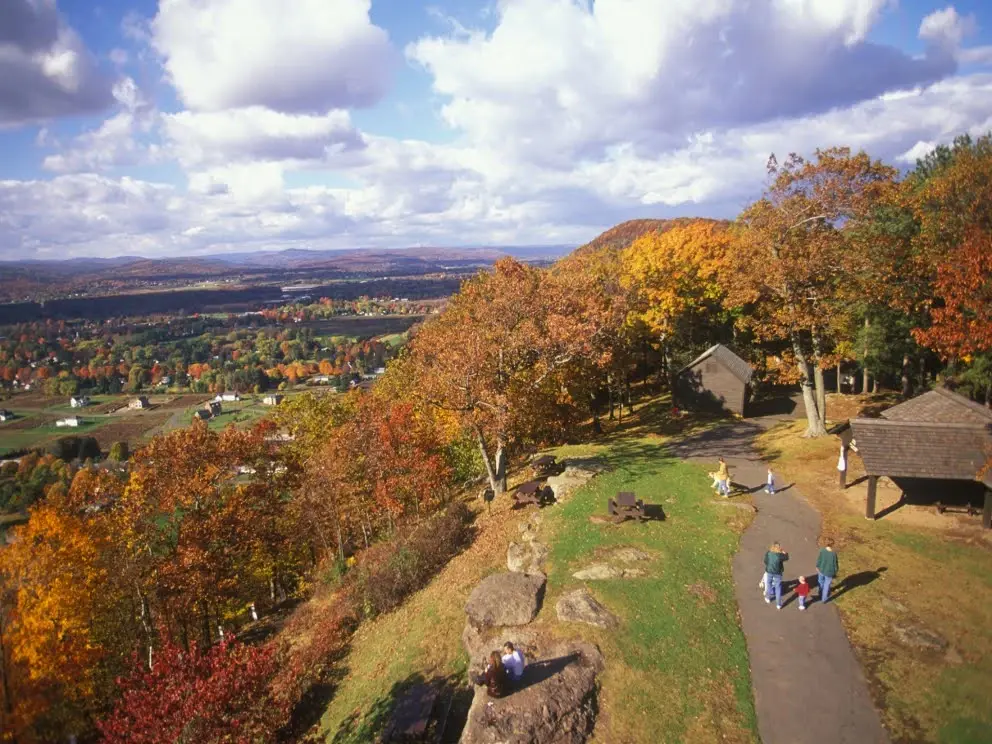
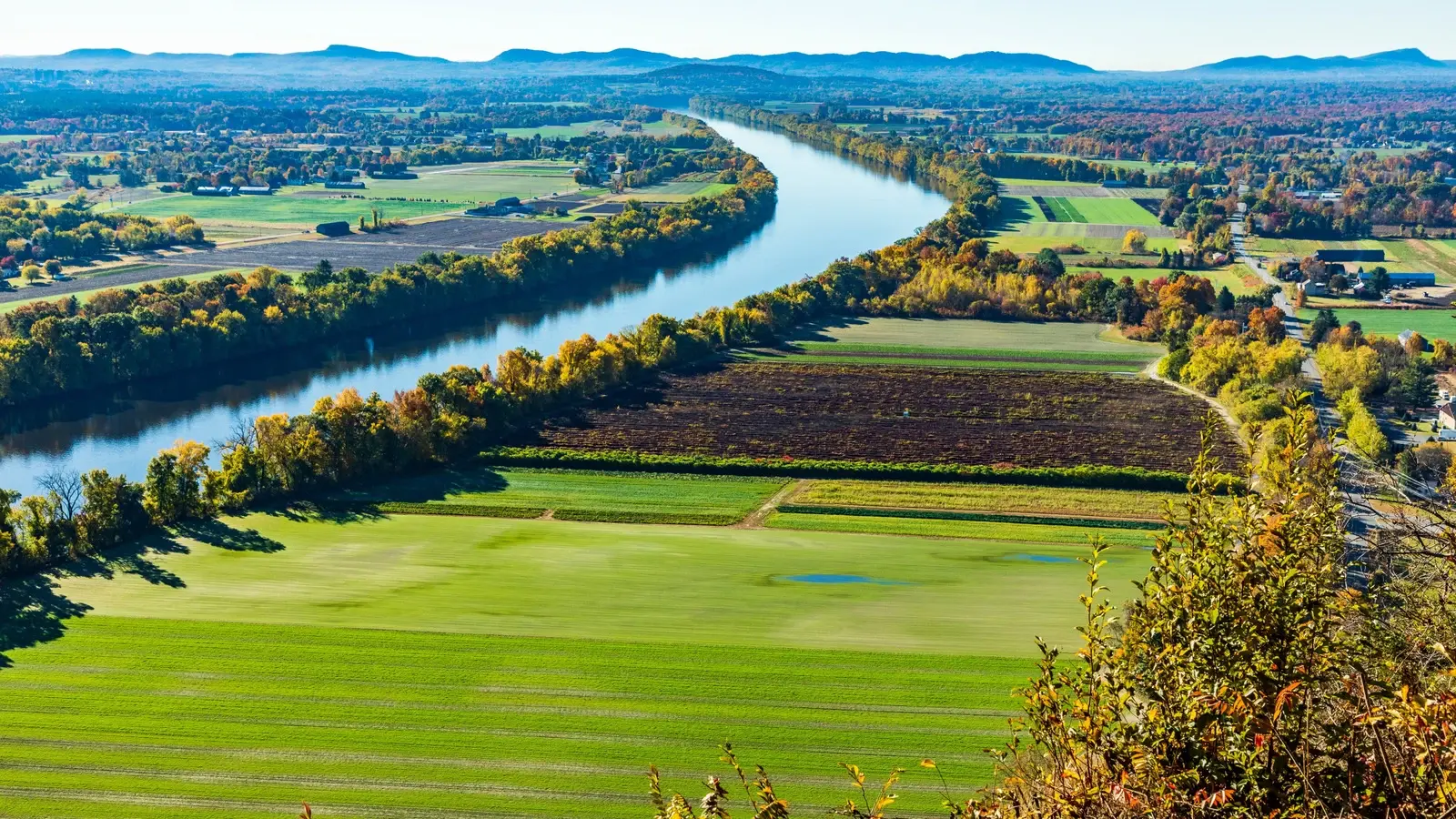
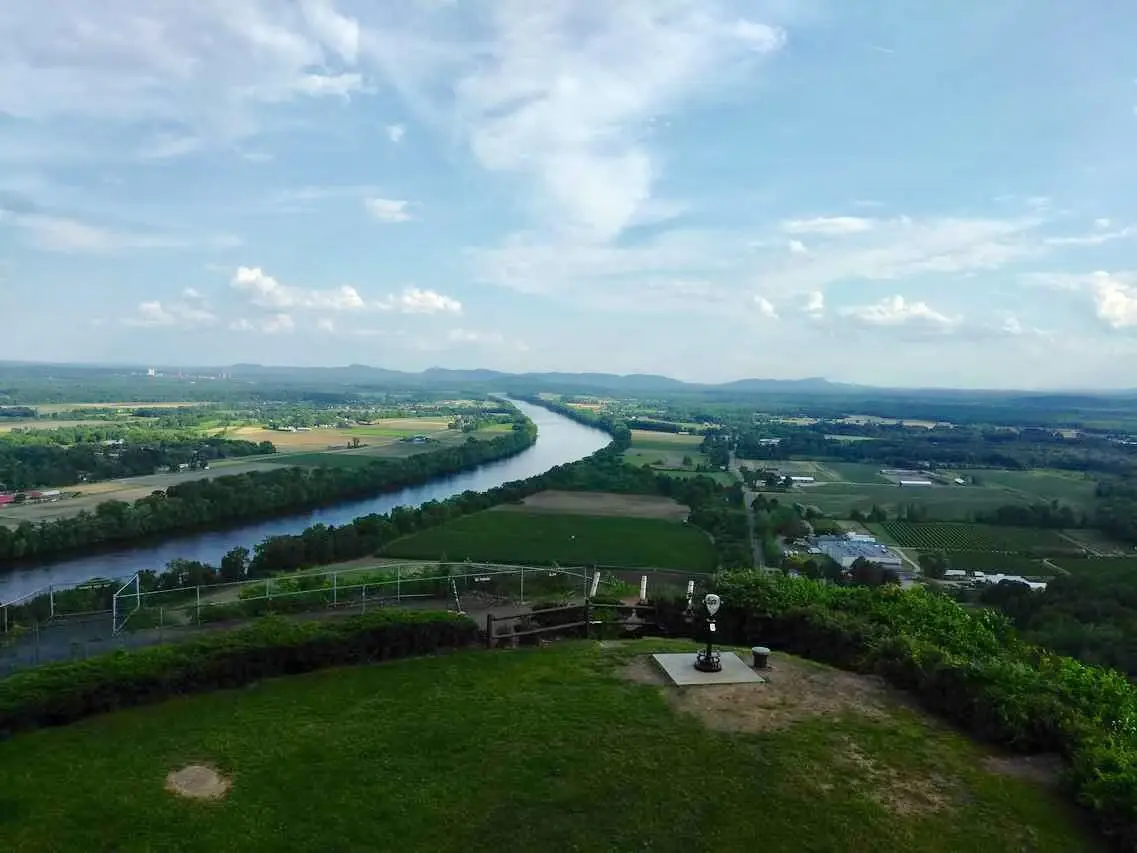
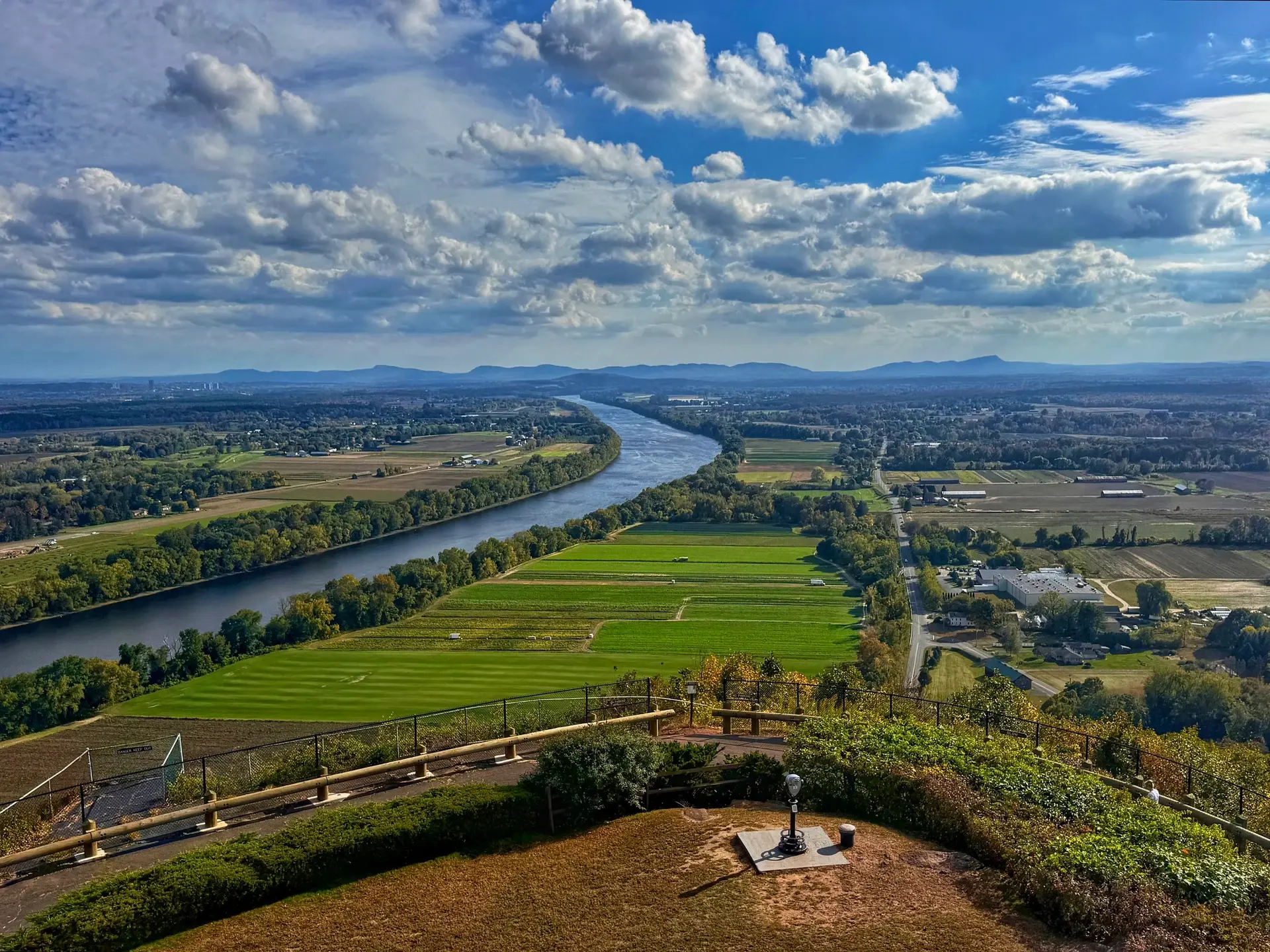
Mount Sugarloaf State Reservation protects 532 acres including the distinctive 652-foot summit overlooking the Connecticut River in Deerfield, offering exceptional views and easy summit access.
Wildlife Ecosystems
The forested reservation supports typical Connecticut Valley wildlife including deer, turkeys, and various woodland birds.
Flora Ecosystems
Oak-hickory forest covers the mountain, with exposed rock communities on the summit. The relatively low elevation supports southern species.
Geology
Mount Sugarloaf is an erosion remnant of resistant arkose sandstone, standing above the soft sediments of the Connecticut Valley. The distinctive shape gives the mountain its name.
Climate and Weather
The Connecticut Valley location produces warm summers and moderate winters. The summit is windier and cooler than the valley floor.
Human History
Indigenous peoples utilized this prominent landmark. The mountain has attracted visitors for scenic views since the early 19th century.
Park History
The state reservation protects the scenic summit and provides public access. The summit road allows vehicle access to the observation area.
Major Trails and Attractions
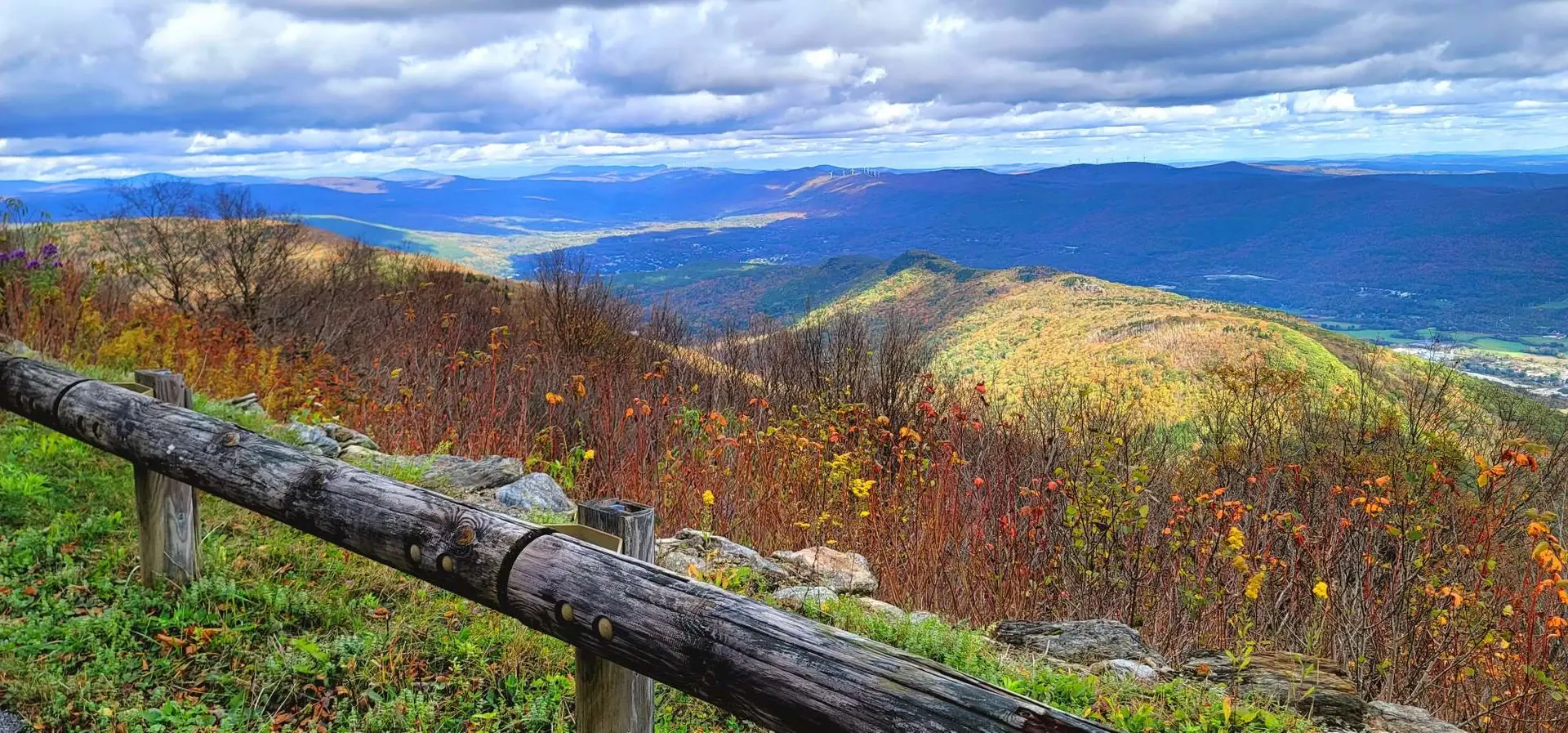
The summit observation area provides exceptional Connecticut Valley views. Trails climb the mountain for those preferring to hike. The Pocumtuck Ridge Trail continues south.
Visitor Facilities and Travel
The summit road provides seasonal access. Parking and restrooms serve visitors. The reservation is accessible from Route 116 in South Deerfield.
Conservation and Sustainability
Management protects scenic resources while providing recreation access. The reservation preserves a prominent landmark visible throughout the valley.
Photos
3 photos