Thom's Place
United States, Alaska
About Thom's Place
Thom's Place State Marine Park protects a scenic location in Southeast Alaska named for an individual connected to the site's history. The marine park provides anchorage and shore access in the protected waters of the Inside Passage. The personal name recalls the human connections that characterize many Alaska places.
Wildlife Ecosystems
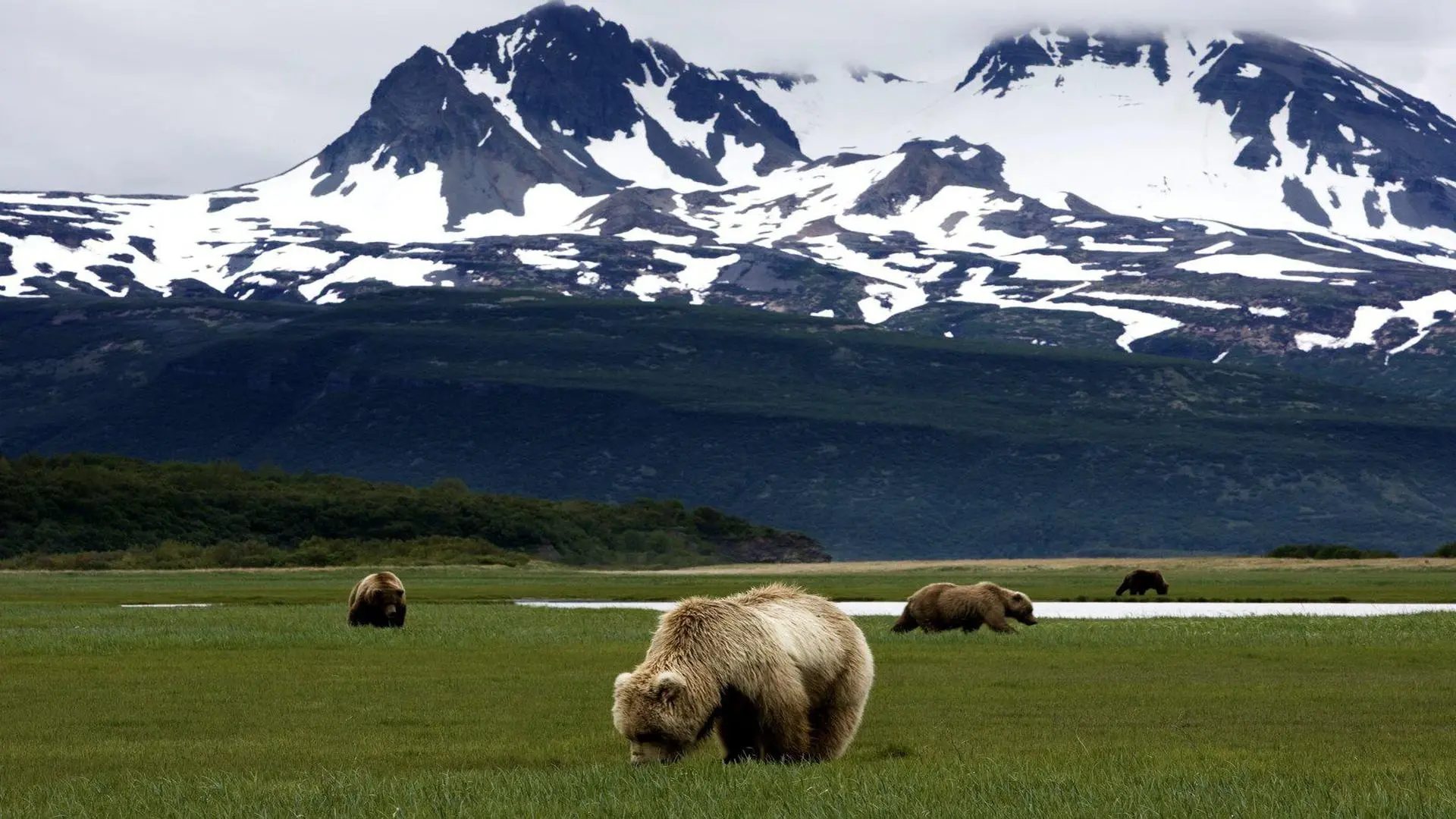
The area supports typical Southeast Alaska wildlife including black bears, Sitka black-tailed deer, and various smaller mammals. Harbor seals and sea otters frequent surrounding waters. Eagles are abundant, and salmon pass through during migrations.
Flora Ecosystems
Temperate rainforest covers the surrounding terrain, with Sitka spruce and western hemlock dominating. The understory features devil's club, salmonberry, and ferns. Intertidal zones display marine life revealed at low tide.
Geology
The site displays the metamorphic and volcanic rocks typical of the Alexander Archipelago. Glacial erosion shaped the landscape during the ice ages. Ongoing coastal processes continue to modify shorelines.
Climate and Weather
Maritime climate brings mild temperatures and abundant precipitation. Rain is possible any day, with annual totals often exceeding 100 inches. Fog and clouds are common throughout the year.
Human History
The site's name commemorates a specific individual, though the details of the naming may be local knowledge. Such personal place names are common in Alaska, recording historical connections to the land.
Park History
Thom's Place State Marine Park was established to preserve public access to this named location. The park maintains the human connection implied by the place name while protecting natural values.
Major Trails and Attractions
Anchorage and shore exploration are primary activities. The personal place name invites curiosity about local history. Wildlife viewing includes marine mammals and eagles. The park offers typical Southeast Alaska marine experiences.
Visitor Facilities and Travel
The marine park provides anchorage and primitive shore access. No developed facilities exist; visitors must be self-sufficient. Access is by boat from nearby Southeast Alaska communities.
Conservation and Sustainability
The marine park protects coastal environments while preserving the place name that connects people to location. Leave-no-trace practices help maintain natural values.
Photos
No photos available yet