Shoup Bay
United States, Alaska
About Shoup Bay
Shoup Bay State Marine Park protects a scenic bay near Valdez in Prince William Sound, including access to the spectacular Shoup Glacier. The 4,800-acre marine park encompasses dramatic glacial scenery accessible by a relatively short boat ride from Valdez. The bay offers some of the most spectacular glacier viewing in Prince William Sound.
Wildlife Ecosystems
The bay supports wildlife including harbor seals that often haul out on icebergs calved from Shoup Glacier. Sea otters raft in the protected waters. Black bears forage along shorelines, and mountain goats may be visible on steep slopes. Eagles are abundant.
Flora Ecosystems
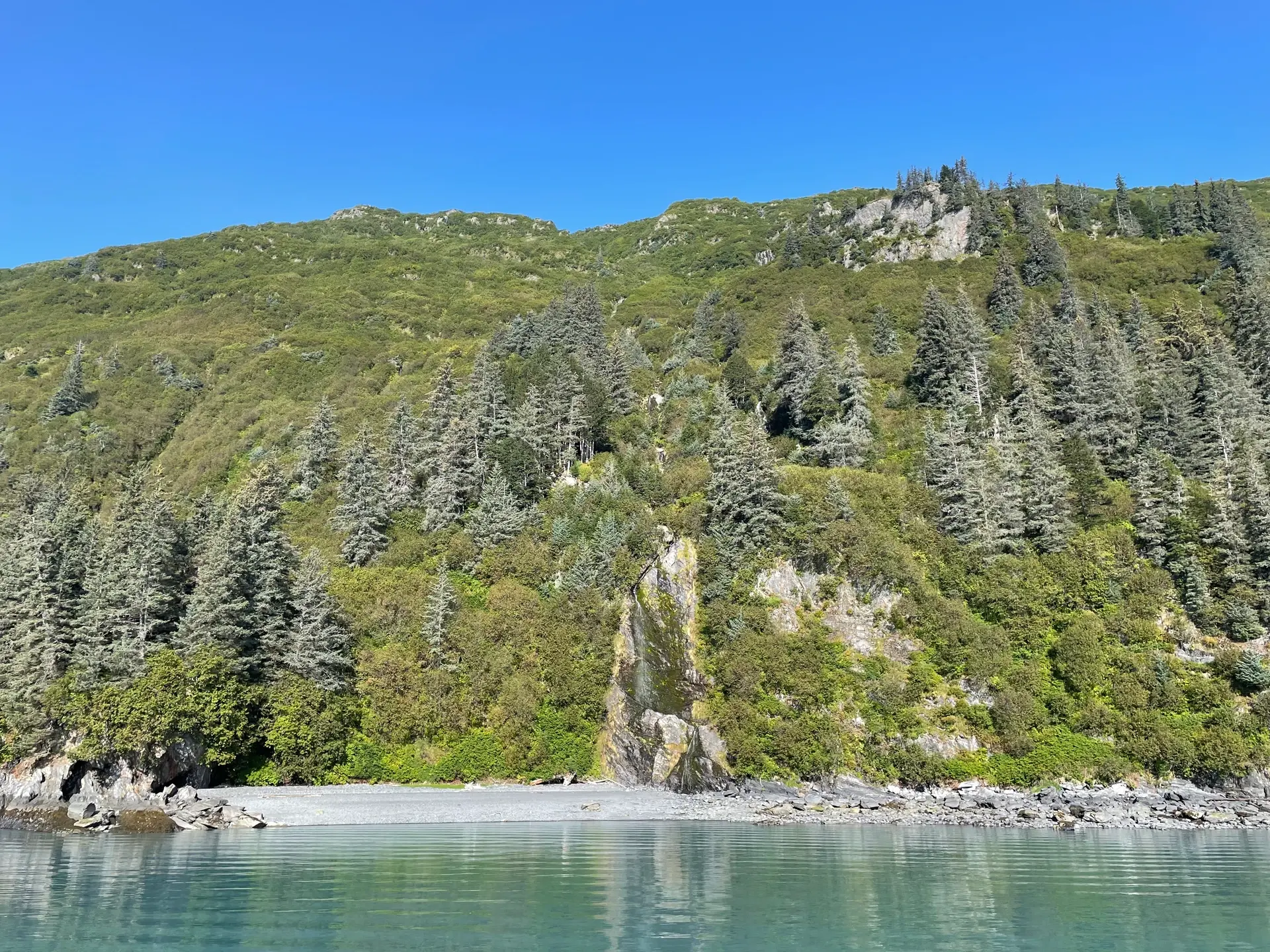
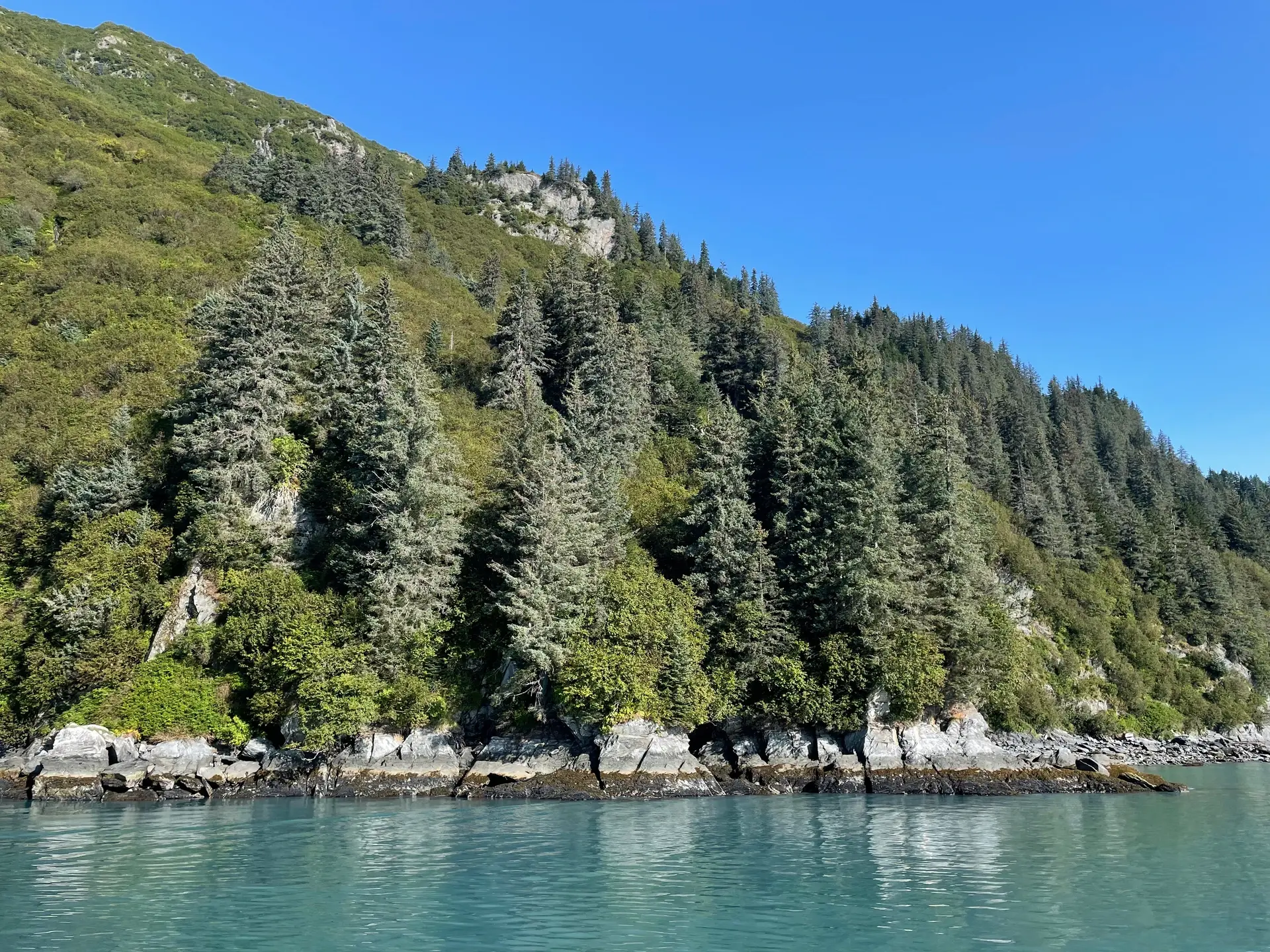
Vegetation shows succession from recently deglaciated terrain near the glacier to mature forest farther from the ice. Alder and willow colonize new ground while spruce and hemlock dominate older surfaces. The gradient demonstrates ecological succession.
Geology
Shoup Glacier is an active tidewater glacier that calves icebergs into the bay. The glacier has retreated significantly in recent decades, exposing new terrain. The bay displays classic glacial features including moraines, striated bedrock, and glacial sediments.
Climate and Weather
The glacier creates cool local conditions, with cold air drainage from the ice affecting the bay. Fog often forms where cold glacial air meets warmer water. Summer offers the most favorable viewing conditions.
Human History
Chugach peoples knew the glaciers of Prince William Sound. The bay and glacier are named for James Shoup, a U.S. Marshal in Alaska during the territorial period. The area has become important for glacier tourism.
Park History
Shoup Bay State Marine Park was established to protect and provide access to this spectacular glacial environment. The park offers accessible glacier viewing within day trip range of Valdez.
Major Trails and Attractions
Glacier viewing is the primary attraction, with Shoup Glacier providing accessible tidewater glacier experiences. Iceberg viewing brings opportunities to observe seals on floating ice. The bay demonstrates glacial processes in action. A hiking trail extends into the bay.
Visitor Facilities and Travel
The marine park includes a trail accessible from the water. Anchorage is available in the bay. Access is by boat from Valdez, approximately 4-6 miles. Charter boats and water taxis operate from Valdez.
Conservation and Sustainability
The marine park protects dynamic glacial environments. Caution is required near the glacier face due to calving waves. The park provides education about glacial processes and climate change.
Photos
2 photos