Sawmill Bay
United States, Alaska
About Sawmill Bay
Sawmill Bay State Marine Park protects a bay in Prince William Sound whose name recalls the region's logging history. The 5,300-acre marine park encompasses significant shoreline and uplands now recovering their wild character. The bay provides protected anchorage and access to regenerating forest and marine environments.
Wildlife Ecosystems
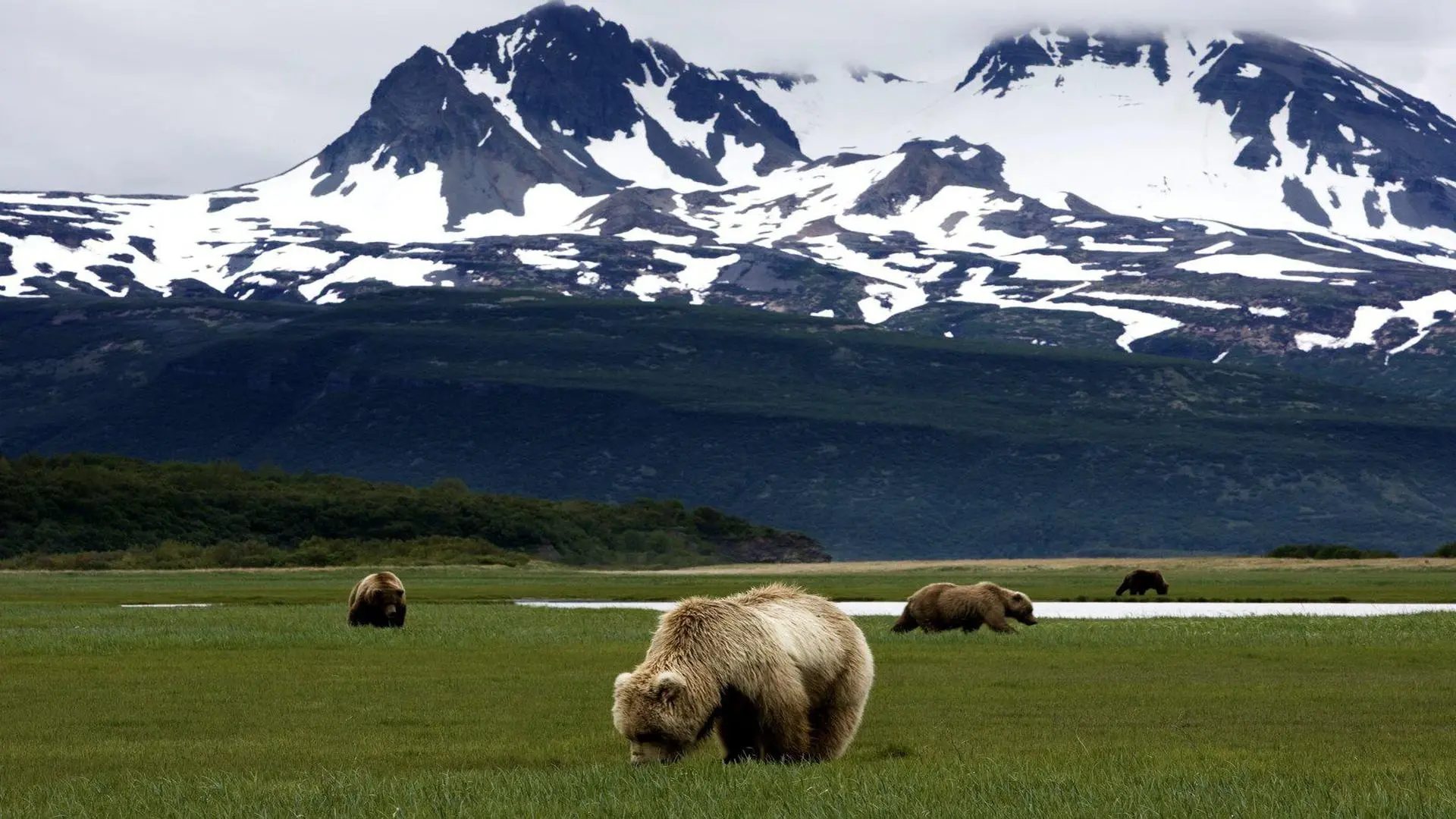
The bay supports typical Prince William Sound wildlife including harbor seals and sea otters in the marine waters. Black bears patrol shorelines while eagles nest in mature trees. Salmon enter bay streams during spawning runs. Seabirds fish the productive waters.
Flora Ecosystems
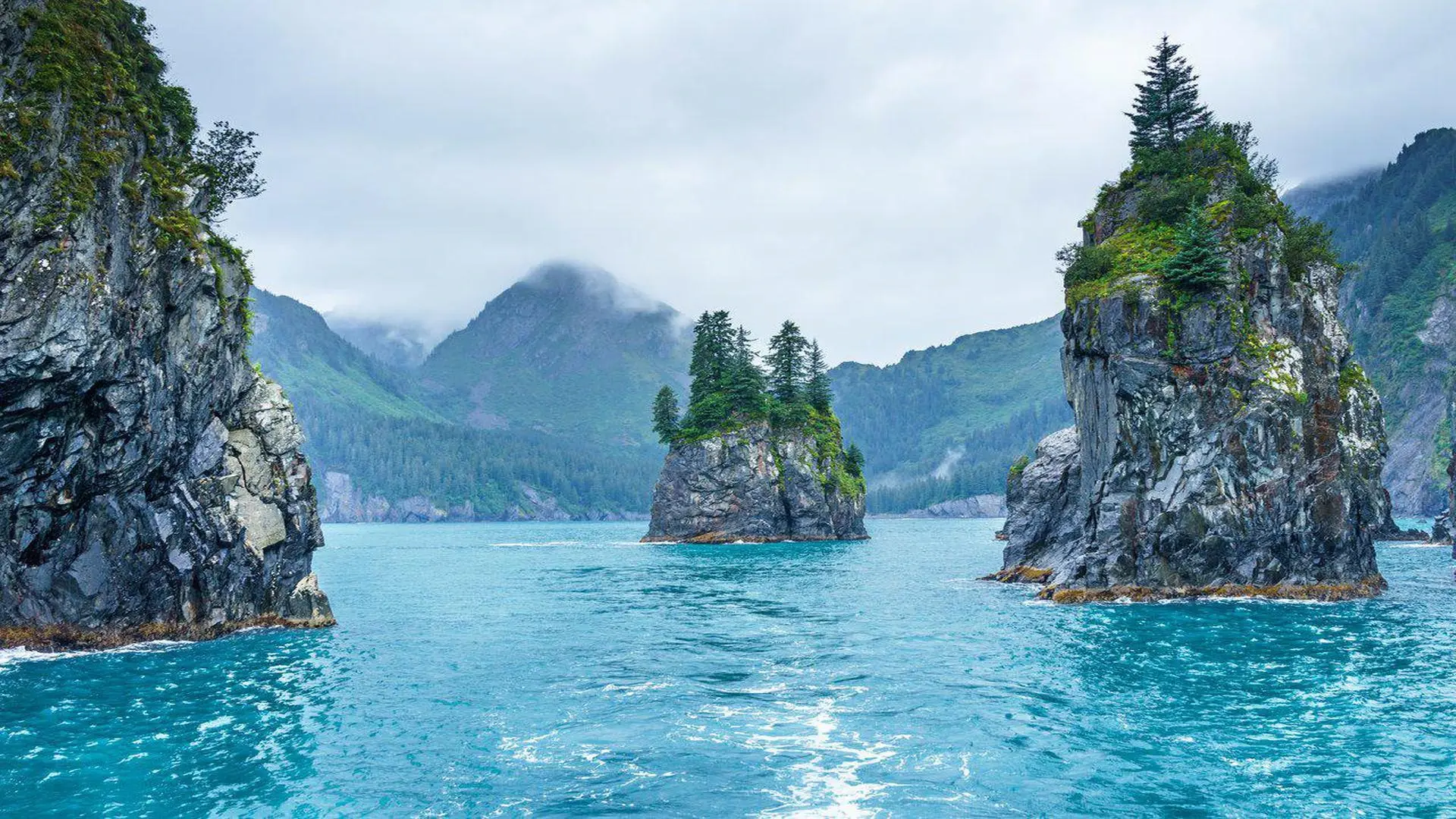
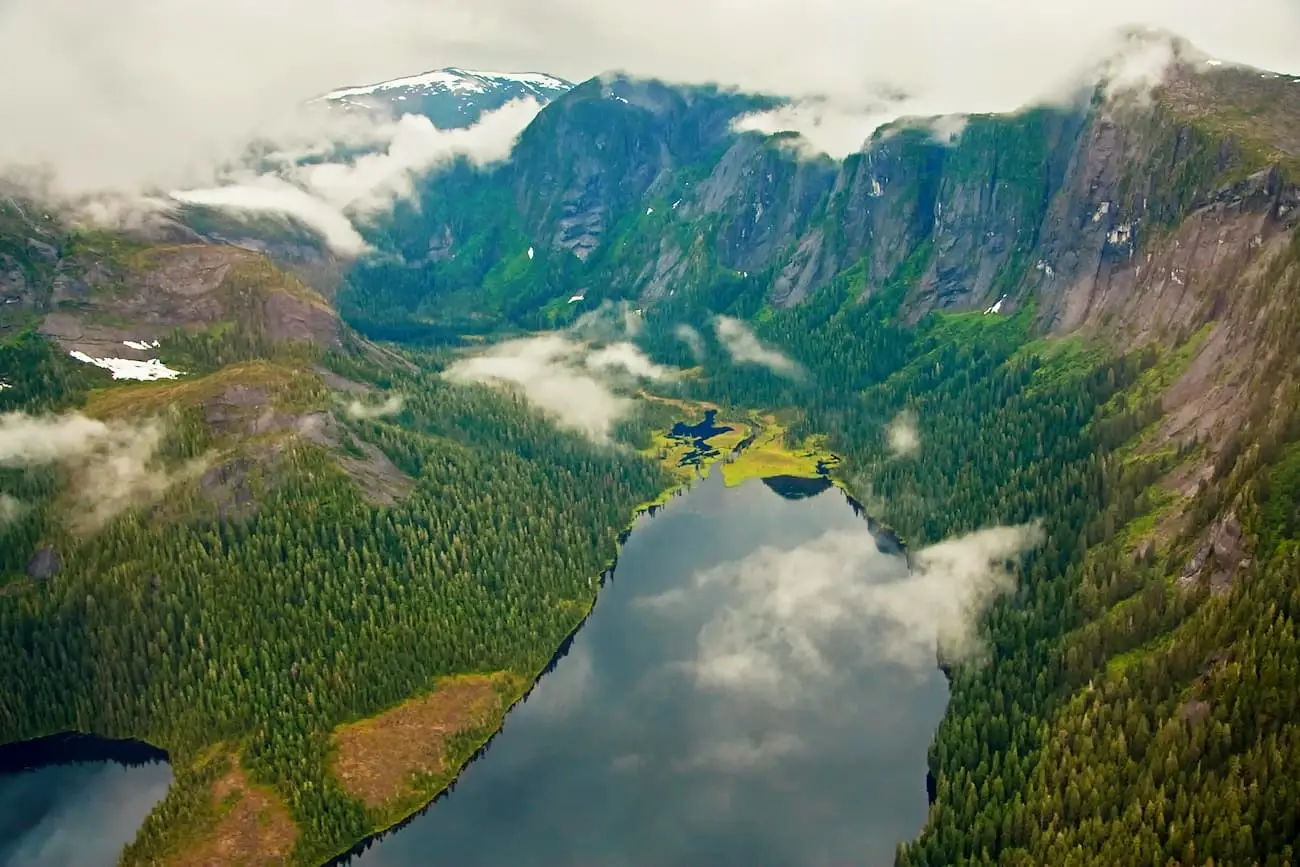
Forest is regenerating following historical logging, with young spruce and hemlock growing among older trees that escaped cutting. The recovering forest demonstrates natural succession processes. Coastal vegetation and intertidal communities remain healthy.
Geology
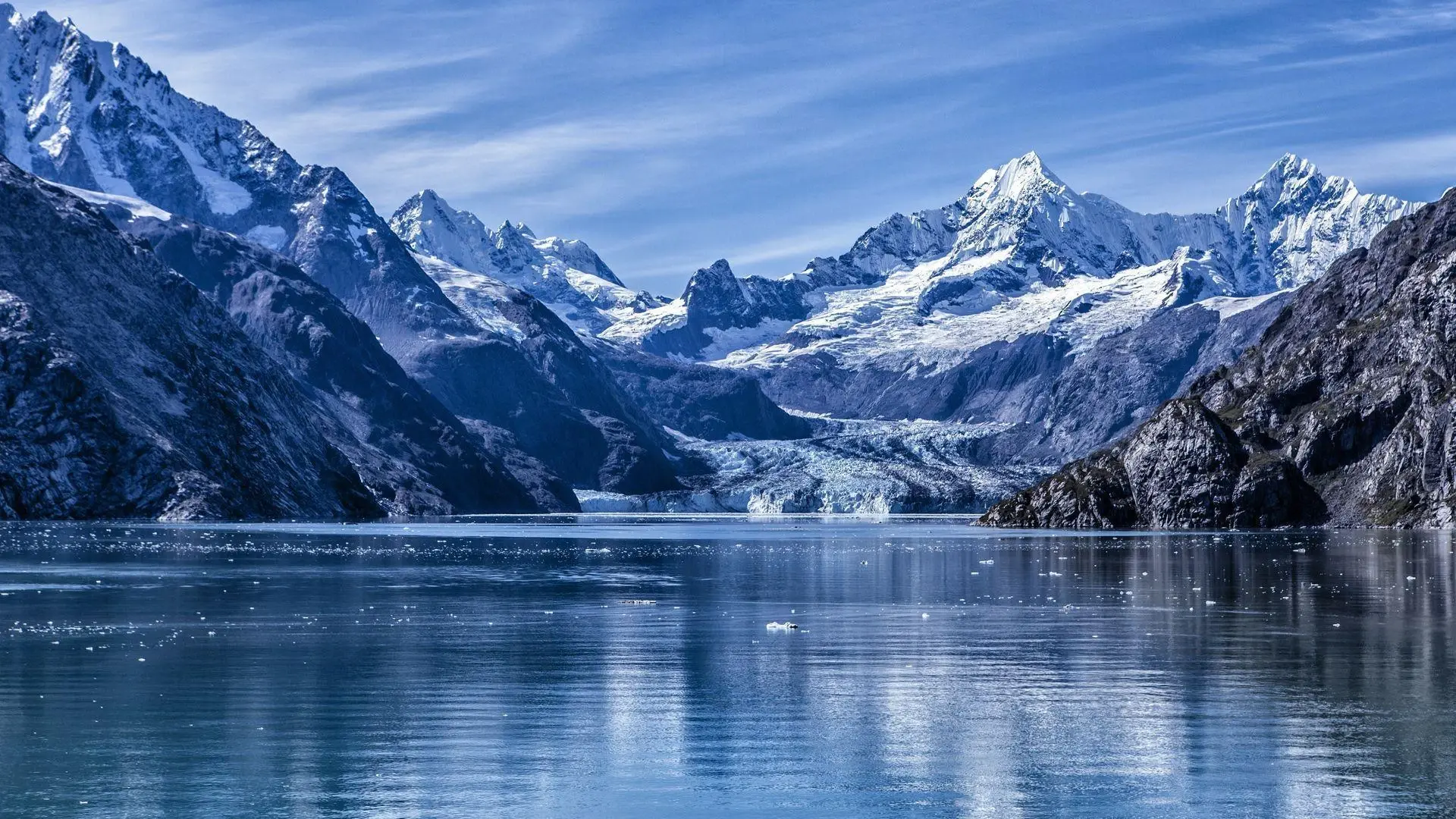
The bay was carved by glacial action into Prince William Sound's complex geology. The 1964 earthquake affected the coastline, with areas of uplift still evident. Ongoing geological processes continue to shape the landscape.
Climate and Weather
Maritime climate brings mild temperatures and substantial precipitation that support rapid forest recovery. Weather can change rapidly in the Sound. The bay provides protected anchorage during unsettled conditions.
Human History
The name Sawmill Bay indicates historical logging operations that once removed timber from the surrounding forests. Chugach peoples utilized the bay before industrial activity arrived. The area has returned to a more natural state following the end of logging.
Park History
Sawmill Bay State Marine Park was established to protect recovering forests and provide public access. The park demonstrates natural recovery following historical resource extraction. It provides opportunities to observe ecological succession.
Major Trails and Attractions
Shore exploration reveals forest in various stages of recovery. Wildlife viewing includes marine mammals and bears. The protected bay provides secure anchorage for extended stays. Observing forest succession adds educational value.
Visitor Facilities and Travel
The marine park provides anchorage and shore access. No developed facilities exist; visitors must be self-sufficient. Access is by boat from Prince William Sound communities.
Conservation and Sustainability
The marine park protects recovering ecosystems and allows natural succession to proceed. The park demonstrates resilience of coastal ecosystems following disturbance. Protection from further development allows continued recovery.
Photos
No photos available yet