Pennyrile Forest
United States, Kentucky
About Pennyrile Forest
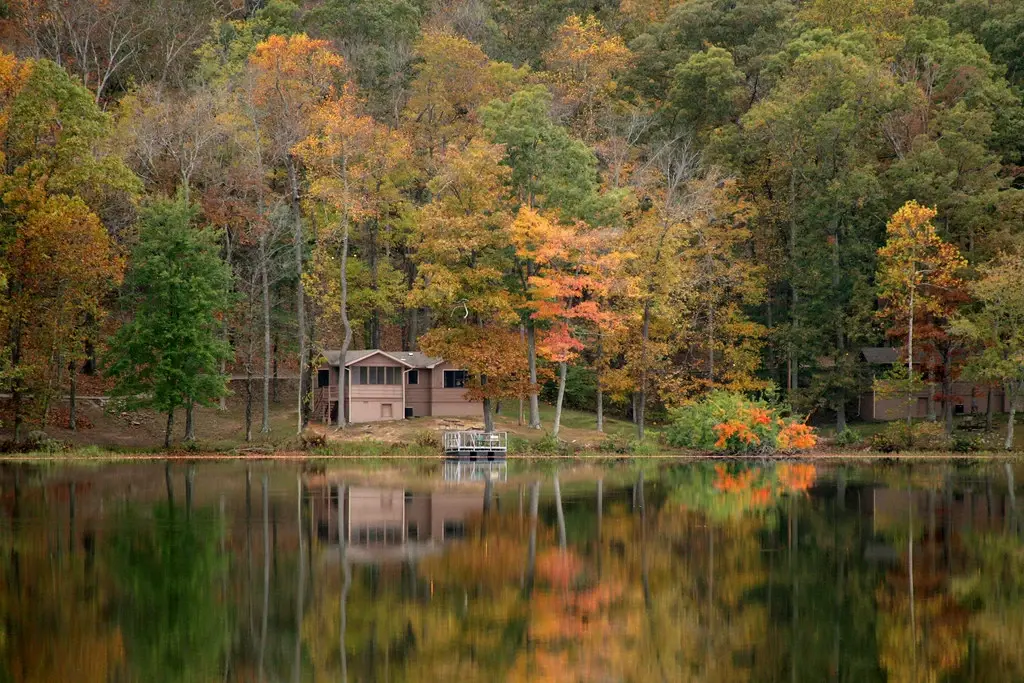
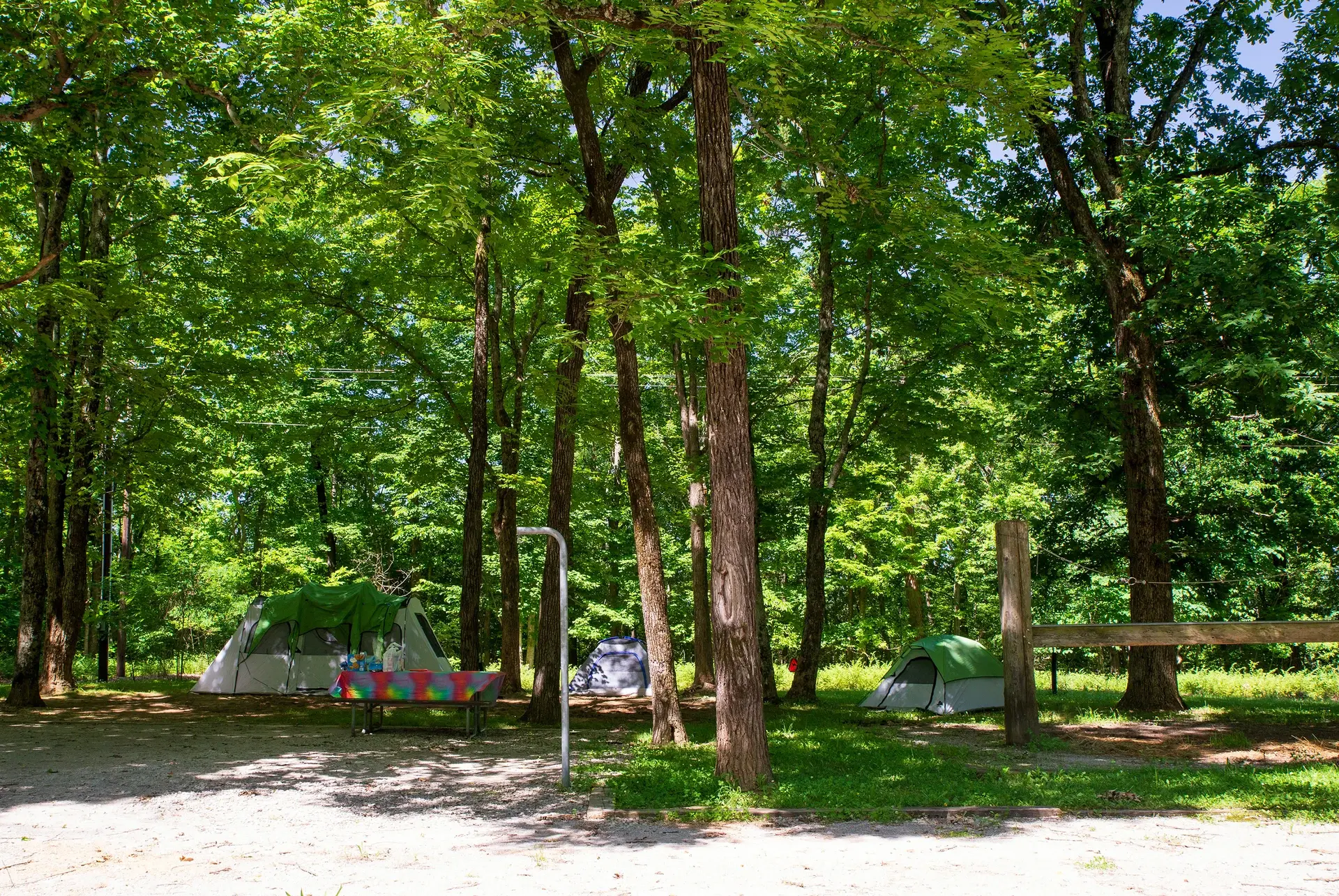
Pennyrile Forest State Resort Park covers 863 acres in northwestern Christian County, Kentucky, just south of Dawson Springs.[1] It lies within Pennyrile State Forest, which the Kentucky Division of Forestry describes as 14,379 acres of forest.[2] The park takes its name from a colloquial form of "pennyroyal", a small flowering plant.[1] It is centered on a 56-acre lake and offers a lodge, cottages, a campground, trails, and a golf course.[1]
Wildlife Ecosystems
Pennyrile State Forest supports wild turkey and grouse restoration projects run with the Kentucky Department of Fish and Wildlife Resources, and it hosts a managed bonus deer hunt each November.[2] The park lake is open for fishing.
Flora Ecosystems
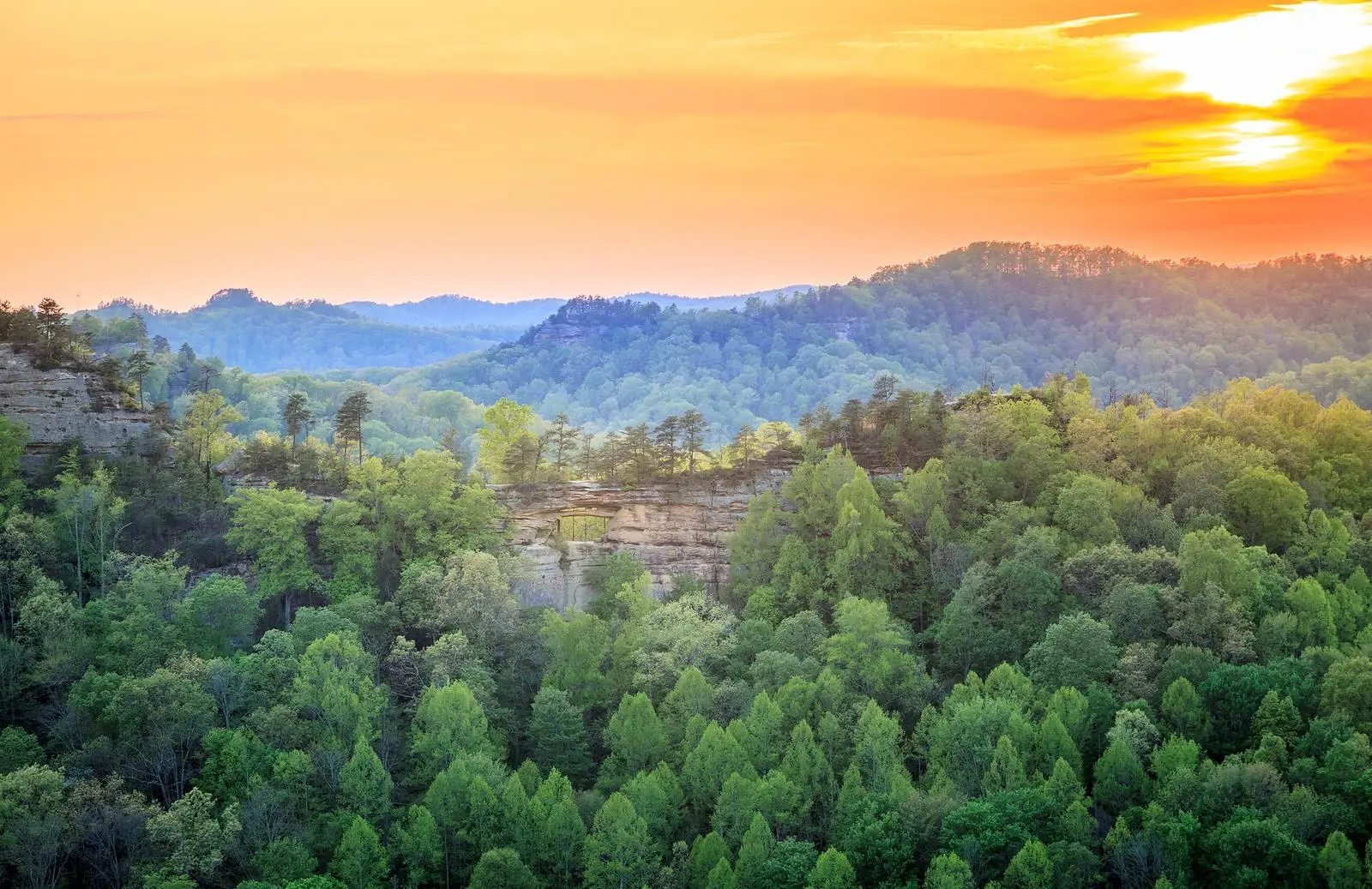
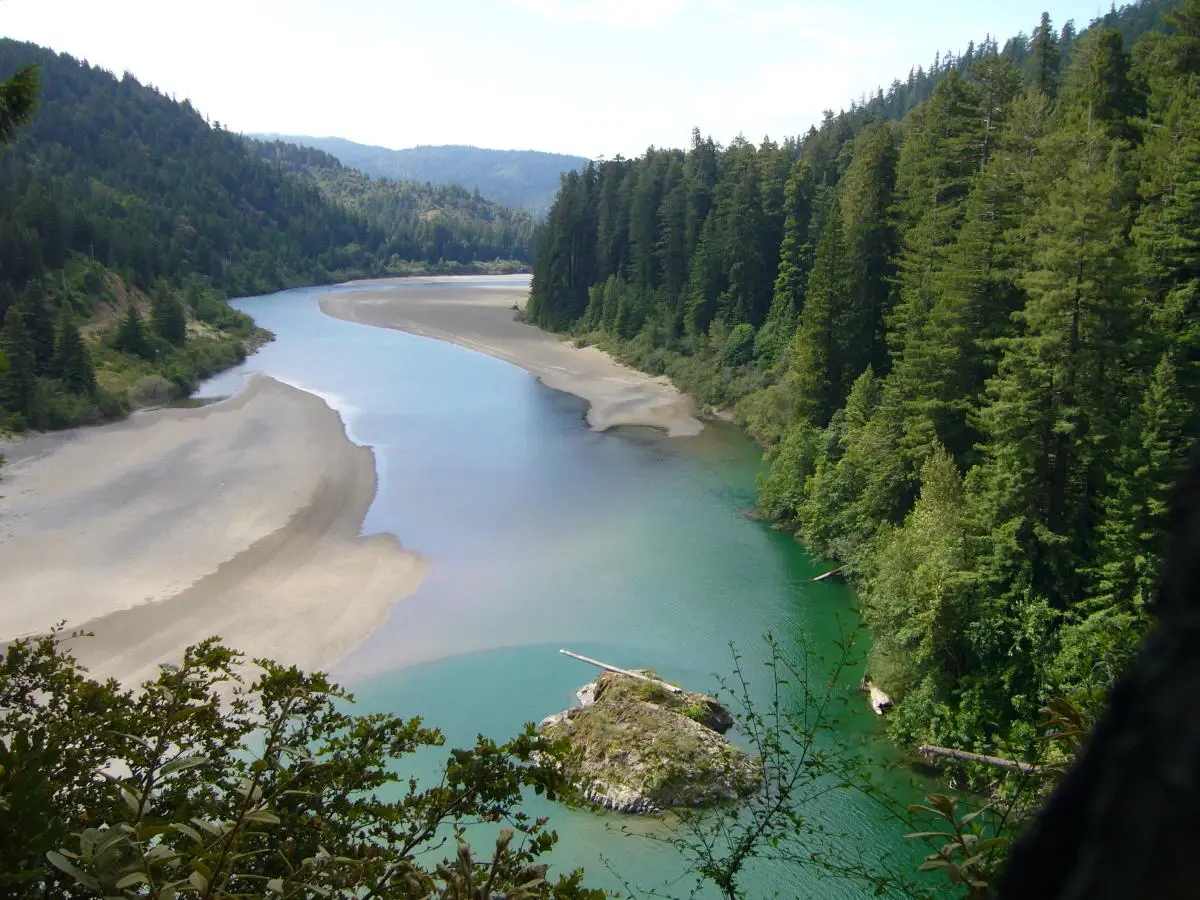
The forest is mostly upland hardwoods, with oaks and hickories common in the region. Pennyroyal, the small mint relative that gave the region its name, grows in the area.[1] Spring wildflowers bloom beneath the canopy before the leaves emerge. The state forest is managed under ecosystem management for sustainable timber production.[2]
Geology
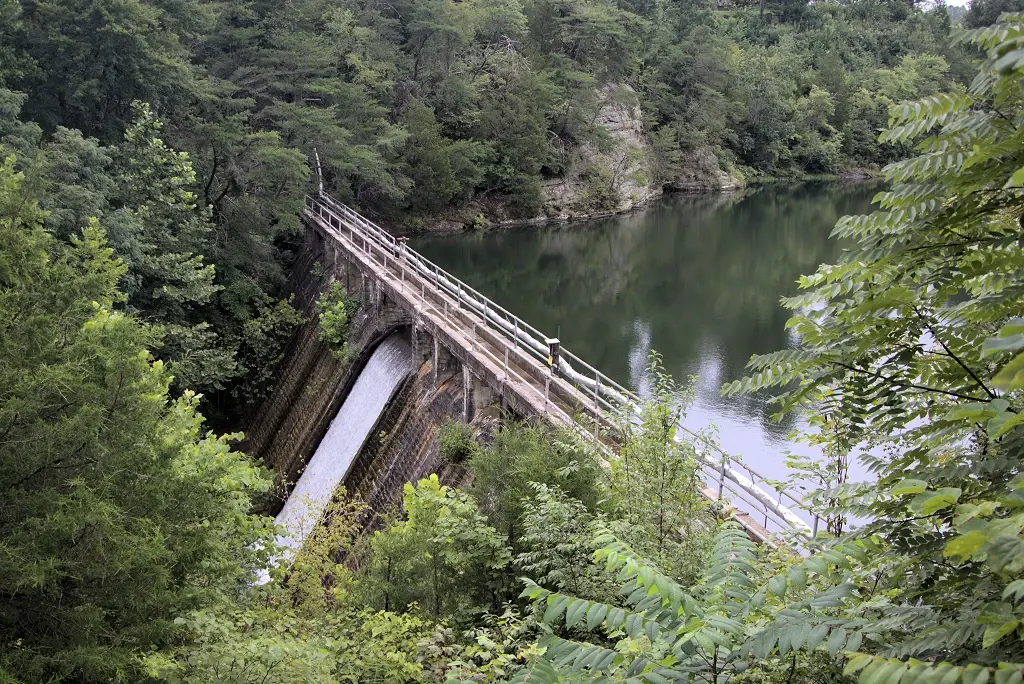
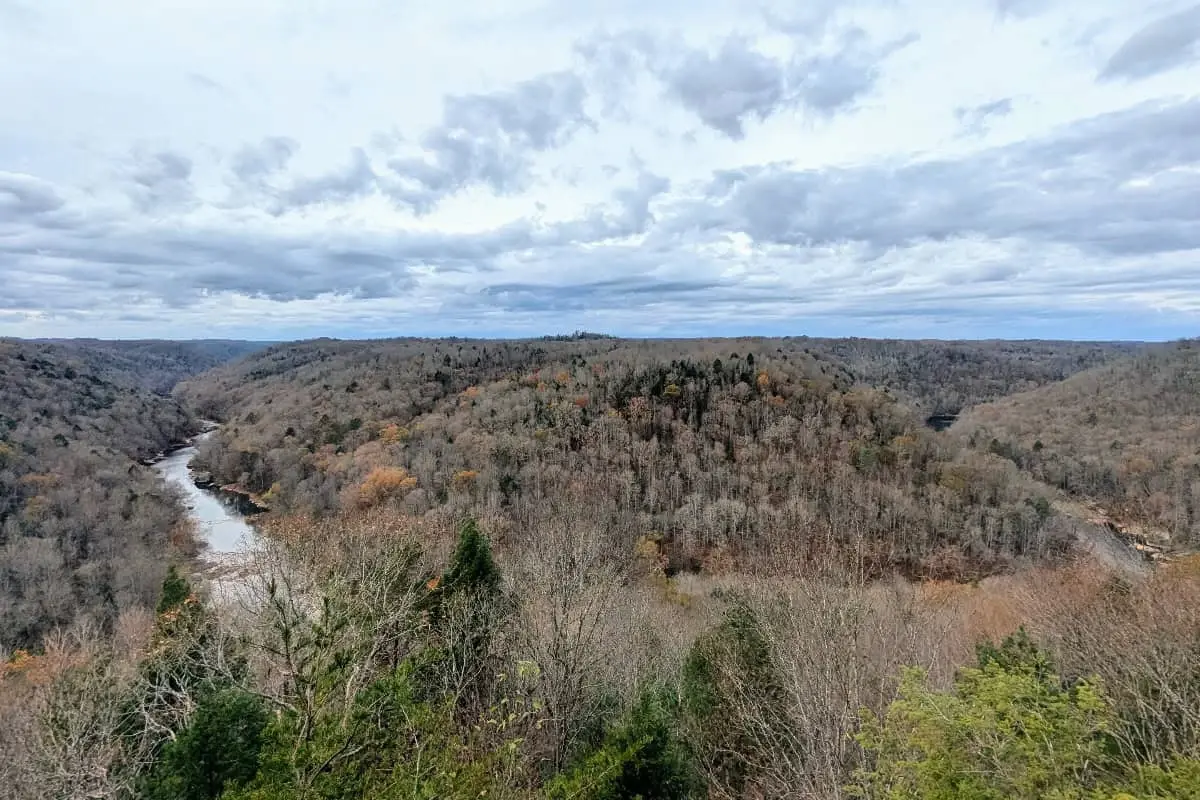
Pennyrile Forest State Resort Park lies in the Pennyrile region of western Kentucky, a rolling upland. The park was sited around an existing lake, formed behind a dam originally built in 1938.[1] The surrounding hills and hollows are typical of the state forest, which is managed for timber production while protecting the watershed.[2]
Climate and Weather
The park has a humid subtropical climate, with hot, humid summers and mild winters that bring occasional snow. Spring and fall are the most comfortable seasons for hiking and horseback riding.
Human History
The Pennyrile region has been inhabited by Native peoples for thousands of years. European American settlers arrived in the early 1800s and farmed much of the area. The state forest grew from lands leased from the federal government in the 1930s under a resettlement program that returned worn-out farmland to forest.[2]
Park History
Pennyrile State Forest began in 1930, when the Kentucky Division of Forestry acquired leases through the Land Use and Resettlement Program in Christian, Hopkins and Caldwell counties. The leases ran until 1954, when the federal government deeded the property to the Commonwealth.[2] The resort park was established in 1954 around the existing lake.[1] It is administered by the Kentucky Department of Parks.[1]
Major Trails and Attractions
Visitor Facilities and Travel
The park has a 24-room lodge with a restaurant, 12 cottages and a campground.[1] To reach it from the Western Kentucky Parkway, take Exit 24 at Dawson Springs and follow Kentucky Highway 109 south; the park sits in the middle of the state forest. Food and lodging are available at the park and in Dawson Springs.[2]
Conservation and Sustainability
Pennyrile State Forest is managed under ecosystem management for sustainable timber production, and the Division of Forestry has pursued wild turkey and grouse restoration projects there.[2] The forest around the park provides a large block of continuous woodland, which helps protect the lake and surrounding watershed.
Photos
2 photos