Lowell Point
United States, Alaska
About Lowell Point
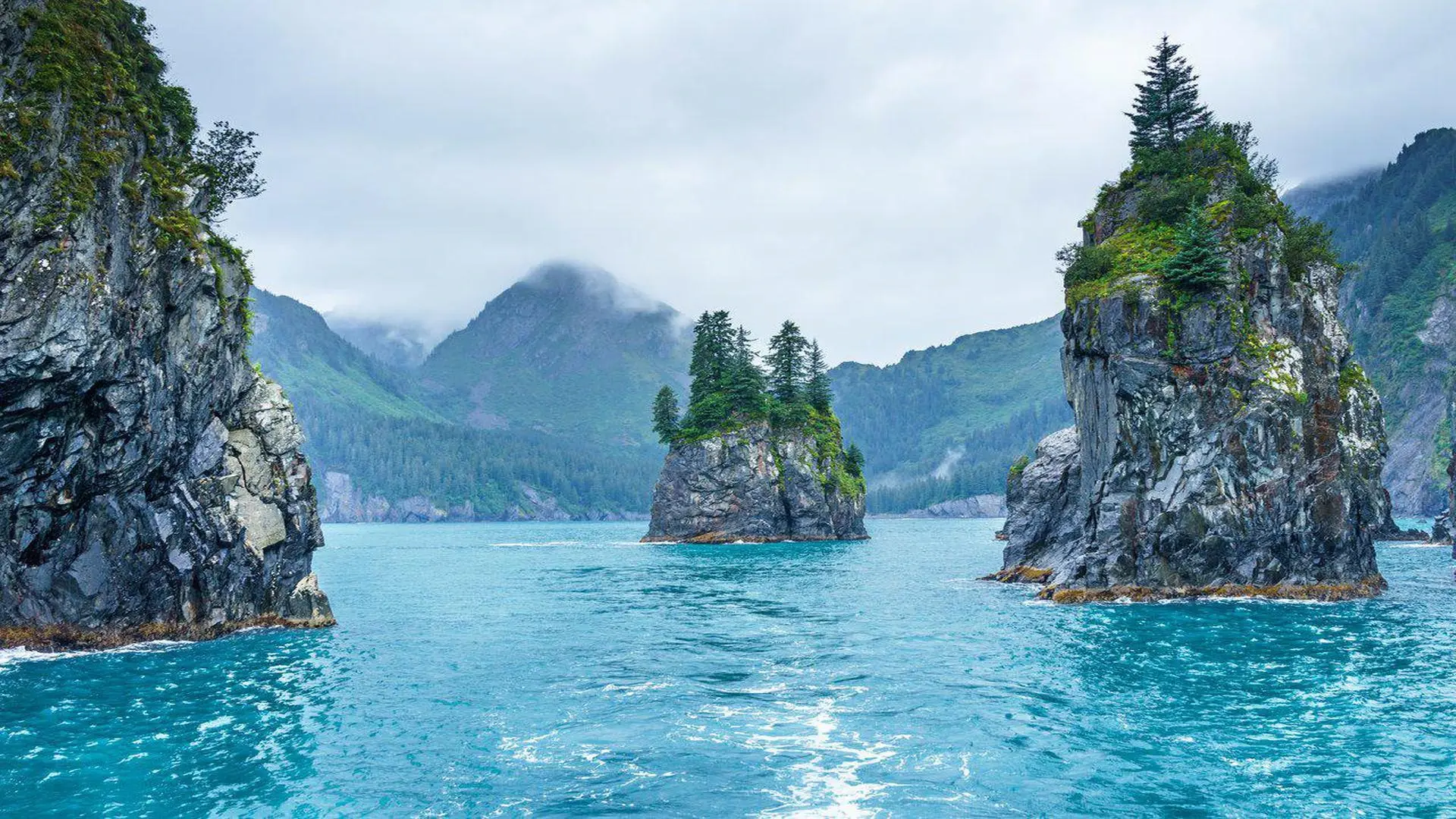
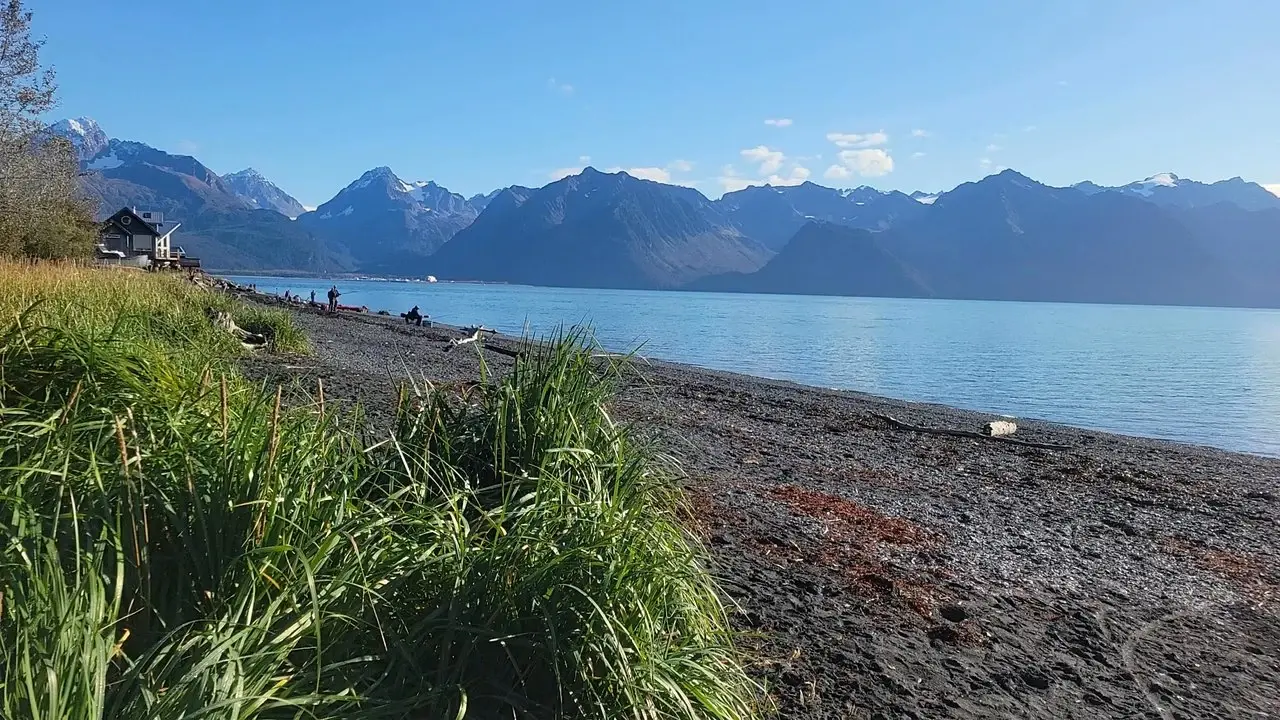
Lowell Point State Recreation Site provides beach access and camping at the end of the road south of Seward, Alaska. The 40-acre site offers a scenic coastal setting on Resurrection Bay at the edge of Kenai Fjords National Park. The recreation site serves as a launching point for kayaking, fishing, and wildlife viewing in one of Alaska's most spectacular marine environments.
Wildlife Ecosystems
Resurrection Bay supports diverse marine wildlife including sea otters, harbor seals, Steller sea lions, and multiple whale species. Bald eagles are abundant along the shoreline, while seabirds including puffins and murres nest on nearby cliffs. Black bears may be encountered in the coastal forest. The bay's salmon runs attract marine mammals and support sport fishing.
Flora Ecosystems
Coastal rainforest of Sitka spruce and western hemlock extends to the shore, with devil's club, salmonberry, and ferns in the understory. The beach zone supports hardy coastal plants adapted to salt spray and wave action. Kelp forests offshore provide habitat for the rich marine life of Resurrection Bay.
Geology
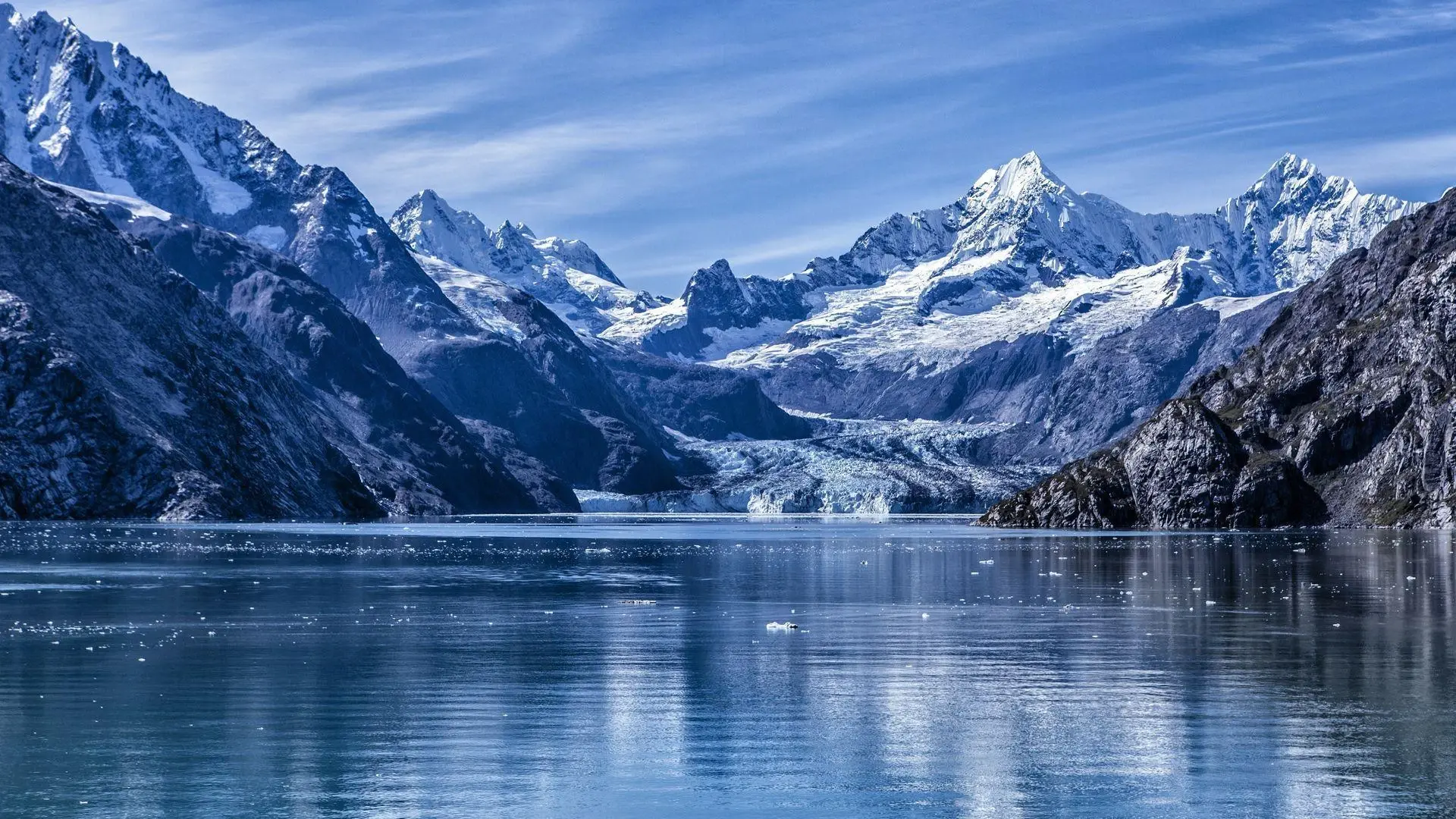
Resurrection Bay occupies a glacially-carved fjord that penetrates deep into the Kenai Mountains. The bay is surrounded by steep mountain walls exposing ancient oceanic rocks added to Alaska through plate tectonics. Active glaciers continue to carve the surrounding peaks, and remnant ice from the 1964 earthquake uplift event remains visible.
Climate and Weather
Seward's maritime climate produces mild temperatures moderated by the Gulf of Alaska. Summer temperatures typically range from 50-60°F while winters rarely see temperatures below 20°F. Annual precipitation averages 65 inches, with rain possible any month. Fog and clouds are common, particularly when warm air moves over cool water.
Human History
Alutiiq peoples have inhabited Resurrection Bay for thousands of years, utilizing the rich marine resources of the region. Seward was established as a railroad terminus in the early 1900s, connecting to interior Alaska. The town was heavily damaged by the 1964 earthquake and tsunami but rebuilt as a fishing and tourism center.
Park History
Lowell Point State Recreation Site was developed to provide public beach access at the end of the Seward road system. The site offers facilities at the gateway to the Kenai Fjords, one of Alaska's most popular destinations. It serves as a starting point for kayakers, anglers, and wildlife viewers exploring Resurrection Bay.
Major Trails and Attractions
Kayaking access to Resurrection Bay and Kenai Fjords National Park is a primary attraction. Beach walking and wildlife viewing draw visitors seeking marine mammals, eagles, and seabirds. Fishing for salmon and halibut is popular from shore and small boats. The scenic setting provides excellent photography opportunities. Nearby Caines Head State Recreation Area offers hiking trails.
Visitor Facilities and Travel
The recreation site offers beach camping, vault toilets, and water access. Located at the end of Lowell Point Road about 2 miles from downtown Seward, it is accessible by paved road. Seward provides full services and is the departure point for Kenai Fjords boat tours and the Alaska Marine Highway.
Conservation and Sustainability
The site provides concentrated beach access that helps protect other sensitive coastal areas from dispersed impacts. Leave-no-trace camping is emphasized in this scenic setting. The site serves as a gateway for education about Kenai Fjords marine ecosystems and the importance of marine conservation.
Photos
1 photo