Sultan Sazlığı
Turkey, Kayseri Province
About Sultan Sazlığı
Sultan Sazlığı National Park is a large wetland complex in Kayseri Province in Central Anatolia, surrounding the endorheic Yay Lake and the Develi plain marshes. Covering approximately 17,200 hectares, the park is one of the most important waterbird habitats in the Middle East and Europe, designated a Ramsar Wetland of International Importance. The park is particularly famous for hosting large flocks of greater flamingo and provides critical habitat for numerous globally threatened waterbird species.
Wildlife Ecosystems
Sultan Sazlığı is famous for its waterbirds, with over 300 species recorded, including breeding greater flamingo, dalmatian pelican, glossy ibis, white spoonbill, purple heron, and squacco heron. It is one of the most important flamingo breeding sites in the Middle East. Globally threatened species including the white-headed duck, ferruginous duck, and marbled teal winter here. Greater spotted eagle and imperial eagle winter in the surrounding steppes. Mammals include otter, wild boar, and various rodents. The lake supports significant fish populations.
Flora Ecosystems
The wetland complex includes extensive reedbeds dominated by common reed and lesser bulrush, open shallow water areas with aquatic macrophytes, and seasonally flooded marshes. The margins transition to wet meadows with meadowsweet, yellow flag iris, and various sedge species. The surrounding dry steppe supports typical Central Anatolian steppe flora including feather grass, Astragalus, and numerous bulbous plants. The transition between wetland and steppe creates exceptionally high plant diversity at the park margins.
Geology
Sultan Sazlığı occupies an endorheic basin in the Develi Plain, a closed drainage basin on the Central Anatolian Plateau. The basin is floored with Quaternary lacustrine sediments and alluvial deposits. The surrounding Erciyes and Hasan volcanoes have contributed volcanic ash and tuff to the basin sediments. Ongoing tectonic subsidence maintains the wetland. The alkaline chemistry of the water reflects the weathering of volcanic rocks in the catchment area, creating conditions suitable for flamingo foraging.
Climate and Weather
The park has a harsh continental climate typical of Central Anatolia, with cold, snowy winters and hot, dry summers. January temperatures regularly fall below -10°C, while July averages around 23°C with extremes exceeding 35°C. Annual precipitation is approximately 350-400 mm, mostly falling in spring and autumn. The wetland is critically dependent on snowmelt from surrounding mountains in spring to maintain water levels. Climate variability and drought have caused significant water level fluctuations in recent decades.
Human History
The Develi plain and its wetlands have been inhabited and utilised since ancient times; the area appears in Hittite records as part of the land of Kizzuwatna. The marshes provided reeds for construction and thatching, fish for food, and wildfowl for hunting throughout the Ottoman period. The fertile surrounding plain supported agricultural communities from at least the Bronze Age. Ottoman records document the area as a hunting ground for the sultan, hence the name Sultan Sazlığı meaning 'Sultan's Marshes'.
Park History
Sultan Sazlığı was designated a national park in 1988 and simultaneously listed as a Ramsar Wetland of International Importance, recognizing its extraordinary significance for waterbirds. Prior to protection, intensive hunting and drainage projects threatened the wetland. The park was established in response to campaigns by Turkish and international ornithologists. Management has focused on controlling water levels, preventing illegal hunting, and managing reedbeds. The flamingo breeding colony was established in the early 1970s and has grown steadily.
Major Trails and Attractions
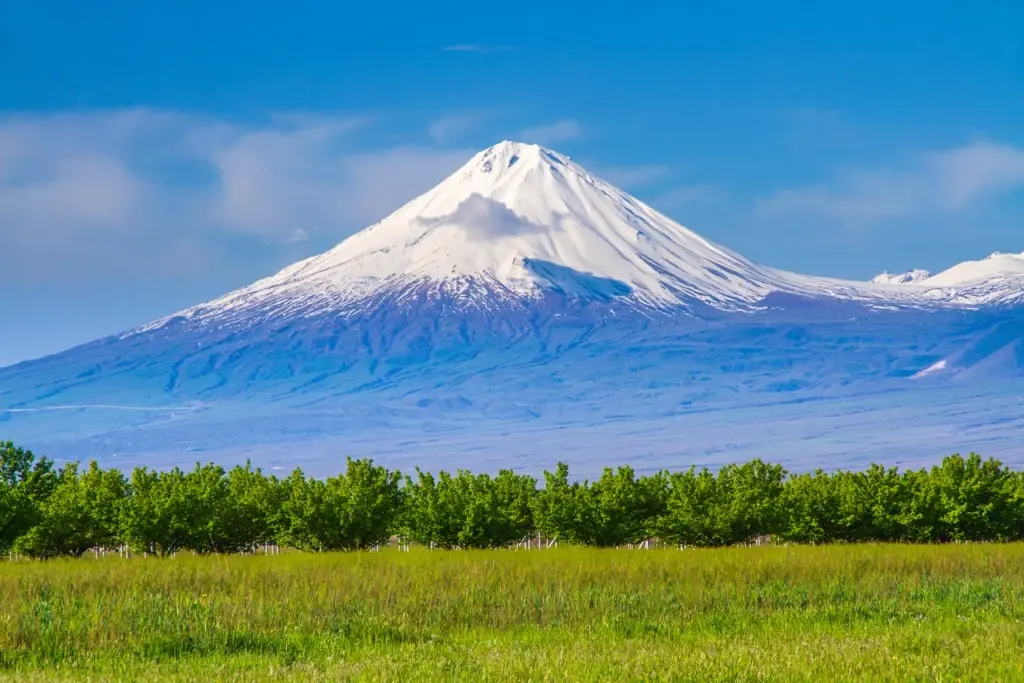
Birdwatching is the primary attraction, with the park offering some of the best waterbird viewing in Turkey. A visitor centre and observation towers overlook the flamingo and pelican breeding areas. A birdwatching platform on the lakeshore provides panoramic views of the marshes. Spring and early summer, when flamingos are breeding and migratory species are present, is the peak birding season. The nearby Erciyes volcano (3,917 m) provides a dramatic backdrop and opportunities for mountain hiking.
Visitor Facilities and Travel
The park is located approximately 60 km south of Kayseri city, which has an international airport. The village of Ovaçiftlik near the park entrance has basic accommodation. A visitor centre with exhibits on the park's waterbirds operates near the park gate. Entry fees apply. The park is best visited in spring (April-June) for flamingo breeding or autumn (September-November) for peak migration. Kayseri city provides a wide range of accommodation and is also the access point for Erciyes ski resort.
Conservation and Sustainability
The park's greatest threat is declining water levels due to irrigation abstraction from the surrounding agricultural plain and increasing drought frequency linked to climate change. The flamingo breeding colony is particularly sensitive to water level fluctuations during the breeding season. Illegal hunting remains a problem on the park margins. A water management plan has been developed with the State Hydraulic Works (DSI) to ensure minimum ecological flow into the marshes. International conservation organisations including BirdLife International support monitoring programs.
Photos
No photos available yet