Oued Zeen
Tunisia, Jendouba
About Oued Zeen
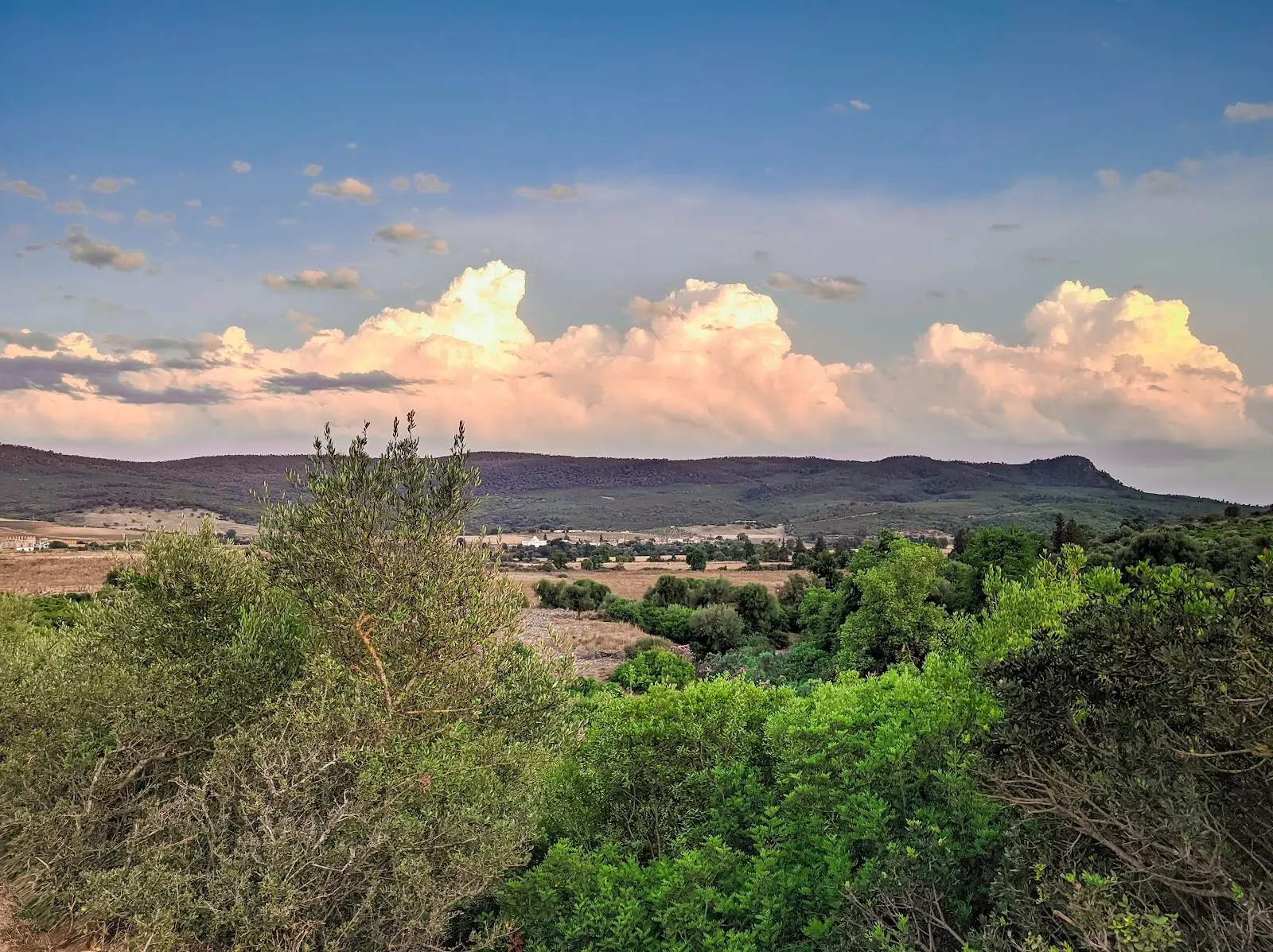
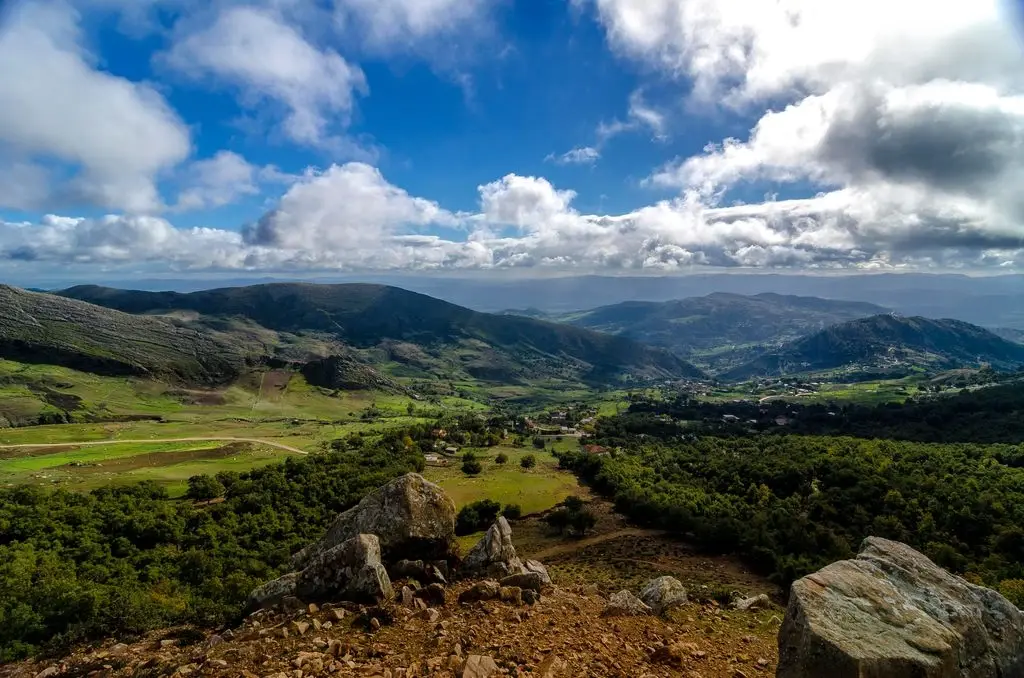
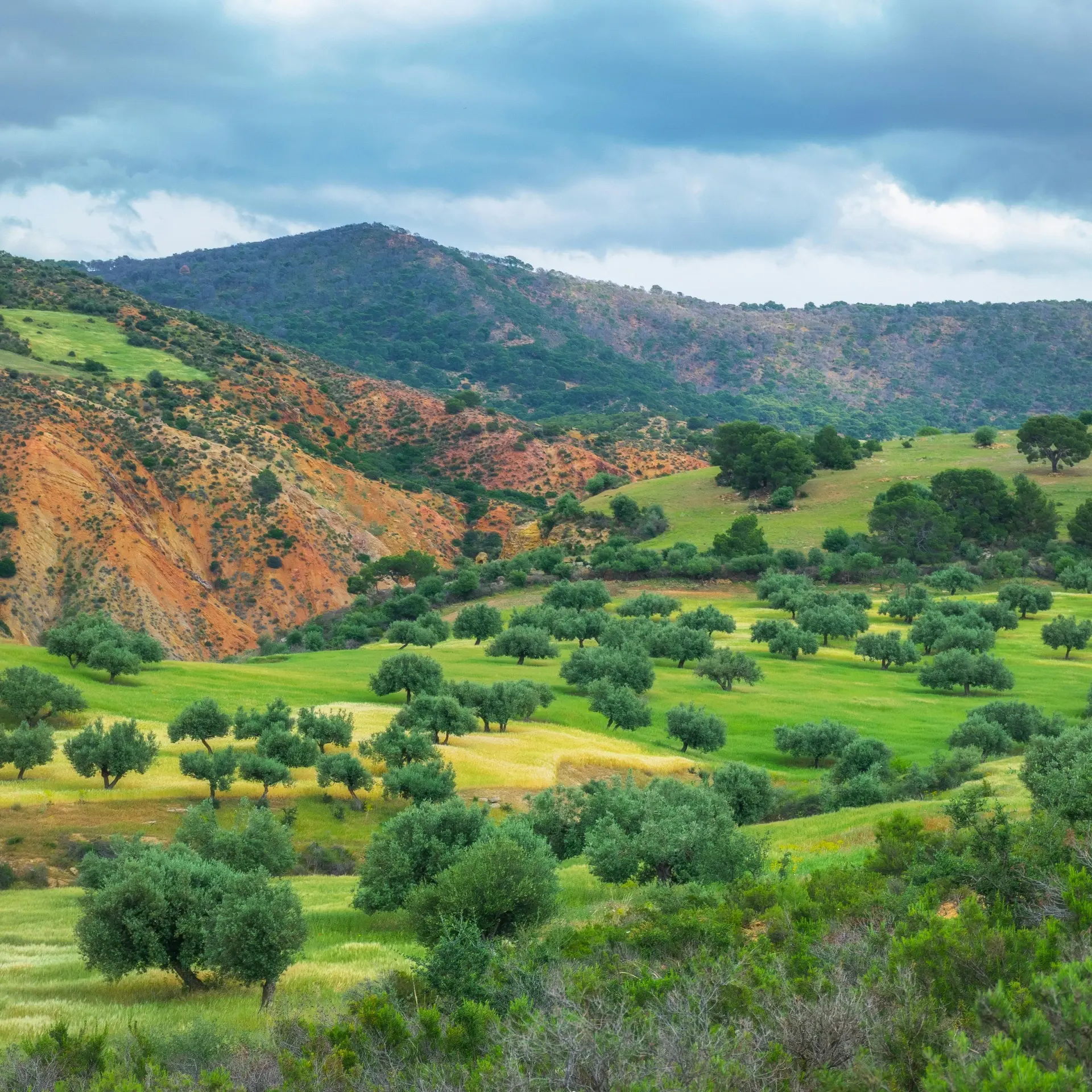
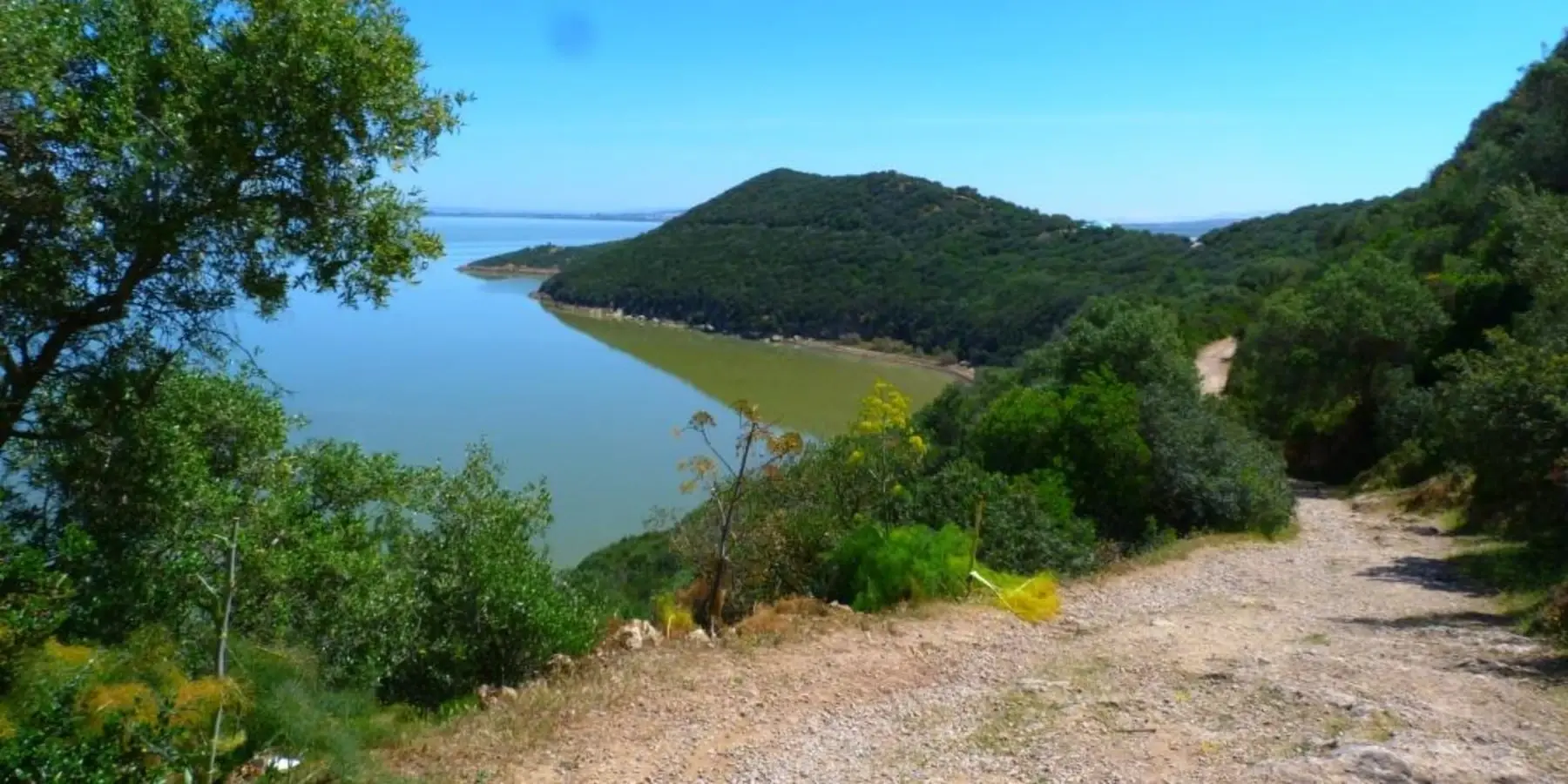
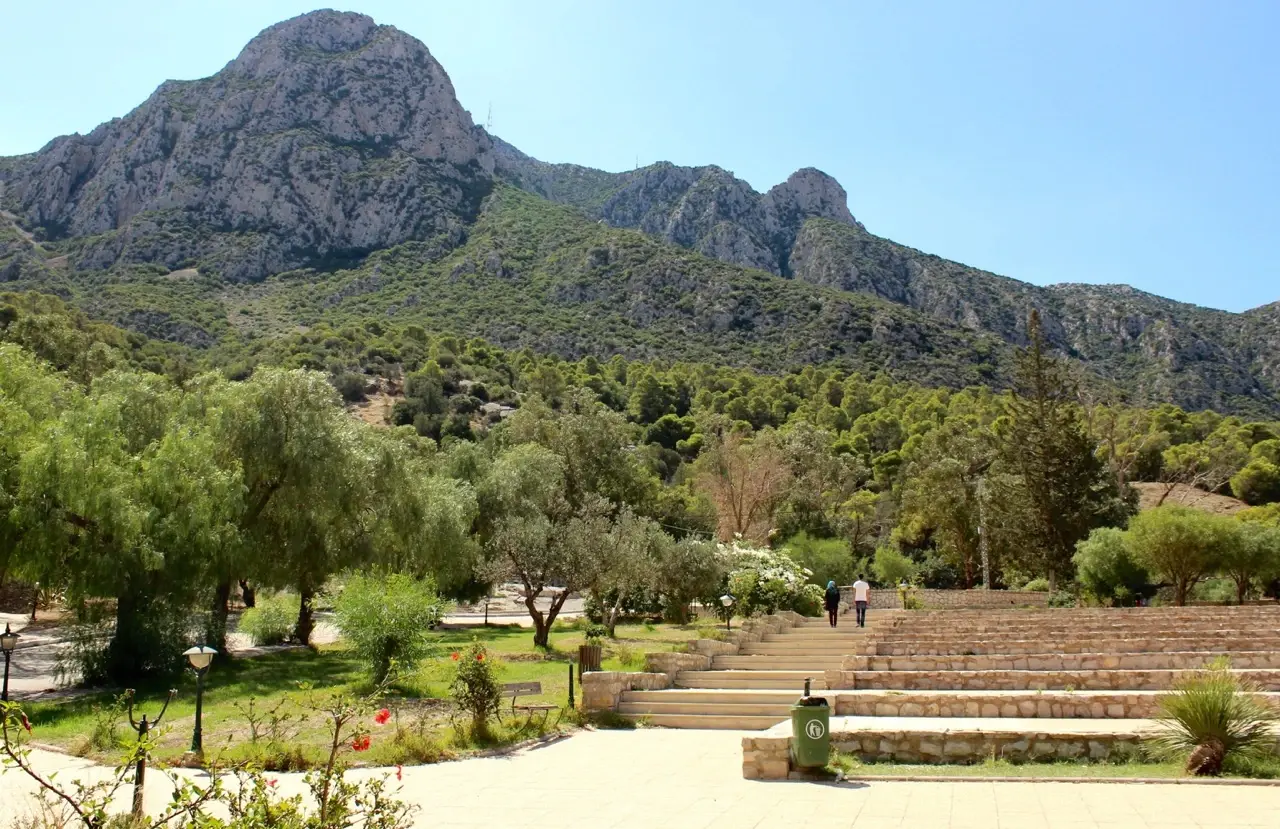
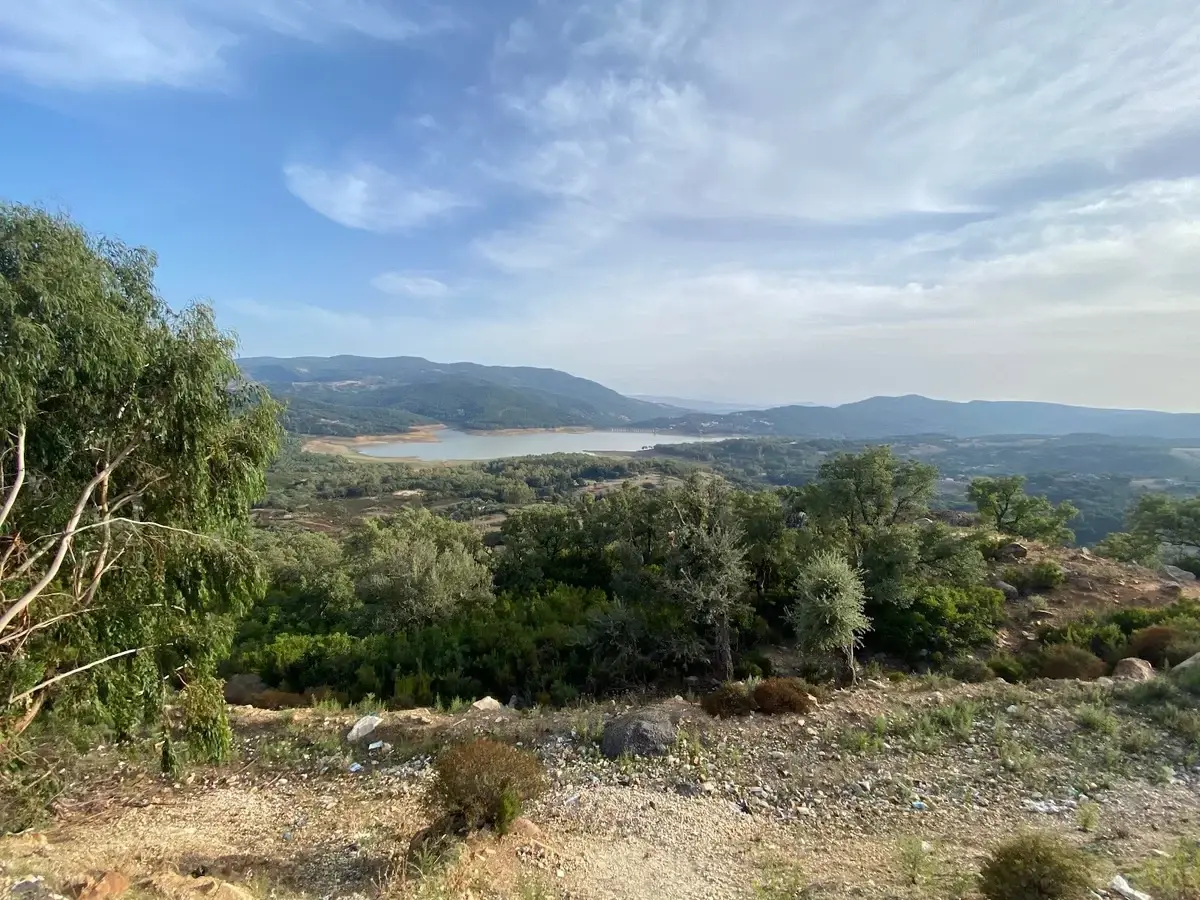
Oued Zeen National Park is located in Jendouba Governorate in northwestern Tunisia, protecting a river valley ecosystem in the Kroumirie mountain zone. The park encompasses the Zeen River (Oued Zeen) valley and its forested hillsides, representing part of the broader cork oak and Zeen oak forest complex of the Kroumirie region. The park is ecologically connected to El Feidja National Park and the El Kala National Park across the Algerian border, forming part of a significant trans-boundary conservation landscape in northwestern Tunisia.
Wildlife Ecosystems
The park's river valley and forest habitat support Barbary macaque in the riparian oak forest, one of the key populations of this Endangered species in Tunisia. Wild boar, red fox, stone marten, genet, and otter are recorded species. The Zeen River supports trout and is one of the few Tunisian rivers with intact freshwater fish communities. The bird fauna includes Levaillant's woodpecker, short-toed treecreeper, various warbler species, and marsh-associated birds in the riparian zone. Black stork has been recorded breeding in the area.
Flora Ecosystems
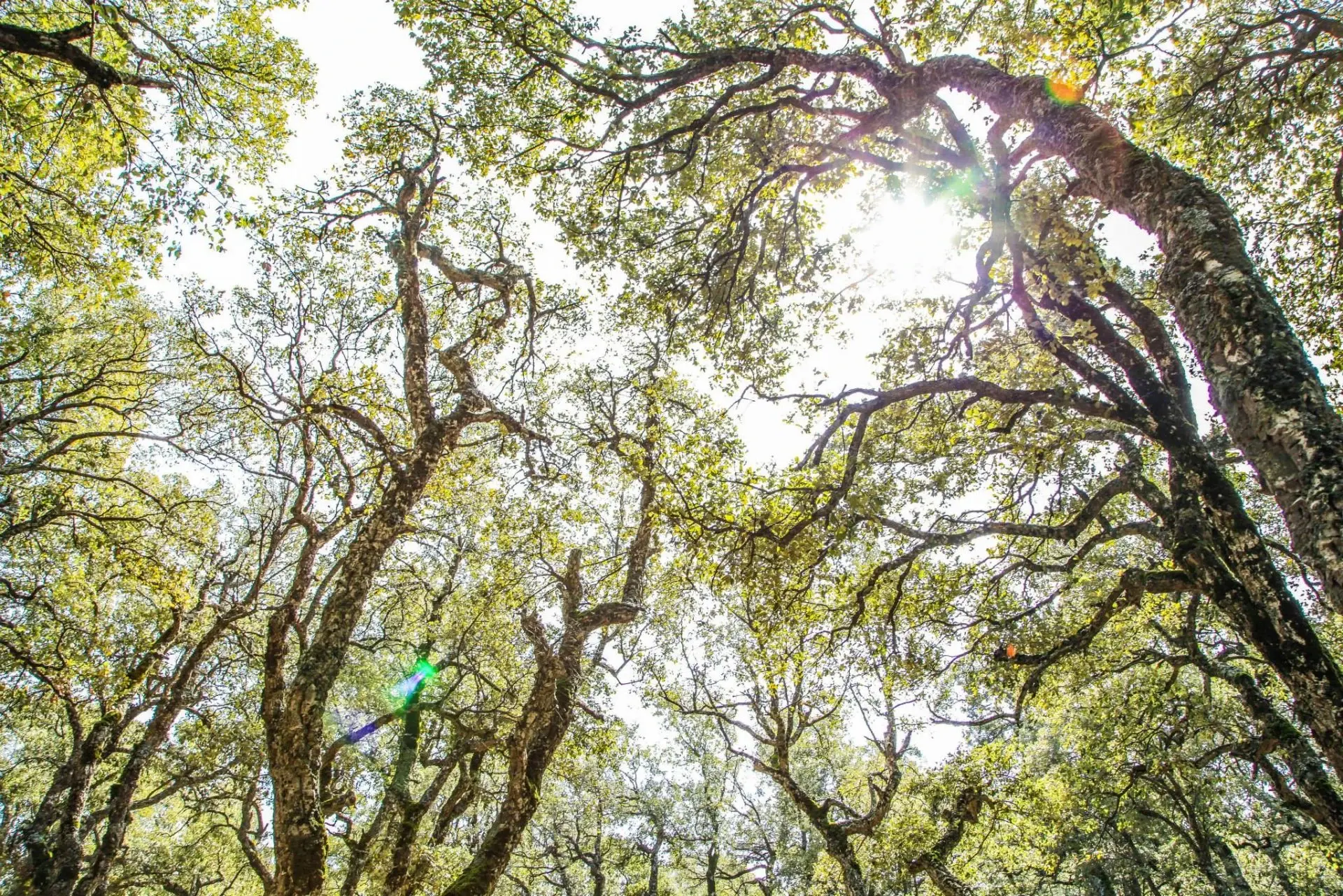
The park's forests are dominated by Zeen oak (Quercus canariensis), a deciduous oak characteristic of the northwestern Tunisian mountains, creating one of the most lush and deciduous forest landscapes in Tunisia. Cork oak occurs on drier ridges. The riparian zone along the Zeen River supports alder, oleander, and lush fern communities. The understorey includes strawberry tree, Phillyrea, Viburnum tinus, and bramble. The forest floor flora includes wild cyclamen, Anemone, and various woodland geophytes in spring.
Geology
The park occupies the Kroumirie mountain zone, composed of Cretaceous flysch sediments (alternating mudstones and sandstones) typical of the western Maghreb. The flysch weathers to produce acidic soils ideal for oak and cork oak development. The Zeen River has carved a V-shaped valley through the flysch, with the river following structural weaknesses in the rock. The overall landscape is rugged and dissected, creating diverse habitat micro-environments along the valley gradient.
Climate and Weather
The park has a sub-humid Mediterranean climate, one of the wettest in Tunisia, with annual precipitation approaching 800-1,200 mm in the higher parts of the catchment. The dense oak forest maintains high soil moisture and relatively cool, humid conditions even during summer. Winters are mild and rainy. The river runs year-round, supported by reliable rainfall and forest-maintained groundwater recharge. This exceptional moisture regime supports the lush deciduous forest ecosystem.
Human History
The Kroumirie mountains have been inhabited by Berber communities for thousands of years, with cork oak exploitation forming a traditional economic activity. The French colonial administration established forestry management of the Kroumirie forests, logging large areas and establishing Aleppo pine plantations in some areas. The Ain Draham area, near the park, became a favoured summer resort for the French colonial population due to its cool, forested climate. Post-independence Tunisia continued forestry management before establishing national park designations.
Park History
Oued Zeen was designated a national park to protect the river valley ecosystem and extend the protected area network in the Kroumirie region, complementing the nearby El Feidja National Park. The park's riparian forest is particularly significant for the Barbary macaque and for maintaining the ecological integrity of the Zeen River catchment. Management focuses on controlling logging and grazing within the park, and the park cooperates with the El Feidja administration on coordinated wildlife management.
Major Trails and Attractions
The lush oak forest along the Zeen River valley offers exceptional walking and birdwatching, with the sounds of running water and forest birds creating a complete contrast to the arid landscapes that dominate most of Tunisia. Barbary macaque observation is possible for patient and quiet visitors. Fishing for trout in the Zeen River is permitted in designated sections. The nearby town of Ain Draham, a mountain resort, provides accommodation and a charming introduction to Tunisian mountain culture.
Visitor Facilities and Travel
The park is accessible from Ain Draham, a popular mountain resort town 170 km from Tunis with bus and road connections. The park has limited formal visitor facilities, but trails through the forest are accessible. Ain Draham offers accommodation ranging from budget guesthouses to mid-range hotels. The best visiting season is April through October for comfortable hiking, though the forest is beautiful year-round.
Conservation and Sustainability
The park's ecological health depends on maintaining the integrity of the Zeen River catchment. Key threats include illegal logging, charcoal production from the cork oak forest, and livestock grazing that prevents forest regeneration. The Barbary macaque population is monitored as an indicator of forest quality. The park participates in trans-boundary conservation initiatives with Algeria's El Kala National Park. Climate change and associated precipitation variability pose a long-term threat to the oak forest ecosystem.
Photos
1 photo