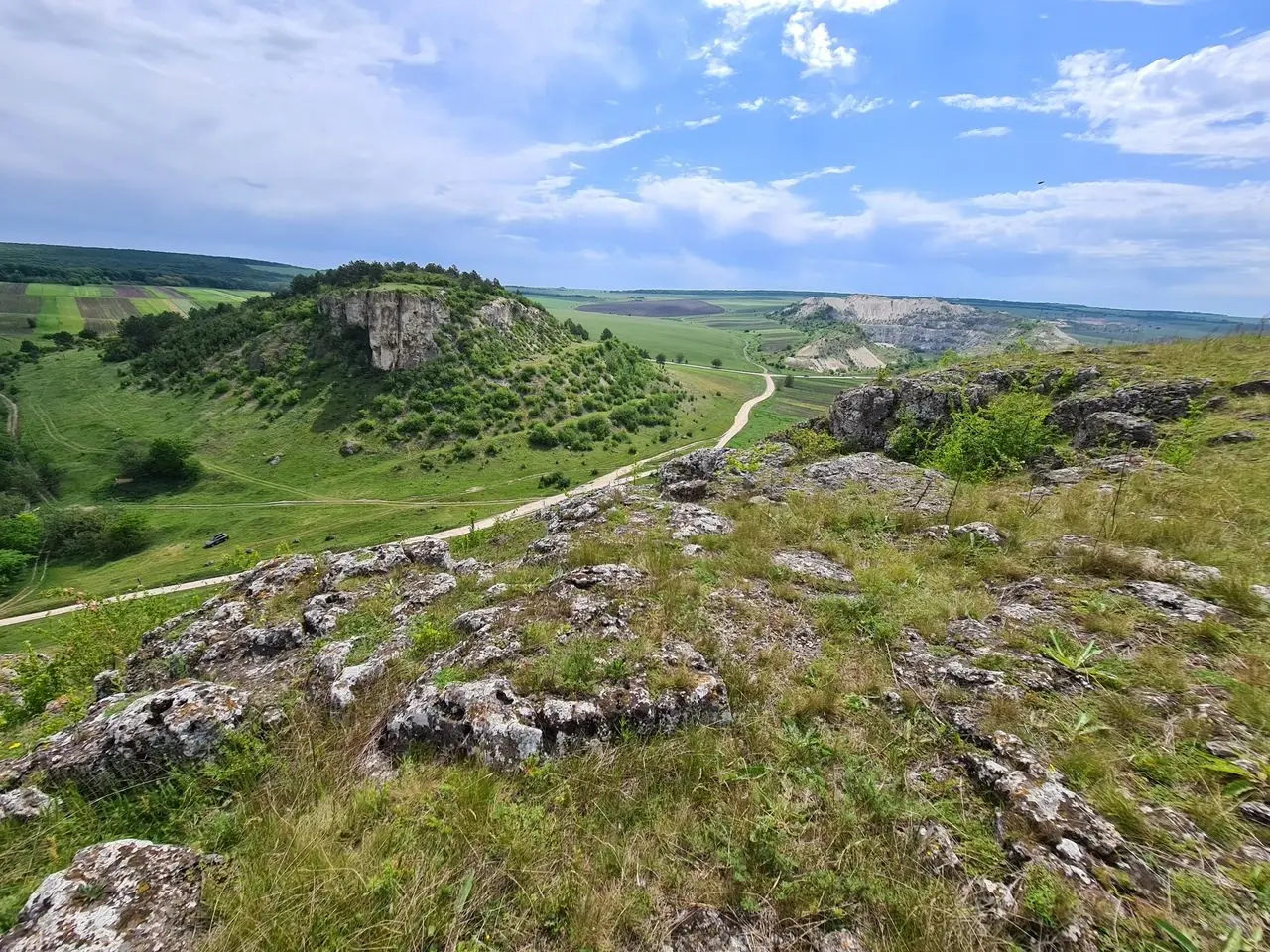
Padurea din Hincesti
Moldova, Hincesti District
About Padurea din Hincesti
Padurea din Hincesti (Forest of Hincesti) is a Landscape Reserve in Moldova's Hincesti District, protecting an area of deciduous forest on the southern margins of the Codri Hills woodland zone. The reserve preserves oak-hornbeam forest that represents the connection between the central Codri massif and the more southerly forest fragments of the Tigheci Hills. Located near the town of Hincesti, the reserve provides both ecological conservation and recreational functions for the surrounding population.
Wildlife Ecosystems
The forest supports populations of wild boar, roe deer, foxes, and various smaller mammals typical of the Codri woodland zone. The bird community includes woodpeckers, nuthatches, and diverse warblers and thrushes breeding in the mature forest. The forest edges support additional species diversity.
Flora Ecosystems
The vegetation is characterized by mixed oak-hornbeam forest with sessile oak, pedunculate oak, and hornbeam dominating the canopy alongside linden and field maple. The understory includes hazel, hawthorn, and dogwood, while the ground flora features typical Codri woodland herbs. The southern position introduces some thermophilic elements not found in the northern Codri.
Geology
The reserve occupies gently rolling terrain on Neogene sediments with loess cover, typical of the central-southern Moldovan uplands. Deep fertile soils support productive forest growth. The terrain has been shaped by erosion into gentle hills and shallow valleys.
Climate and Weather
The Hincesti District experiences moderate continental climate with warm summers and cold winters, with annual precipitation around 500-550mm adequate for deciduous forest. The southern Codri position means slightly warmer and drier conditions than the northern Codri core.
Human History
The town of Hincesti has historical significance in Moldova, with the surrounding landscape progressively developed for agriculture over centuries. The forest's survival near the town reflects either terrain factors or historical protection as estate woodland.
Park History
The reserve was designated to protect this forest from urban expansion and logging pressures associated with the nearby town. The protection maintains both ecological values and the recreational benefit the forest provides for the local population.
Major Trails and Attractions
The forest offers accessible walking through mature deciduous woodland near the town of Hincesti, providing convenient natural recreation. Spring wildflowers and autumn foliage provide seasonal highlights.
Visitor Facilities and Travel
Located near the town of Hincesti, approximately 35 kilometers south of Chisinau, making it easily accessible. Informal trails provide access to the forest.
Conservation and Sustainability
Managing recreational pressure from the nearby population, preventing illegal firewood collection, and controlling dumping at forest edges are the primary challenges. The proximity to Hincesti creates both threats from human activities and opportunities for environmental education.
Photos
No photos available yet