Lopatnic
Moldova, Briceni District
About Lopatnic
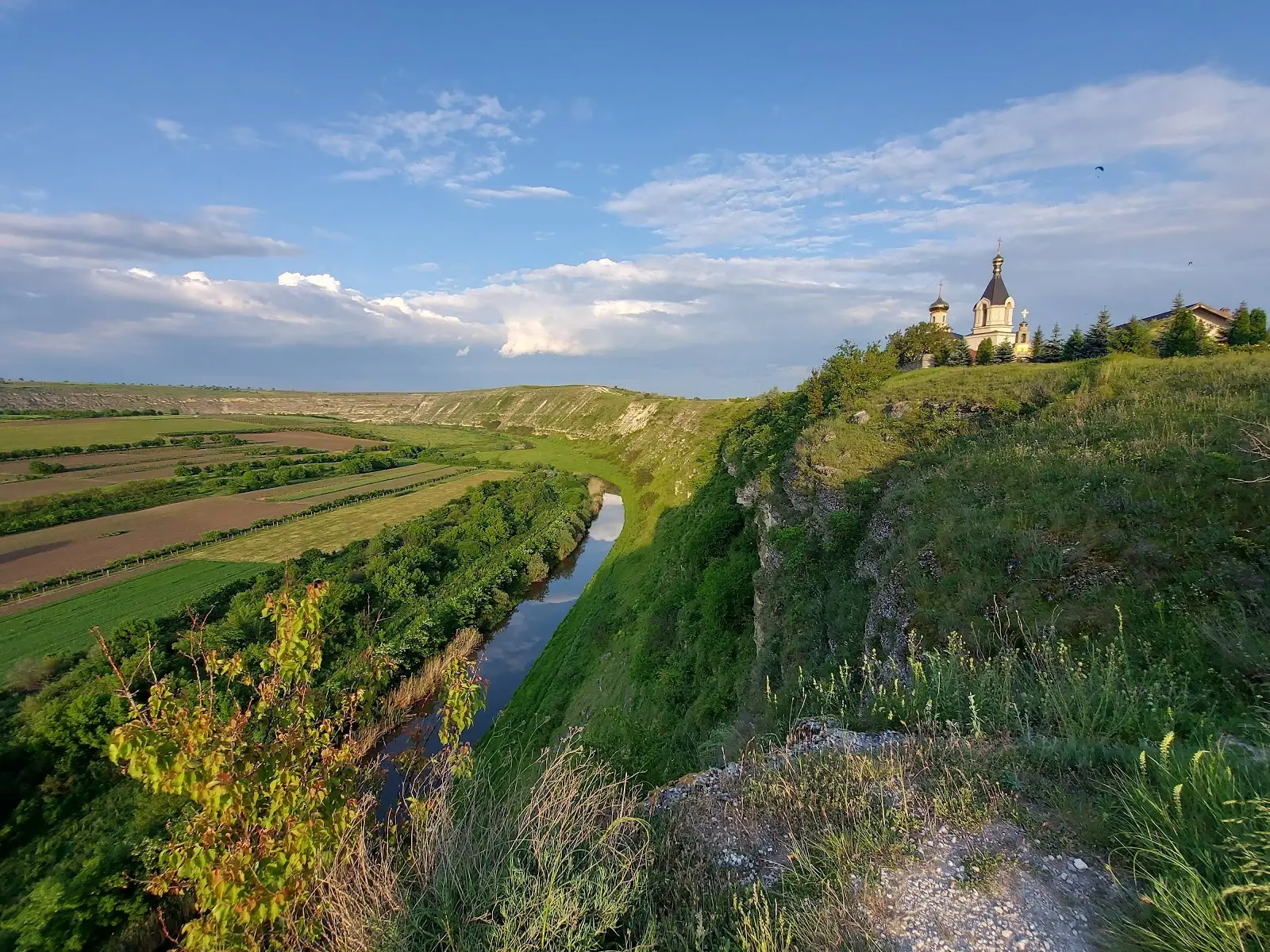
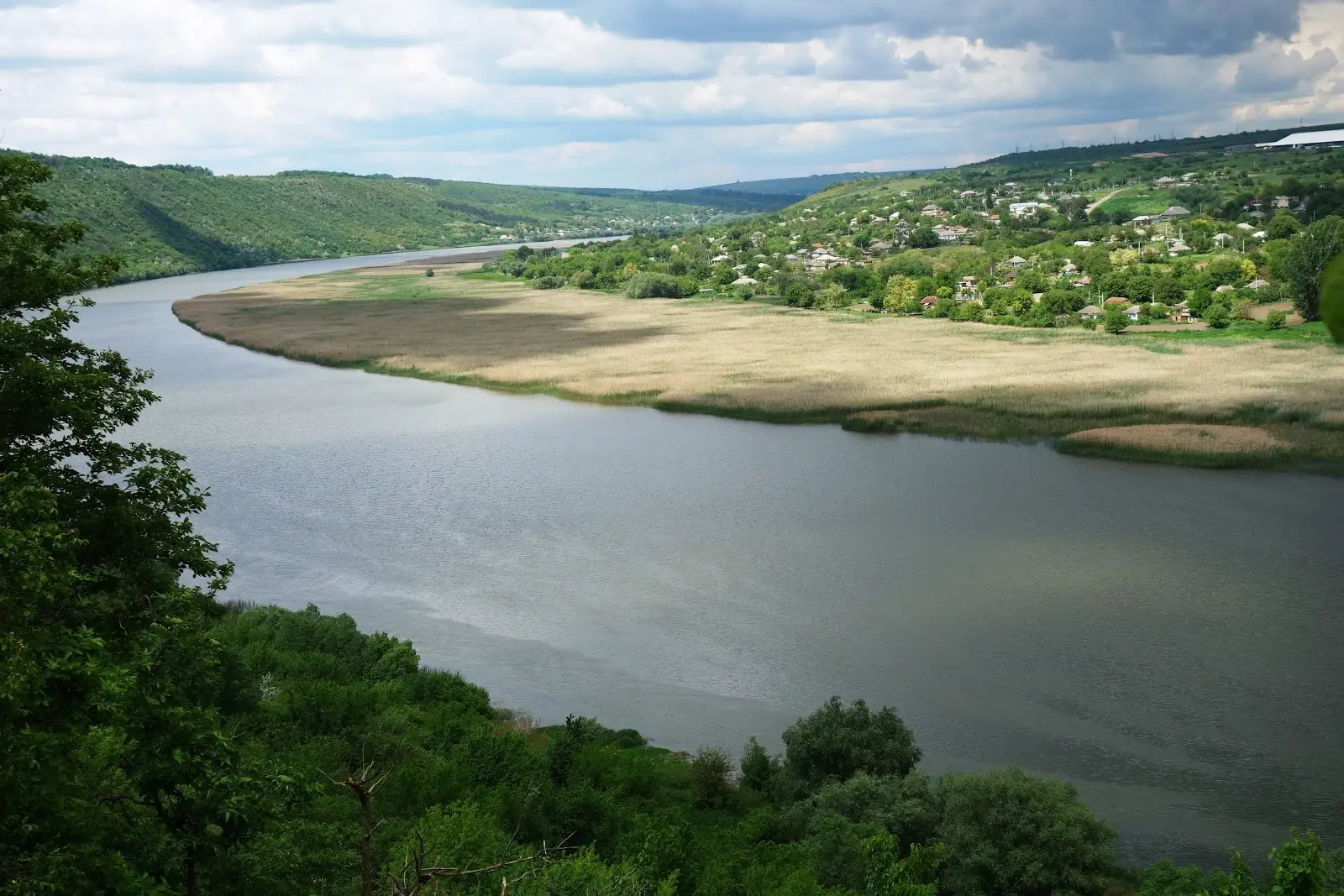
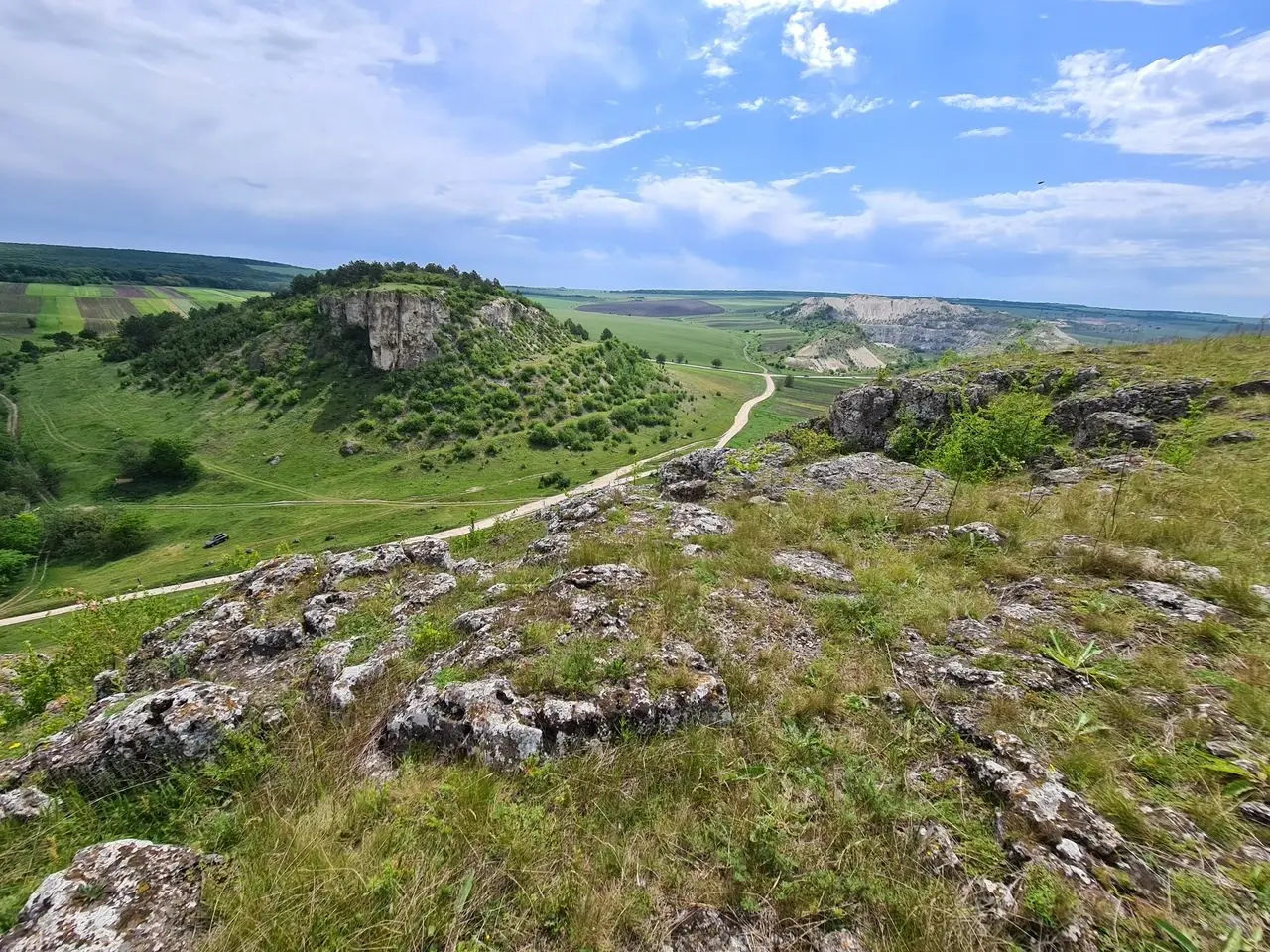
Lopatnic is a Landscape Reserve in Moldova's Briceni District in the far north of the country, protecting natural vegetation along a river valley near the Ukrainian border. The reserve preserves forest and meadow communities typical of the northernmost Moldovan landscape, where the influence of the Carpathian foothills begins to be felt in the vegetation character. Northern Moldova's landscape reserves are particularly important because this region retains relatively little natural vegetation compared to the central Codri zone.
Wildlife Ecosystems
The valley habitats support diverse fauna combining woodland and wetland species, with roe deer, foxes, and various small mammals in the forested areas and amphibians and water birds along the stream margins. The bird community includes riparian species alongside forest birds, and the edge habitats between woodland and open areas are particularly productive for species diversity.
Flora Ecosystems
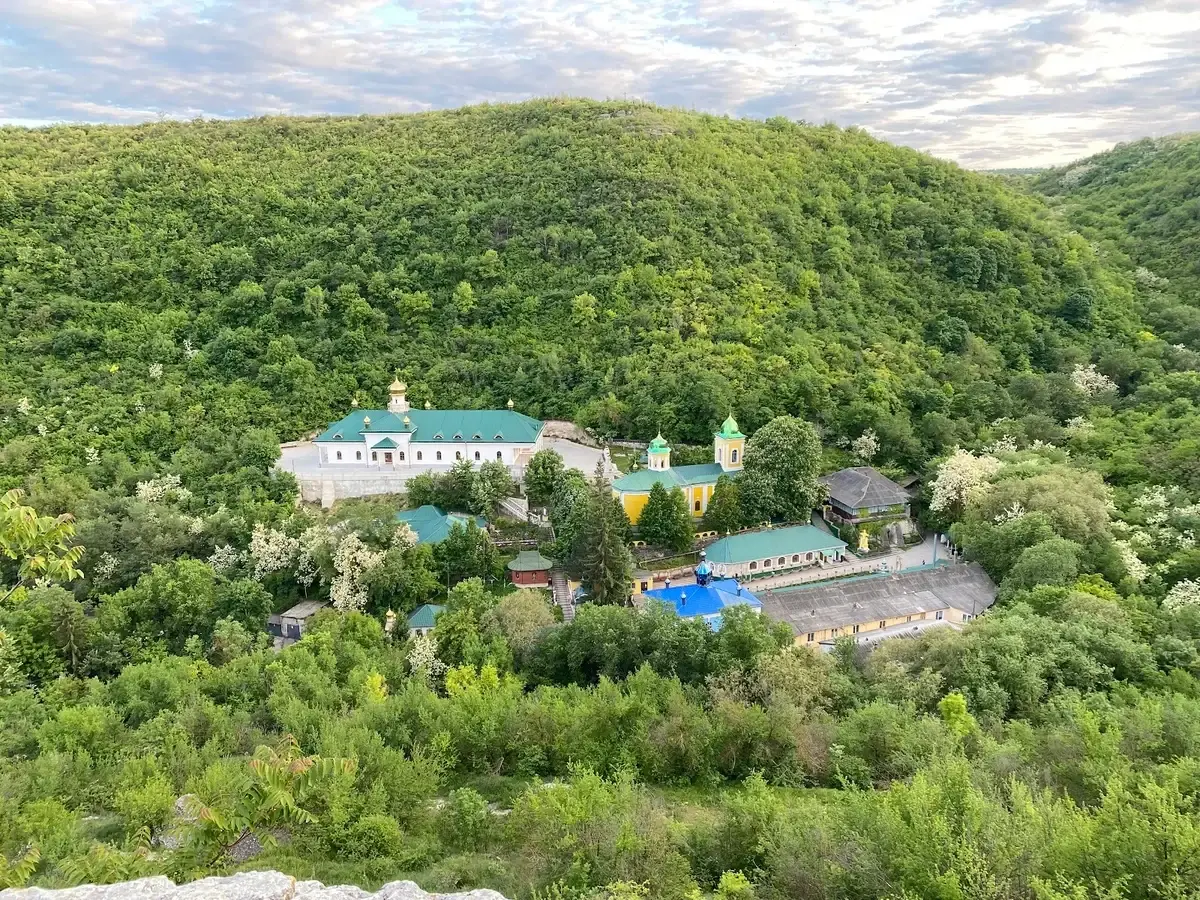
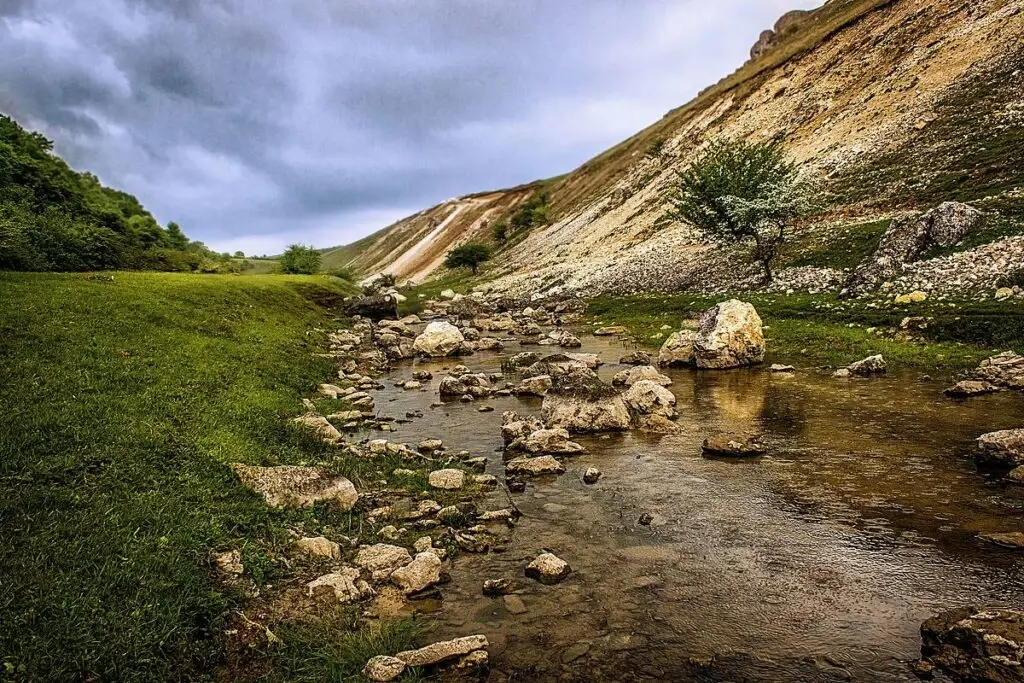
The vegetation includes riparian forest along the watercourse with alder and willow, deciduous forest with oak and hornbeam on the valley slopes, and meadow communities on the valley floor. The northern location introduces some species with Carpathian affinities not found in central or southern Moldova. The meadows maintain diverse grassland flora where traditional management continues.
Geology
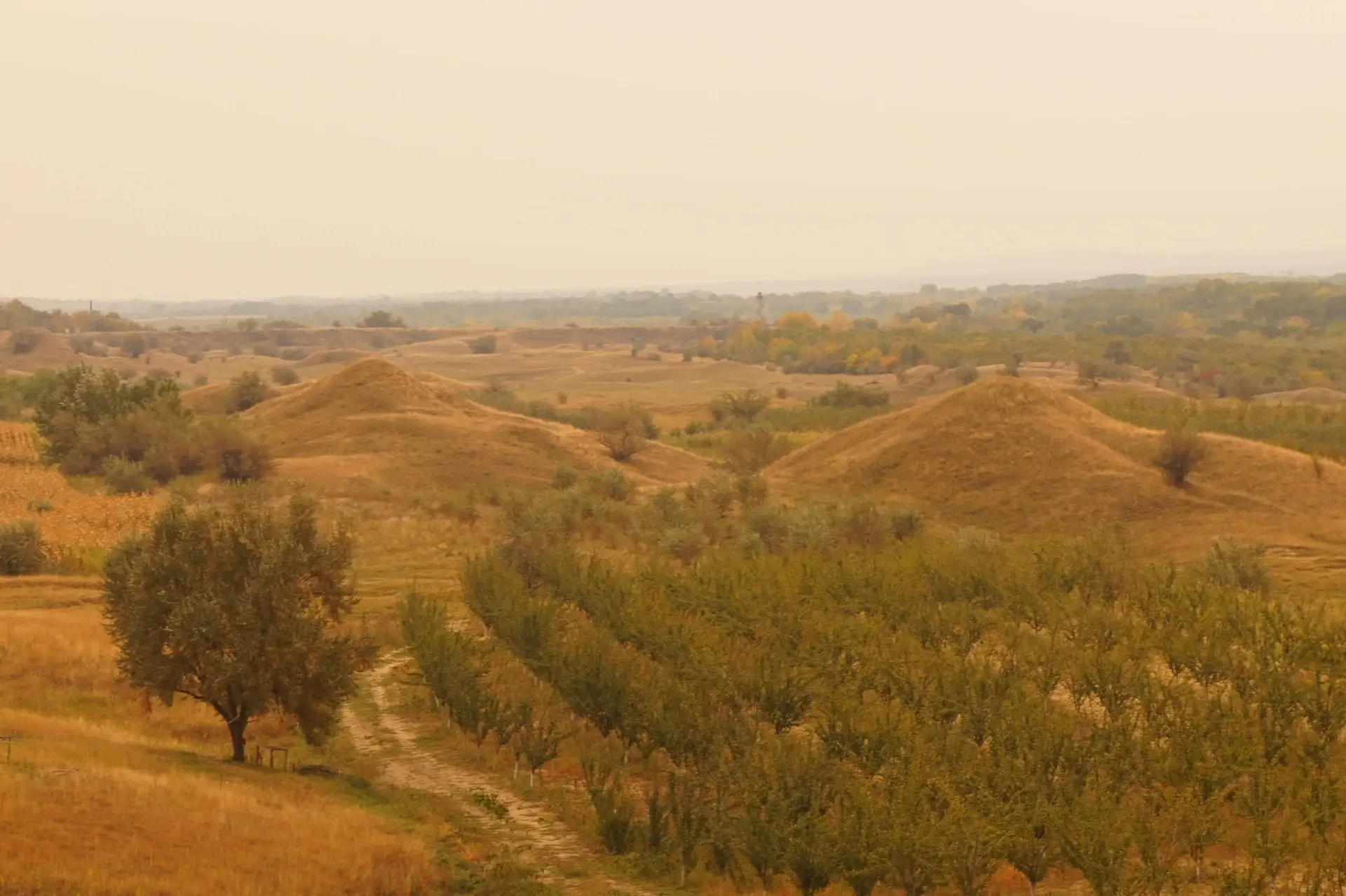
The reserve occupies a river valley in the northern Moldovan hills near the Prut River, with the terrain consisting of Neogene sediments covered by loess deposits dissected by stream erosion. The valley floor contains recent alluvial deposits supporting wet meadow communities. The geology is typical of the Moldovan-Carpathian transition zone.
Climate and Weather
The Briceni District in northernmost Moldova experiences the coldest winters and some of the highest precipitation in the country, with annual totals around 550-600mm. The more humid conditions compared to southern Moldova support lusher vegetation growth. The valley provides shelter from cold northerly winds.
Human History
Northern Moldova near the Ukrainian border has been a zone of cultural mixing between Moldovan, Ukrainian, and other communities over centuries. The landscape has been farmed since ancient times with progressive reduction of natural vegetation. Valley terrain preserved natural habitats where slopes prevented cultivation.
Park History
Lopatnic received Landscape Reserve designation to protect the natural character of this northern Moldovan valley. The reserve contributes to maintaining biodiversity in the northernmost part of the country where protected areas are relatively few.
Major Trails and Attractions
Walking along the river valley through varied woodland and meadow scenery, with the lush northern Moldovan vegetation providing pleasant natural atmosphere. Spring wildflowers and autumn colors provide seasonal highlights.
Visitor Facilities and Travel
Located in the Briceni District of northernmost Moldova near the Ukrainian border. Accessible from local roads. No formal visitor facilities.
Conservation and Sustainability
Maintaining water quality in the stream, preventing overgrazing of meadows, and protecting the forest from unauthorized logging are the primary conservation challenges. The border location may limit management access.
Photos
1 photo