W.B. Nelson
United States, Oregon
About W.B. Nelson
W.B. Nelson State Recreation Site is a small wayside on the southern Oregon coast in Coos County, providing a rest stop and viewpoint along U.S. Route 101. The site offers travelers a brief but scenic break with coastal forest surroundings. Named for a local figure, the site is part of Oregon's network of highway waysides that provide convenient stopping points along the coast.
Wildlife Ecosystems
The coastal forest around the site supports typical southern Oregon coast wildlife including black-tailed deer, Steller's jays, and various woodpecker species. The nearby coast attracts seabirds and marine mammals. Songbirds in the forest include Pacific wrens, varied thrushes, and chestnut-backed chickadees.
Flora Ecosystems
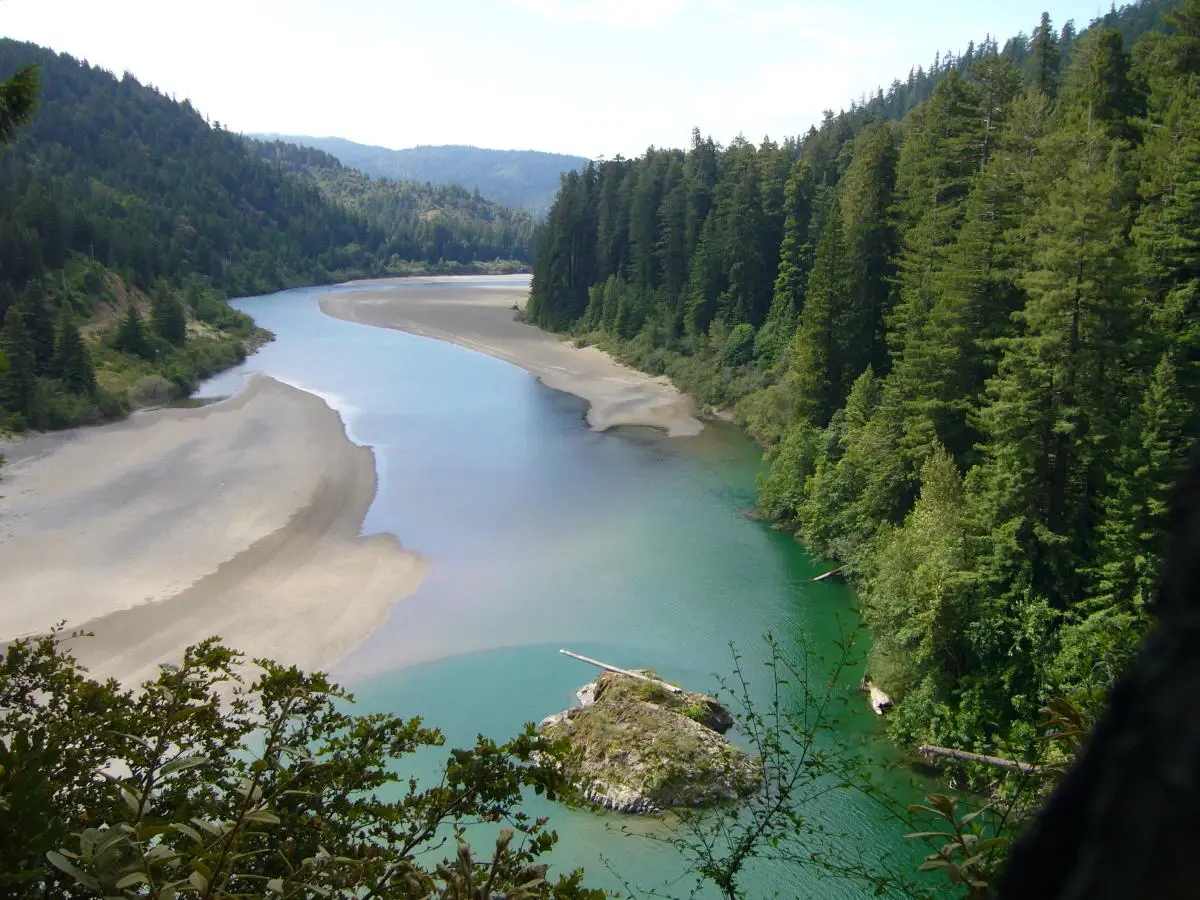
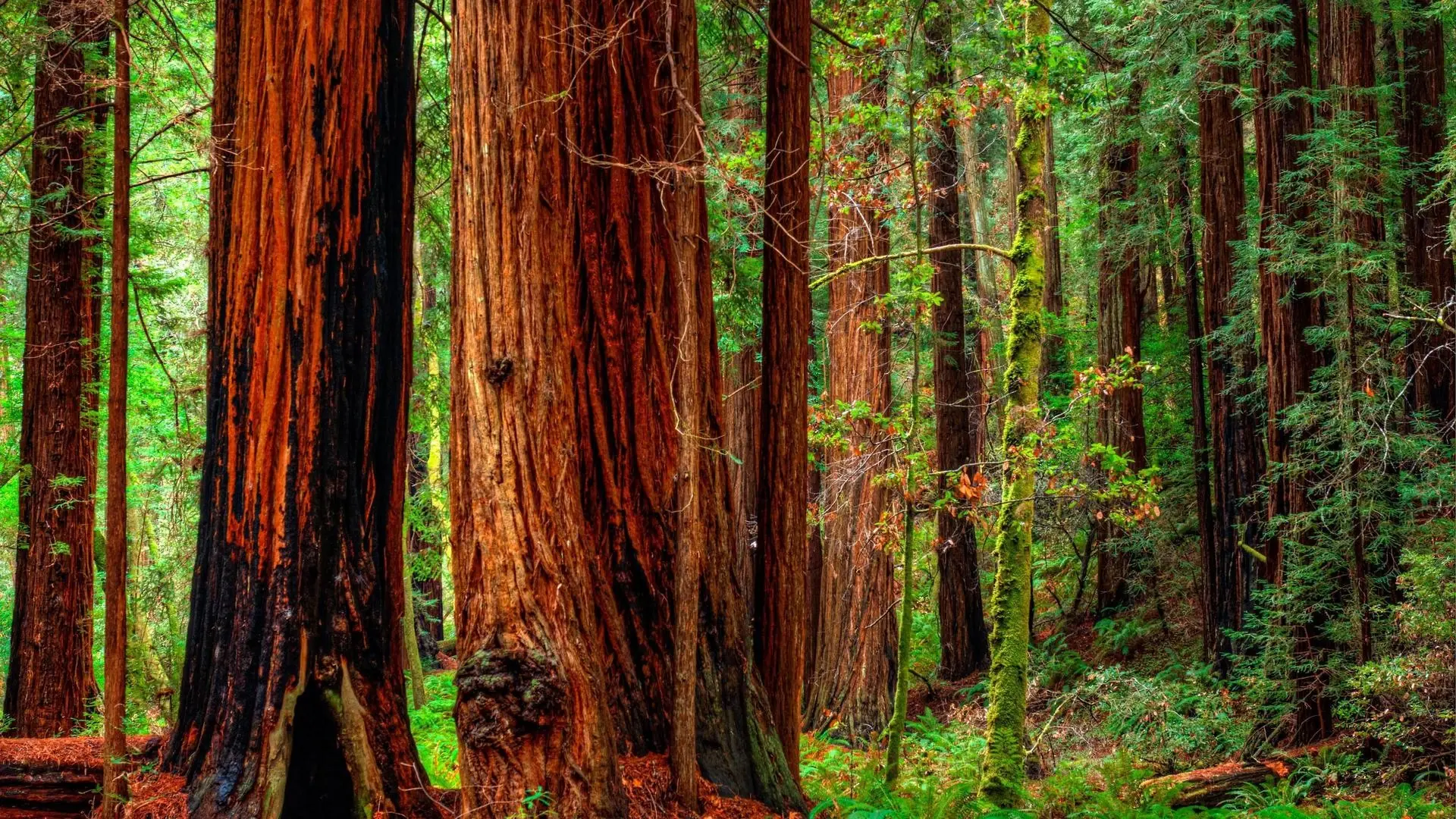
The site is surrounded by coastal forest dominated by Sitka spruce and western hemlock with a lush understory of sword fern, salal, and evergreen huckleberry. The forest canopy is draped with mosses and lichens. Port Orford cedar may be present in the area, near the center of its limited range along the southern Oregon coast.
Geology
The underlying geology includes Tertiary-age marine sedimentary rocks typical of the southern Oregon coast. The terrain reflects the erosive sculpting of the Coast Range by streams and coastal processes over millions of years. The area's complex geological history involves the accretion of ocean floor and island arc terranes to the North American continent.
Climate and Weather
The site experiences the mild, wet climate of the southern Oregon coast with cool summers and mild, rainy winters. Annual precipitation averages 60-70 inches. The southern Oregon coast receives slightly more sunshine than areas to the north.
Human History
The Coos and Coquille peoples inhabited the southern Oregon coast for thousands of years. Euro-American settlement focused on logging, fishing, and shipping. The Coos Bay area developed as the largest lumber port on the Oregon coast.
Park History
W.B. Nelson State Recreation Site was established as a roadside rest area along U.S. Route 101 on the southern Oregon coast. The site is named for W.B. Nelson, a local community figure, and is maintained by the Oregon Parks and Recreation Department.
Major Trails and Attractions
The site primarily serves as a rest stop with a scenic forest setting. It is conveniently located for travelers exploring the southern Oregon coast between Coos Bay and Bandon. Nearby attractions include Shore Acres State Park, Cape Arago, and the Bandon beach formations.
Visitor Facilities and Travel
W.B. Nelson is located along U.S. Route 101 in Coos County. The site offers parking and a rest area. The cities of Coos Bay and Bandon provide full visitor services. The site is accessible year-round.
Conservation and Sustainability
The forested setting is maintained through basic management to preserve the site's scenic and ecological character. The surrounding coastal forest provides habitat connectivity and scenic value along the highway corridor.
Photos
No photos available yet