Taber
United States, Delaware
About Taber
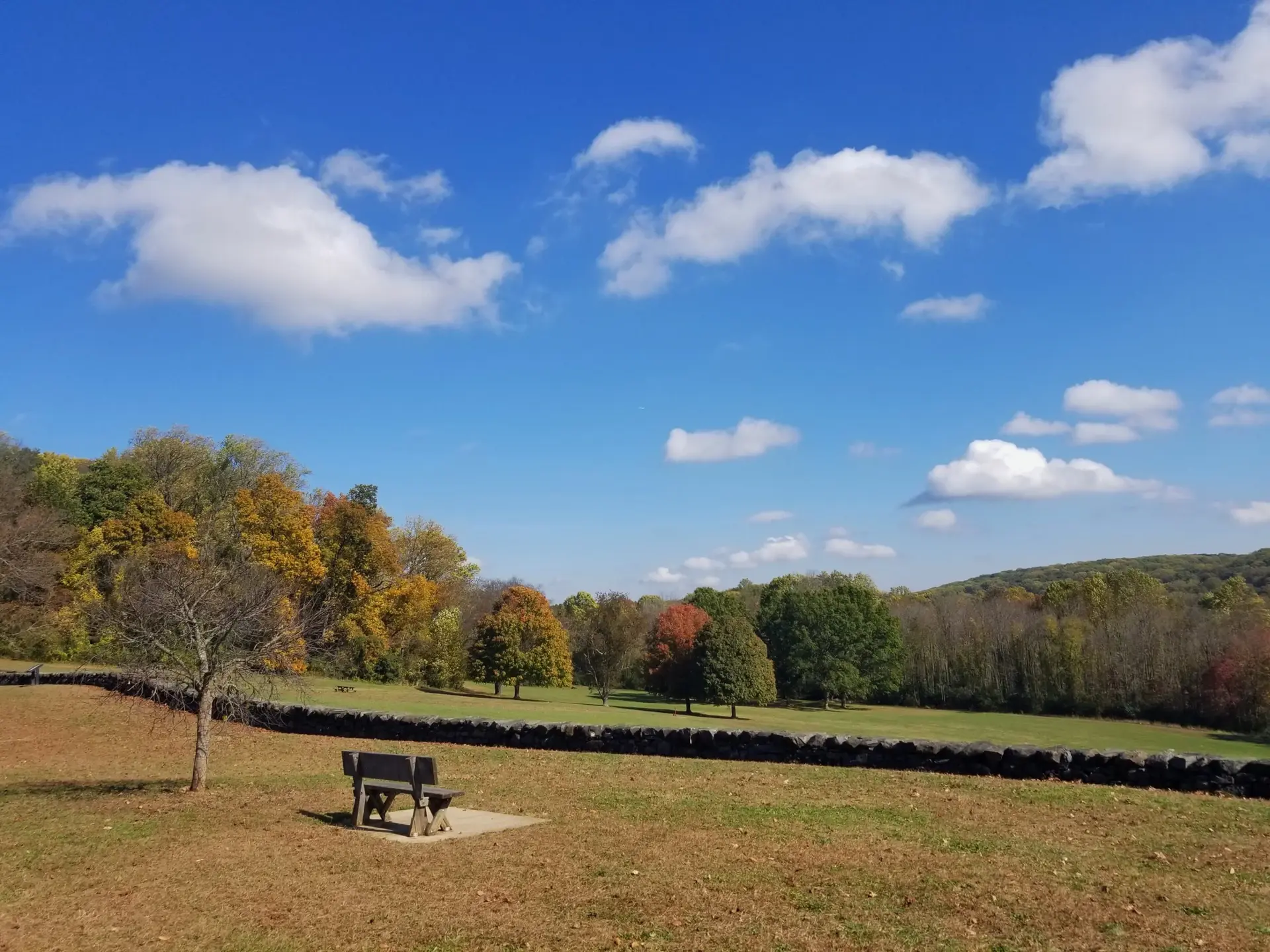
Taber State Forest encompasses over 1,300 acres in southwestern Kent County, making it the smallest of Delaware's three state forests. Located 10 miles southwest of Harrington, Taber is managed primarily for timber production and wildlife habitat. The secluded, rural setting makes it particularly popular with hunters. The forest represents Delaware's commitment to sustainable forestry and wildlife conservation on public lands.
Wildlife Ecosystems
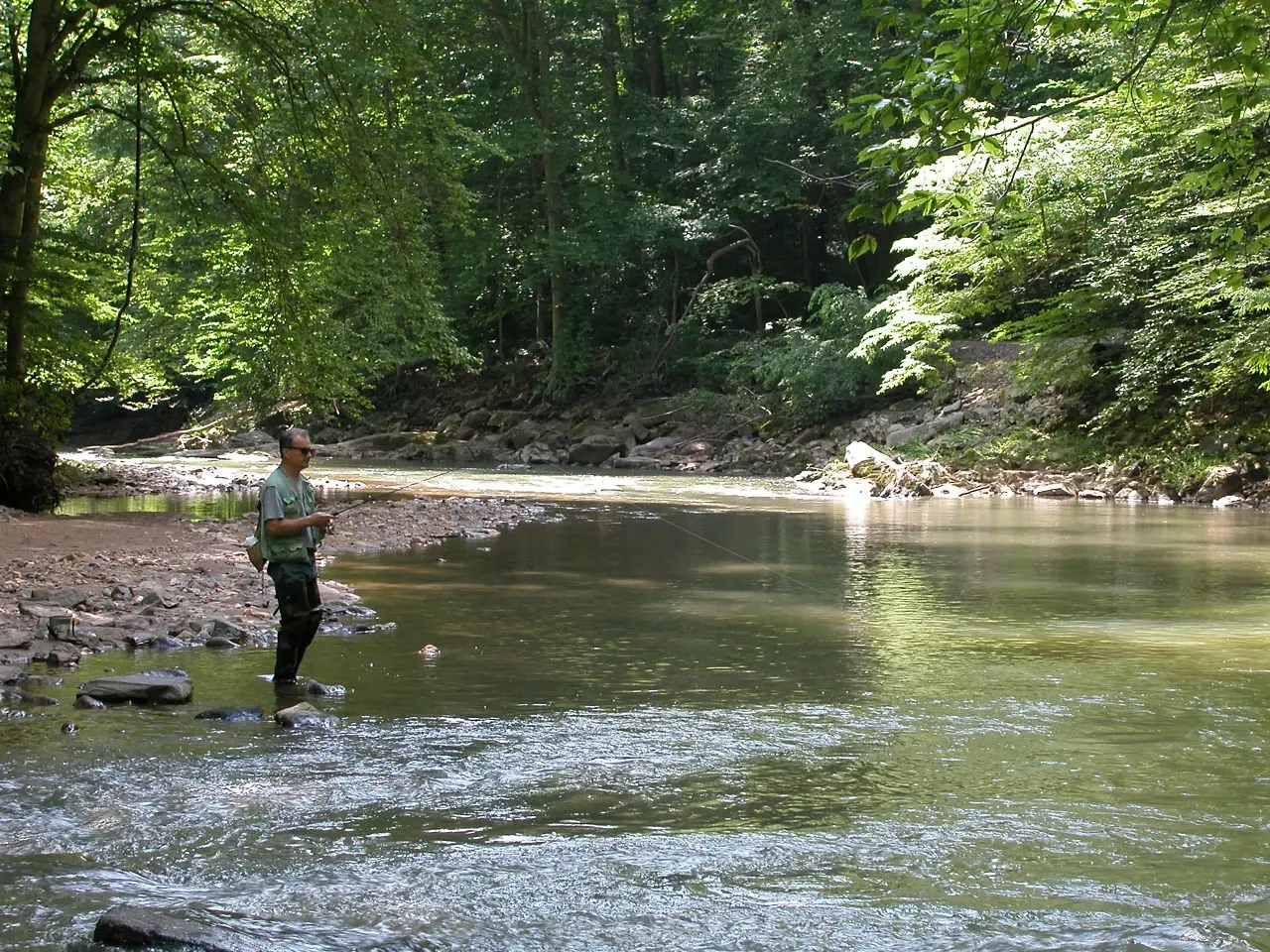
The forest supports white-tailed deer, wild turkeys, and various small game species that draw hunters during appropriate seasons. Songbirds and woodpeckers utilize the forest habitats. The mix of pine plantations and hardwood forests creates varied wildlife habitat. The remote location provides undisturbed conditions for wildlife.
Flora Ecosystems
Loblolly pine and mixed upland hardwoods are the major timber types at Taber State Forest. Pine plantations established for timber production provide different habitat than natural hardwood stands. The varied forest composition demonstrates sustainable forestry management practices applicable throughout Delaware's coastal plain.
Geology
Taber State Forest lies within the Atlantic Coastal Plain, characterized by flat to gently rolling terrain over unconsolidated sediments. Sandy and silty soils support productive timber growth. Approximately 17 acres of the forest extend westward into Maryland, reflecting the colonial-era boundary. The geology is typical of Delaware's interior coastal plain.
Climate and Weather
The forest experiences a humid subtropical climate with warm summers and mild winters. Summer temperatures reach the upper 80s Fahrenheit, while winter temperatures average in the mid-30s. Annual precipitation of approximately 45 inches supports productive forest growth. The interior location lacks coastal moderation.
Human History
The Saulsbury Tract, part of Taber State Forest, contains the historic Saulsbury family burial site including a memorial to Gove Saulsbury, Delaware's 41st governor who served from 1865 to 1871. The approximately 50 by 75 foot gravesite contains 16 graves. The land has been used for agriculture and forestry since colonial times.
Park History
Although officially dedicated in 1994, Taber State Forest originated in 1984 when the Delaware Forest Service received the 350-acre Saulsbury Farm. The forest is named for William S. Taber, Delaware's first State Forester who led the state's forest conservation efforts beginning in the 1930s. Subsequent acquisitions expanded the forest to its current size.
Major Trails and Attractions
The forest provides opportunities for hiking and wildlife observation on informal trails. Hunting is the primary recreational activity during designated seasons. The Saulsbury family cemetery offers historical interest. The remote, rural character provides solitude increasingly rare in Delaware. No formal recreational facilities are developed.
Visitor Facilities and Travel
Taber State Forest is a primitive use facility with no formal office or developed facilities. Camping is not available. Visitors should be self-sufficient. Located off Parker Road south of Delaware Route 14, the forest approaches the Maryland state line. Contact the Dover main office at 302-698-4547 for information.
Conservation and Sustainability
Forest management emphasizes timber production and wildlife habitat on this small state forest. Sustainable forestry practices maintain productive forests while protecting soil and water resources. The forest demonstrates that even small public land holdings can contribute to conservation and sustainable resource management goals.
Photos
No photos available yet