Surprise Ridge
United States, Alaska
About Surprise Ridge
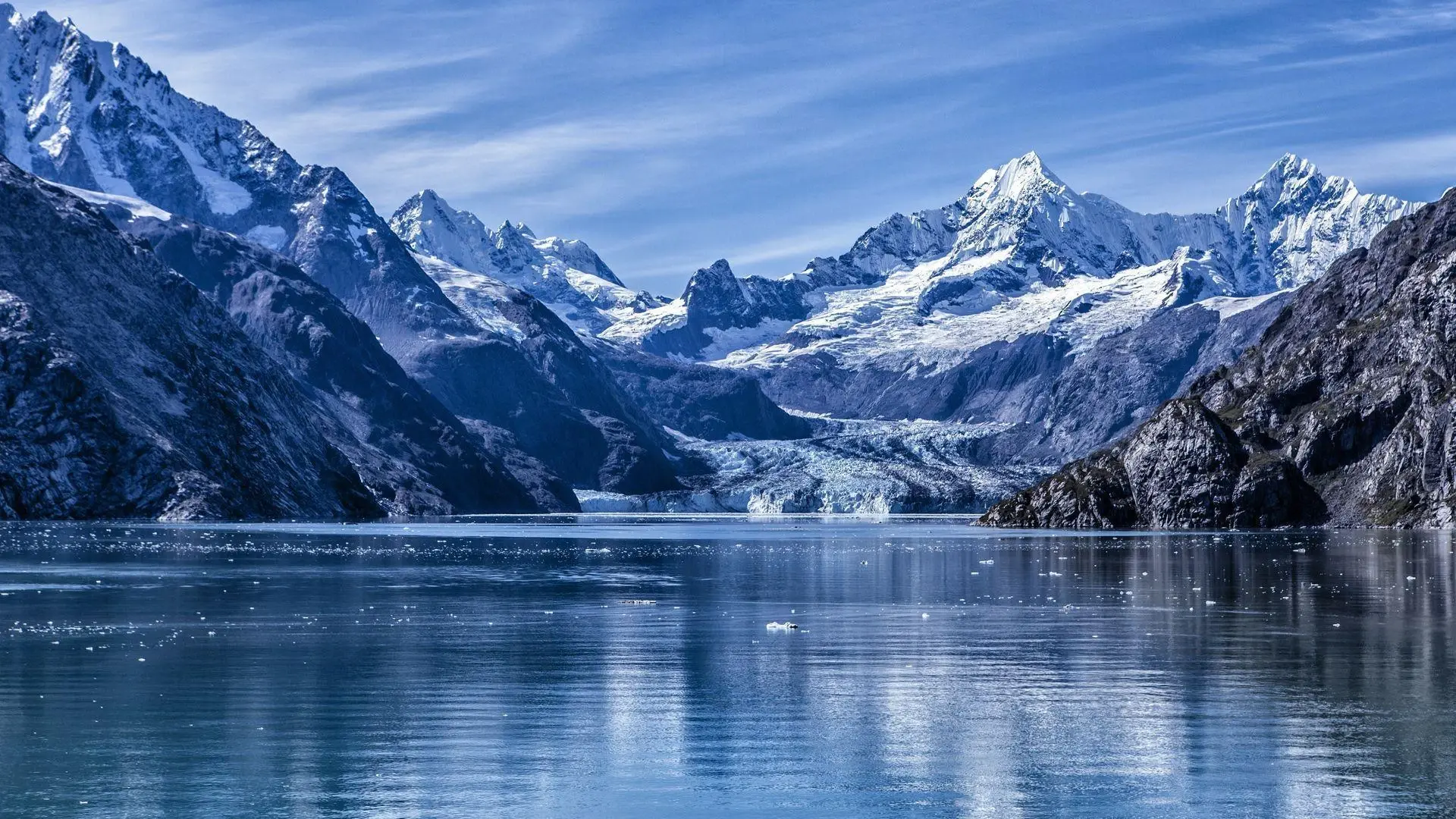
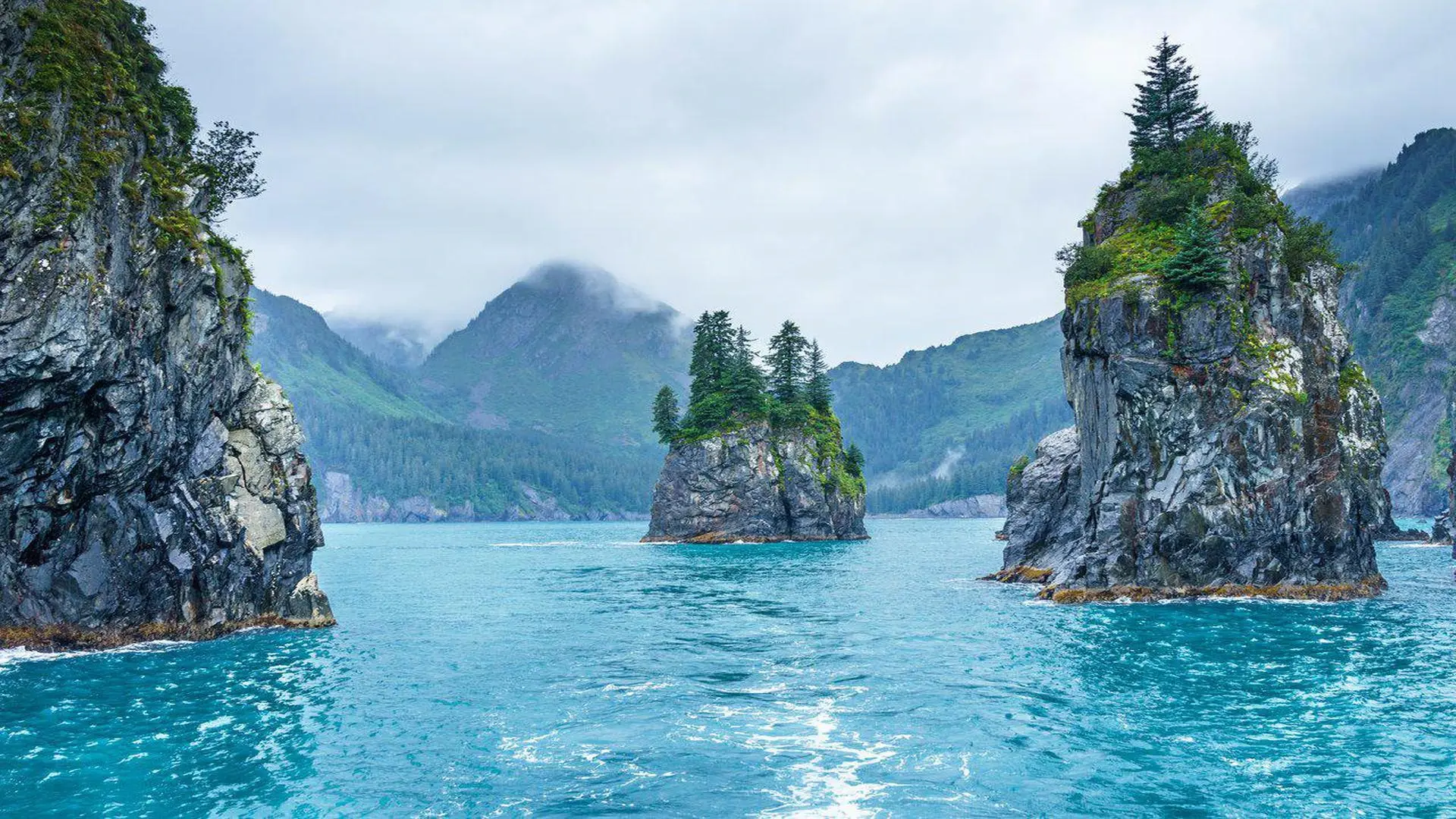
Surprise Ridge State Marine Park protects a dramatic ridgeline and associated marine waters in Prince William Sound. The marine park encompasses terrain rising from sea level to alpine elevations, providing diverse habitat zones. The ridge offers surprising scenic rewards for those who explore its varied landscapes.
Wildlife Ecosystems
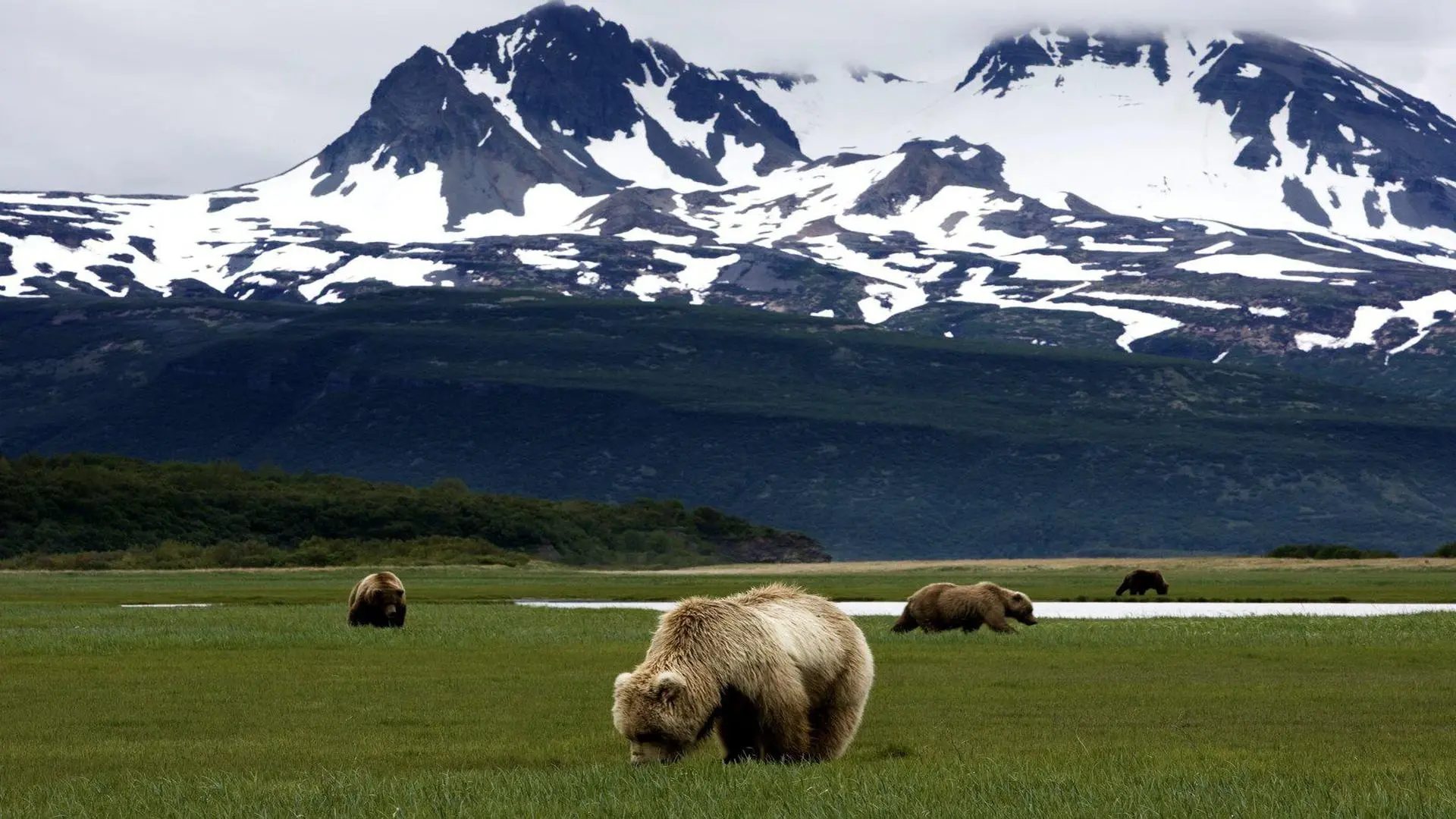
The elevation gradient creates diverse habitat from marine to alpine. Mountain goats may inhabit the upper slopes while black bears roam the forests. Harbor seals and sea otters frequent coastal waters. The varied terrain supports corresponding wildlife communities.
Flora Ecosystems
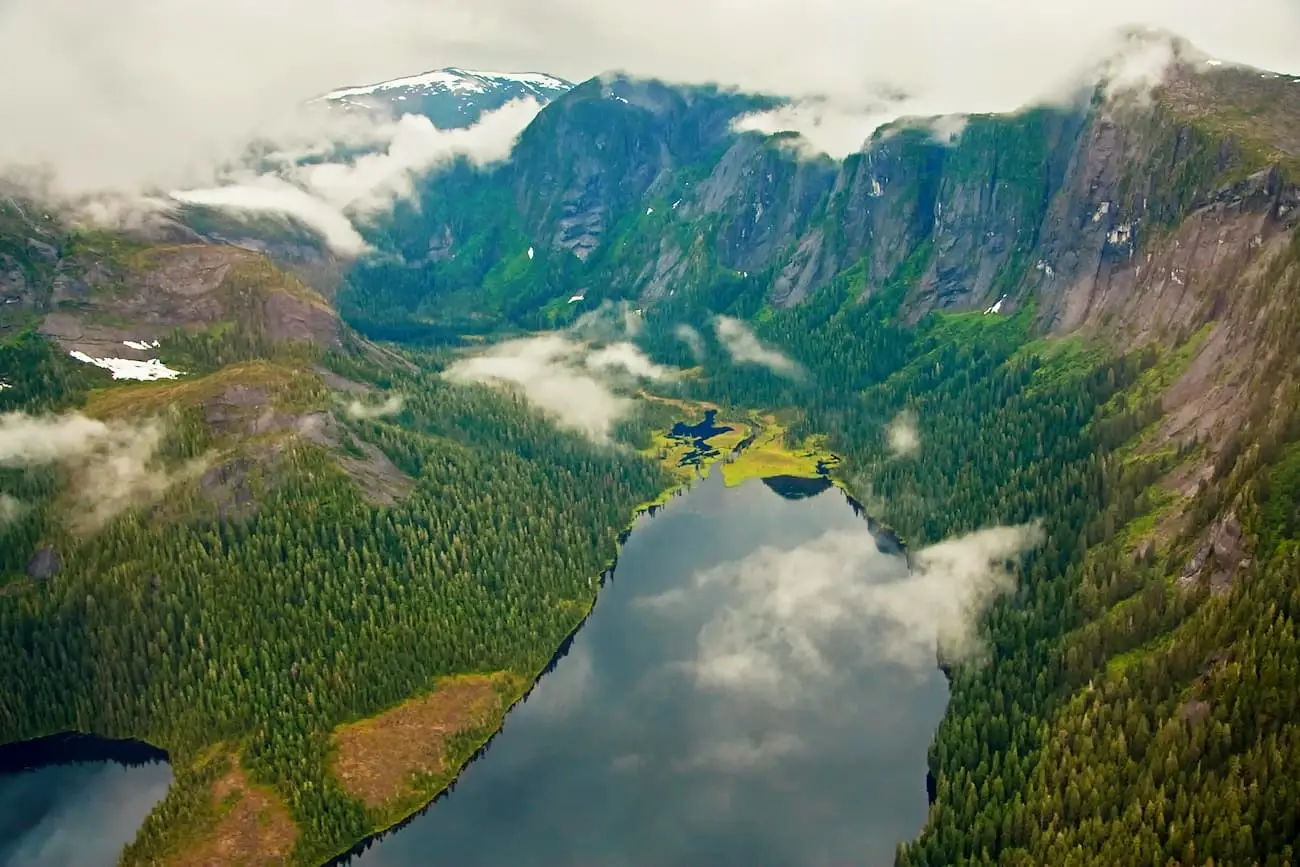
Vegetation zones shift from coastal rainforest through subalpine meadows to alpine tundra. The dramatic elevation change creates compressed habitat zones. Wildflowers bloom at various elevations through the summer.
Geology
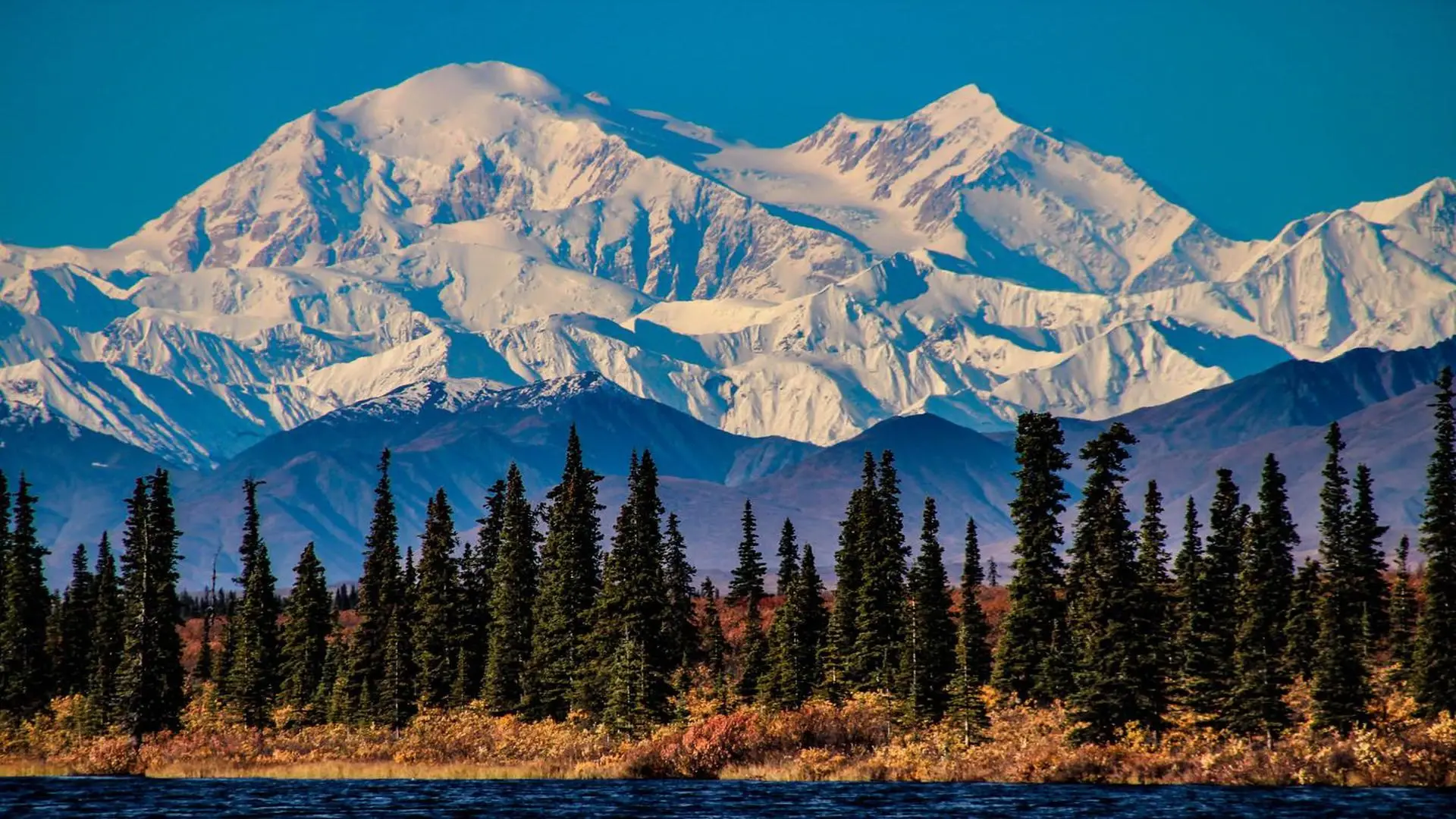
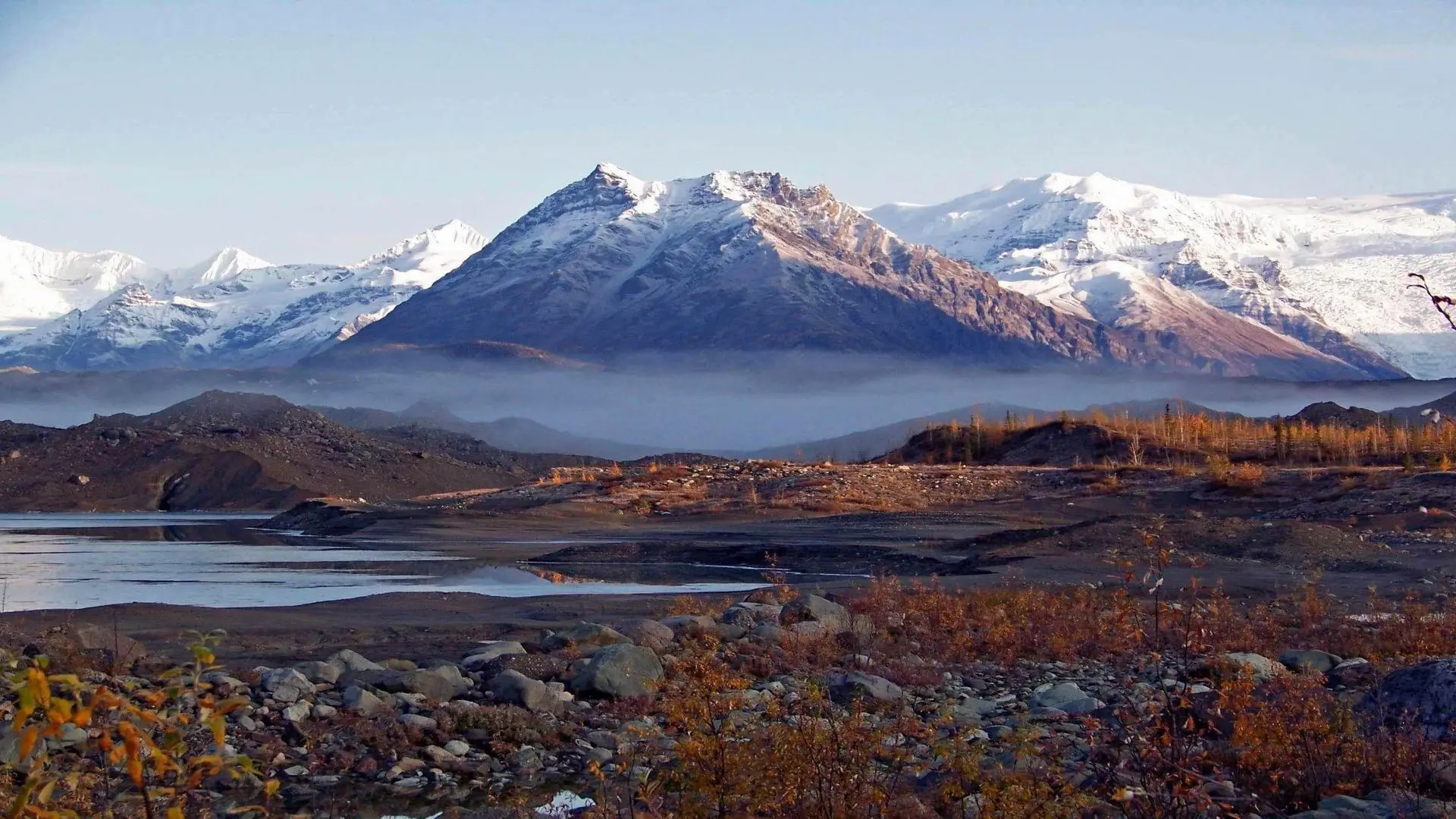
The ridge rises dramatically from sea level to alpine heights. The rocks expose geological history through the elevation gradient. Glacial erosion shaped the terrain, with alpine features visible on upper slopes.
Climate and Weather
Conditions vary dramatically with elevation. Coastal areas experience maritime climate while upper elevations face more severe conditions. Snow may persist on upper slopes while beaches are accessible.
Human History
Chugach peoples would have recognized prominent landforms like this ridge as navigation landmarks. The dramatic terrain would have influenced travel patterns and resource use.
Park History
Surprise Ridge State Marine Park was established to protect this dramatic terrain and provide public access. The park offers opportunities to experience multiple habitat zones in a compact area.
Major Trails and Attractions
The dramatic terrain with multiple habitat zones is the primary attraction. Hiking from sea level toward alpine elevations reveals changing ecosystems. Wildlife viewing varies with elevation. The scenic rewards are substantial.
Visitor Facilities and Travel
The marine park is accessible by boat. Shore access allows exploration of various elevation zones. No developed facilities exist; visitors must be self-sufficient. Access is from Prince William Sound communities.
Conservation and Sustainability
The marine park protects diverse habitats from marine to alpine. The elevation gradient creates unique conservation value. Leave-no-trace practices are essential at all elevations.
Photos
No photos available yet